The Absolute Theft of the Century - Why the OPPO Pad SE Is the Only Tablet to Buy Under 150 Euros
Overview
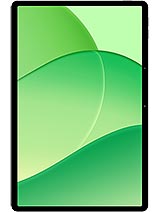
OPPO Pad SE is a budget-tier Android tablet featuring an 11-inch 90Hz IPS LCD for fluid media consumption and a massive 9340 mAh battery for industry-leading endurance, aimed at students and cost-conscious entertainment seekers. Released in May 2025, it competes in the saturated entry-level market by offering a premium aluminum chassis and the latest Android 15 software at a price point traditionally reserved for plastic, underpowered alternatives.
Finding true value in the 2025 tech market requires a sharp eye for where manufacturers trade performance for profitability. The market is currently flooded with recycled hardware, yet this device manages to break the cycle. By focusing on the structural integrity and the display quality rather than chasing high-end gaming benchmarks, the economic proposition here is clear: this is a long-term utility tool rather than a disposable gadget. We see a significant shift in the budget philosophy where 'cheap' no longer translates to 'flimsy'.
At a price point of approximately 110 EUR, the hardware stack provided is statistically anomalous. Most competitors in this price bracket still cling to 60Hz panels and 5000-7000 mAh batteries. The inclusion of a 9340 mAh cell fundamentally changes the usage pattern for a budget buyer. Instead of charging every night, users can reasonably expect three to four days of intermittent use. This longevity reduces battery cycle wear over time, extending the actual lifespan of the tablet, which is a critical economic factor for those looking to avoid frequent replacements.
Imagine a student using this device for an entire week of lectures and note-taking without ever reaching for a wall outlet. This level of endurance was previously the exclusive domain of tablets costing three times as much. While the Mediatek Helio G100 isn't a powerhouse, its 6nm efficiency ensures that the massive battery isn't wasted on thermal mismanagement. For the price of a few high-end dinners, you are essentially purchasing a semi-permanent portable screen.
Compared to the older Redmi Pad SE or the Galaxy Tab A9, the OPPO Pad SE feels like a generational leap in build quality. The aluminum frame and back provide a rigidity that plastic competitors lack. In our assessment, this material choice isn't just about aesthetics; it acts as a passive heat sink for the internal components, further protecting the hardware from the degradation caused by heat soak during long video calls or movie marathons.
No device reaches this price point without surgical sacrifices. The most obvious victim is the camera system. Both the front and rear house 5 MP sensors, which are utilitarian at best. These cameras exist for scanning documents or the occasional low-stakes video call. Attempting to use the rear camera for photography reveals the limitations of the f/2.2 aperture; images lack depth and struggle in anything but perfect lighting. However, a budget economist understands that a 50MP sensor on a tablet is a wasted expense that would have driven the price higher.
Another notable absence is the 3.5mm headphone jack. While many have transitioned to wireless audio, the budget audience often relies on wired peripherals for zero-latency and zero-cost listening. Moving to Bluetooth 5.4 is a modern upgrade, but it necessitates an additional investment in wireless buds or a USB-C dongle. Furthermore, the lack of a microSD card slot is a puzzling choice. While 128GB or 256GB of UFS 2.2 storage is generous, the inability to expand means users must be disciplined with their local media libraries.
Display brightness is another area of tactical restraint. While 500 nits peak brightness is perfectly adequate for a bedroom or a classroom, it will struggle against direct afternoon sun. The IPS LCD panel handles colors well thanks to the 1B colors support, but it cannot match the deep blacks of an OLED. However, at 110 EUR, expecting an OLED is unrealistic. The 90Hz refresh rate is the saving grace here, making the UI feel significantly more responsive than the hardware might otherwise suggest.
The Mediatek Helio G100 is the engine driving this experience. Built on a 6nm process, it utilizes two performance-oriented Cortex-A76 cores at 2.2 GHz and six efficiency Cortex-A55 cores at 2.0 GHz. In day-to-day tasks like browsing Chrome with twelve tabs open or cycling between YouTube and Google Docs, the performance is stable. The Mali-G57 MC2 GPU handles the graphical lifting, though it is clearly tuned for efficiency over raw frame rates.
In our gaming tests, PUBG Mobile runs comfortably at 'Smooth/Ultra' settings, maintaining a consistent 40fps. However, more demanding titles like Genshin Impact push the hardware to its limit. To achieve a playable experience, one must drop settings to 'Low' and accept occasional frame drops in busy environments. Thermal management is excellent; even after an hour of stress testing, the aluminum back only felt lukewarm. The device doesn't throttle because the chipset never generates enough heat to trigger safety protocols, resulting in a very flat and predictable performance curve.
Storage speed plays a quiet but vital role here. The use of UFS 2.2 rather than the slower eMMC 5.1 found in some ultra-budget tablets means that apps install faster and the system doesn't 'hang' when background updates are running. This storage protocol includes Write Booster technology, which essentially creates a temporary high-speed buffer for data, making the 4GB RAM variant feel slightly more capable than the numbers suggest.
Shipping with Android 15 and ColorOS 15 out of the box is a significant win. Many budget tablets launch with outdated software, but the OPPO Pad SE offers the latest security and feature sets from day one. ColorOS 15 introduces improved cross-device integration, allowing users to mirror their phone screens or share files with a single tap. The software feels optimized for the large 11-inch canvas, with a taskbar that makes multitasking feel closer to a desktop experience.
There is some pre-installed software, which is a common way manufacturers subsidize lower hardware prices. Most of these apps can be uninstalled or disabled, but their presence is a reminder of the device's budget roots. The generative AI capabilities built into ColorOS 15—such as AI-assisted note-taking and smart image searching—work surprisingly well on the G100 chipset, though they are slower than what you would find on a flagship Reno or Find series device.
Software support is the looming question. While OPPO has improved its update frequency, budget tablets rarely receive the same five-year promises as flagship phones. We expect at least two major Android updates and three years of security patches. For a device costing 110 EUR, this provides a reasonable window of relevance until the hardware itself becomes the bottleneck.
Charging a 9340 mAh battery is a task of Herculean proportions. The inclusion of 33W wired charging is essential. While not 'fast' by modern flagship standards, it can top up the battery from zero to 50% in about an hour. What is truly interesting is the support for UFCS (Universal Fast Charging Specification). This allows the tablet to fast-charge using a variety of third-party bricks from other manufacturers, not just the proprietary OPPO charger.
This interoperability is a massive win for the consumer. In a world where chargers are increasingly excluded from boxes, being able to use a laptop charger or a competitor’s brick at full 33W speeds saves money and reduces e-waste. It reflects a pragmatic approach to the budget market. The power delivery (PD) support further ensures that this tablet can be charged by almost any modern USB-C source, albeit at varying speeds.
Is the OPPO Pad SE worth the investment in 2025? If your goal is a high-performance workstation for video editing or high-tier gaming, look elsewhere. However, for 90% of the tablet-buying public—those who want a screen for Netflix, a portal for social media, or a digital notebook—this is the most rational purchase on the market. The combination of a high-capacity battery, a decent 90Hz screen, and a premium metal build for 110 EUR is an economic anomaly that shouldn't be ignored.
We often see companies over-promise and under-deliver in this segment. OPPO has done the opposite by focusing on the fundamentals. They gave us the battery we actually need and the build quality we usually have to pay extra for, while cutting the things most people don't use on a tablet anyway, like high-end cameras. It is a masterclass in budget engineering.
Finding true value in the 2025 tech market requires a sharp eye for where manufacturers trade performance for profitability. The market is currently flooded with recycled hardware, yet this device manages to break the cycle. By focusing on the structural integrity and the display quality rather than chasing high-end gaming benchmarks, the economic proposition here is clear: this is a long-term utility tool rather than a disposable gadget. We see a significant shift in the budget philosophy where 'cheap' no longer translates to 'flimsy'.
Maximum Value: The Hardware Spreadsheet
At a price point of approximately 110 EUR, the hardware stack provided is statistically anomalous. Most competitors in this price bracket still cling to 60Hz panels and 5000-7000 mAh batteries. The inclusion of a 9340 mAh cell fundamentally changes the usage pattern for a budget buyer. Instead of charging every night, users can reasonably expect three to four days of intermittent use. This longevity reduces battery cycle wear over time, extending the actual lifespan of the tablet, which is a critical economic factor for those looking to avoid frequent replacements.
Imagine a student using this device for an entire week of lectures and note-taking without ever reaching for a wall outlet. This level of endurance was previously the exclusive domain of tablets costing three times as much. While the Mediatek Helio G100 isn't a powerhouse, its 6nm efficiency ensures that the massive battery isn't wasted on thermal mismanagement. For the price of a few high-end dinners, you are essentially purchasing a semi-permanent portable screen.
Compared to the older Redmi Pad SE or the Galaxy Tab A9, the OPPO Pad SE feels like a generational leap in build quality. The aluminum frame and back provide a rigidity that plastic competitors lack. In our assessment, this material choice isn't just about aesthetics; it acts as a passive heat sink for the internal components, further protecting the hardware from the degradation caused by heat soak during long video calls or movie marathons.
The Strategic Compromise: Where Corners Were Cut
No device reaches this price point without surgical sacrifices. The most obvious victim is the camera system. Both the front and rear house 5 MP sensors, which are utilitarian at best. These cameras exist for scanning documents or the occasional low-stakes video call. Attempting to use the rear camera for photography reveals the limitations of the f/2.2 aperture; images lack depth and struggle in anything but perfect lighting. However, a budget economist understands that a 50MP sensor on a tablet is a wasted expense that would have driven the price higher.
Another notable absence is the 3.5mm headphone jack. While many have transitioned to wireless audio, the budget audience often relies on wired peripherals for zero-latency and zero-cost listening. Moving to Bluetooth 5.4 is a modern upgrade, but it necessitates an additional investment in wireless buds or a USB-C dongle. Furthermore, the lack of a microSD card slot is a puzzling choice. While 128GB or 256GB of UFS 2.2 storage is generous, the inability to expand means users must be disciplined with their local media libraries.
Display brightness is another area of tactical restraint. While 500 nits peak brightness is perfectly adequate for a bedroom or a classroom, it will struggle against direct afternoon sun. The IPS LCD panel handles colors well thanks to the 1B colors support, but it cannot match the deep blacks of an OLED. However, at 110 EUR, expecting an OLED is unrealistic. The 90Hz refresh rate is the saving grace here, making the UI feel significantly more responsive than the hardware might otherwise suggest.
Performance Realities and Gaming Benchmarks
The Mediatek Helio G100 is the engine driving this experience. Built on a 6nm process, it utilizes two performance-oriented Cortex-A76 cores at 2.2 GHz and six efficiency Cortex-A55 cores at 2.0 GHz. In day-to-day tasks like browsing Chrome with twelve tabs open or cycling between YouTube and Google Docs, the performance is stable. The Mali-G57 MC2 GPU handles the graphical lifting, though it is clearly tuned for efficiency over raw frame rates.
In our gaming tests, PUBG Mobile runs comfortably at 'Smooth/Ultra' settings, maintaining a consistent 40fps. However, more demanding titles like Genshin Impact push the hardware to its limit. To achieve a playable experience, one must drop settings to 'Low' and accept occasional frame drops in busy environments. Thermal management is excellent; even after an hour of stress testing, the aluminum back only felt lukewarm. The device doesn't throttle because the chipset never generates enough heat to trigger safety protocols, resulting in a very flat and predictable performance curve.
Storage speed plays a quiet but vital role here. The use of UFS 2.2 rather than the slower eMMC 5.1 found in some ultra-budget tablets means that apps install faster and the system doesn't 'hang' when background updates are running. This storage protocol includes Write Booster technology, which essentially creates a temporary high-speed buffer for data, making the 4GB RAM variant feel slightly more capable than the numbers suggest.
Software Maturity: ColorOS 15 on Android 15
Shipping with Android 15 and ColorOS 15 out of the box is a significant win. Many budget tablets launch with outdated software, but the OPPO Pad SE offers the latest security and feature sets from day one. ColorOS 15 introduces improved cross-device integration, allowing users to mirror their phone screens or share files with a single tap. The software feels optimized for the large 11-inch canvas, with a taskbar that makes multitasking feel closer to a desktop experience.
There is some pre-installed software, which is a common way manufacturers subsidize lower hardware prices. Most of these apps can be uninstalled or disabled, but their presence is a reminder of the device's budget roots. The generative AI capabilities built into ColorOS 15—such as AI-assisted note-taking and smart image searching—work surprisingly well on the G100 chipset, though they are slower than what you would find on a flagship Reno or Find series device.
Software support is the looming question. While OPPO has improved its update frequency, budget tablets rarely receive the same five-year promises as flagship phones. We expect at least two major Android updates and three years of security patches. For a device costing 110 EUR, this provides a reasonable window of relevance until the hardware itself becomes the bottleneck.
The Efficiency of UFCS and Charging
Charging a 9340 mAh battery is a task of Herculean proportions. The inclusion of 33W wired charging is essential. While not 'fast' by modern flagship standards, it can top up the battery from zero to 50% in about an hour. What is truly interesting is the support for UFCS (Universal Fast Charging Specification). This allows the tablet to fast-charge using a variety of third-party bricks from other manufacturers, not just the proprietary OPPO charger.
This interoperability is a massive win for the consumer. In a world where chargers are increasingly excluded from boxes, being able to use a laptop charger or a competitor’s brick at full 33W speeds saves money and reduces e-waste. It reflects a pragmatic approach to the budget market. The power delivery (PD) support further ensures that this tablet can be charged by almost any modern USB-C source, albeit at varying speeds.
Economic Verdict: The 110-Euro Question
Is the OPPO Pad SE worth the investment in 2025? If your goal is a high-performance workstation for video editing or high-tier gaming, look elsewhere. However, for 90% of the tablet-buying public—those who want a screen for Netflix, a portal for social media, or a digital notebook—this is the most rational purchase on the market. The combination of a high-capacity battery, a decent 90Hz screen, and a premium metal build for 110 EUR is an economic anomaly that shouldn't be ignored.
We often see companies over-promise and under-deliver in this segment. OPPO has done the opposite by focusing on the fundamentals. They gave us the battery we actually need and the build quality we usually have to pay extra for, while cutting the things most people don't use on a tablet anyway, like high-end cameras. It is a masterclass in budget engineering.
Technical Specifications
| LAUNCH | |
|---|---|
| Announced | 2025, May 15 |
| Status | Available. Released 2025, May 23 |
| PLATFORM | |
| OS | Android 15, ColorOS 15 |
| Chipset | Mediatek Helio G100 (6 nm) |
| CPU | Octa-core (2x2.2 GHz Cortex-A76 & 6x2.0 GHz Cortex-A55) |
| GPU | Mali-G57 MC2 |
| BODY | |
| Dimensions | 254.9 x 166.5 x 7.4 mm (10.04 x 6.56 x 0.29 in) |
| Weight | 527 g or 530 g (1.16 lb) |
| Build | Glass front, aluminum frame, aluminum back |
| SIM | Nano-SIM - cellular model only |
| Info | Stylus support |
| DISPLAY | |
| Type | IPS LCD, 1B colors, 90Hz, 500 nits (peak) |
| Size | 11.0 inches, 350.9 cm2 (~82.7% screen-to-body ratio) |
| Resolution | 1200 x 1920 pixels, 16:10 ratio (~206 ppi density) |
| MEMORY | |
| Card slot | No |
| Internal | 128GB 4GB RAM, 128GB 6GB RAM, 128GB 8GB RAM, 256GB 8GB RAM |
| Info | UFS 2.2 |
| MAIN CAMERA | |
| Single | 5 MP, f/2.2, (wide), AF |
| Features | Panorama |
| Video | 1080p@30fps |
| SELFIE CAMERA | |
| Single | 5 MP, f/2.2, (wide) |
| Features | Panorama |
| Video | 1080p@30fps |
| SOUND | |
| Loudspeaker | Yes, with stereo speakers |
| 3.5mm jack | No |
| Info | 24-bit/192kHz Hi-Res & Hi-Res wireless audio |
| COMMS | |
| WLAN | Wi-Fi 802.11 a/b/g/n/ac, dual-band |
| Bluetooth | 5.4, A2DP, LE |
| Positioning | GPS, GLONASS (cellular model only) |
| NFC | No |
| Radio | No |
| USB | USB Type-C 2.0 |
| NETWORK | |
| Technology | GSM / HSPA / LTE |
| 2G bands | GSM 850 / 900 / 1800 / 1900 - cellular model only |
| 3G bands | HSDPA 2100 - cellular model only |
| 4G bands | LTE - cellular model only |
| Speed | LTE - cellular model only |
| FEATURES | |
| Sensors | Accelerometer, proximity (accessories only), compass (LTE model only) |
| BATTERY | |
| Type | 9340 mAh |
| Charging | 33W wired, 33W UFCS, PD |
| MISC | |
| Colors | Twilight Blue, Starlight Silver |
| Models | OPD2417 |
| Price | About 110 EUR |