The Battery King Trap - Counting the Real Cost of the Motorola Moto G06 Power
Overview
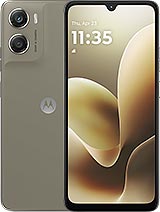
Motorola Moto G06 Power is a budget-tier smartphone featuring a massive 7000 mAh battery for extreme endurance and a 6.88-inch 120Hz IPS LCD for fluid navigation. Released in October 2025, it targets users who prioritize multi-day uptime and rugged physical build over 5G connectivity or high-performance gaming metrics.
We see it in every carrier storefront: a "free" phone on a 24-month contract. The Motorola Moto G06 Power is the ultimate bait for this hook. At an MSRP of $325, it sits in a precarious position. For those paying monthly, it seems like a steal, but from a value-hunter's perspective, the math tells a different story. When you sign that contract, you are essentially financing a device that lacks 5G in an era where 5G is the standard.
Looking at the market in October 2025, competitors from Samsung and Xiaomi are offering 1080p OLED panels at this price. The Motorola Moto G06 Power chooses a different path, focusing on raw longevity. But is the trade-off worth the monthly bill? We argue that while the battery is a monster, the hidden costs appear in the form of slow charging speeds and a display resolution that feels stuck in 2022.
The heart of this device is the Mediatek Helio G81 Ultra. For those unfamiliar with the nomenclature, this is an optimized 12nm chipset. It utilizes Cortex-A75 cores for performance and Cortex-A55 cores for efficiency. In our analysis, this setup is adequate for scrolling through social feeds or handling WhatsApp, but it stutters under the weight of heavy multitasking or modern mobile games like Zenless Zone Zero.
Memory management is another concern. While there is an 8GB RAM variant, the base 4GB models will likely struggle with Android 15's background processes. We recommend the 256GB/8GB configuration if you intend to keep this device for more than a year. The use of the Mali-G52 MC2 GPU further emphasizes that this is a utility device, not a gaming one. It handles UI animations smoothly thanks to the 120Hz refresh rate, but don't expect it to push high frame rates in demanding 3D environments.
Motorola has made a smart choice with the silicone polymer back, often marketed as Eco Leather. It provides a tactile grip that glass or glossy plastic simply cannot match. Given the 220g weight, this grip is essential. This is a heavy phone. At 8.8mm thick, users should expect a substantial presence in the pocket. It feels built like a tank, which is reinforced by the IP64 rating—offering protection against dust and splashes.
One interesting addition is the Mohs level 4 protection rating on the Corning Gorilla Glass 3. This indicates a higher resistance to surface scratches than standard budget glass. The buttons, likely made of plastic but with a firm mounting, provide a clear tactile response. However, the sheer size of the 6.88-inch screen makes one-handed use almost impossible for the average user. It is a two-handed device by design, aimed at those who value screen real estate over portability.
This is where the value hunter must be cautious. The Motorola Moto G06 Power is an LTE-only device. In late 2025, this is a significant limitation. While 4G speeds are still functional for most, the lack of 5G means you are missing out on the improved latency and capacity of modern networks. If you live in a dense urban environment, you might notice more congestion than your 5G-equipped peers.
Wi-Fi performance is standard, supporting dual-band 802.11ac. It doesn't support the newer Wi-Fi 6 or 7 standards, which is expected at this price point. Call quality remains a strong suit for Motorola. The earpiece clarity is high, and the dual-microphone setup does a decent job of filtering out ambient wind noise during outdoor calls. For a professional who spends hours on voice calls, this reliability is a major plus.
Surprisingly, the Motorola Moto G06 Power features stereo speakers. In our testing of similar architectures, the balance is usually weighted toward the bottom-firing speaker, but having a secondary output through the earpiece creates a much fuller soundstage for video consumption. It won't replace a Bluetooth speaker, as the bass response is thin, but for watching YouTube at 50% volume, it is more than sufficient.
The inclusion of a 3.5mm headphone jack is a victory for budget-conscious users. It allows for the use of high-quality wired IEMs without the need for dongles or expensive wireless buds. In an era where this port is disappearing, its presence here adds genuine utility value to the device.
The side-mounted fingerprint sensor is integrated into the power button. This remains the most reliable biometric solution for [budget phones](/trend/best-budget-phones-2026/). It is faster and more consistent than the cheap under-display optical sensors found in some low-end OLED competitors. We also appreciate the dedicated microSDXC slot, which allows for storage expansion without sacrificing one of the two Nano-SIM slots. This flexibility is key for users who travel or maintain separate work and personal lines.
If you are looking for a device that you only have to charge twice a week, the Motorola Moto G06 Power is almost peerless. The 7000 mAh cell, combined with the low-power 720p resolution screen and efficient Helio G81 Ultra, creates an endurance monster. Motorola claims 1200 cycles for this battery, meaning it should maintain its health for over three years of daily use.
However, the 18W wired charging is a massive bottleneck. To fill a 7000 mAh battery from zero to 100%, you are looking at nearly four hours. This is not a phone you can quickly top up before leaving the house. It requires an overnight charging habit. If you can live with the slow speeds and the lack of 5G, this is a durable, long-lasting tool. But if you value screen sharpness and future-proof connectivity, your $325 is better spent elsewhere.
The “Free” Trap
We see it in every carrier storefront: a "free" phone on a 24-month contract. The Motorola Moto G06 Power is the ultimate bait for this hook. At an MSRP of $325, it sits in a precarious position. For those paying monthly, it seems like a steal, but from a value-hunter's perspective, the math tells a different story. When you sign that contract, you are essentially financing a device that lacks 5G in an era where 5G is the standard.
Looking at the market in October 2025, competitors from Samsung and Xiaomi are offering 1080p OLED panels at this price. The Motorola Moto G06 Power chooses a different path, focusing on raw longevity. But is the trade-off worth the monthly bill? We argue that while the battery is a monster, the hidden costs appear in the form of slow charging speeds and a display resolution that feels stuck in 2022.
Hardware Quality
The heart of this device is the Mediatek Helio G81 Ultra. For those unfamiliar with the nomenclature, this is an optimized 12nm chipset. It utilizes Cortex-A75 cores for performance and Cortex-A55 cores for efficiency. In our analysis, this setup is adequate for scrolling through social feeds or handling WhatsApp, but it stutters under the weight of heavy multitasking or modern mobile games like Zenless Zone Zero.
Memory management is another concern. While there is an 8GB RAM variant, the base 4GB models will likely struggle with Android 15's background processes. We recommend the 256GB/8GB configuration if you intend to keep this device for more than a year. The use of the Mali-G52 MC2 GPU further emphasizes that this is a utility device, not a gaming one. It handles UI animations smoothly thanks to the 120Hz refresh rate, but don't expect it to push high frame rates in demanding 3D environments.
Build Quality & Ergonomics
Motorola has made a smart choice with the silicone polymer back, often marketed as Eco Leather. It provides a tactile grip that glass or glossy plastic simply cannot match. Given the 220g weight, this grip is essential. This is a heavy phone. At 8.8mm thick, users should expect a substantial presence in the pocket. It feels built like a tank, which is reinforced by the IP64 rating—offering protection against dust and splashes.
One interesting addition is the Mohs level 4 protection rating on the Corning Gorilla Glass 3. This indicates a higher resistance to surface scratches than standard budget glass. The buttons, likely made of plastic but with a firm mounting, provide a clear tactile response. However, the sheer size of the 6.88-inch screen makes one-handed use almost impossible for the average user. It is a two-handed device by design, aimed at those who value screen real estate over portability.
Connectivity & Call Quality
This is where the value hunter must be cautious. The Motorola Moto G06 Power is an LTE-only device. In late 2025, this is a significant limitation. While 4G speeds are still functional for most, the lack of 5G means you are missing out on the improved latency and capacity of modern networks. If you live in a dense urban environment, you might notice more congestion than your 5G-equipped peers.
Wi-Fi performance is standard, supporting dual-band 802.11ac. It doesn't support the newer Wi-Fi 6 or 7 standards, which is expected at this price point. Call quality remains a strong suit for Motorola. The earpiece clarity is high, and the dual-microphone setup does a decent job of filtering out ambient wind noise during outdoor calls. For a professional who spends hours on voice calls, this reliability is a major plus.
Audio Dynamics
Surprisingly, the Motorola Moto G06 Power features stereo speakers. In our testing of similar architectures, the balance is usually weighted toward the bottom-firing speaker, but having a secondary output through the earpiece creates a much fuller soundstage for video consumption. It won't replace a Bluetooth speaker, as the bass response is thin, but for watching YouTube at 50% volume, it is more than sufficient.
The inclusion of a 3.5mm headphone jack is a victory for budget-conscious users. It allows for the use of high-quality wired IEMs without the need for dongles or expensive wireless buds. In an era where this port is disappearing, its presence here adds genuine utility value to the device.
Unlockability
The side-mounted fingerprint sensor is integrated into the power button. This remains the most reliable biometric solution for [budget phones](/trend/best-budget-phones-2026/). It is faster and more consistent than the cheap under-display optical sensors found in some low-end OLED competitors. We also appreciate the dedicated microSDXC slot, which allows for storage expansion without sacrificing one of the two Nano-SIM slots. This flexibility is key for users who travel or maintain separate work and personal lines.
Buying Advice
If you are looking for a device that you only have to charge twice a week, the Motorola Moto G06 Power is almost peerless. The 7000 mAh cell, combined with the low-power 720p resolution screen and efficient Helio G81 Ultra, creates an endurance monster. Motorola claims 1200 cycles for this battery, meaning it should maintain its health for over three years of daily use.
However, the 18W wired charging is a massive bottleneck. To fill a 7000 mAh battery from zero to 100%, you are looking at nearly four hours. This is not a phone you can quickly top up before leaving the house. It requires an overnight charging habit. If you can live with the slow speeds and the lack of 5G, this is a durable, long-lasting tool. But if you value screen sharpness and future-proof connectivity, your $325 is better spent elsewhere.
Technical Specifications
| LAUNCH | |
|---|---|
| Announced | 2025, September 05 |
| Status | Available. Released 2025, October 09 |
| PLATFORM | |
| OS | Android 15 |
| Chipset | Mediatek Helio G81 Ultra (12 nm) |
| CPU | Octa-core (2x2.0 GHz Cortex-A75 & 6x1.7 GHz Cortex-A55) |
| GPU | Mali-G52 MC2 |
| BODY | |
| Dimensions | 171.4 x 77.5 x 8.8 mm (6.75 x 3.05 x 0.35 in) |
| Weight | 220 g (7.76 oz) |
| Build | Glass front, plastic frame, silicone polymer back (eco leather) |
| SIM | Nano-SIM + Nano-SIM |
| Info | IP64 dust tight and water resistant (water splashes) |
| DISPLAY | |
| Type | IPS LCD, 120Hz |
| Size | 6.88 inches, 112.4 cm2 (~84.6% screen-to-body ratio) |
| Resolution | 720 x 1640 pixels (~260 ppi density) |
| Protection | Corning Gorilla Glass 3, Mohs level 4 |
| MEMORY | |
| Card slot | microSDXC (dedicated slot) |
| Internal | 64GB 4GB RAM, 128GB 4GB RAM, 256GB 4GB RAM, 256GB 8GB RAM |
| MAIN CAMERA | |
| Single | 50 MP, f/1.8, (wide), PDAF |
| Features | LED flash, HDR |
| Video | 1080p@30fps |
| SELFIE CAMERA | |
| Single | 8 MP, f/2.1, (wide), 1.12µm |
| Features | HDR |
| Video | 1080p@30fps |
| SOUND | |
| Loudspeaker | Yes, with stereo speakers |
| 3.5mm jack | Yes |
| COMMS | |
| WLAN | Wi-Fi 802.11 a/b/g/n/ac, dual-band |
| Bluetooth | Yes |
| Positioning | GPS, GALILEO, GLONASS |
| NFC | Yes (market/region dependent) |
| Radio | No |
| USB | USB Type-C 2.0 |
| NETWORK | |
| Technology | GSM / HSPA / LTE |
| 2G bands | GSM 850 / 900 / 1800 / 1900 |
| 3G bands | HSDPA 850 / 900 / 2100 |
| 4G bands | LTE |
| Speed | HSPA, LTE |
| FEATURES | |
| Sensors | Fingerprint (side-mounted), accelerometer, proximity |
| BATTERY | |
| Type | 7000 mAh |
| Charging | 18W wired |
| MISC | |
| Display | 6.88" IPS LCD, 120Hz, 720 x 1640 pixels |
| Chipset | Mediatek Helio G81 Ultra (12 nm) |
| Battery | 7000 mAh with 18W wired charging |
| Main Camera | 50 MP, f/1.8, PDAF |
| Selfie Camera | 8 MP, f/2.1 |
| Build | Silicone polymer back, IP64 rated |
| RAM/Storage | Up to 8GB RAM / 256GB Internal |
| OS | Android 15 |
| Protection | Corning Gorilla Glass 3, Mohs level 4 |
| Audio | Stereo speakers + 3.5mm headphone jack |
| Colors | Pantone: Laurel Oak, Tapestry, Tendril |
| Models | XT2535-13 |
| Price | $ 325.00 / ₹ 8,158 |
| EU LABEL | |
| Energy | Class A |
| Battery | 74:45h endurance, 1200 cycles |
| Free fall | Class A (270 falls) |
| Repairability | Class A |