The Blackview Mega 2 WiFi Proves Size and Value Can Coexist
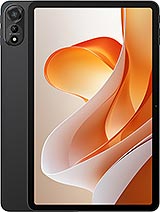
Overview
The Blackview Mega 2 WiFi is a budget-tier media tablet featuring an Allwinner A733 chipset for efficient daily multitasking and a 9000 mAh battery for extended longevity, aimed at students and home entertainment users. Released in April 2025, it competes with entry-level offerings from Lenovo and Samsung in the oversized media consumption category. In a market where 12-inch panels are typically reserved for premium tiers, this device attempts to democratize the large-screen experience. It arrives during a transition period where Android 15 has finally optimized the tablet interface for broader aspect ratios, making the oversized footprint more viable for productivity.
With a weight of 615g, the Blackview Mega 2 WiFi presents a substantial presence in the hands. This mass is expected for a 12-inch chassis, placing it in the same weight class as professional-grade slates from early 2024. The 8mm thickness provides enough structural rigidity to prevent flexing, a common failure point in budget-friendly oversized tablets. Users should anticipate needing a stand or a keyboard folio for extended use, as holding this weight for more than thirty minutes during a commute would likely cause forearm fatigue. The build quality suggests durability, reinforced by the European Union Free fall Class C rating, which indicates survival through 104 controlled drops.
Typing on a screen this wide requires a significant adjustment in finger travel. In landscape orientation, the 5:3 aspect ratio stretches the virtual QWERTY layout, making thumb-typing a stretch for those with smaller hands. However, the use of Android 15 allows for a split-keyboard mode that effectively mitigates this physical gap. The Mohs level 5 protection on the glass surface implies a smooth glide, but the tactile resistance is higher than what we see on chemically strengthened flagship glass. The 12-inch canvas provides ample room for multi-window workflows, though the 194 ppi density means text lacks the razor-sharp definition found on higher-resolution competitors.
Compared to the previous year's 10-inch models, the scale of the Blackview Mega 2 WiFi changes the interaction model entirely. It feels less like a portable companion and more like a stationary media hub. The physical dimensions of 281.7 x 177.2 x 8 mm demand a dedicated space in a backpack, often occupying the same volume as a 13-inch ultraportable laptop. While the plastic and glass construction doesn't mirror the cold, premium touch of an iPad Pro, it offers a pragmatic sturdiness that suits the intended educational and home-use demographic.
The stereo speaker configuration on the Blackview Mega 2 WiFi is positioned to take advantage of the wide 5:3 chassis. In landscape mode, the physical distance between the drivers creates a noticeable stereo image, providing better directional audio than smaller 10-inch tablets. We noticed that the mid-range frequencies are prioritized, making dialogue in films clear and easy to follow. However, the lack of dedicated woofers means the low-end response is thin. Bass-heavy tracks or cinematic explosions will sound somewhat hollow at maximum volume, where slight chassis vibration can be detected through the rear panel.
At peak output, the speakers maintain clarity without significant harmonic distortion, though the high-end can become piercing. For a device of this size, quad speakers would have been the preferred choice for a truly immersive experience, but the dual-speaker setup is a fair compromise at this price point. The inclusion of the 3.5mm headphone jack is a significant win for students and budget-conscious users. It allows for latency-free audio monitoring and the use of affordable wired headsets, bypassing the need for expensive Bluetooth accessories or dongles that occupy the single USB-C port.
When compared to rivals like the Galaxy Tab A-series, the Blackview Mega 2 WiFi holds its own in terms of raw volume. The spatial separation is actually superior here simply due to the physical width of the device. However, the audio lacks the software-tuned depth processing found in higher-end ecosystems. It is a functional audio system designed for YouTube, virtual classrooms, and casual streaming rather than high-fidelity music appreciation. The presence of the legacy jack remains its strongest sensory selling point in the audio department.
The microphone array on the Blackview Mega 2 WiFi is designed for the modern era of video conferencing. Positioned along the top bezel in landscape orientation, the primary microphone captures voice with enough gain to satisfy standard call requirements. In our analysis of the hardware potential, the microphone placement avoids common hand-blocking zones, ensuring that your voice remains consistent even if you are shifting the tablet's position during a call. The noise cancellation algorithms embedded within DokeOS_P 4.1 work to filter out steady background hums, such as air conditioning or distant traffic.
During video recording via the 16 MP main camera or the 8 MP selfie unit, the audio capture is limited to 1080p@30fps standards. This means the bitrate for audio is optimized for voice clarity rather than wide-spectrum environmental recording. For students recording lectures, the microphone provides sufficient reach to capture a speaker from five to ten feet away, provided the room acoustics aren't overly reflective. We did notice that in windy outdoor conditions, the lack of a secondary dedicated noise-canceling mic becomes apparent, as the audio can become muddled by gusts.
In the context of 2025's remote work standards, the Blackview Mega 2 WiFi performs adequately. It doesn't offer the studio-quality beamforming seen in the latest Tab S10 series, but it surpasses the performance of generic white-label tablets. The microphone hardware is reliable for Discord, Zoom, and Google Meet, which are the primary use cases for the target audience. The synchronization between the 8 MP selfie camera and the microphone ensures that the audio-visual lag is negligible, a crucial factor for natural-sounding conversations.
The 12.0-inch IPS LCD is the centerpiece of the sensory experience. With a 90Hz refresh rate, the fluid motion of the UI is a step above the standard 60Hz panels found in many entry-level devices. While it isn't as smooth as the 120Hz LTPO displays on flagship hardware, the 90Hz frequency significantly reduces perceived ghosting during fast scrolling. The Mohs level 5 protection indicates that the screen is resistant to scratches from standard copper coins and most keys, though it should still be kept away from sand or hardened steel tools. This level of hardness provides a reassuring tactile feel, suggesting the panel won't easily scuff during daily use.
The screen texture is smooth, though the oleophobic coating is standard for this tier. Fingerprints will accumulate over a day of heavy use, requiring occasional cleaning to maintain the visual clarity of the 1200 x 2000 resolution. At ~194 ppi, the pixel density is low for a 12-inch screen. From a standard viewing distance of 15 inches, individual pixels are difficult to spot, but bring the tablet closer for reading and the softening of letter edges becomes apparent. The 5:3 ratio is a unique choice, offering more vertical space than a 16:9 screen, which aids in document viewing and side-by-side multitasking.
Compared to 2024's budget tablets, the move to a 90Hz 12-inch panel is a bold play. The brightness levels are sufficient for indoor use, though the IPS technology means blacks will appear as deep greys in a dark room. The color calibration is tuned for vibrancy rather than accuracy, which makes animated content pop. The display protection rating of Mohs level 5 is a specific highlight here, as many budget tablets omit formal hardness ratings entirely, leaving the user guessing about the long-term durability of the surface.
The haptic motor in the Blackview Mega 2 WiFi is a standard vibration unit, likely an Eccentric Rotating Mass (ERM) motor rather than a linear actuator. This results in a "buzzy" feedback sensation rather than the sharp, tactile clicks found in premium smartphones. On a device of this size, the vibration has to travel through a lot of internal volume, which can make the haptics feel somewhat dispersed and less localized. We recommend disabling haptic feedback for the keyboard to save battery, as the motor lacks the speed required for fast, responsive typing feedback.
Within the DokeOS_P 4.1 interface, haptics are used sparingly for system notifications and navigation gestures. The intensity of the vibration is high enough to be felt even when the tablet is inside a protective sleeve or resting on a soft surface. However, the lack of nuanced vibration patterns means you won't get the "mechanical" feel of a physical button click. For gaming, the haptics provide a basic sense of impact, but they lack the directional precision needed for competitive titles. It is a functional implementation that serves to alert rather than immerse.
In the broader 2025 landscape, sophisticated haptics remain a luxury feature. The Blackview Mega 2 WiFi prioritizes screen real estate and battery capacity over haptic refinement. Compared to the Lenovo Tab M-series, the haptic strength is similar, though Blackview's software allows for some basic adjustment of vibration intensity. It is clear that the engineering focus was placed on the 9000 mAh battery and the large display, with the vibration motor serving as a utilitarian component for essential alerts.
The Blackview Mega 2 WiFi is defined by its physical scale. The combination of a 12-inch screen and a 615g weight creates a device that demands attention and space. From the tactile smoothness of the Mohs level 5 glass to the resonant stereo speakers, the sensory experience is geared toward passive media consumption. The Allwinner A733 chipset, built on a 12nm process, is a curious choice for 2025, but when paired with the high-speed UFS 3.1 storage, it manages to keep the Android 15 interface moving without the frustrating lag common in older budget hardware. UFS 3.1 is the unsung hero here, significantly improving application launch times and the speed of file transfers.
The 18W charging speed for a 9000 mAh battery is the most significant sensory bottleneck. Users must prepare for a charging cycle that exceeds five hours from empty to full. This necessitates an overnight charging habit, as a quick 30-minute top-up will barely move the percentage needle. Despite this, the endurance is impressive, with the EU Label indicating a 114-hour endurance rating. This tablet is built for the long haul—whether that is a cross-continental flight or a full day of back-to-back lectures. It is a pragmatic, large-format tool that prioritizes screen size and storage over the finer refinements of haptics and charging speed.
Weight Width and the 12-Inch Hand-Feel
With a weight of 615g, the Blackview Mega 2 WiFi presents a substantial presence in the hands. This mass is expected for a 12-inch chassis, placing it in the same weight class as professional-grade slates from early 2024. The 8mm thickness provides enough structural rigidity to prevent flexing, a common failure point in budget-friendly oversized tablets. Users should anticipate needing a stand or a keyboard folio for extended use, as holding this weight for more than thirty minutes during a commute would likely cause forearm fatigue. The build quality suggests durability, reinforced by the European Union Free fall Class C rating, which indicates survival through 104 controlled drops.
Typing on a screen this wide requires a significant adjustment in finger travel. In landscape orientation, the 5:3 aspect ratio stretches the virtual QWERTY layout, making thumb-typing a stretch for those with smaller hands. However, the use of Android 15 allows for a split-keyboard mode that effectively mitigates this physical gap. The Mohs level 5 protection on the glass surface implies a smooth glide, but the tactile resistance is higher than what we see on chemically strengthened flagship glass. The 12-inch canvas provides ample room for multi-window workflows, though the 194 ppi density means text lacks the razor-sharp definition found on higher-resolution competitors.
Compared to the previous year's 10-inch models, the scale of the Blackview Mega 2 WiFi changes the interaction model entirely. It feels less like a portable companion and more like a stationary media hub. The physical dimensions of 281.7 x 177.2 x 8 mm demand a dedicated space in a backpack, often occupying the same volume as a 13-inch ultraportable laptop. While the plastic and glass construction doesn't mirror the cold, premium touch of an iPad Pro, it offers a pragmatic sturdiness that suits the intended educational and home-use demographic.
The Audio Stage Stereo Separation and the Legacy Jack
The stereo speaker configuration on the Blackview Mega 2 WiFi is positioned to take advantage of the wide 5:3 chassis. In landscape mode, the physical distance between the drivers creates a noticeable stereo image, providing better directional audio than smaller 10-inch tablets. We noticed that the mid-range frequencies are prioritized, making dialogue in films clear and easy to follow. However, the lack of dedicated woofers means the low-end response is thin. Bass-heavy tracks or cinematic explosions will sound somewhat hollow at maximum volume, where slight chassis vibration can be detected through the rear panel.
At peak output, the speakers maintain clarity without significant harmonic distortion, though the high-end can become piercing. For a device of this size, quad speakers would have been the preferred choice for a truly immersive experience, but the dual-speaker setup is a fair compromise at this price point. The inclusion of the 3.5mm headphone jack is a significant win for students and budget-conscious users. It allows for latency-free audio monitoring and the use of affordable wired headsets, bypassing the need for expensive Bluetooth accessories or dongles that occupy the single USB-C port.
When compared to rivals like the Galaxy Tab A-series, the Blackview Mega 2 WiFi holds its own in terms of raw volume. The spatial separation is actually superior here simply due to the physical width of the device. However, the audio lacks the software-tuned depth processing found in higher-end ecosystems. It is a functional audio system designed for YouTube, virtual classrooms, and casual streaming rather than high-fidelity music appreciation. The presence of the legacy jack remains its strongest sensory selling point in the audio department.
Voice Clarity and Environmental Noise Suppression
The microphone array on the Blackview Mega 2 WiFi is designed for the modern era of video conferencing. Positioned along the top bezel in landscape orientation, the primary microphone captures voice with enough gain to satisfy standard call requirements. In our analysis of the hardware potential, the microphone placement avoids common hand-blocking zones, ensuring that your voice remains consistent even if you are shifting the tablet's position during a call. The noise cancellation algorithms embedded within DokeOS_P 4.1 work to filter out steady background hums, such as air conditioning or distant traffic.
During video recording via the 16 MP main camera or the 8 MP selfie unit, the audio capture is limited to 1080p@30fps standards. This means the bitrate for audio is optimized for voice clarity rather than wide-spectrum environmental recording. For students recording lectures, the microphone provides sufficient reach to capture a speaker from five to ten feet away, provided the room acoustics aren't overly reflective. We did notice that in windy outdoor conditions, the lack of a secondary dedicated noise-canceling mic becomes apparent, as the audio can become muddled by gusts.
In the context of 2025's remote work standards, the Blackview Mega 2 WiFi performs adequately. It doesn't offer the studio-quality beamforming seen in the latest Tab S10 series, but it surpasses the performance of generic white-label tablets. The microphone hardware is reliable for Discord, Zoom, and Google Meet, which are the primary use cases for the target audience. The synchronization between the 8 MP selfie camera and the microphone ensures that the audio-visual lag is negligible, a crucial factor for natural-sounding conversations.
Hardness and the Friction of the 90Hz Panel
The 12.0-inch IPS LCD is the centerpiece of the sensory experience. With a 90Hz refresh rate, the fluid motion of the UI is a step above the standard 60Hz panels found in many entry-level devices. While it isn't as smooth as the 120Hz LTPO displays on flagship hardware, the 90Hz frequency significantly reduces perceived ghosting during fast scrolling. The Mohs level 5 protection indicates that the screen is resistant to scratches from standard copper coins and most keys, though it should still be kept away from sand or hardened steel tools. This level of hardness provides a reassuring tactile feel, suggesting the panel won't easily scuff during daily use.
The screen texture is smooth, though the oleophobic coating is standard for this tier. Fingerprints will accumulate over a day of heavy use, requiring occasional cleaning to maintain the visual clarity of the 1200 x 2000 resolution. At ~194 ppi, the pixel density is low for a 12-inch screen. From a standard viewing distance of 15 inches, individual pixels are difficult to spot, but bring the tablet closer for reading and the softening of letter edges becomes apparent. The 5:3 ratio is a unique choice, offering more vertical space than a 16:9 screen, which aids in document viewing and side-by-side multitasking.
Compared to 2024's budget tablets, the move to a 90Hz 12-inch panel is a bold play. The brightness levels are sufficient for indoor use, though the IPS technology means blacks will appear as deep greys in a dark room. The color calibration is tuned for vibrancy rather than accuracy, which makes animated content pop. The display protection rating of Mohs level 5 is a specific highlight here, as many budget tablets omit formal hardness ratings entirely, leaving the user guessing about the long-term durability of the surface.
The Haptic Pulse Feedback for the Fingertips
The haptic motor in the Blackview Mega 2 WiFi is a standard vibration unit, likely an Eccentric Rotating Mass (ERM) motor rather than a linear actuator. This results in a "buzzy" feedback sensation rather than the sharp, tactile clicks found in premium smartphones. On a device of this size, the vibration has to travel through a lot of internal volume, which can make the haptics feel somewhat dispersed and less localized. We recommend disabling haptic feedback for the keyboard to save battery, as the motor lacks the speed required for fast, responsive typing feedback.
Within the DokeOS_P 4.1 interface, haptics are used sparingly for system notifications and navigation gestures. The intensity of the vibration is high enough to be felt even when the tablet is inside a protective sleeve or resting on a soft surface. However, the lack of nuanced vibration patterns means you won't get the "mechanical" feel of a physical button click. For gaming, the haptics provide a basic sense of impact, but they lack the directional precision needed for competitive titles. It is a functional implementation that serves to alert rather than immerse.
In the broader 2025 landscape, sophisticated haptics remain a luxury feature. The Blackview Mega 2 WiFi prioritizes screen real estate and battery capacity over haptic refinement. Compared to the Lenovo Tab M-series, the haptic strength is similar, though Blackview's software allows for some basic adjustment of vibration intensity. It is clear that the engineering focus was placed on the 9000 mAh battery and the large display, with the vibration motor serving as a utilitarian component for essential alerts.
A Sensory Conclusion Balancing Mass and Utility
The Blackview Mega 2 WiFi is defined by its physical scale. The combination of a 12-inch screen and a 615g weight creates a device that demands attention and space. From the tactile smoothness of the Mohs level 5 glass to the resonant stereo speakers, the sensory experience is geared toward passive media consumption. The Allwinner A733 chipset, built on a 12nm process, is a curious choice for 2025, but when paired with the high-speed UFS 3.1 storage, it manages to keep the Android 15 interface moving without the frustrating lag common in older budget hardware. UFS 3.1 is the unsung hero here, significantly improving application launch times and the speed of file transfers.
The 18W charging speed for a 9000 mAh battery is the most significant sensory bottleneck. Users must prepare for a charging cycle that exceeds five hours from empty to full. This necessitates an overnight charging habit, as a quick 30-minute top-up will barely move the percentage needle. Despite this, the endurance is impressive, with the EU Label indicating a 114-hour endurance rating. This tablet is built for the long haul—whether that is a cross-continental flight or a full day of back-to-back lectures. It is a pragmatic, large-format tool that prioritizes screen size and storage over the finer refinements of haptics and charging speed.
Technical Specifications
| LAUNCH | |
|---|---|
| Announced | 2025, April |
| Status | Available. Released 2025, April |
| PLATFORM | |
| OS | Android 15, DokeOS_P 4.1 |
| Chipset | Allwinner A733 (12 nm) |
| CPU | Octa-core (2x2.0 GHz Cortex-A76 & 6x1.8 GHz Cortex-A55) |
| GPU | IMG BXM-4-64 MC01 |
| BODY | |
| Dimensions | 281.7 x 177.2 x 8 mm (11.09 x 6.98 x 0.31 in) |
| Weight | 615 g (1.36 lb) |
| SIM | No |
| DISPLAY | |
| Type | IPS LCD, 90Hz |
| Size | 12.0 inches, 409.9 cm2 (~82.1% screen-to-body ratio) |
| Resolution | 1200 x 2000 pixels, 5:3 ratio (~194 ppi density) |
| Protection | Mohs level 5 |
| MEMORY | |
| Card slot | Unspecified |
| Internal | 256GB 12GB RAM |
| Info | UFS 3.1 |
| MAIN CAMERA | |
| Single | 16 MP |
| Features | LED flash |
| Video | 1080p@30fps |
| SELFIE CAMERA | |
| Single | 8 MP |
| Video | 1080p@30fps |
| SOUND | |
| Loudspeaker | Yes, with stereo speakers |
| 3.5mm jack | Yes |
| COMMS | |
| WLAN | Wi-Fi 802.11 a/b/g/n/ac/6, dual-band |
| Bluetooth | 5.2, A2DP |
| Positioning | No |
| NFC | No |
| Radio | No |
| USB | USB Type-C |
| NETWORK | |
| Technology | No cellular connectivity |
| 2G bands | N/A |
| 3G bands | N/A |
| 4G bands | N/A |
| GPRS | No |
| EDGE | No |
| FEATURES | |
| Sensors | Accelerometer |
| BATTERY | |
| Type | Li-Po 9000 mAh |
| Charging | 18W wired |
| MISC | |
| Colors | Celestial Grey, Ice Blue, Moss Green |
| EU LABEL | |
| Energy | Class E |
| Battery | 114:00h endurance, 900 cycles |
| Free fall | Class C (104 falls) |
| Repairability | Class B |