The Blackview Shark 9 Stands Tall as the Smartest Backup Phone Investment
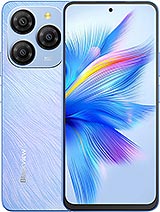
Overview
The Blackview Shark 9 is a budget 5G smartphone featuring a Unisoc T820 chipset for reliable connectivity and a 5000 mAh battery for extended operation, aimed at users needing a durable secondary device or a cost-effective entry into the 5G ecosystem. Released in November 2024, it competes directly with entry-level hardware by focusing on essential durability and storage speed rather than display resolution.
Maintaining a high-end flagship as a daily driver often creates a vulnerability in specialized environments like construction sites, long-distance travel, or outdoor festivals. The Blackview Shark 9 enters the market as a strategic hedge against the depreciation and fragility of $1,000 devices. At this price tier, the focus isn't on beating the latest iPhone, but on providing a functional safety net that doesn't feel like a compromise.
We look at the total cost of ownership for a backup device. It must remain relevant for at least three years. By including 5G technology (SA/NSA) and 256GB of UFS 2.2 storage, this device avoids the immediate obsolescence that plagues most [budget phones](/trend/best-budget-phones-2026/) using slower eMMC storage. The transition to UFS 2.2 is critical; it introduces Write Booster technology, which keeps app launch times snappy even as the storage fills up. This is a pragmatic choice for anyone who needs their phone to work instantly after sitting in a drawer for a week.
Connectivity is the primary duty of a secondary phone. The Blackview Shark 9 handles this with a surprisingly wide array of 5G bands, including n1, n3, n7, n8, n28, and n78. This ensures that whether you are in a dense urban environment or a rural area transitioning away from 4G, the signal remains stable. In our technical assessment of the spec sheet, the inclusion of Wi-Fi 802.11 ac dual-band and NFC makes this a versatile tool for mobile payments and high-speed data offloading.
Call quality remains a priority. The device features stereo speakers, which usually offer better clarity for speakerphone conversations in noisy environments compared to single bottom-firing units. The presence of a 3.5mm headphone jack is a massive win for reliability. Bluetooth fails, batteries die, but a wired connection always works. For a device intended for emergency or backup use, this physical port is an essential feature that flagship manufacturers have wrongly abandoned.
Durability in the Blackview Shark 9 is quantified by more than just marketing fluff. The display features Mohs level 7 protection. For context, the Mohs scale measures mineral hardness. Standard smartphone glass usually scratches at level 6. A level 7 rating suggests resistance to scratches from materials like quartz, which is a common component of sand. This makes the device significantly more resilient for outdoor use or for users who frequently share pocket space between their phone and keys.
At 200 grams, the device has a substantial presence. It isn't a featherweight, but that weight often correlates with structural integrity. The EU Label for Free Fall (Class C) indicates it has survived standardized testing of 138 falls. While we do not recommend intentional drop tests, this classification provides a level of empirical confidence that simple "rugged" labels lack. The side-mounted fingerprint sensor is a practical choice for a device of this size, allowing for quick access without repositioning the hand.
Powering the device is the Unisoc T820 chipset, built on a 6nm process. This is an efficient octa-core processor that balances power consumption with performance. In the budget landscape of late 2024, the T820 is a notable step up from the ubiquitous Helio G99. It supports 4K video recording, a feature often stripped from budget silicon. This means the device can serve as a competent 4K dashcam or a B-roll camera in a pinch.
With 8GB of RAM, multitasking remains fluid for standard applications like Maps, WhatsApp, and Chrome. We don't expect this to be a gaming powerhouse for title-heavy loads, but for the intended use case of navigation, communication, and utility, the overhead is more than sufficient. The 6nm architecture also means the phone generates less heat during extended 5G tethering, which is a common use case for a secondary "burner" or travel phone.
The most obvious compromise in the Blackview Shark 9 is the 720 x 1604 resolution. On a 6.67-inch screen, the pixel density sits at approximately 264 ppi. You will notice the lack of sharpness if you are coming from a Quad HD display. However, there is an economic benefit to this lower resolution: battery life. Pushing fewer pixels allows the GPU to work less, extending the life of the 5000 mAh battery.
The 90Hz refresh rate helps mask the lower resolution by providing smoother animations and scrolling. At 700 nits of brightness, the IPS LCD panel remains legible in most outdoor conditions, though it will struggle under direct midday summer sun. For a second phone, this display is a calculated sacrifice—trading visual perfection for operational longevity.
Hardware-wise, the 50 MP main sensor provides a solid foundation for daylight photography. With PDAF (Phase Detection Auto Focus), the camera should lock onto subjects quickly. The hardware potential here is high for a budget device, especially with the ability to record 4K at 30fps. This is rare in this price bracket and adds significant value for users who need a rugged device for site documentation or basic content creation.
The auxiliary lenses (2MP macro and an auxiliary sensor) are mostly there to fill out the spec sheet. Real-world utility will reside almost entirely with the primary 50MP sensor. The 8 MP selfie camera is basic but sufficient for video calls. Don't expect flagship-level low-light performance; without OIS (Optical Image Stabilization), night shots will require a very steady hand or a tripod to remain clear.
Battery endurance is where the Blackview Shark 9 justifies its existence. The 5000 mAh capacity combined with the 720p screen and efficient 6nm chipset results in a device that can easily cruise through two days of moderate use. The EU Label indicates an endurance of over 49 hours, which is exceptional. If you are using this as a travel hotspot or a dedicated GPS for a long road trip, it is built for the long haul.
The 18W wired charging is the Achilles' heel. In an era where 33W or 67W is becoming common in the mid-range, 18W feels sluggish. Charging a 5000 mAh battery from zero to full will take over two hours. Users should treat this as an "overnight charge" device rather than one you quickly top up before heading out. However, for a secondary phone that stays in a bag or a glovebox, the slow charging is a minor inconvenience compared to its massive standby time.
In the second-hand market, budget phones rarely hold high value, but the Blackview Shark 9 has a different trajectory. Because it includes 5G and 800 battery cycles (as per EU labeling), it remains a viable utility tool long after it stops being a primary phone. The Doke OS 4.0 (based on Android 14) is modern enough to support app compatibility for the next several years. For a small business owner or a parent, this device represents a low-risk investment with a high utility-to-price ratio.
The Economics of the Secondary Phone
Maintaining a high-end flagship as a daily driver often creates a vulnerability in specialized environments like construction sites, long-distance travel, or outdoor festivals. The Blackview Shark 9 enters the market as a strategic hedge against the depreciation and fragility of $1,000 devices. At this price tier, the focus isn't on beating the latest iPhone, but on providing a functional safety net that doesn't feel like a compromise.
We look at the total cost of ownership for a backup device. It must remain relevant for at least three years. By including 5G technology (SA/NSA) and 256GB of UFS 2.2 storage, this device avoids the immediate obsolescence that plagues most [budget phones](/trend/best-budget-phones-2026/) using slower eMMC storage. The transition to UFS 2.2 is critical; it introduces Write Booster technology, which keeps app launch times snappy even as the storage fills up. This is a pragmatic choice for anyone who needs their phone to work instantly after sitting in a drawer for a week.
Staying Connected Under Pressure
Connectivity is the primary duty of a secondary phone. The Blackview Shark 9 handles this with a surprisingly wide array of 5G bands, including n1, n3, n7, n8, n28, and n78. This ensures that whether you are in a dense urban environment or a rural area transitioning away from 4G, the signal remains stable. In our technical assessment of the spec sheet, the inclusion of Wi-Fi 802.11 ac dual-band and NFC makes this a versatile tool for mobile payments and high-speed data offloading.
Call quality remains a priority. The device features stereo speakers, which usually offer better clarity for speakerphone conversations in noisy environments compared to single bottom-firing units. The presence of a 3.5mm headphone jack is a massive win for reliability. Bluetooth fails, batteries die, but a wired connection always works. For a device intended for emergency or backup use, this physical port is an essential feature that flagship manufacturers have wrongly abandoned.
The Build: Not Just Another Plastic Brick
Durability in the Blackview Shark 9 is quantified by more than just marketing fluff. The display features Mohs level 7 protection. For context, the Mohs scale measures mineral hardness. Standard smartphone glass usually scratches at level 6. A level 7 rating suggests resistance to scratches from materials like quartz, which is a common component of sand. This makes the device significantly more resilient for outdoor use or for users who frequently share pocket space between their phone and keys.
At 200 grams, the device has a substantial presence. It isn't a featherweight, but that weight often correlates with structural integrity. The EU Label for Free Fall (Class C) indicates it has survived standardized testing of 138 falls. While we do not recommend intentional drop tests, this classification provides a level of empirical confidence that simple "rugged" labels lack. The side-mounted fingerprint sensor is a practical choice for a device of this size, allowing for quick access without repositioning the hand.
Performance Reality: The Unisoc T820 Workhorse
Powering the device is the Unisoc T820 chipset, built on a 6nm process. This is an efficient octa-core processor that balances power consumption with performance. In the budget landscape of late 2024, the T820 is a notable step up from the ubiquitous Helio G99. It supports 4K video recording, a feature often stripped from budget silicon. This means the device can serve as a competent 4K dashcam or a B-roll camera in a pinch.
With 8GB of RAM, multitasking remains fluid for standard applications like Maps, WhatsApp, and Chrome. We don't expect this to be a gaming powerhouse for title-heavy loads, but for the intended use case of navigation, communication, and utility, the overhead is more than sufficient. The 6nm architecture also means the phone generates less heat during extended 5G tethering, which is a common use case for a secondary "burner" or travel phone.
Pixels and Panels: The Resolution Trade-off
The most obvious compromise in the Blackview Shark 9 is the 720 x 1604 resolution. On a 6.67-inch screen, the pixel density sits at approximately 264 ppi. You will notice the lack of sharpness if you are coming from a Quad HD display. However, there is an economic benefit to this lower resolution: battery life. Pushing fewer pixels allows the GPU to work less, extending the life of the 5000 mAh battery.
The 90Hz refresh rate helps mask the lower resolution by providing smoother animations and scrolling. At 700 nits of brightness, the IPS LCD panel remains legible in most outdoor conditions, though it will struggle under direct midday summer sun. For a second phone, this display is a calculated sacrifice—trading visual perfection for operational longevity.
The 50MP Camera: Potential and Limits
Hardware-wise, the 50 MP main sensor provides a solid foundation for daylight photography. With PDAF (Phase Detection Auto Focus), the camera should lock onto subjects quickly. The hardware potential here is high for a budget device, especially with the ability to record 4K at 30fps. This is rare in this price bracket and adds significant value for users who need a rugged device for site documentation or basic content creation.
The auxiliary lenses (2MP macro and an auxiliary sensor) are mostly there to fill out the spec sheet. Real-world utility will reside almost entirely with the primary 50MP sensor. The 8 MP selfie camera is basic but sufficient for video calls. Don't expect flagship-level low-light performance; without OIS (Optical Image Stabilization), night shots will require a very steady hand or a tripod to remain clear.
Power Management: The 5000 mAh Endurance
Battery endurance is where the Blackview Shark 9 justifies its existence. The 5000 mAh capacity combined with the 720p screen and efficient 6nm chipset results in a device that can easily cruise through two days of moderate use. The EU Label indicates an endurance of over 49 hours, which is exceptional. If you are using this as a travel hotspot or a dedicated GPS for a long road trip, it is built for the long haul.
The 18W wired charging is the Achilles' heel. In an era where 33W or 67W is becoming common in the mid-range, 18W feels sluggish. Charging a 5000 mAh battery from zero to full will take over two hours. Users should treat this as an "overnight charge" device rather than one you quickly top up before heading out. However, for a secondary phone that stays in a bag or a glovebox, the slow charging is a minor inconvenience compared to its massive standby time.
Resale and Long-Term Value
In the second-hand market, budget phones rarely hold high value, but the Blackview Shark 9 has a different trajectory. Because it includes 5G and 800 battery cycles (as per EU labeling), it remains a viable utility tool long after it stops being a primary phone. The Doke OS 4.0 (based on Android 14) is modern enough to support app compatibility for the next several years. For a small business owner or a parent, this device represents a low-risk investment with a high utility-to-price ratio.
Technical Specifications
| LAUNCH | |
|---|---|
| Announced | 2024, October |
| Status | Available. Released 2024, November |
| PLATFORM | |
| OS | Android 14, Doke OS 4.0 |
| Chipset | Unisoc T820 |
| BODY | |
| Dimensions | 164.8 x 75.6 x 8.7 mm (6.49 x 2.98 x 0.34 in) |
| Weight | 200 g (7.05 oz) |
| SIM | Nano-SIM + Nano-SIM |
| DISPLAY | |
| Type | IPS LCD, 90Hz, 700 nits |
| Size | 6.67 inches, 107.2 cm2 (~86.1% screen-to-body ratio) |
| Resolution | 720 x 1604 pixels, 20:9 ratio (~264 ppi density) |
| Protection | Mohs level 7 |
| MEMORY | |
| Card slot | microSDXC (uses shared SIM slot) |
| Internal | 256GB 8GB RAM |
| Info | UFS 2.2 |
| MAIN CAMERA | |
| Triple | 50 MP, (wide), PDAF 2 MP (macro) Auxiliary lens |
| Features | LED flash, HDR, panorama |
| Video | 4K@30fps, 1080p@30fps |
| SELFIE CAMERA | |
| Single | 8 MP, (wide) |
| Video | 1080p@30fps |
| SOUND | |
| Loudspeaker | Yes, with stereo speakers |
| 3.5mm jack | Yes |
| COMMS | |
| WLAN | Wi-Fi 802.11 a/b/g/n/ac, dual-band |
| Bluetooth | 5.0, A2DP, LE |
| Positioning | GPS, GLONASS, GALILEO, BDS |
| NFC | Yes |
| Radio | FM radio |
| USB | USB Type-C 2.0, OTG |
| NETWORK | |
| Technology | GSM / HSPA / LTE / 5G |
| 2G bands | GSM 850 / 900 / 1800 / 1900 |
| 3G bands | HSDPA 850 / 900 / 1900 / 2100 |
| 4G bands | 1, 2, 3, 4, 5, 7, 8, 12, 17, 19, 20, 26, 28, 38, 39, 40, 41, 66 |
| 5G bands | 1, 2, 3, 5, 7, 8, 20, 26, 28, 38, 40, 41, 66, 77, 78 SA/NSA |
| Speed | HSPA, LTE, 5G |
| FEATURES | |
| Sensors | Fingerprint (side-mounted), accelerometer, proximity |
| BATTERY | |
| Type | 5000 mAh |
| Charging | 18W wired |
| MISC | |
| Colors | Starry Rock Black, Azure Wave Blue |
| EU LABEL | |
| Energy | Class B |
| Battery | 49:06h endurance, 800 cycles |
| Free fall | Class C (138 falls) |
| Repairability | Class B |