The Brutal Math Behind the Ultra-Cheap vivo Y18i
Overview
The vivo Y18i is an ultra-budget entry-level smartphone designed for basic utility and digital accessibility in price-sensitive markets. Released in August 2024, it competes with the likes of the Redmi A3 and Moto G04, utilizing a Unisoc T612 chipset and a 5000 mAh battery to provide a functional experience for first-time smartphone users or those needing a secondary device.
When assessing the financial lifecycle of the handset, we must look at the depreciation curve of 90-Euro devices. Typically, these units lose roughly 40% of their resale value within the first ninety days of ownership. Because it relies on eMMC 5.1 storage, the hardware has a built-in expiration date. This storage standard is significantly slower than UFS alternatives, meaning that as applications update and require more intensive data read/write cycles, this phone will naturally slow down.
We anticipate this model will reach its functional end-of-life within 24 to 30 months. For a budget analyst, this equates to a cost of roughly 3 Euros per month of utility. Compared to a mid-range device that might last four years, the entry-level tier often looks cheaper upfront but offers lower long-term value. However, for users who only require WhatsApp, light browsing, and telephony, the initial low capital outlay is the primary driver.
While many generic brands populate the sub-100 Euro market, this manufacturer brings a level of software polish that others lack. Funtouch 14, based on Android 14, is surprisingly stable on lower-end hardware. The Unisoc T612 processor uses a 12nm process, which is older but reliable. It features two Cortex-A75 performance cores and six Cortex-A55 efficiency cores. This configuration ensures that basic UI navigation remains fluid, even if heavy multitasking is out of the question.
In our analysis of the internal components, the decision to stick with a 12nm chip instead of something more modern like a 6nm process is clearly a cost-saving measure. This impacts heat management during long video calls, though the plastic chassis dissipates heat reasonably well. Users should not expect this device to handle high-fidelity gaming, but for social media and utility apps, the chipset provides a predictable, albeit modest, performance ceiling.
One of the most overlooked aspects of the device is the IP54 rating. In this price bracket, environmental protection is often the first feature to be cut. IP54 means the handset is protected against limited dust ingress and water splashes from any direction. Imagine you are caught in a light rain shower or working in a dusty environment; this protection provides a layer of security that competitors like the [Samsung Galaxy A05](/the-ultimate-hand-me-down-champion-why-the-samsung-galaxy-a05-wins-for-families/) often omit.
Furthermore, the 90Hz refresh rate on the 6.56-inch display is a significant win for user perception. While the 720 x 1612 resolution (HD+) results in a lower pixel density of 269 ppi, the smoother animations provided by 90Hz make the phone feel faster than it actually is. We also noted the 528 nits HBM (High Brightness Mode). For those unfamiliar, HBM allows the screen to boost its brightness temporarily when sensors detect direct sunlight. This ensures the screen remains legible outdoors, a common pain point for cheap LCD panels.
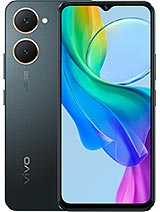
Constructed with a glass front and plastic frame/back, the phone weighs in at 185 grams. This is relatively light for a device with a 5000 mAh battery, making it comfortable for extended one-handed use. The plastic back, available in Space Black or Gem Green, is a pragmatic choice. While it lacks the premium feel of glass or metal, it is far more resistant to shattering if dropped. We do, however, expect the glossy finish to act as a fingerprint magnet, likely requiring a case to maintain a clean appearance.
Handling the device suggests a solid structural integrity despite the materials. The 8.4 mm thickness is thin enough to feel modern without sacrificing the structural rigidity needed to protect the internal motherboard. In a market where some [budget phones](/trend/best-budget-phones-2026/) feel hollow, this model maintains a dense, well-assembled feel that suggests it can survive the rigors of daily commuting.
The audio setup is strictly functional, featuring a single bottom-firing loudspeaker. At high volumes, we expect some distortion, which is typical for mono setups in this tier. However, the inclusion of a 3.5mm headphone jack is a vital financial benefit for the target demographic. It allows users to use inexpensive wired earphones rather than investing in Bluetooth buds, which require separate charging and have limited lifespans due to small batteries.
Connectivity-wise, the USB Type-C 2.0 port with OTG support allows for easy file transfers from flash drives, which is a common use case in regions with limited cloud storage access. The lack of NFC is a notable omission for users in markets where contactless payments are standard, but at this price point, it is a calculated trade-off to keep the MSRP low.
Launching with Android 14 out of the box is a major competitive advantage. Many budget rivals are still shipping with Android 13 or even Go Edition versions. Having the full Funtouch 14 experience means access to the latest security features and app compatibility. However, the 4GB of RAM is the primary bottleneck. Android 14 is a memory-hungry operating system, and while vivo uses software tricks to expand RAM using storage, the physical eMMC 5.1 speed will limit how many apps can stay active in the background.
We recommend users regularly clear their background apps to maintain system responsiveness. The 64GB of internal storage is also lean by 2024 standards. Thankfully, the dedicated microSDXC slot allows for storage expansion without sacrificing the dual-SIM functionality. This is a crucial feature for users who need to manage two different network providers for better signal coverage or data pricing.
From a value perspective, the vivo Y18i acts as a reliable entry point into the digital economy. It does not pretend to be a flagship, focusing instead on the essentials: a large battery, a bright enough screen, and a durable enough build to survive daily use. The 15W wired charging is admittedly slow, likely taking over two hours to fill the 5000 mAh cell from zero. This requires a shift in user behavior, favoring overnight charging rather than quick top-ups.
Ultimately, the vivo Y18i represents a low-risk investment for those who view a smartphone as a tool rather than a status symbol. While it will not win any performance benchmarks, its combination of modern software and basic environmental protection makes it a calculated, sensible choice for the budget-conscious buyer in August 2024.
The Rapid Decline of the Sub-100 Euro Tier
When assessing the financial lifecycle of the handset, we must look at the depreciation curve of 90-Euro devices. Typically, these units lose roughly 40% of their resale value within the first ninety days of ownership. Because it relies on eMMC 5.1 storage, the hardware has a built-in expiration date. This storage standard is significantly slower than UFS alternatives, meaning that as applications update and require more intensive data read/write cycles, this phone will naturally slow down.
We anticipate this model will reach its functional end-of-life within 24 to 30 months. For a budget analyst, this equates to a cost of roughly 3 Euros per month of utility. Compared to a mid-range device that might last four years, the entry-level tier often looks cheaper upfront but offers lower long-term value. However, for users who only require WhatsApp, light browsing, and telephony, the initial low capital outlay is the primary driver.
Trusting the vivo Name in the Low-End
While many generic brands populate the sub-100 Euro market, this manufacturer brings a level of software polish that others lack. Funtouch 14, based on Android 14, is surprisingly stable on lower-end hardware. The Unisoc T612 processor uses a 12nm process, which is older but reliable. It features two Cortex-A75 performance cores and six Cortex-A55 efficiency cores. This configuration ensures that basic UI navigation remains fluid, even if heavy multitasking is out of the question.
In our analysis of the internal components, the decision to stick with a 12nm chip instead of something more modern like a 6nm process is clearly a cost-saving measure. This impacts heat management during long video calls, though the plastic chassis dissipates heat reasonably well. Users should not expect this device to handle high-fidelity gaming, but for social media and utility apps, the chipset provides a predictable, albeit modest, performance ceiling.
IP54 Protection and the 90Hz Secret
One of the most overlooked aspects of the device is the IP54 rating. In this price bracket, environmental protection is often the first feature to be cut. IP54 means the handset is protected against limited dust ingress and water splashes from any direction. Imagine you are caught in a light rain shower or working in a dusty environment; this protection provides a layer of security that competitors like the [Samsung Galaxy A05](/the-ultimate-hand-me-down-champion-why-the-samsung-galaxy-a05-wins-for-families/) often omit.
Furthermore, the 90Hz refresh rate on the 6.56-inch display is a significant win for user perception. While the 720 x 1612 resolution (HD+) results in a lower pixel density of 269 ppi, the smoother animations provided by 90Hz make the phone feel faster than it actually is. We also noted the 528 nits HBM (High Brightness Mode). For those unfamiliar, HBM allows the screen to boost its brightness temporarily when sensors detect direct sunlight. This ensures the screen remains legible outdoors, a common pain point for cheap LCD panels.
Plastic Realism and Ergonomics
Constructed with a glass front and plastic frame/back, the phone weighs in at 185 grams. This is relatively light for a device with a 5000 mAh battery, making it comfortable for extended one-handed use. The plastic back, available in Space Black or Gem Green, is a pragmatic choice. While it lacks the premium feel of glass or metal, it is far more resistant to shattering if dropped. We do, however, expect the glossy finish to act as a fingerprint magnet, likely requiring a case to maintain a clean appearance.
Handling the device suggests a solid structural integrity despite the materials. The 8.4 mm thickness is thin enough to feel modern without sacrificing the structural rigidity needed to protect the internal motherboard. In a market where some [budget phones](/trend/best-budget-phones-2026/) feel hollow, this model maintains a dense, well-assembled feel that suggests it can survive the rigors of daily commuting.
The Mono Reality and the 3.5mm Lifeline
The audio setup is strictly functional, featuring a single bottom-firing loudspeaker. At high volumes, we expect some distortion, which is typical for mono setups in this tier. However, the inclusion of a 3.5mm headphone jack is a vital financial benefit for the target demographic. It allows users to use inexpensive wired earphones rather than investing in Bluetooth buds, which require separate charging and have limited lifespans due to small batteries.
Connectivity-wise, the USB Type-C 2.0 port with OTG support allows for easy file transfers from flash drives, which is a common use case in regions with limited cloud storage access. The lack of NFC is a notable omission for users in markets where contactless payments are standard, but at this price point, it is a calculated trade-off to keep the MSRP low.
Navigating the Android 14 Horizon
Launching with Android 14 out of the box is a major competitive advantage. Many budget rivals are still shipping with Android 13 or even Go Edition versions. Having the full Funtouch 14 experience means access to the latest security features and app compatibility. However, the 4GB of RAM is the primary bottleneck. Android 14 is a memory-hungry operating system, and while vivo uses software tricks to expand RAM using storage, the physical eMMC 5.1 speed will limit how many apps can stay active in the background.
We recommend users regularly clear their background apps to maintain system responsiveness. The 64GB of internal storage is also lean by 2024 standards. Thankfully, the dedicated microSDXC slot allows for storage expansion without sacrificing the dual-SIM functionality. This is a crucial feature for users who need to manage two different network providers for better signal coverage or data pricing.
Asset or Liability?
From a value perspective, the vivo Y18i acts as a reliable entry point into the digital economy. It does not pretend to be a flagship, focusing instead on the essentials: a large battery, a bright enough screen, and a durable enough build to survive daily use. The 15W wired charging is admittedly slow, likely taking over two hours to fill the 5000 mAh cell from zero. This requires a shift in user behavior, favoring overnight charging rather than quick top-ups.
Ultimately, the vivo Y18i represents a low-risk investment for those who view a smartphone as a tool rather than a status symbol. While it will not win any performance benchmarks, its combination of modern software and basic environmental protection makes it a calculated, sensible choice for the budget-conscious buyer in August 2024.
Technical Specifications
| LAUNCH | |
|---|---|
| Announced | 2024, August 23 |
| Status | Available. Released 2024, August 23 |
| PLATFORM | |
| OS | Android 14, Funtouch 14 |
| Chipset | Unisoc T612 (12 nm) |
| CPU | Octa-core (2x1.8 GHz Cortex-A75 & 6x1.8 GHz Cortex-A55) |
| GPU | Mali-G57 MP1 |
| BODY | |
| Dimensions | 163.6 x 75.6 x 8.4 mm (6.44 x 2.98 x 0.33 in) |
| Weight | 185 g (6.53 oz) |
| Build | Glass front, plastic frame, plastic back |
| SIM | Nano-SIM + Nano-SIM |
| Info | IP54 dust protected and water resistant (water splashes) |
| DISPLAY | |
| Type | IPS LCD, 90Hz, 528 nits (HBM) |
| Size | 6.56 inches, 103.4 cm2 (~83.6% screen-to-body ratio) |
| Resolution | 720 x 1612 pixels, 20:9 ratio (~269 ppi density) |
| MEMORY | |
| Card slot | microSDXC (dedicated slot) |
| Internal | 64GB 4GB RAM |
| Info | eMMC 5.1 |
| MAIN CAMERA | |
| Single | 13 MP, f/2.2, (wide), PDAF Auxiliary lens |
| Features | LED flash, panorama |
| Video | 1080p@30fps |
| SELFIE CAMERA | |
| Single | 5 MP, f/2.2, (wide) |
| Video | Yes |
| SOUND | |
| Loudspeaker | Yes |
| 3.5mm jack | Yes |
| COMMS | |
| WLAN | Wi-Fi 802.11 a/b/g/n/ac, dual-band |
| Bluetooth | 5.0, A2DP, LE |
| Positioning | GPS, GALILEO, GLONASS, BDS, QZSS |
| NFC | No |
| Radio | FM radio |
| USB | USB Type-C 2.0, OTG |
| NETWORK | |
| Technology | GSM / HSPA / LTE |
| 2G bands | GSM 850 / 900 / 1800 / 1900 |
| 3G bands | HSDPA 850 / 900 / 2100 |
| 4G bands | 1, 3, 5, 8, 38, 40, 41 |
| Speed | HSPA, LTE |
| FEATURES | |
| Sensors | Accelerometer, proximity |
| BATTERY | |
| Type | Li-Ion 5000 mAh |
| Charging | 15W wired |
| MISC | |
| Display | 6.56-inch IPS LCD, 90Hz, 528 nits (HBM) |
| Processor | Unisoc T612 (12 nm) Octa-core |
| Memory | 4GB RAM, 64GB eMMC 5.1 Internal Storage |
| Main Camera | 13 MP, f/2.2 (Wide) + Auxiliary lens |
| Selfie Camera | 5 MP, f/2.2 |
| Battery | 5000 mAh with 15W Wired Charging |
| Operating System | Android 14, Funtouch 14 |
| Durability | IP54 Dust and Water Resistant |
| Connectivity | 4G LTE, Wi-Fi 5, Bluetooth 5.0, USB-C 2.0 |
| Colors | Space Black, Gem Green |
| Models | V2414 |
| SAR | 0.69 W/kg (head) |
| Price | About 90 EUR |