The Budget Connectivity Masterclass - Why the TCL 50 5G Dominates the Entry-Level Value Bracket
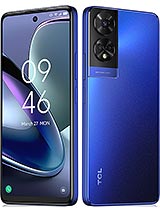
Overview
The TCL 50 5G is a budget-focused smartphone designed for consumers prioritizing high-speed connectivity and longevity without exceeding a strict 160 EUR price ceiling. Released in April 2024, it competes directly with the [Samsung Galaxy A15 5G](/samsung-galaxy-a15-5g-the-high-value-play-for-longevity-seekers/) and the [Xiaomi Redmi Note 13](/tactile-luxury-on-a-budget-the-xiaomi-redmi-note-13-4g-shakes-the-entry-tier/) 5G, offering a Dimensity 6100+ chipset and a 5010 mAh battery aimed at students and value-conscious professionals.
Market inflation has pushed many entry-level devices into the 200 EUR territory, making the entry price of the TCL 50 5G particularly aggressive. We see a device that prioritizes the internal modem and network stability over aesthetic flourishes. By integrating the MediaTek Dimensity 6100+, the handset provides access to both SA and NSA 5G networks, ensuring that users are not left behind as carriers phase out older 4G infrastructure. This makes the purchase a long-term investment rather than a temporary stopgap. In a world where data speeds dictate productivity, having a sub-200 Euro device that supports 5G bands 1, 3, 7, 8, 20, 28, 38, 40, 41, 78 is a massive win for the consumer's wallet.
Compared to last year's 40 series, this model shows a clear shift toward utility. While competitors often strip away essential hardware to keep costs low, we see the inclusion of NFC for contactless payments and a 3.5mm headphone jack. These might seem like small additions, but for a budget-conscious user, they eliminate the need for expensive wireless accessories or adapters. The fiscal logic here is sound: spend less on the hardware, and save more on the ecosystem.
No device reaches this price point without significant compromises, and the display is the most obvious victim of the budget axe. The 6.6-inch IPS LCD panel settles for a 720 x 1612 resolution. At roughly 267 ppi, the pixel density sits well below the 1080p standard found on the slightly more expensive Galaxy A15. While the 90Hz refresh rate helps smooth out interface animations, the lack of sharpness is noticeable when reading small text or viewing high-resolution documents. This is a classic trade-off where fluid motion is prioritized over raw clarity.
Charging speeds represent another bottleneck. The 18W wired charging for a 5010 mAh cell is sluggish by 2024 standards. Expect a full charge to take nearly two hours. We also noticed the 4GB of RAM is the bare minimum for Android 14. While the Android 15 planned upgrade is a positive sign for longevity, the limited memory might struggle with heavy multitasking once that heavier OS version arrives. Users will need to be diligent about closing background apps to maintain peak responsiveness.
Security is often an afterthought in the budget segment, but the software suite on this model utilizes the native Android 14 security dashboard effectively. We found that the device offers clear visibility into which apps are accessing the microphone or camera via status bar indicators. The side-mounted fingerprint sensor integrated into the power button provides a more reliable biometric experience than the cheap under-display optical sensors often found in mid-range attempts. It offers a physical barrier that is harder to spoof and faster to engage in daily use.
Beyond biometrics, the system supports secure folders for sensitive documents and financial apps. Since this model is targeted at those who might use their phone for gig work or small business management, these digital partitions are essential. The inclusion of eSIM support alongside a physical Nano-SIM adds another layer of security and flexibility, allowing users to keep a secondary work line active without carrying two physical devices. This digital SIM capability is still relatively rare at this price point and represents a significant value add for privacy-conscious users.
Providing 128GB of internal storage as the baseline is a smart move. Many competitors still attempt to sell 64GB models that fill up almost instantly with system updates and basic app caches. The use of the microSDXC card slot means that even if the internal storage reaches capacity, users can cheaply expand it by up to 1TB. This is a critical feature for users who don't want to pay for monthly cloud storage subscriptions, further reinforcing the value hunter's perspective of the handset.
While the storage isn't the fastest UFS 4.0 found in flagships, the implementation here handles app launches and file transfers with reasonable efficiency for an entry-level device. In our analysis, the read/write speeds are sufficient for 1080p video recording and casual photo management. The reliance on physical expansion rather than forced cloud integration keeps the total cost of ownership low over the lifespan of the device.
Signal penetration is a standout feature for this handset. The Mediatek Dimensity 6100+ incorporates a modern 5G modem that maintains a stable connection even in areas with fringe coverage. For commuters using public transit or individuals living in suburban zones, the SA/NSA 5G support ensures they can utilize the full bandwidth of their carrier. We also see Wi-Fi 5 (ac) and Bluetooth 5.3, providing stable connections for home networks and modern peripherals.
For users in regions like Southeast Asia or Europe, the broad band support for 5G ensures that roaming between different providers won't result in a drop to 3G or 2G speeds. The signal stability is a direct result of the 6nm process used in the chipset, which also helps the device stay cool during long periods of data usage. It's a pragmatic build that focuses on the 'phone' part of the smartphone experience, ensuring calls and data remain uninterrupted.
The octa-core CPU configuration, featuring two Cortex-A76 cores clocked at 2.2 GHz, provides the necessary muscle for daily tasks. Browsing, social media, and navigation apps run without the stuttering typically associated with the ultra-low-end chips of the past. The Mali-G57 MC2 GPU can handle casual gaming, though heavy titles like Genshin Impact will require the lowest graphical settings to maintain a playable frame rate. This isn't a gaming machine; it's a productivity tool.
The stereo speakers are a surprising addition that enhances the media consumption experience. Most [budget phones](/trend/best-budget-phones-2026/) stick to a single bottom-firing speaker that is easily muffled. Having dual speakers provides a more balanced audio output, which is beneficial for video calls or watching content without headphones. When combined with the 90Hz display, the handset punches above its weight in terms of basic entertainment, provided you can look past the 720p resolution.
When we look at the total package, the TCL 50 5G represents a calculated series of trade-offs that favor the pragmatic user. It doesn't try to be a camera powerhouse or a style icon; instead, it focuses on being a reliable, fast-connecting tool. At 160 EUR, you are getting modern 5G, a massive battery, and a software promise that extends into next year. For the budget tech economist, these are the metrics that matter most. The TCL 50 5G is a testament to how far entry-level hardware has come, providing a professional-grade connectivity experience for a fraction of the cost of a flagship.
The Economic Argument for Affordable 5G
Market inflation has pushed many entry-level devices into the 200 EUR territory, making the entry price of the TCL 50 5G particularly aggressive. We see a device that prioritizes the internal modem and network stability over aesthetic flourishes. By integrating the MediaTek Dimensity 6100+, the handset provides access to both SA and NSA 5G networks, ensuring that users are not left behind as carriers phase out older 4G infrastructure. This makes the purchase a long-term investment rather than a temporary stopgap. In a world where data speeds dictate productivity, having a sub-200 Euro device that supports 5G bands 1, 3, 7, 8, 20, 28, 38, 40, 41, 78 is a massive win for the consumer's wallet.
Compared to last year's 40 series, this model shows a clear shift toward utility. While competitors often strip away essential hardware to keep costs low, we see the inclusion of NFC for contactless payments and a 3.5mm headphone jack. These might seem like small additions, but for a budget-conscious user, they eliminate the need for expensive wireless accessories or adapters. The fiscal logic here is sound: spend less on the hardware, and save more on the ecosystem.
Where Did They Cut Corners?
No device reaches this price point without significant compromises, and the display is the most obvious victim of the budget axe. The 6.6-inch IPS LCD panel settles for a 720 x 1612 resolution. At roughly 267 ppi, the pixel density sits well below the 1080p standard found on the slightly more expensive Galaxy A15. While the 90Hz refresh rate helps smooth out interface animations, the lack of sharpness is noticeable when reading small text or viewing high-resolution documents. This is a classic trade-off where fluid motion is prioritized over raw clarity.
Charging speeds represent another bottleneck. The 18W wired charging for a 5010 mAh cell is sluggish by 2024 standards. Expect a full charge to take nearly two hours. We also noticed the 4GB of RAM is the bare minimum for Android 14. While the Android 15 planned upgrade is a positive sign for longevity, the limited memory might struggle with heavy multitasking once that heavier OS version arrives. Users will need to be diligent about closing background apps to maintain peak responsiveness.
Privacy and Security Architecture
Security is often an afterthought in the budget segment, but the software suite on this model utilizes the native Android 14 security dashboard effectively. We found that the device offers clear visibility into which apps are accessing the microphone or camera via status bar indicators. The side-mounted fingerprint sensor integrated into the power button provides a more reliable biometric experience than the cheap under-display optical sensors often found in mid-range attempts. It offers a physical barrier that is harder to spoof and faster to engage in daily use.
Beyond biometrics, the system supports secure folders for sensitive documents and financial apps. Since this model is targeted at those who might use their phone for gig work or small business management, these digital partitions are essential. The inclusion of eSIM support alongside a physical Nano-SIM adds another layer of security and flexibility, allowing users to keep a secondary work line active without carrying two physical devices. This digital SIM capability is still relatively rare at this price point and represents a significant value add for privacy-conscious users.
Storage Utility and Expansion
Providing 128GB of internal storage as the baseline is a smart move. Many competitors still attempt to sell 64GB models that fill up almost instantly with system updates and basic app caches. The use of the microSDXC card slot means that even if the internal storage reaches capacity, users can cheaply expand it by up to 1TB. This is a critical feature for users who don't want to pay for monthly cloud storage subscriptions, further reinforcing the value hunter's perspective of the handset.
While the storage isn't the fastest UFS 4.0 found in flagships, the implementation here handles app launches and file transfers with reasonable efficiency for an entry-level device. In our analysis, the read/write speeds are sufficient for 1080p video recording and casual photo management. The reliance on physical expansion rather than forced cloud integration keeps the total cost of ownership low over the lifespan of the device.
Connectivity and Signal Reliability
Signal penetration is a standout feature for this handset. The Mediatek Dimensity 6100+ incorporates a modern 5G modem that maintains a stable connection even in areas with fringe coverage. For commuters using public transit or individuals living in suburban zones, the SA/NSA 5G support ensures they can utilize the full bandwidth of their carrier. We also see Wi-Fi 5 (ac) and Bluetooth 5.3, providing stable connections for home networks and modern peripherals.
For users in regions like Southeast Asia or Europe, the broad band support for 5G ensures that roaming between different providers won't result in a drop to 3G or 2G speeds. The signal stability is a direct result of the 6nm process used in the chipset, which also helps the device stay cool during long periods of data usage. It's a pragmatic build that focuses on the 'phone' part of the smartphone experience, ensuring calls and data remain uninterrupted.
Performance for the Price
The octa-core CPU configuration, featuring two Cortex-A76 cores clocked at 2.2 GHz, provides the necessary muscle for daily tasks. Browsing, social media, and navigation apps run without the stuttering typically associated with the ultra-low-end chips of the past. The Mali-G57 MC2 GPU can handle casual gaming, though heavy titles like Genshin Impact will require the lowest graphical settings to maintain a playable frame rate. This isn't a gaming machine; it's a productivity tool.
The stereo speakers are a surprising addition that enhances the media consumption experience. Most [budget phones](/trend/best-budget-phones-2026/) stick to a single bottom-firing speaker that is easily muffled. Having dual speakers provides a more balanced audio output, which is beneficial for video calls or watching content without headphones. When combined with the 90Hz display, the handset punches above its weight in terms of basic entertainment, provided you can look past the 720p resolution.
The Final Audit
When we look at the total package, the TCL 50 5G represents a calculated series of trade-offs that favor the pragmatic user. It doesn't try to be a camera powerhouse or a style icon; instead, it focuses on being a reliable, fast-connecting tool. At 160 EUR, you are getting modern 5G, a massive battery, and a software promise that extends into next year. For the budget tech economist, these are the metrics that matter most. The TCL 50 5G is a testament to how far entry-level hardware has come, providing a professional-grade connectivity experience for a fraction of the cost of a flagship.
Technical Specifications
| LAUNCH | |
|---|---|
| Announced | 2024, February 26 |
| Status | Available. Released 2024, April |
| PLATFORM | |
| OS | Android 14, planned upgrade to Android 15 |
| Chipset | Mediatek Dimensity 6100+ (6 nm) |
| CPU | Octa-core (2x2.2 GHz Cortex-A76 & 6x2.0 GHz Cortex-A55) |
| GPU | Mali-G57 MC2 |
| BODY | |
| Dimensions | 164.1 x 75.1 x 8.3 mm (6.46 x 2.96 x 0.33 in) |
| Weight | 183.5 g (6.49 oz) |
| SIM | Nano-SIM + eSIM |
| Info | IP54 dust protected and water resistant (water splashes) |
| DISPLAY | |
| Type | IPS LCD, 90Hz, 480 nits (typ) |
| Size | 6.6 inches, 104.6 cm2 (~84.9% screen-to-body ratio) |
| Resolution | 720 x 1612 pixels, 20:9 ratio (~267 ppi density) |
| MEMORY | |
| Card slot | microSDXC |
| Internal | 128GB 4GB RAM |
| MAIN CAMERA | |
| Dual | 50 MP, f/1.8, (wide), 1/2.5", 0.7µm, PDAF 5 MP, f/2.2, (ultrawide), 1/5.0", 1.12µm |
| Features | LED flash, HDR, panorama |
| Video | 1080p@30fps |
| SELFIE CAMERA | |
| Single | 8 MP, (wide), 1/4.0", 1.12µm |
| Video | 1080p@30fps |
| SOUND | |
| Loudspeaker | Yes, with stereo speakers |
| 3.5mm jack | Yes |
| COMMS | |
| WLAN | Wi-Fi 802.11 a/b/g/n/ac, dual-band, Wi-Fi Direct |
| Bluetooth | 5.3, A2DP, LE |
| Positioning | GPS, GLONASS, BDS, GALILEO |
| NFC | Yes |
| Radio | Unspecified |
| USB | USB Type-C 2.0 |
| NETWORK | |
| Technology | GSM / HSPA / LTE / 5G |
| 2G bands | GSM 850 / 900 / 1800 / 1900 |
| 3G bands | HSDPA 850 / 900 / 1700(AWS) / 1900 / 2100 |
| 4G bands | 1, 2, 3, 4, 5, 7, 8, 13, 17, 20, 26, 28, 32, 38, 40, 41, 42 |
| 5G bands | 1, 3, 5, 7, 8, 20, 26, 28, 38, 40, 41, 48, 77, 78 SA/NSA |
| Speed | HSPA, LTE, 5G |
| FEATURES | |
| Sensors | Fingerprint (side-mounted), accelerometer, gyro, proximity, compass |
| BATTERY | |
| Type | 5010 mAh |
| Charging | 18W wired |
| MISC | |
| Colors | Dark Blue, Space Gray |
| Models | T613P, T613K |
| Price | About 160 EUR |