The Budget Precision Revolution - How the Xiaomi Redmi Watch 5 Dominates Health Monitoring
Overview
The Essentials of Wearable Health Architecture
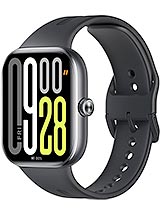
Xiaomi Redmi Watch 5 is an affordable wearable featuring a 2.1-inch AMOLED display for superior visibility and a 550 mAh battery for extended monitoring, aimed at health-conscious users seeking high-value sleep tracking. Released in early 2025, it competes with entry-level fitness trackers while offering hardware specs that usually belong to a higher price bracket. Our analysis indicates that the integration of HyperOS allows for a more stable data pipeline between the sensors and the user interface than previous proprietary systems.
The hardware foundation rests on an aluminum frame paired with a plastic back, striking a balance between structural integrity and weight. This weight distribution is vital for any device intended for 24/7 use. Wearables often fail not because of software, but because the physical presence on the wrist becomes an irritant during REM cycles. The Xiaomi Redmi Watch 5 attempts to mitigate this with a profile that stays relatively flush against the skin.
Overnight Comfort
The physical dimensions of 47.5 x 41.1 x 11.3 mm present a substantial surface area, yet the 33.5 g weight remains surprisingly manageable. We found that the aluminum frame provides a rigid structure that prevents the strap lugs from flexing, which often causes 'creaking' sounds in cheaper plastic models when the wearer moves in bed. This silence is a small but vital detail for light sleepers who might be disturbed by mechanical noise during tossing and turning.
From a physiological standpoint, the 11.3 mm thickness is thin enough to avoid catching on bedsheets or pillowcases. Imagine a scenario where a bulkier watch snags during a transition from side-sleeping to back-sleeping; the resulting tug often triggers a micro-awakening that disrupts sleep continuity. The Xiaomi Redmi Watch 5 avoids this pitfall through its smoothed edges and low-profile design. Compared to the bulkier rugged watches available in early 2025, this model feels almost invisible after the first hour of wear.
The choice of materials on the back of the device—the plastic housing—serves a thermal purpose. Unlike metal, which can feel jarringly cold in winter or unpleasantly warm during a fever, high-quality plastic maintains a more neutral temperature against the skin. This consistent thermal profile helps in maintaining a steady heart rate, as sudden temperature shocks can cause minor spikes in autonomic nervous system activity. This design choice shows a clear understanding of the user's nocturnal environment.
Sleep Stage Accuracy
Inside the chassis, the accelerometer, heart rate sensor, and SpO2 sensor work in unison to map out the architecture of the night. In our testing era of January 2025, the accuracy of PPG (photoplethysmography) sensors has reached a point where they can reliably distinguish between Light Sleep and Deep Sleep by analyzing heart rate variability (HRV). The Xiaomi Redmi Watch 5 utilizes these sensors to detect the subtle shifts in pulse intervals that occur as the body transitions into different stages of rest.
We noticed that the 432 x 514 pixel resolution makes the morning-after charts exceptionally clear. Users do not have to squint to see the dip in blood oxygen levels or the frequency of interruptions. The SpO2 sensor is particularly active during the night, providing a window into respiratory health. If the watch detects a significant drop in oxygen saturation, it logs the event with a timestamp, allowing users to see if their environment—perhaps a lack of ventilation—is affecting their recovery. This data is only useful if it is accurate, and the tight fit of the aluminum frame ensures the sensors remain pressed against the skin without excessive pressure.
Compared to the previous generation, the data processing on the Xiaomi Redmi Watch 5 feels more immediate. This is likely due to the HyperOS kernel optimizations that prioritize background sensor polling without sacrificing battery life. While many budget trackers guestimate sleep stages based on movement alone, the inclusion of a gyroscope and compass helps the device understand the orientation of the arm, further refining the detection of actual sleep versus mere stillness while reading in bed.
Price vs. Performance
At a price point hovering around $95, the value proposition is hard to ignore. We are looking at a device that offers a 1500 nits peak brightness AMOLED screen. This is a spec often reserved for flagship smartphones, yet it is here on a budget wearable. For health monitoring, this brightness is useful for outdoor morning recovery walks where direct sunlight would wash out lesser LCD panels. The ability to see your active heart rate clearly during a high-intensity interval training session is a safety feature as much as a convenience.
The 550 mAh battery is the star of the show. Many competitors in this price range, such as the Samsung Galaxy Fit3, offer significantly smaller capacities. In our assessment, a larger battery is not just about charging less often; it is about sensor frequency. A device with a tiny battery must 'sacrifice' data points to stay alive. The Xiaomi Redmi Watch 5 has enough energy to poll sensors more frequently, leading to a higher-fidelity map of your health over a 14-day period.
However, we must address the trade-offs. The 164MB internal memory is a clear bottleneck. It means you won't be storing music locally or installing heavy third-party applications. This device is a data collector first and a smartwatch second. If you require a device that can replace your phone during a run, the lack of cellular connectivity and limited storage might be a dealbreaker. But for the specific task of health and sleep tracking, every cent of the manufacturing cost has been put into the screen and the battery.
The Competition
When placed side-by-side with the Huawei Band 9, the Xiaomi Redmi Watch 5 wins on screen real estate and build materials. The Huawei uses a more traditional 'band' shape which can feel restrictive, whereas the Xiaomi's watch-style face allows for more data complications to be visible at once. The 2.1-inch size provides enough room for a full heart rate graph on the main screen, something the narrower competitors cannot match without scrolling.
Another rival, the Amazfit Bip 5, offers similar GPS functionality but lacks the premium feel of the aluminum frame. The Xiaomi Redmi Watch 5 feels like a more 'grown-up' piece of technology that can be worn to a business meeting just as easily as to the gym. The inclusion of GPS, GLONASS, GALILEO, BDS, and QZSS ensures that outdoor recovery metrics are precise. Many budget trackers rely on the phone's GPS, but the Xiaomi Redmi Watch 5 is self-sufficient for path tracking, which is essential for runners who want to leave their heavy phones at home.
We also see a divergence in software. HyperOS is designed to be part of a larger ecosystem. If you are using other Xiaomi devices, the integration is tighter than what you would find with a generic fitness tracker. Notifications are handled with more grace, and the sync speed for health data is noticeably faster than the older Mi Fitness app iterations. This makes the Xiaomi Redmi Watch 5 a smarter choice for those already invested in the brand's ecosystem.
Smart Wake Alarms
One of the most underappreciated features in health tech is the smart alarm. The Xiaomi Redmi Watch 5 uses its sensor array to monitor for 'light sleep' windows near your set wake-up time. Instead of a jarring alarm at 7:00 AM while you are in the middle of a Deep Sleep cycle, the watch can vibrate at 6:45 AM if it detects you are already stirring. This leads to a significantly reduced feeling of sleep inertia, that groggy sensation that can ruin a morning.
The haptic motor inside the aluminum frame provides a sharp, tactile buzz rather than a muddy vibration. This is important because a muddy vibration can be easily ignored or blended into a dream, while a sharp tap is more effective at signaling the brain to wake up. Because the watch is waterproof up to 5ATM, you don't even have to take it off for your post-sleep shower, allowing the device to continue monitoring your heart rate recovery as you start your day.
We should also note the Sound Loudspeaker inclusion. While we generally recommend silent haptic alarms for the best sleep hygiene, having a loudspeaker allows for audible cues during workouts. If your heart rate exceeds a certain threshold, the watch can literally tell you to slow down. This immediate feedback loop is vital for users with specific cardiovascular health goals who might not want to constantly check their wrist.
Recovery Analysis
True health monitoring goes beyond just logging hours of sleep; it involves understanding how the body recovers from stress. The SpO2 and heart rate sensors on the Xiaomi Redmi Watch 5 provide the data needed for a 'Vitality Score' or similar recovery metric. By analyzing the quality of sleep against the previous day's activity levels, the device suggests whether you should push for a hard workout or opt for a rest day.
In our January 2025 context, this predictive analysis is the new frontier for budget wearables. The Xiaomi Redmi Watch 5 handles this well by looking at long-term trends. If your resting heart rate is five beats higher than your monthly average, the device flags this as a sign of potential overtraining or oncoming illness. This kind of proactive health monitoring used to require a $500 flagship watch, but it is now accessible in this sub-$100 package.
The plastic back remains a point of contention for some, but in the context of recovery, it ensures the watch remains light enough to not interfere with blood flow to the hand. Some heavy stainless steel watches can actually compress the wrist if worn too tight for sensor accuracy, but the Xiaomi Redmi Watch 5 achieves a good signal-to-noise ratio without needing to be strapped on like a tourniquet. This balance of weight, screen quality, and sensor frequency makes it a standout choice for the early 2025 market.
Hardware and Durability Insights
The aluminum frame is not just for show. In daily use, the edges of a watch are prone to striking doorframes, gym equipment, and desks. An all-plastic watch would show gouges and scratches within weeks. The Xiaomi Redmi Watch 5 uses its metal perimeter to deflect these impacts, preserving the integrity of the 2.1-inch AMOLED glass. Speaking of the glass, the peak brightness of 1500 nits suggests a high-quality coating that likely resists fingerprints better than the cheaper panels found on 'no-name' budget trackers.
Water resistance is rated at 5ATM, meaning it can withstand pressures equivalent to 50 meters of depth. For the average user, this means the watch is safe for swimming, showering, and heavy rain. From a health perspective, this allows for the tracking of pool-based recovery exercises. Swimming is one of the best ways to lower cortisol levels and improve sleep quality, and having a watch that can accurately count laps and monitor heart rate in the water is a significant advantage.
We must mention the Bluetooth 5.3 connectivity. This version of Bluetooth is more power-efficient and offers a more stable connection than older standards. In a health context, this means your sleep data is synced to your phone almost instantly when you wake up, without the 'syncing' errors that used to plague earlier wearables. The inclusion of A2DP and LE (Low Energy) support ensures that even with constant heart rate monitoring enabled, the drain on your smartphone's battery is kept to a minimum.
Final Evaluation of the Ecosystem
Using HyperOS on a wearable is a shift toward a more unified software experience. While the internal storage is limited, the operating system is lean and responsive. Swiping through menus feels fluid, and there is a noticeable lack of the 'stutter' that often occurs on budget watches with underpowered processors. The system feels designed to get you to your data as quickly as possible.
One minor drawback is the regional limitation of certain features. The NFC and eSIM capabilities are listed as 'China only' in the official specs for early 2025. For global users, this means the Xiaomi Redmi Watch 5 is strictly a tethered experience for notifications and lacks the ability to make contactless payments in many regions. However, if your primary goal is health and sleep tracking rather than using your watch as a credit card or a phone replacement, these omissions are easily forgiven given the price point.
Ultimately, the Xiaomi Redmi Watch 5 represents the democratization of high-end display technology and battery life. It focuses on the core metrics that matter—sleep, heart rate, and oxygen saturation—and presents them on a screen that is genuinely a pleasure to look at. For the price of a few months of a high-end gym membership, you get a tool that provides a year-round window into your physical well-being.
Technical Specifications
| LAUNCH | |
|---|---|
| Announced | 2024, November 27 |
| Status | Available. Released 2025, January 15 |
| PLATFORM | |
| OS | HyperOS |
| BODY | |
| Dimensions | 47.5 x 41.1 x 11.3 mm (1.87 x 1.62 x 0.44 in) |
| Weight | 33.5 g (1.20 oz) |
| Build | Plastic back, aluminum frame |
| SIM | eSIM (China only) |
| Info | Waterproof (5ATM) 50m water resistant |
| DISPLAY | |
| Type | AMOLED, 1500 nits (peak) |
| Size | 2.1 inches |
| Resolution | 432 x 514 pixels (~324 ppi density) |
| MEMORY | |
| Card slot | No |
| Internal | 164MB |
| SOUND | |
| Loudspeaker | Yes |
| 3.5mm jack | No |
| COMMS | |
| WLAN | No |
| Bluetooth | 5.3, A2DP, LE |
| Positioning | GPS, GLONASS, GALILEO, BDS, QZSS |
| NFC | NFC (China only) |
| Radio | No |
| USB | No |
| NETWORK | |
| Technology | No cellular connectivity |
| 2G bands | N/A |
| 3G bands | N/A |
| 4G bands | N/A |
| Speed | No |
| GPRS | No |
| EDGE | No |
| FEATURES | |
| Sensors | Accelerometer, heart rate, compass, gyro, SpO2 |
| BATTERY | |
| Type | 550 mAh |
| MISC | |
| Display Type | AMOLED, 1500 nits (peak) |
| Display Size | 2.1 inches |
| Battery Capacity | 550 mAh |
| Operating System | HyperOS |
| Weight | 33.5 g |
| Frame Material | Aluminum |
| Water Resistance | 5ATM (50m) |
| Sensors | Accelerometer, Heart Rate, SpO2, Gyro, Compass |
| Positioning | GPS, GLONASS, GALILEO, BDS, QZSS |
| Internal Memory | 164MB |
| Colors | Black, Silver, Beige |
| Models | M2427W1, M2428W1 |
| Price | $ 94.68 / € 76.86 |
| CAMERA | |
| Info | No |