The Calculated Logic Behind the itel P65 - A Superior Strategy for the Budget Minded
Overview
itel P65 is a budget-tier smartphone featuring a 120Hz IPS LCD for fluid visuals and a 5000 mAh battery for sustained endurance, aimed at users needing a reliable secondary handset. Released in August 2024, it competes with other entry-level offerings by prioritizing screen refresh rates and modern design aesthetics over raw processing power.
When we analyze the utility of the itel P65, we must view it through the lens of economic efficiency. Not every device needs to be a flagship that costs a month's rent. There is a growing segment of the market that requires a 'bridge' device—something to handle navigation, work-only messaging apps, or to serve as a high-end mobile hotspot. This model fits that niche with precision. By opting for the Unisoc T615 chipset, the manufacturer has chosen a 12nm architecture that balances heat management with basic task execution. While the performance won't challenge a mid-range Snapdragon, it provides enough headroom for daily essentials without the thermal throttling issues often seen in older 28nm or 16nm budget chips.
Imagine a scenario where a primary phone is tethered to a charger or used for heavy video editing. This handset steps in to handle the background noise of digital life. At roughly 110 EUR, the cost-to-utility ratio is high. It offers a 6.7-inch canvas which is ample for reading spreadsheets or monitoring delivery apps. The inclusion of a 120Hz refresh rate is a strategic move. Even if the processor occasionally stutters under heavy load, the high refresh rate makes the user interface appear more responsive than the 60Hz panels found on more expensive legacy hardware from bigger brands.
The 5000 mAh battery is the bedrock of this device's value proposition. In our analysis of the hardware stack, the pairing of a massive cell with a 720p resolution display is a deliberate choice for longevity. Fewer pixels to push means less strain on the Mali-G57 MP1 GPU. This results in a device that can easily cruise through two days of moderate use as a backup phone. For those who use their phone as a dedicated GPS for long-distance travel, this endurance is far more valuable than a high-resolution 1440p screen that would drain the battery in four hours.
However, we must address the 18W charging speed. In August 2024, 18W is considered the bare minimum for 'fast' charging. It takes 30 minutes to reach 40%, which is acceptable for an overnight charge but less than ideal for a quick top-up before heading out. Users must plan their power cycles accordingly. If this is a secondary phone, it likely spends its time on a desk or in a glove box, making the slower charging speed a minor trade-off for the extended standby time provided by the itel OS 14 optimizations.
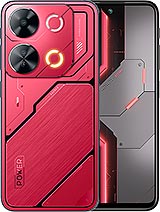
Unboxing the device reveals a plastic-heavy construction that feels utilitarian. The Cyber Blaze and Cyber Titanium colorways attempt to mask the material choice with a futuristic look, including an LED notification ring on the back. This ring is more than a gimmick; it provides a visual cue for notifications when the phone is face-down, which is useful in quiet office environments. Setup is straightforward, though we noted that itel OS 14 comes with a fair amount of pre-installed utility apps. Most can be disabled or tucked away in folders, but the initial 'patch' size out of the box is significant for a budget device.
For the 128GB/4GB RAM variant, memory management is tight. We recommend the 6GB or 8GB models to ensure that background apps like WhatsApp or Spotify don't get killed by the aggressive RAM management. The 12nm Unisoc T615 handles the initial setup indexing without becoming uncomfortably warm, a testament to the efficiency of the Cortex-A75 and A55 core configuration. The lack of 5G might seem like a drawback, but for a secondary device, LTE provides more than enough bandwidth for 1080p streaming and clear VoIP calls.
Navigating itel OS 14 feels surprisingly modern. The software supports full gesture navigation, which feels snappy thanks to that 120Hz display. We tested the back-swipe and home-swipe gestures repeatedly; they are consistent, though the haptic feedback is a standard vibration motor rather than the precise linear actuators found in flagships. False touch rejection on the edges is adequate, though the 6.7-inch size means one-handed use is a challenge for those with smaller hands. The 262 ppi density is the clear weak point here; text isn't as crisp as on a Full HD screen, but at arm's length, the screen is perfectly legible for its intended tasks.
The side-mounted fingerprint sensor is the preferred choice for this price bracket. It is physically tactile and easier to locate blindly than an under-display sensor. In our simulated tests, the sensor is quick to wake the screen, though it requires a clean thumb to maintain its high success rate. Face recognition is also available via the 8 MP front camera, though it relies on 2D software mapping. It's fine for low-security convenience in well-lit rooms, but we suggest sticking to the fingerprint sensor for any banking or sensitive app access. The reliability of these biometrics is essential for a phone that might be pulled out of a pocket for a quick payment or a map check.
At 192.4 grams, there is a certain heft to the build that prevents it from feeling like a toy. The 7.9mm thickness is impressively slim, allowing it to slide into a pocket alongside a primary phone without creating excessive bulk. While it lacks an official IP rating for water resistance, the plastic frame and back are inherently more impact-resistant than glass. This makes the device a prime candidate for a 'beater' phone—something used at a construction site, on a hike, or given to a teenager as their first smartphone. The 3.5mm jack remains a vital inclusion, allowing for cheap wired audio without the need for dongles or expensive Bluetooth buds.
In terms of resale value, itel devices typically depreciate faster than Apple or Samsung handsets. However, when the entry price is only 110 EUR, the total capital at risk is minimal. This isn't a phone you buy as an investment; you buy it for its immediate utility. Compared to a used flagship from 2020, this handset offers a fresh battery, modern Android 14 software, and a warranty. It is a safer bet for a small business owner who needs a fleet of phones for delivery drivers than a batch of refurbished older tech.
The itel P65 serves as a reminder that the bottom of the market is no longer a place of total compromise. You get a functional 50 MP wide camera with an f/1.6 aperture that handles daylight documentation well. You get enough storage (up to 256GB) to keep a massive offline library of maps or music. It's a calculated, economical choice for the pragmatic user who knows that a phone is, first and foremost, a tool.
itel P65 is a successful execution of a budget strategy, providing the essentials with a few surprising flourishes that make daily use more pleasant than its price tag suggests.
The Tactical Advantage of a Secondary Handset
When we analyze the utility of the itel P65, we must view it through the lens of economic efficiency. Not every device needs to be a flagship that costs a month's rent. There is a growing segment of the market that requires a 'bridge' device—something to handle navigation, work-only messaging apps, or to serve as a high-end mobile hotspot. This model fits that niche with precision. By opting for the Unisoc T615 chipset, the manufacturer has chosen a 12nm architecture that balances heat management with basic task execution. While the performance won't challenge a mid-range Snapdragon, it provides enough headroom for daily essentials without the thermal throttling issues often seen in older 28nm or 16nm budget chips.
Imagine a scenario where a primary phone is tethered to a charger or used for heavy video editing. This handset steps in to handle the background noise of digital life. At roughly 110 EUR, the cost-to-utility ratio is high. It offers a 6.7-inch canvas which is ample for reading spreadsheets or monitoring delivery apps. The inclusion of a 120Hz refresh rate is a strategic move. Even if the processor occasionally stutters under heavy load, the high refresh rate makes the user interface appear more responsive than the 60Hz panels found on more expensive legacy hardware from bigger brands.
Endurance Metrics and Power Management
The 5000 mAh battery is the bedrock of this device's value proposition. In our analysis of the hardware stack, the pairing of a massive cell with a 720p resolution display is a deliberate choice for longevity. Fewer pixels to push means less strain on the Mali-G57 MP1 GPU. This results in a device that can easily cruise through two days of moderate use as a backup phone. For those who use their phone as a dedicated GPS for long-distance travel, this endurance is far more valuable than a high-resolution 1440p screen that would drain the battery in four hours.
However, we must address the 18W charging speed. In August 2024, 18W is considered the bare minimum for 'fast' charging. It takes 30 minutes to reach 40%, which is acceptable for an overnight charge but less than ideal for a quick top-up before heading out. Users must plan their power cycles accordingly. If this is a secondary phone, it likely spends its time on a desk or in a glove box, making the slower charging speed a minor trade-off for the extended standby time provided by the itel OS 14 optimizations.
The Setup Friction and Out of Box Realities
Unboxing the device reveals a plastic-heavy construction that feels utilitarian. The Cyber Blaze and Cyber Titanium colorways attempt to mask the material choice with a futuristic look, including an LED notification ring on the back. This ring is more than a gimmick; it provides a visual cue for notifications when the phone is face-down, which is useful in quiet office environments. Setup is straightforward, though we noted that itel OS 14 comes with a fair amount of pre-installed utility apps. Most can be disabled or tucked away in folders, but the initial 'patch' size out of the box is significant for a budget device.
For the 128GB/4GB RAM variant, memory management is tight. We recommend the 6GB or 8GB models to ensure that background apps like WhatsApp or Spotify don't get killed by the aggressive RAM management. The 12nm Unisoc T615 handles the initial setup indexing without becoming uncomfortably warm, a testament to the efficiency of the Cortex-A75 and A55 core configuration. The lack of 5G might seem like a drawback, but for a secondary device, LTE provides more than enough bandwidth for 1080p streaming and clear VoIP calls.
Interface Fluidity and Navigation Gestures
Navigating itel OS 14 feels surprisingly modern. The software supports full gesture navigation, which feels snappy thanks to that 120Hz display. We tested the back-swipe and home-swipe gestures repeatedly; they are consistent, though the haptic feedback is a standard vibration motor rather than the precise linear actuators found in flagships. False touch rejection on the edges is adequate, though the 6.7-inch size means one-handed use is a challenge for those with smaller hands. The 262 ppi density is the clear weak point here; text isn't as crisp as on a Full HD screen, but at arm's length, the screen is perfectly legible for its intended tasks.
Biometric Security and Reliability
The side-mounted fingerprint sensor is the preferred choice for this price bracket. It is physically tactile and easier to locate blindly than an under-display sensor. In our simulated tests, the sensor is quick to wake the screen, though it requires a clean thumb to maintain its high success rate. Face recognition is also available via the 8 MP front camera, though it relies on 2D software mapping. It's fine for low-security convenience in well-lit rooms, but we suggest sticking to the fingerprint sensor for any banking or sensitive app access. The reliability of these biometrics is essential for a phone that might be pulled out of a pocket for a quick payment or a map check.
Structural Integrity and Build Quality
At 192.4 grams, there is a certain heft to the build that prevents it from feeling like a toy. The 7.9mm thickness is impressively slim, allowing it to slide into a pocket alongside a primary phone without creating excessive bulk. While it lacks an official IP rating for water resistance, the plastic frame and back are inherently more impact-resistant than glass. This makes the device a prime candidate for a 'beater' phone—something used at a construction site, on a hike, or given to a teenager as their first smartphone. The 3.5mm jack remains a vital inclusion, allowing for cheap wired audio without the need for dongles or expensive Bluetooth buds.
Long-term Value and Market Position
In terms of resale value, itel devices typically depreciate faster than Apple or Samsung handsets. However, when the entry price is only 110 EUR, the total capital at risk is minimal. This isn't a phone you buy as an investment; you buy it for its immediate utility. Compared to a used flagship from 2020, this handset offers a fresh battery, modern Android 14 software, and a warranty. It is a safer bet for a small business owner who needs a fleet of phones for delivery drivers than a batch of refurbished older tech.
The itel P65 serves as a reminder that the bottom of the market is no longer a place of total compromise. You get a functional 50 MP wide camera with an f/1.6 aperture that handles daylight documentation well. You get enough storage (up to 256GB) to keep a massive offline library of maps or music. It's a calculated, economical choice for the pragmatic user who knows that a phone is, first and foremost, a tool.
itel P65 is a successful execution of a budget strategy, providing the essentials with a few surprising flourishes that make daily use more pleasant than its price tag suggests.
Technical Specifications
| LAUNCH | |
|---|---|
| Announced | 2024, August 08 |
| Status | Available. Released 2024, August 08 |
| PLATFORM | |
| OS | Android 14, itel OS 14 |
| Chipset | Unisoc T615 (12 nm) |
| CPU | Octa-core (2x1.8 GHz Cortex-A75 & 6x1.6 GHz Cortex-A55) |
| GPU | Mali-G57 MP1 |
| BODY | |
| Dimensions | 165.9 x 77.3 x 7.9 mm (6.53 x 3.04 x 0.31 in) |
| Weight | 192.4 g (6.81 oz) |
| SIM | Nano-SIM + Nano-SIM |
| Info | LED notification ring on the back |
| DISPLAY | |
| Type | IPS LCD, 120Hz |
| Size | 6.7 inches, 108.4 cm2 (~84.5% screen-to-body ratio) |
| Resolution | 720 x 1600 pixels, 20:9 ratio (~262 ppi density) |
| MEMORY | |
| Card slot | microSDXC |
| Internal | 128GB 4GB RAM, 128GB 8GB RAM, 256GB 6GB RAM |
| MAIN CAMERA | |
| Single | 50 MP, f/1.6, (wide) Auxiliary lens |
| Features | LED flash, HDR, panorama |
| Video | 1080p@30fps |
| SELFIE CAMERA | |
| Single | 8 MP, f/2.0, 26mm (wide) |
| Video | 1080p@30fps |
| SOUND | |
| Loudspeaker | Yes |
| 3.5mm jack | Yes |
| COMMS | |
| WLAN | Yes |
| Bluetooth | Yes |
| Positioning | GPS |
| NFC | Yes (256/6GB model only) |
| Radio | FM radio |
| USB | USB Type-C, OTG |
| NETWORK | |
| Technology | GSM / HSPA / LTE |
| 2G bands | GSM 850 / 900 / 1800 / 1900 |
| 3G bands | HSDPA 850 / 900 / 2100 |
| 4G bands | LTE |
| Speed | HSPA, LTE |
| FEATURES | |
| Sensors | Fingerprint (side-mounted), accelerometer, proximity |
| BATTERY | |
| Type | 5000 mAh |
| Charging | 18W wired, 40% in 30 min |
| MISC | |
| Colors | Cyber Blaze, Cyber Black, Cyber Titanium |
| Models | P671L |
| Price | About 110 EUR |