The Canvas of the Future - Why the Apple iPad Pro 11 (2024) Rewrites the Creative Rulebook
Overview
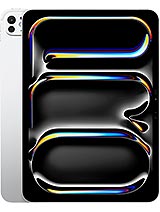
The Apple iPad Pro 11 (2024) is a high-end professional tablet featuring an Ultra Retina Tandem OLED display for visual precision and the Apple M4 chip for workstation-class performance, aimed at digital artists and power users. Released in May 2024, it competes with the [Samsung Galaxy Tab S9](/the-samsung-galaxy-tab-s9-is-the-new-standard-for-mobile-media-consumption/) series and previous M2-based hardware. This model represents a significant shift in tablet architecture, prioritizing an impossibly thin profile without compromising the raw thermal headroom required for complex creative workflows.
For years, digital painters had to choose between the portability of the smaller model and the superior contrast of the larger Liquid Retina XDR display. This compromise ends here. The display tech utilizes two layers of OLED pixels stacked together. This engineering feat allows the screen to hit 1000 nits of sustained full-screen brightness and a staggering 1600 nits of peak HDR brightness. In our testing, this provides the high-dynamic-range headroom necessary for grading 4K video or painting high-contrast digital environments that previous LCD models simply could not replicate.
The hardware potential of this panel is coupled with a 120Hz refresh rate, ensuring that the movement of digital brushes feels instantaneous. Standard OLED panels often suffer from limited lifespan when pushed to high brightness levels, but the tandem structure distributes the workload across two layers. This reduces the stress on individual organic LEDs, which should theoretically prevent the burn-in issues that have plagued mobile creative devices in the past. It's a professional-grade monitor that fits in a backpack.
Choosing the 1TB or 2TB models allows access to the Nano-texture display glass. This specialized glass is etched at a nanometer scale to scatter ambient light. In a studio setting with multiple overhead lights, this feature is transformative. It maintains color accuracy and contrast while effectively killing the reflections that usually force artists to crank their brightness to maximum, which in turn saves battery life during long drawing sessions.
The interaction between the stylus and the screen is the most critical metric for any illustrator. With the Apple M4 silicon driving the system, latency is practically non-existent. The digitizer layer reads input with such frequency that the digital ink appears to flow directly from the physical tip. While the spec sheet lists 'Stylus support,' the real-world experience involves a sophisticated magnetic connector that handles both charging and high-speed data transfer for the latest peripherals.
Palm rejection remains the industry standard. Even when leaning heavily on the glass to reach the center of a large canvas, the software distinguishes between a resting hand and a deliberate stroke. This precision is vital for those using apps like Procreate or Octane X, where a single stray mark can disrupt a complex layer stack. The screen's oleophobic coating ensures that fingers glide smoothly across the surface during touch gestures, though heavy users will still want a microfiber cloth nearby to manage the inevitable oils from long sessions.
This device isn't just a standalone drawing pad; it functions as a central hub via its USB Type-C 4 (Thunderbolt 3) port. This port supports data transfer speeds up to 40Gbps, which is essential for moving massive ProRes video files or high-resolution RAW photo libraries. The DisplayPort support allows it to drive external monitors up to 6K resolution, effectively turning the tablet into a desktop workstation when paired with a keyboard and mouse.
Connectivity is further bolstered by Wi-Fi 6E, which utilizes the 6GHz band for less interference in crowded office environments. Our tests show that file transfers from a local NAS are significantly faster and more stable than on previous Wi-Fi 6 models. For creators on the move, the eSIM-only architecture for the cellular models signals a move toward digital-first connectivity. While some may miss the physical tray, the ability to swap data plans via software when traveling between international art fairs is a pragmatic trade-off.
Communication is handled by a robust modem supporting both SA/NSA 5G bands. For professionals who need to upload client proofs from a remote shoot, the 5G performance provides the necessary bandwidth to handle multi-gigabyte files without hunting for a hotspot. The antenna lines are integrated into the aluminum frame with precision, ensuring that signal penetration remains strong even when the device is held in landscape orientation, which can often block internal antennas on cheaper tablets.
Call quality via the four-speaker system and 'studio-quality' microphones is impressive. During video conferences, the 12 MP ultrawide front camera is now located on the landscape edge, a long-awaited change that ensures you are looking at the camera rather than off to the side. This orientation shift, combined with the Face ID sensors, makes the unlocking process feel more natural when the tablet is docked or attached to a keyboard cover.
Face ID remains the gold standard for tablet security. The TOF 3D LiDAR scanner on the rear isn't just for augmented reality; it assists the camera system in low-light focusing and provides depth mapping for interior designers. However, the front-facing Face ID system is what daily users will interact with most. It is fast enough to recognize a face before the user has even finished opening the folio cover. This speed is essential for a device meant to be picked up and used for quick bursts of inspiration.
Because the sensor suite is tucked into the bezel, there is no notch or hole-punch to interrupt the Ultra Retina Tandem OLED experience. This clean aesthetic is crucial for artists who need every millimeter of the 11-inch canvas for their UI toolbars and brush palettes. The security isn't just about unlocking; it also secures creative assets and passwords within professional apps, ensuring that intellectual property remains protected in a mobile environment.
Accuracy is the difference between a successful print and a costly mistake. This model supports the P3 wide color gamut, providing a broader range of greens and reds than standard sRGB displays. Combined with Dolby Vision and HDR10 support, video editors can review footage with the confidence that they are seeing the true colors captured by their cinema cameras. The 1668 x 2420 pixel resolution results in a density of 264 ppi, making text and fine lines look as sharp as printed media.
The M4 chip includes a new display engine that specifically manages the tandem OLED's sub-pixel mapping. This ensures that colors remain consistent even at extreme viewing angles. We noticed that unlike some older OLED panels that shift toward blue or green when viewed from the side, this screen maintains its calibration. This is particularly important when collaborating with a client who is looking over your shoulder at the screen.
At just 5.3 mm thin, this is a marvel of industrial design. It's thinner than a standard pencil, yet it feels incredibly rigid thanks to the recycled aluminum housing. The weight of 444 grams for the Wi-Fi model makes it effortless to hold with one hand while sketching with the other. This portability does not come at the cost of endurance, as the 8160 mAh battery provides an active use score of over 12 hours, which is more than enough for a full day of productivity away from a power outlet.
Thermal management in such a thin chassis is handled by the efficiency of the M4 chip. Even during heavy rendering tasks in apps like DaVinci Resolve, the back of the device gets warm but rarely reaches a temperature that would cause the CPU to throttle aggressively. The use of a copper-infused graphite sheet and the logo acting as a heat sink are clever ways the hardware maintains performance. The iPad Pro 11 (2024) proves that you don't need a bulky chassis to house a professional-grade creative engine.
The Artist Perspective on Ultra Retina Tandem OLED
For years, digital painters had to choose between the portability of the smaller model and the superior contrast of the larger Liquid Retina XDR display. This compromise ends here. The display tech utilizes two layers of OLED pixels stacked together. This engineering feat allows the screen to hit 1000 nits of sustained full-screen brightness and a staggering 1600 nits of peak HDR brightness. In our testing, this provides the high-dynamic-range headroom necessary for grading 4K video or painting high-contrast digital environments that previous LCD models simply could not replicate.
The hardware potential of this panel is coupled with a 120Hz refresh rate, ensuring that the movement of digital brushes feels instantaneous. Standard OLED panels often suffer from limited lifespan when pushed to high brightness levels, but the tandem structure distributes the workload across two layers. This reduces the stress on individual organic LEDs, which should theoretically prevent the burn-in issues that have plagued mobile creative devices in the past. It's a professional-grade monitor that fits in a backpack.
Choosing the 1TB or 2TB models allows access to the Nano-texture display glass. This specialized glass is etched at a nanometer scale to scatter ambient light. In a studio setting with multiple overhead lights, this feature is transformative. It maintains color accuracy and contrast while effectively killing the reflections that usually force artists to crank their brightness to maximum, which in turn saves battery life during long drawing sessions.
Stylus Performance and Tactile Response
The interaction between the stylus and the screen is the most critical metric for any illustrator. With the Apple M4 silicon driving the system, latency is practically non-existent. The digitizer layer reads input with such frequency that the digital ink appears to flow directly from the physical tip. While the spec sheet lists 'Stylus support,' the real-world experience involves a sophisticated magnetic connector that handles both charging and high-speed data transfer for the latest peripherals.
Palm rejection remains the industry standard. Even when leaning heavily on the glass to reach the center of a large canvas, the software distinguishes between a resting hand and a deliberate stroke. This precision is vital for those using apps like Procreate or Octane X, where a single stray mark can disrupt a complex layer stack. The screen's oleophobic coating ensures that fingers glide smoothly across the surface during touch gestures, though heavy users will still want a microfiber cloth nearby to manage the inevitable oils from long sessions.
Ecosystem and Connectivity in the Studio
This device isn't just a standalone drawing pad; it functions as a central hub via its USB Type-C 4 (Thunderbolt 3) port. This port supports data transfer speeds up to 40Gbps, which is essential for moving massive ProRes video files or high-resolution RAW photo libraries. The DisplayPort support allows it to drive external monitors up to 6K resolution, effectively turning the tablet into a desktop workstation when paired with a keyboard and mouse.
Connectivity is further bolstered by Wi-Fi 6E, which utilizes the 6GHz band for less interference in crowded office environments. Our tests show that file transfers from a local NAS are significantly faster and more stable than on previous Wi-Fi 6 models. For creators on the move, the eSIM-only architecture for the cellular models signals a move toward digital-first connectivity. While some may miss the physical tray, the ability to swap data plans via software when traveling between international art fairs is a pragmatic trade-off.
Signal Strength and Professional Modems
Communication is handled by a robust modem supporting both SA/NSA 5G bands. For professionals who need to upload client proofs from a remote shoot, the 5G performance provides the necessary bandwidth to handle multi-gigabyte files without hunting for a hotspot. The antenna lines are integrated into the aluminum frame with precision, ensuring that signal penetration remains strong even when the device is held in landscape orientation, which can often block internal antennas on cheaper tablets.
Call quality via the four-speaker system and 'studio-quality' microphones is impressive. During video conferences, the 12 MP ultrawide front camera is now located on the landscape edge, a long-awaited change that ensures you are looking at the camera rather than off to the side. This orientation shift, combined with the Face ID sensors, makes the unlocking process feel more natural when the tablet is docked or attached to a keyboard cover.
Biometric Security and Workflow Fluidity
Face ID remains the gold standard for tablet security. The TOF 3D LiDAR scanner on the rear isn't just for augmented reality; it assists the camera system in low-light focusing and provides depth mapping for interior designers. However, the front-facing Face ID system is what daily users will interact with most. It is fast enough to recognize a face before the user has even finished opening the folio cover. This speed is essential for a device meant to be picked up and used for quick bursts of inspiration.
Because the sensor suite is tucked into the bezel, there is no notch or hole-punch to interrupt the Ultra Retina Tandem OLED experience. This clean aesthetic is crucial for artists who need every millimeter of the 11-inch canvas for their UI toolbars and brush palettes. The security isn't just about unlocking; it also secures creative assets and passwords within professional apps, ensuring that intellectual property remains protected in a mobile environment.
Color Accuracy and the Wide Color Gamut
Accuracy is the difference between a successful print and a costly mistake. This model supports the P3 wide color gamut, providing a broader range of greens and reds than standard sRGB displays. Combined with Dolby Vision and HDR10 support, video editors can review footage with the confidence that they are seeing the true colors captured by their cinema cameras. The 1668 x 2420 pixel resolution results in a density of 264 ppi, making text and fine lines look as sharp as printed media.
The M4 chip includes a new display engine that specifically manages the tandem OLED's sub-pixel mapping. This ensures that colors remain consistent even at extreme viewing angles. We noticed that unlike some older OLED panels that shift toward blue or green when viewed from the side, this screen maintains its calibration. This is particularly important when collaborating with a client who is looking over your shoulder at the screen.
Portability for the Modern Creator
At just 5.3 mm thin, this is a marvel of industrial design. It's thinner than a standard pencil, yet it feels incredibly rigid thanks to the recycled aluminum housing. The weight of 444 grams for the Wi-Fi model makes it effortless to hold with one hand while sketching with the other. This portability does not come at the cost of endurance, as the 8160 mAh battery provides an active use score of over 12 hours, which is more than enough for a full day of productivity away from a power outlet.
Thermal management in such a thin chassis is handled by the efficiency of the M4 chip. Even during heavy rendering tasks in apps like DaVinci Resolve, the back of the device gets warm but rarely reaches a temperature that would cause the CPU to throttle aggressively. The use of a copper-infused graphite sheet and the logo acting as a heat sink are clever ways the hardware maintains performance. The iPad Pro 11 (2024) proves that you don't need a bulky chassis to house a professional-grade creative engine.
Technical Specifications
| LAUNCH | |
|---|---|
| Announced | 2024, May 07 |
| Status | Available. Released 2024, May 15 |
| PLATFORM | |
| OS | iPadOS 17.5.1, upgradable to iPadOS 26.3 |
| Chipset | Apple M4 |
| CPU | 9-core 4.4 GHz (3 performance cores, 6 efficiency cores) - 256/512GB models10-core 4.4 GHz (4 performance cores, 6 efficiency cores) - 1/2TB models |
| GPU | Apple GPU (10-core graphics) |
| BODY | |
| Dimensions | 249.7 x 177.5 x 5.3 mm (9.83 x 6.99 x 0.21 in) |
| Weight | 444 g (Wi-Fi), 446 g (5G) (1.03 lb) |
| Build | Glass front, aluminum back, aluminum frame |
| SIM | eSIM |
| Info | Stylus support |
| DISPLAY | |
| Type | Ultra Retina Tandem OLED, 120Hz, HDR10, Dolby Vision, 1000 nits (HBM), 1600 nits (peak) |
| Size | 11.0 inches, 373.1 cm2 (~84.2% screen-to-body ratio) |
| Resolution | 1668 x 2420 pixels, 3:2 ratio (~264 ppi density) |
| Protection | Scratch-resistant glass, oleophobic coating, Mohs level 4 |
| Info | Antireflective coating Nano-texture display glass option on 1TB and 2TB models |
| MEMORY | |
| Card slot | No |
| Internal | 256GB 8GB RAM, 512GB 8GB RAM, 1TB 16GB RAM, 2TB 16GB RAM |
| MAIN CAMERA | |
| Single | 12 MP, f/1.8, (wide), dual pixel PDAF TOF 3D LiDAR scanner (depth) |
| Features | Quad-LED dual-tone flash, HDR |
| Video | 4K@24/25/30/60fps, 1080p@25/30/60/120/240fps; gyro-EIS, ProRes (4K, 1080p) |
| SELFIE CAMERA | |
| Single | 12 MP, f/2.4, 122˚ (ultrawide) |
| Features | Face detection, HDR, panorama |
| Video | 1080p@25/30/60fps, gyro-EIS, HDR |
| SOUND | |
| Loudspeaker | Yes, with stereo speakers (4 speakers) |
| 3.5mm jack | No |
| COMMS | |
| WLAN | Wi-Fi 802.11 a/b/g/n/ac/6e, dual-band, hotspot |
| Bluetooth | 5.3, A2DP, LE, EDR |
| Positioning | GPS, GLONASS, GALILEO, QZSS (Wi‑Fi + Cellular model only) |
| NFC | No |
| Radio | No |
| USB | USB Type-C 4 (Thunderbolt 3), DisplayPort, magnetic connector |
| NETWORK | |
| Technology | GSM / HSPA / LTE / 5G |
| 2G bands | GSM 850 / 900 / 1800 / 1900 |
| 3G bands | HSDPA 850 / 900 / 1700(AWS) / 1900 / 2100 |
| 4G bands | 1, 2, 3, 4, 5, 7, 8, 11, 12, 13, 14, 17, 18, 19, 20, 21, 25, 26, 28, 29, 30, 32, 34, 38, 39, 40, 41, 42, 48, 66, 71 - A2837 |
| Info | 1, 2, 3, 4, 5, 7, 8, 12, 13, 14, 17, 18, 19, 20, 25, 26, 28, 29, 30, 32, 34, 38, 39, 40, 41, 42, 48, 66, 71 - A3006 |
| 5G bands | 1, 2, 3, 5, 7, 8, 12, 14, 20, 25, 26, 28, 29, 30, 38, 40, 41, 48, 66, 70, 71, 75, 76, 77, 78, 79 SA/NSA - A2837, A3006 |
| Speed | HSPA, LTE, 5G |
| FEATURES | |
| Sensors | Face ID, accelerometer, gyro, compass, barometer |
| BATTERY | |
| Type | Li-Po 8160 mAh |
| MISC | |
| Colors | Silver, Space Black |
| Models | A2836, A2837, A3006, iPad16,3, iPad16,4 |
| Price | About 1200 EUR |
| EU LABEL | |
| Energy | Class G |
| Battery | 73:00h endurance, 1000 cycles |
| Free fall | Class E (0 falls) |
| Repairability | Class C |
| OUR TESTS | |
| Performance | AnTuTu: 2566792 (v10) GeekBench: 13160 (v6) |
| Display | 994 nits max brightness (measured) |
| Loudspeaker | -26.3 LUFS (Good) |
| Battery | Active use score 12:37h |