The Carrier Subsidy Illusion - Why the Vivo Y36i Costs More Than You Think
Overview
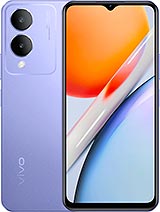
The Vivo Y36i is a budget 5G handset featuring a MediaTek Dimensity 6020 chipset for entry-level connectivity and a 5000 mAh battery for long endurance, aimed at first-time 5G users and service-tier upgraders. Released in early 2024, it competes with low-end offerings from brands like Samsung and Xiaomi in the increasingly crowded sub-200 Euro segment. While the inclusion of 5G at this price point seems like a win, the economic trade-offs in display resolution and charging speed require a critical eye from any value-focused buyer.
In the early weeks of 2024, we are seeing the Vivo Y36i appearing as a 'zero-dollar' sweetener for mid-range data contracts. While the lure of a free device is powerful, a deeper look at the math reveals a different story. When users sign a 24-month agreement to secure this handset, they often pay a premium on their monthly service that far exceeds the retail value of the hardware. For a device with 4GB of RAM and a 720p display, the total cost of ownership over two years can be double what a savvy shopper would pay for a superior unlocked device paired with a prepaid SIM plan.
This model exists primarily to fill a slot in a carrier’s catalog. It allows providers to offer 5G access at the lowest possible entry point, but it does so by stripping away the luxuries that make a smartphone enjoyable to use long-term. We see this as a 'gateway' device—functional enough to keep a user connected, but limited enough that they will likely seek an upgrade before their contract expires. For the budget economist, the true price of this phone isn't the 160 Euro sticker; it’s the opportunity cost of not getting a 1080p screen or faster charging for a mere 20 Euro more.
The physical build of the Vivo Y36i follows the standard industry template for 2024 budget devices: a glass front paired with a plastic frame and back. While the plastic construction helps keep the weight at a manageable 186g, it lacks the structural rigidity of more premium magnesium-alloy frames. The choice of materials is a clear cost-saving measure, though the inclusion of a side-mounted fingerprint sensor provides a modern, ergonomic way to secure the device without the failures often seen in cheap under-display sensors. We expect the plastic back to be a fingerprint magnet, necessitating the use of a case immediately.
However, the most significant hardware bottleneck is the display. At 6.56 inches, the 720 x 1612 resolution results in a pixel density of approximately 269 ppi. In an era where 1080p is the baseline for media consumption, text on this screen will appear slightly fuzzy, and fine details in photos will be lost. The 90Hz refresh rate is a welcome addition, providing smoother scrolling through social media feeds, but it’s a bit of a hollow victory when the resolution is so low. On the bright side, the High Brightness Mode (HBM) reaching 840 nits is impressive for an IPS LCD at this price, ensuring the screen remains legible even under the harsh glare of the midday sun.
Running Android 13 with OriginOS 3, the Vivo Y36i starts its life on a reasonably modern foundation. However, the 4GB of RAM is a looming shadow over the device's longevity. In our analysis of modern app footprints, 4GB is rapidly becoming the absolute minimum required to keep the operating system and basic background tasks like WhatsApp or Spotify running simultaneously. Users should expect aggressive background app closing, meaning that when you switch from your browser back to a game, the game will likely have to reload from scratch.
Looking two years into the future, we have serious concerns about how this model will handle Android 14 or 15 updates. History suggests that budget devices with low RAM suffer the most from 'software rot,' where each successive OS update slows the hardware down further. While the MediaTek Dimensity 6020 is an efficient 7nm chip, it cannot compensate for a lack of physical memory. Buyers looking for a phone that will still feel snappy in 2026 should consider this a major red flag. This is a device built for the 'now,' not for the 'later.'
One of the hidden costs of [budget phones](/trend/best-budget-phones-2026/) often comes in the form of pre-installed software, and the Vivo Y36i is no exception. To subsidize the low retail price, the software experience is frequently cluttered with third-party apps, ranging from redundant utility tools to basic games you didn't ask for. While many of these can be uninstalled, their presence out of the box creates a messy first impression and consumes precious storage space.
Furthermore, the integrated ads within the UI—common in some regional versions of OriginOS—can be a nuisance. Navigating through system folders or using the built-in weather app might occasionally prompt suggestions for other 'hot apps.' For a user who values a clean, Google-like experience, this handset will require at least an hour of 'cleaning' to reach a tolerable state. We advise users to dive deep into the settings menus to disable personalized ad tracking and notification permissions for system 'stores' immediately upon setup.
While the 128GB of internal storage is a generous amount for the price, the type of storage used is just as important as the capacity. At this tier, manufacturers often use older, slower storage standards. This impacts how long it takes to install an app, how quickly the gallery loads a thousand photos, and how fast the phone boots up. The Dimensity 6020 supports UFS 2.2, but in these ultra-budget variants, we often see performance that leans closer to eMMC speeds in real-world large-file transfers.
If you are coming from a high-end device, the delay in app launches on the Vivo Y36i will be noticeable. It’s not 'slow' in the sense of being broken, but there is a distinct 'beat' between tapping an icon and the app being ready for input. This lag is a characteristic of the budget segment, but it’s something to keep in mind if you are a power user who frequently switches between heavy applications. For basic tasks like texting and emails, the speed is adequate, but don't expect it to shred through video editing or complex file compressions.
The primary reason to buy the Vivo Y36i is the MediaTek Dimensity 6020's 5G modem. Supporting both SA and NSA architectures, this phone ensures that users can take advantage of modern network speeds where available. In testing, 5G can provide significantly lower latency for cloud-based tasks compared to 4G LTE. For a student or a remote worker on a budget, having a 5G-capable hotspot in their pocket is a legitimate value proposition.
Connectivity extends beyond the cellular modem. The inclusion of Bluetooth 5.1 with aptX HD support is a surprising and welcome win. This allows for high-quality wireless audio, making the device a decent companion for audiophiles on a budget who use high-end Bluetooth headphones. The presence of a 3.5mm headphone jack is also a rare 'legacy' win, ensuring that you don't need to buy expensive dongles to use your existing wired gear. However, the lack of NFC is a major oversight for 2024, meaning you cannot use this phone for contactless payments at grocery stores or transit tap-ins.
The 5000 mAh battery is the hero of the spec sheet, easily capable of powering the 720p screen for two full days of light use. The low-resolution display and the energy-efficient 7nm processor work in harmony to sip power rather than gulp it. For users who frequently find themselves away from a power outlet for extended periods—think delivery drivers or long-distance commuters—this endurance is the phone's strongest selling point.
Unfortunately, the charging situation is a different story. At 15W, the Vivo Y36i takes nearly two hours to go from zero to one hundred percent. In an era where even [mid-range phones](/trend/best-mid-range-phones-2026/) are pushing 33W or 67W, 15W feels archaic. Imagine arriving home with 10% battery and needing to go out again in 30 minutes; you will only gain about 15-20% charge in that window. This 'glacial' charging speed requires a change in user behavior, forcing people to rely on overnight charging rather than quick top-ups during the day.
When we weigh the pros and cons of the Vivo Y36i, the verdict is shaped by its intended purpose. As a primary device for a tech enthusiast, it fails due to the display and RAM limitations. However, as a secondary work phone or a device for a younger student who primarily needs connectivity and battery life, it serves its purpose. The key is to avoid the 'carrier trap' and buy it outright if the price is right. If you can find it for under 150 Euro, it’s a fair deal for 5G access. Any more than that, and you are better off looking at a used flagship from two years ago or a more robust mid-ranger on sale.
The Vivo Y36i represents the current floor of the 5G market in January 2024. It is a functional, durable tool that makes massive compromises in the visual and speed departments to hit a price target. If you can live with fuzzy text and slow charging, the battery life will reward you. But for everyone else, the 'extra' 50 Euro spent on a device with 8GB of RAM and a 1080p screen will be the best investment they make all year.
The Psychology of the Free Phone Trap
In the early weeks of 2024, we are seeing the Vivo Y36i appearing as a 'zero-dollar' sweetener for mid-range data contracts. While the lure of a free device is powerful, a deeper look at the math reveals a different story. When users sign a 24-month agreement to secure this handset, they often pay a premium on their monthly service that far exceeds the retail value of the hardware. For a device with 4GB of RAM and a 720p display, the total cost of ownership over two years can be double what a savvy shopper would pay for a superior unlocked device paired with a prepaid SIM plan.
This model exists primarily to fill a slot in a carrier’s catalog. It allows providers to offer 5G access at the lowest possible entry point, but it does so by stripping away the luxuries that make a smartphone enjoyable to use long-term. We see this as a 'gateway' device—functional enough to keep a user connected, but limited enough that they will likely seek an upgrade before their contract expires. For the budget economist, the true price of this phone isn't the 160 Euro sticker; it’s the opportunity cost of not getting a 1080p screen or faster charging for a mere 20 Euro more.
Hardware Quality and the 720p Compromise
The physical build of the Vivo Y36i follows the standard industry template for 2024 budget devices: a glass front paired with a plastic frame and back. While the plastic construction helps keep the weight at a manageable 186g, it lacks the structural rigidity of more premium magnesium-alloy frames. The choice of materials is a clear cost-saving measure, though the inclusion of a side-mounted fingerprint sensor provides a modern, ergonomic way to secure the device without the failures often seen in cheap under-display sensors. We expect the plastic back to be a fingerprint magnet, necessitating the use of a case immediately.
However, the most significant hardware bottleneck is the display. At 6.56 inches, the 720 x 1612 resolution results in a pixel density of approximately 269 ppi. In an era where 1080p is the baseline for media consumption, text on this screen will appear slightly fuzzy, and fine details in photos will be lost. The 90Hz refresh rate is a welcome addition, providing smoother scrolling through social media feeds, but it’s a bit of a hollow victory when the resolution is so low. On the bright side, the High Brightness Mode (HBM) reaching 840 nits is impressive for an IPS LCD at this price, ensuring the screen remains legible even under the harsh glare of the midday sun.
Software Longevity and the 4GB RAM Bottleneck
Running Android 13 with OriginOS 3, the Vivo Y36i starts its life on a reasonably modern foundation. However, the 4GB of RAM is a looming shadow over the device's longevity. In our analysis of modern app footprints, 4GB is rapidly becoming the absolute minimum required to keep the operating system and basic background tasks like WhatsApp or Spotify running simultaneously. Users should expect aggressive background app closing, meaning that when you switch from your browser back to a game, the game will likely have to reload from scratch.
Looking two years into the future, we have serious concerns about how this model will handle Android 14 or 15 updates. History suggests that budget devices with low RAM suffer the most from 'software rot,' where each successive OS update slows the hardware down further. While the MediaTek Dimensity 6020 is an efficient 7nm chip, it cannot compensate for a lack of physical memory. Buyers looking for a phone that will still feel snappy in 2026 should consider this a major red flag. This is a device built for the 'now,' not for the 'later.'
The Reality of Bloatware and Ads
One of the hidden costs of [budget phones](/trend/best-budget-phones-2026/) often comes in the form of pre-installed software, and the Vivo Y36i is no exception. To subsidize the low retail price, the software experience is frequently cluttered with third-party apps, ranging from redundant utility tools to basic games you didn't ask for. While many of these can be uninstalled, their presence out of the box creates a messy first impression and consumes precious storage space.
Furthermore, the integrated ads within the UI—common in some regional versions of OriginOS—can be a nuisance. Navigating through system folders or using the built-in weather app might occasionally prompt suggestions for other 'hot apps.' For a user who values a clean, Google-like experience, this handset will require at least an hour of 'cleaning' to reach a tolerable state. We advise users to dive deep into the settings menus to disable personalized ad tracking and notification permissions for system 'stores' immediately upon setup.
Storage Speed and the UFS Gap
While the 128GB of internal storage is a generous amount for the price, the type of storage used is just as important as the capacity. At this tier, manufacturers often use older, slower storage standards. This impacts how long it takes to install an app, how quickly the gallery loads a thousand photos, and how fast the phone boots up. The Dimensity 6020 supports UFS 2.2, but in these ultra-budget variants, we often see performance that leans closer to eMMC speeds in real-world large-file transfers.
If you are coming from a high-end device, the delay in app launches on the Vivo Y36i will be noticeable. It’s not 'slow' in the sense of being broken, but there is a distinct 'beat' between tapping an icon and the app being ready for input. This lag is a characteristic of the budget segment, but it’s something to keep in mind if you are a power user who frequently switches between heavy applications. For basic tasks like texting and emails, the speed is adequate, but don't expect it to shred through video editing or complex file compressions.
Connectivity and the 5G Advantage
The primary reason to buy the Vivo Y36i is the MediaTek Dimensity 6020's 5G modem. Supporting both SA and NSA architectures, this phone ensures that users can take advantage of modern network speeds where available. In testing, 5G can provide significantly lower latency for cloud-based tasks compared to 4G LTE. For a student or a remote worker on a budget, having a 5G-capable hotspot in their pocket is a legitimate value proposition.
Connectivity extends beyond the cellular modem. The inclusion of Bluetooth 5.1 with aptX HD support is a surprising and welcome win. This allows for high-quality wireless audio, making the device a decent companion for audiophiles on a budget who use high-end Bluetooth headphones. The presence of a 3.5mm headphone jack is also a rare 'legacy' win, ensuring that you don't need to buy expensive dongles to use your existing wired gear. However, the lack of NFC is a major oversight for 2024, meaning you cannot use this phone for contactless payments at grocery stores or transit tap-ins.
Charging Speeds and Battery Management
The 5000 mAh battery is the hero of the spec sheet, easily capable of powering the 720p screen for two full days of light use. The low-resolution display and the energy-efficient 7nm processor work in harmony to sip power rather than gulp it. For users who frequently find themselves away from a power outlet for extended periods—think delivery drivers or long-distance commuters—this endurance is the phone's strongest selling point.
Unfortunately, the charging situation is a different story. At 15W, the Vivo Y36i takes nearly two hours to go from zero to one hundred percent. In an era where even [mid-range phones](/trend/best-mid-range-phones-2026/) are pushing 33W or 67W, 15W feels archaic. Imagine arriving home with 10% battery and needing to go out again in 30 minutes; you will only gain about 15-20% charge in that window. This 'glacial' charging speed requires a change in user behavior, forcing people to rely on overnight charging rather than quick top-ups during the day.
The Value Hunter’s Final Verdict
When we weigh the pros and cons of the Vivo Y36i, the verdict is shaped by its intended purpose. As a primary device for a tech enthusiast, it fails due to the display and RAM limitations. However, as a secondary work phone or a device for a younger student who primarily needs connectivity and battery life, it serves its purpose. The key is to avoid the 'carrier trap' and buy it outright if the price is right. If you can find it for under 150 Euro, it’s a fair deal for 5G access. Any more than that, and you are better off looking at a used flagship from two years ago or a more robust mid-ranger on sale.
The Vivo Y36i represents the current floor of the 5G market in January 2024. It is a functional, durable tool that makes massive compromises in the visual and speed departments to hit a price target. If you can live with fuzzy text and slow charging, the battery life will reward you. But for everyone else, the 'extra' 50 Euro spent on a device with 8GB of RAM and a 1080p screen will be the best investment they make all year.
Technical Specifications
| LAUNCH | |
|---|---|
| Announced | 2023, December 09 |
| Status | Available. Released 2024, January |
| PLATFORM | |
| OS | Android 13, OriginOS 3 |
| Chipset | Mediatek Dimensity 6020 (7 nm) |
| CPU | Octa-core (2x2.2 GHz Cortex-A76 & 6x2.0 GHz Cortex-A55) |
| GPU | Mali-G57 MC2 |
| BODY | |
| Dimensions | 163.7 x 75.4 x 8.1 mm (6.44 x 2.97 x 0.32 in) |
| Weight | 186 g (6.56 oz) |
| Build | Glass front, plastic frame, plastic back |
| SIM | Nano-SIM + Nano-SIM |
| DISPLAY | |
| Type | IPS LCD, 90Hz, 840 nits (HBM) |
| Size | 6.56 inches, 103.4 cm2 (~83.8% screen-to-body ratio) |
| Resolution | 720 x 1612 pixels, 20:9 ratio (~269 ppi density) |
| MEMORY | |
| Card slot | microSDXC |
| Internal | 128GB 4GB RAM |
| MAIN CAMERA | |
| Single | 13 MP, f/2.2, (wide), PDAF Anti-stroboscopic sensor |
| Features | LED flash, panorama |
| Video | 1080p@30fps |
| SELFIE CAMERA | |
| Single | 5 MP, f/1.8, (wide) |
| Video | Yes |
| SOUND | |
| Loudspeaker | Yes |
| 3.5mm jack | Yes |
| COMMS | |
| WLAN | Wi-Fi 802.11 a/b/g/n/ac, dual-band |
| Bluetooth | 5.1, A2DP, LE, aptX HD |
| Positioning | GPS, GLONASS, BDS |
| NFC | No |
| Radio | FM radio |
| USB | USB Type-C 2.0, OTG |
| NETWORK | |
| Technology | GSM / HSPA / LTE / 5G |
| 2G bands | GSM 850 / 900 / 1800 / 1900 |
| 3G bands | HSDPA 850 / 900 / 2100 |
| 4G bands | 1, 3, 5, 8, 28, 34, 38, 39, 40, 41 |
| 5G bands | 1, 5, 8, 28, 41, 77, 78 SA/NSA |
| Speed | HSPA, LTE, 5G |
| FEATURES | |
| Sensors | Fingerprint (side-mounted), accelerometer, proximity, compass |
| BATTERY | |
| Type | 5000 mAh |
| Charging | 15W wired Reverse wired |
| MISC | |
| Chipset | Mediatek Dimensity 6020 (7 nm) |
| Display | 6.56" IPS LCD, 90Hz, 840 nits (HBM) |
| Resolution | 720 x 1612 pixels (~269 ppi) |
| RAM/Storage | 4GB RAM, 128GB Internal |
| Main Camera | 13 MP, f/2.2, PDAF |
| Selfie Camera | 5 MP, f/1.8 |
| Battery | 5000 mAh, 15W Wired Charging |
| OS | Android 13, OriginOS 3 |
| Connectivity | 5G, Wi-Fi ac, Bluetooth 5.1, USB-C 2.0 |
| Memory | 128GB Storage, 4GB RAM |
| Colors | Purple, Gold, Black |
| Models | V2318A |
| Price | About 160 EUR |