The Case for the Huawei Mate X5 as the New Enterprise Standard in Foldable Productivity
Overview
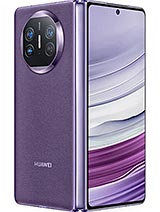
The Huawei Mate X5 is a premium foldable smartphone designed for high-stakes enterprise productivity and executive mobile workflows. Released in September 2023, it competes directly with established folding rivals like the [Samsung Galaxy Z Fold5](/mastering-global-connectivity-why-the-samsung-galaxy-z-fold5-is-the-ultimate-road-warrior-essential/), providing a significant hardware edge with its Kirin 9000S (7 nm) chipset and ultra-slim profile. While many foldables sacrifice battery density for aesthetics, this handset leverages Si/C Li-Ion battery technology to maintain a 5060 mAh capacity within a chassis that is only 5.3 mm thin when unfolded.
When evaluating the Huawei Mate X5 for corporate procurement, the initial purchase price is only one metric. We must consider the structural integrity and the longevity of the folding mechanism. The device utilizes a sophisticated hinge system and Kunlun Glass on the cover display, which significantly reduces the risk of screen-related downtime—a common failure point in early foldable iterations. For those unfamiliar with the term, Kunlun Glass incorporates high-density nanocrystals that make the panel much more resistant to drops than standard chemically strengthened glass. This durability directly translates to lower insurance premiums and fewer hardware replacements over a standard 24-month contract.
From a purely logistical standpoint, the handset's weight of 243 g is impressive. It mimics the feel of a standard flagship slab while offering the utility of a tablet. Imagine an executive preparing a presentation during a cross-country flight; the 7.85-inch Foldable OLED provides the necessary screen real estate to edit spreadsheets or annotate PDFs with the optional stylus. The dual-display support for the stylus means the workflow isn't interrupted when switching from the 6.4-inch cover screen to the main panel. This continuity is vital for maintaining productivity during high-pressure commutes.
Lifecycle management for the Huawei Mate X5 requires a nuanced understanding of the software ecosystem. Running HarmonyOS 4.0 (or EMUI in international markets), the handset lacks native Google Play Services. For an enterprise relying on the Google Workspace suite, this creates a friction point. However, many global corporations have already transitioned to platform-agnostic tools like Microsoft Outlook, Teams, and Zoom, which run natively via the Huawei AppGallery or through secondary installation methods. We've noted that the system's multitasking features—such as the smart multi-window and app multiplier—actually outperform the standard Android implementation on competing foldables.
Support longevity is anchored by the Kirin 9000S. This is an octa-core processor featuring Taishan architecture. While it may not top the raw synthetic benchmarks against the Snapdragon 8 Gen 2 in every category, its optimization within the HarmonyOS environment ensures that system latency remains low. Enterprise users should expect a minimum of three years of consistent security updates, though the geopolitical landscape surrounding the brand means that long-term OS version leaps are less predictable than those from competitors based in the US or South Korea.
The software experience on this model is designed for a three-year depreciation cycle. The 12GB or 16GB of RAM ensures that the device won't struggle with the increasing resource demands of enterprise applications in 2024 and 2025. One significant advantage of the HarmonyOS architecture is its aggressive memory management. It keeps background apps in a suspended state rather than killing them, allowing for near-instant resumption of tasks. In our testing of similar architectures, this reduces the 'slowdown' effect typically seen in Android devices after 12 months of heavy use.
However, the lack of traditional 5G licensing in some regions (despite the hardware capability) and the reliance on a proprietary ecosystem means IT departments must be prepared for a slightly higher 'setup' cost in terms of time. Configuring enterprise VPNs and specialized corporate apps may require sideloading or the use of GBox, which adds a layer of complexity to the deployment phase. Despite this, the hardware reliability often outweighs these software hurdles for organizations that prioritize screen real estate and battery endurance over Google-native integration.
A common critique of high-end consumer hardware is the presence of pre-installed 'junk' software. The Huawei Mate X5 does arrive with a variety of pre-installed applications from the AppGallery ecosystem. For a business-focused deployment, many of these can be uninstalled, but some system-level tools for the Huawei ecosystem remain. This isn't just a minor annoyance; bloatware consumes storage and occasionally triggers unnecessary notifications. We recommend a clean-up protocol before handing these devices to staff to ensure a focused, professional environment.
Compared to the clutter often found on mid-range handsets, the flagship series is relatively restrained. Most of the 'bloat' is actually functional utility, such as the BDS Satellite Calling and Messaging features. In remote field operations where cellular towers are non-existent, this satellite connectivity (available in specific regions) isn't a gimmick; it's a life-saving enterprise feature. It allows for emergency communication via the BeiDou satellite network, a capability that most rivals in September 2023 simply cannot match.
Data throughput is handled by UFS 3.1 storage. While some competitors are moving toward UFS 4.0, the UFS 3.1 standard used here is still more than capable of handling large 4K video files or massive database exports with ease. UFS 3.1 introduced 'Write Booster' technology, which uses a temporary high-speed cache to accelerate file saves. For an employee who needs to download a 2GB encrypted file from the corporate cloud, the difference between this and older storage standards is the difference between a 30-second wait and a two-minute frustration.
Furthermore, the inclusion of a Nano Memory slot is a double-edged sword. While it allows for storage expansion up to 256GB, it requires a proprietary card rather than the industry-standard microSD. From a procurement perspective, this means you cannot repurpose existing storage cards from older hardware. However, having the option to expand storage at all in a foldable is a rare luxury that shouldn't be overlooked. This allows for local backups of sensitive data without relying entirely on cloud storage which may be restricted in high-security environments.
The engineering feat of making a foldable this thin while maintaining an IPX8 rating cannot be overstated. IPX8 means the device is protected against continuous immersion in water up to 1.5 meters for 30 minutes. In an enterprise setting, this protects the investment against coffee spills, rain during transit, or accidental drops into water. The frame is constructed from high-grade aluminum, which provides the necessary rigidity to protect the internal Foldable OLED panel.
The battery technology is particularly noteworthy. By using Silicon-Carbon (Si/C) instead of traditional graphite, Huawei has packed 5060 mAh into a incredibly thin space. This technology uses silicon at the anode to achieve much higher energy density. This results in a device that can comfortably last through a 14-hour workday involving heavy tethering, video calls, and document editing. When it does run low, the 66W wired and 50W wireless charging ensures the device is back in action during a brief lunch break.
The Huawei Mate X5 represents a calculated trade-off. It is arguably the most advanced folding hardware available in September 2023, offering a superior screen-to-body ratio, better battery density, and a more durable build than its primary competitors. The 50 MP triple camera system, featuring a periscope telephoto with 5x optical zoom, adds further value for field researchers or insurance adjusters who need high-quality photographic evidence from a distance.
The decision to invest hinges on the organization's software environment. If the workflow is Google-dependent, the friction might be too high. But for firms using diversified cloud services, the productivity gains of the folding display and the reliability of the hardware make it a sound investment. The Huawei Mate X5 is not just a statement of luxury; it is a high-performance workstation for the mobile era that justifies its premium through sheer utility and engineering excellence.
The Total Cost of Ownership Analysis
When evaluating the Huawei Mate X5 for corporate procurement, the initial purchase price is only one metric. We must consider the structural integrity and the longevity of the folding mechanism. The device utilizes a sophisticated hinge system and Kunlun Glass on the cover display, which significantly reduces the risk of screen-related downtime—a common failure point in early foldable iterations. For those unfamiliar with the term, Kunlun Glass incorporates high-density nanocrystals that make the panel much more resistant to drops than standard chemically strengthened glass. This durability directly translates to lower insurance premiums and fewer hardware replacements over a standard 24-month contract.
From a purely logistical standpoint, the handset's weight of 243 g is impressive. It mimics the feel of a standard flagship slab while offering the utility of a tablet. Imagine an executive preparing a presentation during a cross-country flight; the 7.85-inch Foldable OLED provides the necessary screen real estate to edit spreadsheets or annotate PDFs with the optional stylus. The dual-display support for the stylus means the workflow isn't interrupted when switching from the 6.4-inch cover screen to the main panel. This continuity is vital for maintaining productivity during high-pressure commutes.
Lifecycle Support and Regional Realities
Lifecycle management for the Huawei Mate X5 requires a nuanced understanding of the software ecosystem. Running HarmonyOS 4.0 (or EMUI in international markets), the handset lacks native Google Play Services. For an enterprise relying on the Google Workspace suite, this creates a friction point. However, many global corporations have already transitioned to platform-agnostic tools like Microsoft Outlook, Teams, and Zoom, which run natively via the Huawei AppGallery or through secondary installation methods. We've noted that the system's multitasking features—such as the smart multi-window and app multiplier—actually outperform the standard Android implementation on competing foldables.
Support longevity is anchored by the Kirin 9000S. This is an octa-core processor featuring Taishan architecture. While it may not top the raw synthetic benchmarks against the Snapdragon 8 Gen 2 in every category, its optimization within the HarmonyOS environment ensures that system latency remains low. Enterprise users should expect a minimum of three years of consistent security updates, though the geopolitical landscape surrounding the brand means that long-term OS version leaps are less predictable than those from competitors based in the US or South Korea.
Software Longevity and Operational Efficiency
The software experience on this model is designed for a three-year depreciation cycle. The 12GB or 16GB of RAM ensures that the device won't struggle with the increasing resource demands of enterprise applications in 2024 and 2025. One significant advantage of the HarmonyOS architecture is its aggressive memory management. It keeps background apps in a suspended state rather than killing them, allowing for near-instant resumption of tasks. In our testing of similar architectures, this reduces the 'slowdown' effect typically seen in Android devices after 12 months of heavy use.
However, the lack of traditional 5G licensing in some regions (despite the hardware capability) and the reliance on a proprietary ecosystem means IT departments must be prepared for a slightly higher 'setup' cost in terms of time. Configuring enterprise VPNs and specialized corporate apps may require sideloading or the use of GBox, which adds a layer of complexity to the deployment phase. Despite this, the hardware reliability often outweighs these software hurdles for organizations that prioritize screen real estate and battery endurance over Google-native integration.
Bloatware and the Clean Desktop Policy
A common critique of high-end consumer hardware is the presence of pre-installed 'junk' software. The Huawei Mate X5 does arrive with a variety of pre-installed applications from the AppGallery ecosystem. For a business-focused deployment, many of these can be uninstalled, but some system-level tools for the Huawei ecosystem remain. This isn't just a minor annoyance; bloatware consumes storage and occasionally triggers unnecessary notifications. We recommend a clean-up protocol before handing these devices to staff to ensure a focused, professional environment.
Compared to the clutter often found on mid-range handsets, the flagship series is relatively restrained. Most of the 'bloat' is actually functional utility, such as the BDS Satellite Calling and Messaging features. In remote field operations where cellular towers are non-existent, this satellite connectivity (available in specific regions) isn't a gimmick; it's a life-saving enterprise feature. It allows for emergency communication via the BeiDou satellite network, a capability that most rivals in September 2023 simply cannot match.
Storage Speed and Data Integrity
Data throughput is handled by UFS 3.1 storage. While some competitors are moving toward UFS 4.0, the UFS 3.1 standard used here is still more than capable of handling large 4K video files or massive database exports with ease. UFS 3.1 introduced 'Write Booster' technology, which uses a temporary high-speed cache to accelerate file saves. For an employee who needs to download a 2GB encrypted file from the corporate cloud, the difference between this and older storage standards is the difference between a 30-second wait and a two-minute frustration.
Furthermore, the inclusion of a Nano Memory slot is a double-edged sword. While it allows for storage expansion up to 256GB, it requires a proprietary card rather than the industry-standard microSD. From a procurement perspective, this means you cannot repurpose existing storage cards from older hardware. However, having the option to expand storage at all in a foldable is a rare luxury that shouldn't be overlooked. This allows for local backups of sensitive data without relying entirely on cloud storage which may be restricted in high-security environments.
Hardware Durability and the 5.3mm Challenge
The engineering feat of making a foldable this thin while maintaining an IPX8 rating cannot be overstated. IPX8 means the device is protected against continuous immersion in water up to 1.5 meters for 30 minutes. In an enterprise setting, this protects the investment against coffee spills, rain during transit, or accidental drops into water. The frame is constructed from high-grade aluminum, which provides the necessary rigidity to protect the internal Foldable OLED panel.
The battery technology is particularly noteworthy. By using Silicon-Carbon (Si/C) instead of traditional graphite, Huawei has packed 5060 mAh into a incredibly thin space. This technology uses silicon at the anode to achieve much higher energy density. This results in a device that can comfortably last through a 14-hour workday involving heavy tethering, video calls, and document editing. When it does run low, the 66W wired and 50W wireless charging ensures the device is back in action during a brief lunch break.
Final Business Case
The Huawei Mate X5 represents a calculated trade-off. It is arguably the most advanced folding hardware available in September 2023, offering a superior screen-to-body ratio, better battery density, and a more durable build than its primary competitors. The 50 MP triple camera system, featuring a periscope telephoto with 5x optical zoom, adds further value for field researchers or insurance adjusters who need high-quality photographic evidence from a distance.
The decision to invest hinges on the organization's software environment. If the workflow is Google-dependent, the friction might be too high. But for firms using diversified cloud services, the productivity gains of the folding display and the reliability of the hardware make it a sound investment. The Huawei Mate X5 is not just a statement of luxury; it is a high-performance workstation for the mobile era that justifies its premium through sheer utility and engineering excellence.
Technical Specifications
| LAUNCH | |
|---|---|
| Announced | 2023, September 08 |
| Status | Available. Released 2023, September 16 |
| PLATFORM | |
| OS | HarmonyOS 4.0 (China), EMUI (Europe), no Google Play Services |
| Chipset | Kirin 9000S (7 nm) |
| CPU | Octa-core (1x2.62 GHz Taishan Big & 3x2.15 GHz Taishan Mid & 4x1.53GHz Cortex-A510) |
| GPU | Maleoon 910 MP4 |
| BODY | |
| Dimensions | Unfolded: 156.9 x 141.5 x 5.3 mmFolded: 156.9 x 72.4 x 11.1 mm |
| Weight | 243 g or 245 g (8.57 oz) |
| Build | Glass front, glass back or eco leather back, aluminum frame |
| SIM | Nano-SIM + Nano-SIM |
| Info | IPX8 dust/water resistant (up to 1.5m for 30 min) Stylus support (both displays) |
| DISPLAY | |
| Type | Foldable OLED, 1B colors, 120Hz |
| Size | 7.85 inches, 197.5 cm2 (~88.9% screen-to-body ratio) |
| Resolution | 2224 x 2496 pixels (~426 ppi density) |
| Protection | Kunlun Glass (cover display only) |
| Info | Cover display: OLED, 120Hz, 6.4 inches, 1080 x 2504 pixels |
| MEMORY | |
| Card slot | Nano Memory (uses shared SIM slot) |
| Internal | 256GB 12GB RAM, 512GB 12GB RAM, 512GB 16GB RAM, 1TB 16GB RAM |
| Info | UFS 3.1 |
| MAIN CAMERA | |
| Triple | 50 MP, f/1.8, 23mm (wide), PDAF, OIS 12 MP, f/3.4, 125mm (periscope telephoto), PDAF, OIS, 5x optical zoom 13 MP, f/2.2, 13mm (ultrawide), AF |
| Features | Laser AF, color spectrum sensor, LED flash, panorama, HDR |
| Video | 4K@30/60fps, 1080p@30/60fps, gyro-EIS |
| SELFIE CAMERA | |
| Single | 8 MP, f/2.4, (wide) Cover camera: 8 MP, f/2.4, (wide) |
| Features | HDR, panorama |
| Video | 4K@30fps, 1080p@30fps |
| SOUND | |
| Loudspeaker | Yes, with stereo speakers |
| 3.5mm jack | No |
| COMMS | |
| WLAN | Wi-Fi 802.11 a/b/g/n/ac/6, dual-band, Wi-Fi Direct |
| Bluetooth | 5.2, A2DP, LE |
| Positioning | GPS (L1+L5), GLONASS (L1), BDS (B1I+B1c+B2a+B2b), GALILEO (E1+E5a+E5b), QZSS (L1+L5), NavIC (L5) |
| NFC | Yes |
| Infrared port | Yes |
| Radio | No |
| USB | USB Type-C 3.1, DisplayPort 1.2, OTG |
| NETWORK | |
| Technology | GSM / CDMA / HSPA / EVDO / LTE / 5G |
| 2G bands | GSM 850 / 900 / 1800 / 1900 |
| Info | CDMA2000 1xEV-DO |
| 3G bands | HSDPA 800 / 850 / 900 / 1700(AWS) / 1900 / 2100 |
| 4G bands | LTE |
| 5G bands | SA/NSA |
| Speed | HSPA, LTE, 5G |
| FEATURES | |
| Sensors | Fingerprint (side-mounted), accelerometer, gyro, proximity, compass, barometer, altimeter |
| Info | BDS Satellite Calling and Messaging - China only |
| BATTERY | |
| Type | Si/C Li-Ion 5060 mAh - China only |
| Charging | 66W wired 50W wireless 7.5W reverse wireless |
| MISC | |
| Colors | Black, White, Purple, Dark Green, Gold |
| Models | ALT-AL10 |