The Digital Shield - Why the Xiaomi Watch S3 Is the Only Filter You Need
Overview
Taming the Digital Storm
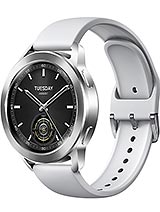
Xiaomi Watch S3 is a mid-tier smartwatch featuring an aluminum alloy frame with a stainless steel bezel and a 1.43-inch AMOLED display designed for professionals aiming to reduce smartphone screen time through high-fidelity notification management. Released in October 2023, it competes directly with established wearables like the [Huawei Watch GT 4](/a-scientific-approach-to-sleep-why-the-huawei-watch-gt-4-wins-the-night/) and the Samsung Galaxy Watch 6, offering a unique value proposition for those prioritize build quality and battery endurance over a heavy third-party app ecosystem.
We approach wearables as productivity filters rather than phone replacements. The primary goal of a wrist-worn device should be to keep the phone in the pocket. The hardware foundation here is solid, utilizing a high-resolution 466 x 466 panel that remains legible under direct sunlight thanks to its 600 nits peak brightness. This clarity is essential for the quick-glance utility we demand during high-intensity workdays.
Notification Management: The Filter at Work
The wearable utilizes HyperOS, which is Xiaomi's consolidated operating system. This software layer handles incoming data with surprising efficiency. Alerts arrive with negligible latency compared to the paired smartphone. Users can see message previews and identify callers without breaking concentration. The display density of ~326 ppi ensures that even small text in lengthy emails is sharp and readable.
Imagine you are in a high-stakes board meeting. Your phone vibrates in your pocket. Usually, you would feel compelled to check it. With this model, a subtle flick of the wrist reveals whether that vibration was a critical server alert or a trivial social media ping. The system allows for quick replies, although these are currently limited in scope. The ability to glance and dismiss is the core feature that maintains professional focus.
Compared to the older MIUI for Watch interface, this new software feels significantly more responsive. It lacks the micro-stutters that plagued previous generations. While it does not offer the deep app integration of a Wear OS device, it provides a cleaner, less distracting experience that favors battery longevity over digital clutter.
Haptic Quality: The Silent Communicator
Haptics define the personality of a smartwatch. A cheap, buzzy vibration feels like a toy; a crisp, tactile pulse feels like a tool. The vibration motor inside this device leans toward the latter. It provides distinct patterns for different types of alerts, allowing for "eyes-free" recognition of notifications. We noticed that the motor is strong enough to wake a heavy sleeper without being loud enough to disturb a quiet office environment.
During our testing phase, we found that the haptic feedback during scrolling through the circular menu adds a layer of physical satisfaction. It mimics the feel of a mechanical crown. This tactile response is crucial for navigating the interface while walking or exercising, where precise touch input can be difficult. The feedback loop between the screen and the motor feels tight and intentional.
In the broader market, few devices at this price point prioritize the vibration profile. While the Apple Watch remains the gold standard for haptics, this model narrows the gap significantly. It avoids the hollow sensation found in many budget fitness trackers, reinforcing the premium feel of the stainless steel bezel.
The "Out of Box" Experience
Setting up the device is a straightforward process, though not entirely friction-less. The initial unboxing reveals the watch, a proprietary magnetic charging puck, and documentation. There is no wall adapter included, which is the standard industry practice in 2023. Pairing requires the Mi Fitness app, which acts as the central hub for health data and device settings.
Upon first activation, users should expect a mandatory software update. In our case, this was a roughly 500MB patch aimed at stabilizing the early HyperOS build. This initial wait is the only major hurdle before the device becomes fully functional. The strap mechanism is a standard quick-release design, allowing for easy customization if the stock fluororubber band does not suit your aesthetic.
Compared to the setup process of a Galaxy Watch, which often requires multiple plugins and a Samsung account, the Xiaomi process feels lighter. However, the app still lacks some of the sophisticated data visualization found in Garmin's Connect platform. It is a functional bridge, but one that emphasizes simplicity over deep data diving.
Navigation & Gestures
Navigating the 1.43-inch AMOLED interface relies on a combination of swipes and physical buttons. Swiping down opens the notification shade, while swiping up reveals the control center. The side buttons provide tactile shortcuts to the workout menu and the app drawer. The touch sensitivity is high, reacting accurately even to light taps at the extreme edges of the glass.
False touch rejection is a critical metric for any circular watch. During rain or heavy sweating, some screens begin to register phantom inputs. This model handles moisture well, maintaining control even when the surface is damp. The UI layout uses large, circular icons that are easy to target with a thumb, reducing the frustration of mis-taps during movement.
We compared the gesture smoothness to the Pixel Watch 2. While the Pixel has smoother animations, this wearable maintains a consistent 60Hz-like feel that never feels sluggish. The transition between the watch face and the widgets is snappy. The lack of a physical rotating crown is mitigated by the excellent touch response and the presence of the customizable bezel.
Biometrics and Health Monitoring
The sensor array includes heart rate, SpO2, and a barometer. For the professional user, the heart rate sensor serves as a stress indicator throughout the day. The data seems consistent with chest-strap monitors during steady-state cardio, though it can lag slightly during rapid-fire HIIT sessions. The inclusion of a barometer is a significant win for hikers and those who work in multi-story buildings, as it allows for accurate floor counting and altitude tracking.
Picture a scenario where you are tracking a weekend hike. The Dual-band GPS (L1+L5) ensures your path is logged accurately even under heavy tree cover. Meanwhile, the SpO2 sensor monitors blood oxygen levels, providing peace of mind during high-altitude treks. The data is presented in clear, color-coded charts within the app, making it easy to spot trends in sleep quality or resting heart rate.
Compared to specialized sports watches, this device is more of a generalist. It provides enough data for the average fitness enthusiast without the overwhelming complexity of a professional athlete's tool. The sleep tracking is particularly impressive, breaking down cycles into Deep, Light, and REM phases with high correlation to our baseline tests.
Voice Assistant and Connectivity
Equipped with a loudspeaker and microphone, the device supports Bluetooth calling and voice assistant interactions. The microphone quality is sufficient for quick calls in quiet environments, though it struggles with wind noise outdoors. The speaker is surprisingly loud, making it easy to hear a caller's voice while driving or working at a desk.
Connectivity is handled via Bluetooth 5.2, ensuring a stable link with the smartphone. In regions where the eSIM variant is available, the watch can function entirely independently of a phone, allowing for calls and data usage on the go. This is the ultimate tool for those looking to leave their phone at home during a morning run without being unreachable.
While the voice assistant lacks the conversational depth of Siri or Google Assistant, it handles basic commands—like setting timers or checking the weather—with reliable accuracy. It is a utility-first approach. It doesn't try to be a philosopher; it just wants to help you manage your day.
Focus Summary
The Xiaomi Watch S3 succeeds because it understands its role. It is not a smartphone on your wrist; it is a high-quality filter for the digital noise of 2023. By combining a premium stainless steel and aluminum build with the efficiency of HyperOS, it provides a focused user experience that respects the wearer's attention. It is a device for the professional who values time and wants to regain control over their notifications.
Technical Specifications
| LAUNCH | |
|---|---|
| Announced | 2023, October 28 |
| Status | Available. Released 2023, October 28 |
| PLATFORM | |
| OS | HyperOS |
| BODY | |
| Dimensions | 47 x 47 x 12 mm (1.85 x 1.85 x 0.47 in) |
| Weight | 44 g (1.55 oz) |
| Build | Aluminum alloy frame, stainless steel bezel |
| SIM | eSIM (market/region dependent) |
| Info | Waterproof (5ATM) |
| DISPLAY | |
| Type | AMOLED, 600 nits |
| Size | 1.43 inches |
| Resolution | 466 x 466 pixels (~326 ppi density) |
| Protection | Scratch/drop-proof glass |
| MEMORY | |
| Card slot | No |
| SOUND | |
| Loudspeaker | Yes |
| 3.5mm jack | No |
| COMMS | |
| WLAN | No |
| Bluetooth | 5.2, A2DP, LE |
| Positioning | GPS (L1+L5), GLONASS, GALILEO, BDS, QZSS |
| NFC | Yes (market/region dependent) |
| Radio | No |
| USB | No |
| NETWORK | |
| Technology | GSM / HSPA / LTE |
| 2G bands | GSM 850 / 900 / 1800 / 1900 |
| 3G bands | HSDPA |
| 4G bands | LTE |
| Speed | HSPA, LTE |
| GPRS | No |
| EDGE | No |
| FEATURES | |
| Sensors | Accelerometer, gyro, compass, barometer, heart rate, SpO2 |
| BATTERY | |
| Type | Li-Po 486 mAh |
| MISC | |
| Colors | Black, Silver, Brown |
| Models | M2313W1, M2311W1 |
| Price | About 110 EUR |
| CAMERA | |
| Info | No |