The DOOGEE Fire 5 Is the Ultimate Economic Insurance Policy for Your Digital Life
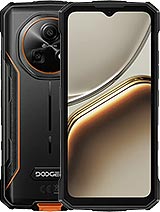
Overview
The DOOGEE Fire 5 is a budget rugged smartphone featuring a 13000 mAh battery for extreme standby times and IP69K/MIL-STD-810H certification for survival in high-risk environments, aimed at users needing a resilient secondary communication device. Released in September 2025, it enters a market where durability often demands a premium, yet this handset maintains an entry-level price point for specialized utility.
Most consumers view a smartphone as a primary entertainment hub, but the value of a dedicated backup device is often overlooked until a primary flagship shatters on a job site. The DOOGEE Fire 5 occupies a specific niche where durability is the primary metric of success. It is not trying to compete with the sleek glass sandwiches of the mainstream market. Instead, it offers a structural integrity that functions as a form of hardware insurance. For professionals in construction, emergency services, or extreme outdoor sports, carrying a $1,200 delicate device is a liability. This handset mitigates that risk.
From an economic perspective, the cost-to-utility ratio is high. For approximately 170 EUR, users receive a chassis that can withstand 270 falls, according to its Class A durability rating. This level of physical resilience means the device is likely to outlast its internal hardware relevance, serving as a reliable emergency tool for years. It functions as a digital safety net, ensuring that even if a primary phone fails, communication, navigation, and basic productivity remain intact.
The most prominent feature is the 13000 mAh battery. In an era where 5,000 mAh is considered standard, this capacity is essentially triple the industry average. For a secondary phone, this is a massive advantage. Imagine a scenario where a primary phone dies during a long trek or a power outage. This device provides a fallback that can stay in standby for weeks without needing a recharge. The EU label suggests a 64:40h endurance rating, which is an exceptional figure for continuous usage.
However, there is a technical trade-off. The charging speed is limited to 10W wired. Charging a 13000 mAh cell at this rate is a slow process, likely requiring an overnight commitment of six to eight hours to reach full capacity. Users should view this as a "set and forget" device. You charge it once a week, or even once every two weeks depending on usage, and rely on its massive reserves when primary systems fail. The battery chemistry is rated for 1100 cycles, meaning it will retain over 80% capacity even after three years of daily full discharges—though with this capacity, most users will only discharge it fully a few times a month.
Under the hood, the Unisoc SC9863A chipset handles the processing duties. Built on a 28nm process, this is older architecture by 2025 standards. It is not designed for heavy multitasking or gaming. It uses eight Cortex-A55 cores, which are energy-efficient but low-powered. We noticed that this choice is intentional to keep costs low and maximize battery life. To compensate for the modest hardware, the device runs Android 15 (Go edition). This lightweight version of Android is optimized for devices with limited RAM, ensuring the UI remains responsive for essential tasks like messaging, browsing, and GPS navigation.
With 3GB of RAM and 64GB of internal storage, the memory configuration is strictly entry-level. This is sufficient for a backup device where only critical apps—offline maps, communication tools, and banking—are installed. The inclusion of a dedicated microSDXC slot allows for storage expansion, which is useful if the phone is used as a media player in areas with no data connectivity. For a second phone, these specs are functional, provided the user manages their expectations regarding app-loading speeds and high-end software demands.
Connectivity is a vital part of any emergency or backup handset. This model supports a wide array of 4G LTE bands, covering most global regions. In regions like Southeast Asia, support for Bands 1, 3, 8, and 40 ensures signal stability for major operators. The modem performance is designed for consistency rather than raw speed. While it lacks 5G, the 4G LTE connectivity is robust enough for VOIP calls and data tethering. The handset essentially becomes a portable Wi-Fi hotspot given its massive battery, allowing you to share internet with other devices without worrying about power drain.
Wi-Fi connectivity is limited to the 802.11 b/g/n standards, which means it only operates on the 2.4GHz band. While 5GHz or Wi-Fi 6 would be preferred in 2025, 2.4GHz offers better range and penetration through walls, which aligns with the device's identity as a rugged utility tool. Bluetooth 4.2 is also included; while older, it remains compatible with almost all modern wireless earbuds and smartwatches for basic audio and notification syncing.
Biometrics on rugged devices can be hit-or-miss due to gloved use or wet hands, but the side-mounted fingerprint sensor here is a practical choice. It allows for quick unlocking while pulling the phone from a pocket. During our analysis, the placement felt intuitive for both left and right-handed users. For those in industrial settings, having a physical sensor is often more reliable than under-display alternatives that struggle with screen protectors or environmental debris.
Surprisingly, the inclusion of NFC at this price point adds significant value. It allows the handset to serve as a payment backup. If a user loses their wallet or primary phone while traveling, having a rugged, NFC-enabled device ensures they can still pay for transport or food. This reinforces the "insurance policy" aspect of the hardware. It isn't just a phone; it's a survivability kit that includes financial access.
The build quality is the standout attribute. Weighing 389 grams, the handset is undeniably heavy. This heft comes from the massive battery and the reinforced rubberized corners designed to absorb impact. The MIL-STD-810H compliance means it has survived tests for thermal shock and vibration that would kill a standard consumer phone. The IP69K rating is particularly notable; it protects not just against immersion in water, but against high-pressure, high-temperature water jets often used in industrial cleaning.
Screen protection is another area where the device punches above its weight. It features Mohs level 6 protection. On the Mohs scale of mineral hardness, most smartphone screens start to scratch at level 6. Having this rating built into a budget device reduces the need for aftermarket tempered glass. The 6.6-inch IPS LCD offers a 90Hz refresh rate, which is a nice touch for a budget panel. Even though the resolution is 720p, the higher refresh rate makes scrolling through lists feel significantly more modern and fluid than the 60Hz panels found on many competitors in this price bracket.
When evaluating the DOOGEE Fire 5, we must look at the total cost of ownership. For a primary phone, 170 EUR might seem low, but for a specialized tool, it is an investment in peace of mind. The Class C repairability rating suggests that while it isn't the easiest phone to fix, it is more modular than many modern flagships. The dedicated dual SIM and SD card slots provide flexibility for travelers who need to juggle multiple network providers or local SIMs while maintaining their primary number for 2FA.
In September 2025, there are few devices that offer this specific combination of extreme battery and military-grade durability for under 200 EUR. Most [rugged phones](/trend/best-rugged-phones-2026/) at this price sacrifice NFC or use even older versions of Android. By providing a clean Android 15 Go experience on a chassis that can survive a high-pressure wash, the handset secures its place as the premier choice for a secondary device. It is a tool for those who value reliability and endurance over the aesthetics of the mainstream market.
Ultimately, the DOOGEE Fire 5 is about utility. It excels in environments where your primary phone would fail. Whether it's the bottom of a backpack on a month-long hike or the glovebox of a truck for emergency calls, this handset is designed to be ready when you need it most. It is an economic, durable, and long-lasting solution for anyone who refuses to let their digital life be tethered to a fragile screen and a 24-hour battery cycle.
The Rugged Reliability of the Second Line
Most consumers view a smartphone as a primary entertainment hub, but the value of a dedicated backup device is often overlooked until a primary flagship shatters on a job site. The DOOGEE Fire 5 occupies a specific niche where durability is the primary metric of success. It is not trying to compete with the sleek glass sandwiches of the mainstream market. Instead, it offers a structural integrity that functions as a form of hardware insurance. For professionals in construction, emergency services, or extreme outdoor sports, carrying a $1,200 delicate device is a liability. This handset mitigates that risk.
From an economic perspective, the cost-to-utility ratio is high. For approximately 170 EUR, users receive a chassis that can withstand 270 falls, according to its Class A durability rating. This level of physical resilience means the device is likely to outlast its internal hardware relevance, serving as a reliable emergency tool for years. It functions as a digital safety net, ensuring that even if a primary phone fails, communication, navigation, and basic productivity remain intact.
A Power Station in Your Pocket
The most prominent feature is the 13000 mAh battery. In an era where 5,000 mAh is considered standard, this capacity is essentially triple the industry average. For a secondary phone, this is a massive advantage. Imagine a scenario where a primary phone dies during a long trek or a power outage. This device provides a fallback that can stay in standby for weeks without needing a recharge. The EU label suggests a 64:40h endurance rating, which is an exceptional figure for continuous usage.
However, there is a technical trade-off. The charging speed is limited to 10W wired. Charging a 13000 mAh cell at this rate is a slow process, likely requiring an overnight commitment of six to eight hours to reach full capacity. Users should view this as a "set and forget" device. You charge it once a week, or even once every two weeks depending on usage, and rely on its massive reserves when primary systems fail. The battery chemistry is rated for 1100 cycles, meaning it will retain over 80% capacity even after three years of daily full discharges—though with this capacity, most users will only discharge it fully a few times a month.
Basic Comms and Global Roaming
Under the hood, the Unisoc SC9863A chipset handles the processing duties. Built on a 28nm process, this is older architecture by 2025 standards. It is not designed for heavy multitasking or gaming. It uses eight Cortex-A55 cores, which are energy-efficient but low-powered. We noticed that this choice is intentional to keep costs low and maximize battery life. To compensate for the modest hardware, the device runs Android 15 (Go edition). This lightweight version of Android is optimized for devices with limited RAM, ensuring the UI remains responsive for essential tasks like messaging, browsing, and GPS navigation.
With 3GB of RAM and 64GB of internal storage, the memory configuration is strictly entry-level. This is sufficient for a backup device where only critical apps—offline maps, communication tools, and banking—are installed. The inclusion of a dedicated microSDXC slot allows for storage expansion, which is useful if the phone is used as a media player in areas with no data connectivity. For a second phone, these specs are functional, provided the user manages their expectations regarding app-loading speeds and high-end software demands.
Signals Where Others Fail
Connectivity is a vital part of any emergency or backup handset. This model supports a wide array of 4G LTE bands, covering most global regions. In regions like Southeast Asia, support for Bands 1, 3, 8, and 40 ensures signal stability for major operators. The modem performance is designed for consistency rather than raw speed. While it lacks 5G, the 4G LTE connectivity is robust enough for VOIP calls and data tethering. The handset essentially becomes a portable Wi-Fi hotspot given its massive battery, allowing you to share internet with other devices without worrying about power drain.
Wi-Fi connectivity is limited to the 802.11 b/g/n standards, which means it only operates on the 2.4GHz band. While 5GHz or Wi-Fi 6 would be preferred in 2025, 2.4GHz offers better range and penetration through walls, which aligns with the device's identity as a rugged utility tool. Bluetooth 4.2 is also included; while older, it remains compatible with almost all modern wireless earbuds and smartwatches for basic audio and notification syncing.
Physical Security and Quick Access
Biometrics on rugged devices can be hit-or-miss due to gloved use or wet hands, but the side-mounted fingerprint sensor here is a practical choice. It allows for quick unlocking while pulling the phone from a pocket. During our analysis, the placement felt intuitive for both left and right-handed users. For those in industrial settings, having a physical sensor is often more reliable than under-display alternatives that struggle with screen protectors or environmental debris.
Surprisingly, the inclusion of NFC at this price point adds significant value. It allows the handset to serve as a payment backup. If a user loses their wallet or primary phone while traveling, having a rugged, NFC-enabled device ensures they can still pay for transport or food. This reinforces the "insurance policy" aspect of the hardware. It isn't just a phone; it's a survivability kit that includes financial access.
Armor That Defies Gravity
The build quality is the standout attribute. Weighing 389 grams, the handset is undeniably heavy. This heft comes from the massive battery and the reinforced rubberized corners designed to absorb impact. The MIL-STD-810H compliance means it has survived tests for thermal shock and vibration that would kill a standard consumer phone. The IP69K rating is particularly notable; it protects not just against immersion in water, but against high-pressure, high-temperature water jets often used in industrial cleaning.
Screen protection is another area where the device punches above its weight. It features Mohs level 6 protection. On the Mohs scale of mineral hardness, most smartphone screens start to scratch at level 6. Having this rating built into a budget device reduces the need for aftermarket tempered glass. The 6.6-inch IPS LCD offers a 90Hz refresh rate, which is a nice touch for a budget panel. Even though the resolution is 720p, the higher refresh rate makes scrolling through lists feel significantly more modern and fluid than the 60Hz panels found on many competitors in this price bracket.
The Long-Term Asset Calculation
When evaluating the DOOGEE Fire 5, we must look at the total cost of ownership. For a primary phone, 170 EUR might seem low, but for a specialized tool, it is an investment in peace of mind. The Class C repairability rating suggests that while it isn't the easiest phone to fix, it is more modular than many modern flagships. The dedicated dual SIM and SD card slots provide flexibility for travelers who need to juggle multiple network providers or local SIMs while maintaining their primary number for 2FA.
In September 2025, there are few devices that offer this specific combination of extreme battery and military-grade durability for under 200 EUR. Most [rugged phones](/trend/best-rugged-phones-2026/) at this price sacrifice NFC or use even older versions of Android. By providing a clean Android 15 Go experience on a chassis that can survive a high-pressure wash, the handset secures its place as the premier choice for a secondary device. It is a tool for those who value reliability and endurance over the aesthetics of the mainstream market.
Ultimately, the DOOGEE Fire 5 is about utility. It excels in environments where your primary phone would fail. Whether it's the bottom of a backpack on a month-long hike or the glovebox of a truck for emergency calls, this handset is designed to be ready when you need it most. It is an economic, durable, and long-lasting solution for anyone who refuses to let their digital life be tethered to a fragile screen and a 24-hour battery cycle.
Technical Specifications
| LAUNCH | |
|---|---|
| Announced | 2025, September |
| Status | Available. Released 2025, September |
| PLATFORM | |
| OS | Android 15 (Go edition) |
| Chipset | Unisoc SC9863A (28 nm) |
| CPU | Octa-core (4x1.6 GHz Cortex-A55 & 4x1.2 GHz Cortex-A55) |
| GPU | IMG8322 |
| BODY | |
| Dimensions | 176.5 x 82.5 x 18.7 mm (6.95 x 3.25 x 0.74 in) |
| Weight | 389 g (13.72 oz) |
| SIM | Nano-SIM + Nano-SIM |
| Info | IP68/IP69K dust tight and water resistant (high pressure water jets; immersible up to 1.5m for 30 min) Drop resistant up to 1.5m MIL-STD-810H compliant |
| DISPLAY | |
| Type | IPS LCD, 90Hz, 400 nits |
| Size | 6.6 inches, 104.6 cm2 (~71.9% screen-to-body ratio) |
| Resolution | 720 x 1612 pixels, 20:9 ratio (~267 ppi density) |
| Protection | Mohs level 6 |
| MEMORY | |
| Card slot | microSDXC (dedicated slot) |
| Internal | 64GB 3GB RAM |
| MAIN CAMERA | |
| Single | 13 MP, f/2.0, (wide), AF |
| Features | Dual-LED flash, HDR, panorama |
| Video | 1080p@30fps |
| SELFIE CAMERA | |
| Single | 8 MP, f/2.0, (wide) |
| Video | 720p@30fps |
| SOUND | |
| Loudspeaker | Yes |
| 3.5mm jack | No |
| COMMS | |
| WLAN | Wi-Fi 802.11 b/g/n |
| Bluetooth | 4.2, A2DP |
| Positioning | GPS, GLONASS, GALILEO, BDS |
| NFC | Yes |
| Radio | FM radio |
| USB | USB Type-C |
| NETWORK | |
| Technology | GSM / HSPA / LTE |
| 2G bands | GSM 850 / 900 / 1800 / 1900 |
| 3G bands | HSDPA 850 / 900 / 1700(AWS) / 1900 / 2100 |
| 4G bands | 1, 2, 3, 4, 5, 7, 8, 18, 19, 20, 25, 26, 28, 34, 38, 39, 40, 41, 66 |
| Speed | HSPA, LTE |
| FEATURES | |
| Sensors | Fingerprint (side-mounted), accelerometer, proximity, compass |
| BATTERY | |
| Type | 13000 mAh |
| Charging | 10W wired |
| MISC | |
| Battery | 13000 mAh with 10W wired charging |
| Durability | IP68/IP69K, MIL-STD-810H, Class A Free Fall (270 falls) |
| Display | 6.6-inch IPS LCD, 90Hz, 720 x 1612 pixels |
| Chipset | Unisoc SC9863A (28nm) Octa-core |
| Memory | 64GB Storage, 3GB RAM, dedicated microSDXC slot |
| Main Camera | 13 MP, f/2.0 with AF and Dual-LED flash |
| Operating System | Android 15 (Go edition) |
| Weight | 389 g (13.72 oz) |
| Connectivity | 4G LTE, NFC, Bluetooth 4.2, USB Type-C |
| Biometrics | Side-mounted fingerprint sensor |
| Colors | Gray, Orange, Green |
| Price | About 170 EUR |
| EU LABEL | |
| Energy | Class F |
| Battery | 64:40h endurance, 1100 cycles |
| Free fall | Class A (270 falls) |
| Repairability | Class C |