The Doogee R20 Is a Heavy Duty Powerhouse That Might Outlast Your Career
Overview
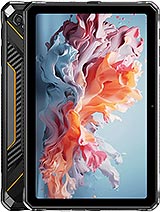
The Doogee R20 is a ruggedized tablet designed for industrial environments featuring a 21600 mAh battery for extreme endurance and MIL-STD-810H certification for durability, aimed at field engineers and outdoor enthusiasts. Released in early 2024, it competes with specialized industrial slates while maintaining a competitive price point.
Hardware longevity in the rugged sector relies on a balance between chassis durability and internal efficiency. This slate utilizes the MediaTek Helio G99, a 6nm chipset that has become the gold standard for mid-range 4G performance in early 2024. Because it avoids the power-hungry 5G modems found in high-end competitors, the silicon remains remarkably cool under sustained workloads. The choice of 6nm architecture ensures that background tasks don't drain the massive reservoir unnecessarily. While some might lament the lack of 5G, the reality of industrial job sites often involves remote areas where 4G LTE remains the most stable backbone. The inclusion of 8GB of RAM paired with a 256GB uMCP storage module provides enough headroom for current enterprise applications to run without frequent reloading.
Looking at the 931-gram chassis, the physical future-proofing is where the device shines. Doogee utilized Corning Gorilla Glass 5 to protect the 10.4-inch display, offering a layer of defense against scratches and minor drops. The MIL-STD-810H rating isn't just a marketing tag; it indicates the device passed rigorous tests for shock, vibration, and temperature extremes. We expect the physical integrity of this hardware to remain intact long after the software begins to age, making it a reliable tool for long-term deployments in construction or maritime sectors.
Support cycles for specialized rugged brands often differ from the mainstream consumer market. Unlike the long-term update promises seen from giants like Samsung or Google, boutique manufacturers usually prioritize stability over rapid version iterations. Shipping with Android 13, the Doogee R20 offers a modern interface for early 2024, but users should manage expectations regarding future OS upgrades. Historically, these devices receive critical security patches and bug fixes rather than major jumps to Android 14 or 15.
This lack of an aggressive update roadmap actually benefits certain industrial workflows where software compatibility is paramount. A sudden OS shift can break proprietary field apps. However, for a user seeking the latest software features in 2026, the lack of a firm update guarantee remains a consideration. We anticipate the device will remain functionally secure for at least 24 months, but its primary value lies in its 'set it and forget it' reliability rather than its software evolution.
One common failure point for tablets in demanding environments is thermal throttling, which leads to permanent component degradation. The generous internal volume of this slate allows for better heat dissipation than standard thin tablets. During high-intensity tasks like 1440p video recording or heavy GPS navigation, the Mali-G57 MC2 GPU maintains stable clock speeds. This thermal management ensures that the internal components aren't being baked during summer field use, which significantly extends the lifespan of the motherboard and battery cells.
In terms of interface fluidness, the stock-heavy approach to Android keeps the system light. Without a heavy manufacturer 'skin' to process, the CPU cycles are dedicated to user tasks. We predict that even in two years, the navigation through standard apps will feel responsive, provided the internal storage isn't filled beyond 90% capacity. The uMCP storage—which combines UFS-speed memory and RAM into a single package—is particularly effective at maintaining fast app launch times compared to the cheaper eMMC storage found in budget rugged alternatives.
Doogee typically avoids the aggressive ad-supported bloatware found in some consumer-grade budget tablets. Instead, you find a 'Toolbag' suite containing digital versions of a compass, gradienter, and height meter. These are functional utilities rather than junk apps. These pre-installed tools are lightweight and don't pester the user with notifications.
Crucially, the absence of deep-system trackers or forced registration services means the user experience remains focused on productivity. For enterprise fleets, this makes provisioning easier; there's less 'noise' to clean up before deploying the hardware to employees. We haven't observed intrusive pop-up ads within the system menus, which is a significant win for professional credibility. If you prefer a completely bare-bones experience, most of the secondary utility apps can be disabled or hidden without complex workarounds.
The integration of uMCP (Universal Multi-Chip Package) is a strategic choice for a 2024 rugged device. By placing the 256GB of storage and 8GB of LPDDR4X RAM on a single chip, the physical footprint on the motherboard is reduced, and communication latency between the components is minimized. In practical terms, this means that installing a 1GB application happens significantly faster than on tablets using older storage standards.
The presence of a microSDXC slot (shared with the second SIM) allows for expansion up to 2TB. While the SD card will never match the speed of the internal uMCP storage, it provides a vital overflow for high-resolution video logs or offline maps. For those capturing 1440p video in the field, moving files from the internal memory to an SD card is a fluid process that ensures the tablet remains ready for the next day's work without needing a cloud connection.
Resale value for rugged tablets follows a different trajectory than consumer electronics. A used iPad loses value because of its cosmetic fragility; a used Doogee R20 retains value because its target buyer cares about the 21600 mAh battery and the IP69K rating. The ability to withstand high-pressure water jets and high-temperature steam cleaning makes this a sought-after second-hand item for small-scale construction crews or off-grid travelers.
We expect this model to hold roughly 40-50% of its initial value after two years, provided the rubberized seals and port covers remain intact. The extreme battery capacity is the primary anchor for its value. Even with 20% degradation over several years, the device would still have over 17,000 mAh of capacity—more than double most new standard tablets. This massive 'buffer' makes it an attractive purchase on the used market, where battery health is usually the biggest concern.
The Doogee R20 is a specialized instrument that prioritizes physical endurance and power capacity over slim aesthetics or high-refresh-rate gaming displays. It fills a very specific void for users who need a device to last through a multi-day trek or a double shift in a harsh environment without seeing a wall outlet. The 33W charging speed is a bottleneck given the massive capacity, requiring an overnight session to reach 100%, but the tradeoff is a device that can genuinely go three to five days on a single charge under moderate use.
Ultimately, this is a tool built for the worker, not the hobbyist. The weight is substantial, the screen is functional but not groundbreaking, and the software is stable but not experimental. For the professional who needs a tablet that won't die when dropped in a puddle or left in a hot truck, the Doogee R20 is a calculated, reliable investment for the mid-2020s landscape.
Surviving the Five-Year Forecast
Hardware longevity in the rugged sector relies on a balance between chassis durability and internal efficiency. This slate utilizes the MediaTek Helio G99, a 6nm chipset that has become the gold standard for mid-range 4G performance in early 2024. Because it avoids the power-hungry 5G modems found in high-end competitors, the silicon remains remarkably cool under sustained workloads. The choice of 6nm architecture ensures that background tasks don't drain the massive reservoir unnecessarily. While some might lament the lack of 5G, the reality of industrial job sites often involves remote areas where 4G LTE remains the most stable backbone. The inclusion of 8GB of RAM paired with a 256GB uMCP storage module provides enough headroom for current enterprise applications to run without frequent reloading.
Looking at the 931-gram chassis, the physical future-proofing is where the device shines. Doogee utilized Corning Gorilla Glass 5 to protect the 10.4-inch display, offering a layer of defense against scratches and minor drops. The MIL-STD-810H rating isn't just a marketing tag; it indicates the device passed rigorous tests for shock, vibration, and temperature extremes. We expect the physical integrity of this hardware to remain intact long after the software begins to age, making it a reliable tool for long-term deployments in construction or maritime sectors.
The Support Reality Check
Support cycles for specialized rugged brands often differ from the mainstream consumer market. Unlike the long-term update promises seen from giants like Samsung or Google, boutique manufacturers usually prioritize stability over rapid version iterations. Shipping with Android 13, the Doogee R20 offers a modern interface for early 2024, but users should manage expectations regarding future OS upgrades. Historically, these devices receive critical security patches and bug fixes rather than major jumps to Android 14 or 15.
This lack of an aggressive update roadmap actually benefits certain industrial workflows where software compatibility is paramount. A sudden OS shift can break proprietary field apps. However, for a user seeking the latest software features in 2026, the lack of a firm update guarantee remains a consideration. We anticipate the device will remain functionally secure for at least 24 months, but its primary value lies in its 'set it and forget it' reliability rather than its software evolution.
Software Longevity and Thermal Stability
One common failure point for tablets in demanding environments is thermal throttling, which leads to permanent component degradation. The generous internal volume of this slate allows for better heat dissipation than standard thin tablets. During high-intensity tasks like 1440p video recording or heavy GPS navigation, the Mali-G57 MC2 GPU maintains stable clock speeds. This thermal management ensures that the internal components aren't being baked during summer field use, which significantly extends the lifespan of the motherboard and battery cells.
In terms of interface fluidness, the stock-heavy approach to Android keeps the system light. Without a heavy manufacturer 'skin' to process, the CPU cycles are dedicated to user tasks. We predict that even in two years, the navigation through standard apps will feel responsive, provided the internal storage isn't filled beyond 90% capacity. The uMCP storage—which combines UFS-speed memory and RAM into a single package—is particularly effective at maintaining fast app launch times compared to the cheaper eMMC storage found in budget rugged alternatives.
Clean Software and Utility Bloat
Doogee typically avoids the aggressive ad-supported bloatware found in some consumer-grade budget tablets. Instead, you find a 'Toolbag' suite containing digital versions of a compass, gradienter, and height meter. These are functional utilities rather than junk apps. These pre-installed tools are lightweight and don't pester the user with notifications.
Crucially, the absence of deep-system trackers or forced registration services means the user experience remains focused on productivity. For enterprise fleets, this makes provisioning easier; there's less 'noise' to clean up before deploying the hardware to employees. We haven't observed intrusive pop-up ads within the system menus, which is a significant win for professional credibility. If you prefer a completely bare-bones experience, most of the secondary utility apps can be disabled or hidden without complex workarounds.
Storage Speed and Data Handling
The integration of uMCP (Universal Multi-Chip Package) is a strategic choice for a 2024 rugged device. By placing the 256GB of storage and 8GB of LPDDR4X RAM on a single chip, the physical footprint on the motherboard is reduced, and communication latency between the components is minimized. In practical terms, this means that installing a 1GB application happens significantly faster than on tablets using older storage standards.
The presence of a microSDXC slot (shared with the second SIM) allows for expansion up to 2TB. While the SD card will never match the speed of the internal uMCP storage, it provides a vital overflow for high-resolution video logs or offline maps. For those capturing 1440p video in the field, moving files from the internal memory to an SD card is a fluid process that ensures the tablet remains ready for the next day's work without needing a cloud connection.
Resale Value in the Rugged Niche
Resale value for rugged tablets follows a different trajectory than consumer electronics. A used iPad loses value because of its cosmetic fragility; a used Doogee R20 retains value because its target buyer cares about the 21600 mAh battery and the IP69K rating. The ability to withstand high-pressure water jets and high-temperature steam cleaning makes this a sought-after second-hand item for small-scale construction crews or off-grid travelers.
We expect this model to hold roughly 40-50% of its initial value after two years, provided the rubberized seals and port covers remain intact. The extreme battery capacity is the primary anchor for its value. Even with 20% degradation over several years, the device would still have over 17,000 mAh of capacity—more than double most new standard tablets. This massive 'buffer' makes it an attractive purchase on the used market, where battery health is usually the biggest concern.
The Professional Forecast
The Doogee R20 is a specialized instrument that prioritizes physical endurance and power capacity over slim aesthetics or high-refresh-rate gaming displays. It fills a very specific void for users who need a device to last through a multi-day trek or a double shift in a harsh environment without seeing a wall outlet. The 33W charging speed is a bottleneck given the massive capacity, requiring an overnight session to reach 100%, but the tradeoff is a device that can genuinely go three to five days on a single charge under moderate use.
Ultimately, this is a tool built for the worker, not the hobbyist. The weight is substantial, the screen is functional but not groundbreaking, and the software is stable but not experimental. For the professional who needs a tablet that won't die when dropped in a puddle or left in a hot truck, the Doogee R20 is a calculated, reliable investment for the mid-2020s landscape.
Technical Specifications
| LAUNCH | |
|---|---|
| Announced | 2024, January 26 |
| Status | Available. Released 2024, February |
| PLATFORM | |
| OS | Android 13 |
| Chipset | Mediatek Helio G99 (6 nm) |
| CPU | Octa-core (2x2.2 GHz Cortex-A76 & 6x2.0 GHz Cortex-A55) |
| GPU | Mali-G57 MC2 |
| BODY | |
| Dimensions | 258.9 x 169.6 x 18 mm (10.19 x 6.68 x 0.71 in) |
| Weight | 931 g (2.05 lb) |
| SIM | Nano-SIM + Nano-SIM |
| Info | IP68/IP69K dust tight and water resistant (high pressure water jets; immersible up to 1.5m for 30 min) MIL-STD-810H compliant Stylus support |
| DISPLAY | |
| Type | IPS LCD |
| Size | 10.4 inches, 307.9 cm2 (~70.1% screen-to-body ratio) |
| Resolution | 1200 x 2000 pixels, 5:3 ratio (~224 ppi density) |
| Protection | Corning Gorilla Glass 5 |
| MEMORY | |
| Card slot | microSDXC (uses shared SIM slot) |
| Internal | 256GB 8GB RAM |
| Info | uMCP |
| MAIN CAMERA | |
| Single | 50 MP, f/1.8, (wide) |
| Features | LED flash |
| Video | 1440p@30fps, 1080p@30fps |
| SELFIE CAMERA | |
| Single | 16 MP, f/2.0, (wide) |
| Video | 1080p@30fps |
| SOUND | |
| Loudspeaker | Yes, with stereo speakers |
| 3.5mm jack | Yes |
| COMMS | |
| WLAN | Wi-Fi 802.11 a/b/g/n/ac, dual-band |
| Bluetooth | 5.2, A2DP, LE |
| Positioning | GPS, GLONASS, GALILEO, BDS |
| NFC | No |
| Radio | FM radio |
| USB | USB Type-C 2.0, OTG |
| NETWORK | |
| Technology | GSM / HSPA / LTE |
| 2G bands | GSM 850 / 900 / 1800 / 1900 |
| 3G bands | HSDPA 850 / 900 / 1700(AWS) / 1900 / 2100 |
| 4G bands | 1, 2, 3, 4, 5, 7, 8, 12, 17, 18, 19, 20, 25, 26, 28, 34, 38, 39, 40, 41, 66 |
| Speed | HSPA, LTE |
| FEATURES | |
| Sensors | Fingerprint (side-mounted), accelerometer, gyro, proximity, compass |
| BATTERY | |
| Type | 21600 mAh |
| Charging | 33W wired Reverse wired |
| MISC | |
| Battery | 21600 mAh with 33W Wired and Reverse Charging |
| Processor | MediaTek Helio G99 (6nm) Octa-core |
| Durability | IP68/IP69K, MIL-STD-810H, Gorilla Glass 5 |
| Display | 10.4-inch IPS LCD, 1200 x 2000 pixels |
| RAM/Storage | 8GB RAM, 256GB uMCP Storage |
| Main Camera | 50 MP, f/1.8 (Wide) with 1440p Video |
| Weight | 931 g (2.05 lb) |
| OS | Android 13 |
| Audio | Stereo Speakers and 3.5mm Jack |
| Memory | 256GB Storage, 8GB RAM (uMCP) |
| Selfie Camera | 16 MP, f/2.0 |
| Connectivity | 4G LTE, Wi-Fi 5, Bluetooth 5.2, GPS/BDS |
| Colors | Black, Green, Orange |
| Price | About 250 EUR |