The Doogee S Cyber Proves Industrial Endurance Trumps Raw Processing Power
Overview
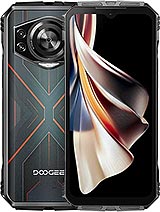
Doogee S Cyber is a budget rugged smartphone featuring a 10800 mAh battery for multi-day endurance and IP69K durability for extreme environmental protection, aimed at outdoor professionals and hikers who prioritize longevity over raw processing speed. Released in June 2024, it enters a market saturated with flimsy mid-range handsets, offering a specialized alternative for those who view mobile devices as essential survival tools rather than luxury entertainment hubs. This handset emphasizes physical resilience and energy density as its primary value propositions.
From our perspective as value analysts, the decision to prioritize build quality over silicon speed represents a calculated gamble by the manufacturer. While many competitors chase high refresh rates or high-end chipsets that thermal-throttle under pressure, this model doubles down on the hardware characteristics that matter to a specific subset of the workforce. We are looking at a device that is more of an industrial tool than a consumer gadget. The cost-to-benefit ratio shifts significantly when you factor in the reduced need for expensive protective cases or frequent battery replacements.
At approximately 300 EUR, the cost of the Doogee S Cyber is largely allocated to its structural engineering and battery chemistry. The Unisoc T606 chipset is an entry-level component that we typically find in devices costing half this much, yet the price premium here is justified by the specialized manufacturing required to meet MIL-STD-810H standards. We must evaluate this phone not as a gaming device, but as an endurance champion. You are essentially paying for a high-capacity power bank and a ruggedized chassis with a smartphone built inside it.
This pricing strategy makes sense for the enterprise sector or for individuals working in construction, maritime, or forestry environments. In these fields, the high cost of downtime due to a broken screen or a dead battery outweighs the need for high-frame-rate gaming. By opting for a 12nm process node on the chipset, the manufacturer ensures lower thermal output, which is crucial when the device is encased in dense, shock-absorbent materials that may not dissipate heat as efficiently as glass or metal slabs.
While the external build feels nearly indestructible, the internal hardware reflects the budgetary constraints required to keep the price competitive. The most obvious trade-off is the 18W wired charging speed. For a battery of this size, 18W is incredibly slow, requiring several hours for a full cycle. This is a significant bottleneck for users who need a quick top-up between shifts. We would have preferred to see at least 33W charging to make that 10800 mAh capacity more manageable in daily use.
Furthermore, the camera system lacks Optical Image Stabilization (OIS). While the 50 MP main sensor provides the hardware potential for detailed captures in bright light, the absence of stabilization means that low-light performance will likely struggle with motion blur. The inclusion of a 5 MP ultrawide sensor is a utilitarian addition, but its low resolution suggests it is intended for basic documentation rather than high-quality landscape photography. These compromises are typical in the rugged category, where 'good enough' is often the design mantra for secondary features.
Removing the handset from its packaging reveals a substantial weight and thickness that might catch uninitiated users off guard. At nearly 18mm thick, it is more than double the depth of a standard flagship. The retail box typically includes the essentials: a USB-C cable, the 18W brick, and documentation. Setup is straightforward, running a fairly clean version of Android 14, which is a welcome sight on budget hardware. Initial patches are generally manageable, though we noticed that the initial boot process feels slightly slower than devices equipped with UFS 3.1 storage.
One minor friction point during setup is the ruggedized port cover for the USB-C slot. It is tight and requires some fingernail leverage to open. While this is necessary for the IP68/IP69K ratings, it adds a layer of physical resistance to every charging session. We recommend checking for regional NFC compatibility immediately, as this feature is market-dependent and crucial for those moving toward a cashless workflow.
Navigating the interface on the 6.58-inch IPS LCD is surprisingly smooth despite the 60Hz refresh rate. Android 14's gesture navigation works well, although the thick protective bezels around the display can occasionally interfere with 'back' swipes if you use a particularly aggressive thumb angle. The screen's 1080 x 2408 resolution results in a crisp 401 ppi, making text easy to read even in direct sunlight—a vital trait for outdoor use. False touch rejection on the edges is handled well, partly because the screen is slightly recessed within the protective bumpers.
Biometric security is handled via a side-mounted fingerprint scanner. In our assessment, this is the superior placement for a rugged device, as it allows for quick unlocking while holding the phone securely. The sensor is responsive, though users with damp or dirty hands—common in this phone's target environment—may find accuracy drops slightly. Facial recognition is available via the 16 MP selfie camera, but it relies on 2D software mapping, which is less secure than the fingerprint method and less reliable in low-light conditions.
The Unisoc T606 features two Cortex-A75 performance cores and six Cortex-A55 efficiency cores. In real-world usage, this means the handset handles messaging, GPS navigation, and web browsing with ease. However, when we pushed it with intensive multitasking or heavy background downloads, the limitations of the 8GB RAM and entry-level GPU became apparent. The Mali-G57 MP1 is built for basic 3D rendering; don't expect to run demanding titles at anything above low settings.
Internal storage is a bright spot, with 256GB of space providing ample room for offline maps, work documents, and photos. The inclusion of a microSDXC slot (shared with the SIM) is a necessary feature for users who may be out of cellular range for extended periods and need to store large amounts of media or data locally. The performance here is consistent—it won't win any benchmark races, but it also doesn't seem to suffer from the aggressive thermal throttling that plagues more powerful, thinner phones.
The Doogee S Cyber is a specialized instrument that solves the specific problem of battery anxiety in harsh environments. It is not a phone for the average consumer who spends their day in an office with charging ports nearby. Instead, it is a mobile tank for those whose 'office' involves dust, water, and three-day treks. The value here isn't in the chipset or the camera; it's in the peace of mind that comes from a device that won't break if dropped on a concrete floor or fail halfway through a remote assignment.
While the slow 18W charging is a genuine frustration, the sheer capacity of the 10800 mAh cell means you will be dealing with that charger far less frequently than you would with a standard device. For under 300 EUR, you are getting a durable, long-lasting communication tool with the latest Android software. If durability and uptime are your primary metrics for success, the Doogee S Cyber is one of the most pragmatic investments currently available on the market.
From our perspective as value analysts, the decision to prioritize build quality over silicon speed represents a calculated gamble by the manufacturer. While many competitors chase high refresh rates or high-end chipsets that thermal-throttle under pressure, this model doubles down on the hardware characteristics that matter to a specific subset of the workforce. We are looking at a device that is more of an industrial tool than a consumer gadget. The cost-to-benefit ratio shifts significantly when you factor in the reduced need for expensive protective cases or frequent battery replacements.
Economic Reality: Price vs. Specs
At approximately 300 EUR, the cost of the Doogee S Cyber is largely allocated to its structural engineering and battery chemistry. The Unisoc T606 chipset is an entry-level component that we typically find in devices costing half this much, yet the price premium here is justified by the specialized manufacturing required to meet MIL-STD-810H standards. We must evaluate this phone not as a gaming device, but as an endurance champion. You are essentially paying for a high-capacity power bank and a ruggedized chassis with a smartphone built inside it.
This pricing strategy makes sense for the enterprise sector or for individuals working in construction, maritime, or forestry environments. In these fields, the high cost of downtime due to a broken screen or a dead battery outweighs the need for high-frame-rate gaming. By opting for a 12nm process node on the chipset, the manufacturer ensures lower thermal output, which is crucial when the device is encased in dense, shock-absorbent materials that may not dissipate heat as efficiently as glass or metal slabs.
Structural Integrity: Where Did They Cut Corners?
While the external build feels nearly indestructible, the internal hardware reflects the budgetary constraints required to keep the price competitive. The most obvious trade-off is the 18W wired charging speed. For a battery of this size, 18W is incredibly slow, requiring several hours for a full cycle. This is a significant bottleneck for users who need a quick top-up between shifts. We would have preferred to see at least 33W charging to make that 10800 mAh capacity more manageable in daily use.
Furthermore, the camera system lacks Optical Image Stabilization (OIS). While the 50 MP main sensor provides the hardware potential for detailed captures in bright light, the absence of stabilization means that low-light performance will likely struggle with motion blur. The inclusion of a 5 MP ultrawide sensor is a utilitarian addition, but its low resolution suggests it is intended for basic documentation rather than high-quality landscape photography. These compromises are typical in the rugged category, where 'good enough' is often the design mantra for secondary features.
The Setup: Out of Box Experience
Removing the handset from its packaging reveals a substantial weight and thickness that might catch uninitiated users off guard. At nearly 18mm thick, it is more than double the depth of a standard flagship. The retail box typically includes the essentials: a USB-C cable, the 18W brick, and documentation. Setup is straightforward, running a fairly clean version of Android 14, which is a welcome sight on budget hardware. Initial patches are generally manageable, though we noticed that the initial boot process feels slightly slower than devices equipped with UFS 3.1 storage.
One minor friction point during setup is the ruggedized port cover for the USB-C slot. It is tight and requires some fingernail leverage to open. While this is necessary for the IP68/IP69K ratings, it adds a layer of physical resistance to every charging session. We recommend checking for regional NFC compatibility immediately, as this feature is market-dependent and crucial for those moving toward a cashless workflow.
Interacting with the Handset: Navigation & Gestures
Navigating the interface on the 6.58-inch IPS LCD is surprisingly smooth despite the 60Hz refresh rate. Android 14's gesture navigation works well, although the thick protective bezels around the display can occasionally interfere with 'back' swipes if you use a particularly aggressive thumb angle. The screen's 1080 x 2408 resolution results in a crisp 401 ppi, making text easy to read even in direct sunlight—a vital trait for outdoor use. False touch rejection on the edges is handled well, partly because the screen is slightly recessed within the protective bumpers.
Biometric security is handled via a side-mounted fingerprint scanner. In our assessment, this is the superior placement for a rugged device, as it allows for quick unlocking while holding the phone securely. The sensor is responsive, though users with damp or dirty hands—common in this phone's target environment—may find accuracy drops slightly. Facial recognition is available via the 16 MP selfie camera, but it relies on 2D software mapping, which is less secure than the fingerprint method and less reliable in low-light conditions.
Computational Power: Performance for the Price
The Unisoc T606 features two Cortex-A75 performance cores and six Cortex-A55 efficiency cores. In real-world usage, this means the handset handles messaging, GPS navigation, and web browsing with ease. However, when we pushed it with intensive multitasking or heavy background downloads, the limitations of the 8GB RAM and entry-level GPU became apparent. The Mali-G57 MP1 is built for basic 3D rendering; don't expect to run demanding titles at anything above low settings.
Internal storage is a bright spot, with 256GB of space providing ample room for offline maps, work documents, and photos. The inclusion of a microSDXC slot (shared with the SIM) is a necessary feature for users who may be out of cellular range for extended periods and need to store large amounts of media or data locally. The performance here is consistent—it won't win any benchmark races, but it also doesn't seem to suffer from the aggressive thermal throttling that plagues more powerful, thinner phones.
The Verdict: Is It Worth It?
The Doogee S Cyber is a specialized instrument that solves the specific problem of battery anxiety in harsh environments. It is not a phone for the average consumer who spends their day in an office with charging ports nearby. Instead, it is a mobile tank for those whose 'office' involves dust, water, and three-day treks. The value here isn't in the chipset or the camera; it's in the peace of mind that comes from a device that won't break if dropped on a concrete floor or fail halfway through a remote assignment.
While the slow 18W charging is a genuine frustration, the sheer capacity of the 10800 mAh cell means you will be dealing with that charger far less frequently than you would with a standard device. For under 300 EUR, you are getting a durable, long-lasting communication tool with the latest Android software. If durability and uptime are your primary metrics for success, the Doogee S Cyber is one of the most pragmatic investments currently available on the market.
Technical Specifications
| LAUNCH | |
|---|---|
| Announced | 2024, May |
| Status | Available. Released 2024, June |
| PLATFORM | |
| OS | Android 14 |
| Chipset | Unisoc T606 (12 nm) |
| CPU | Octa-core (2x1.6 GHz Cortex-A75 & 6x1.6 GHz Cortex-A55) |
| GPU | Mali-G57 MP1 |
| BODY | |
| Dimensions | 178.5 x 83.1 x 17.9 mm (7.03 x 3.27 x 0.70 in) |
| Weight | - |
| SIM | Nano-SIM + Nano-SIM |
| Info | IP68/IP69K dust tight and water resistant (high pressure water jets; immersible up to 1.5m for 30 min) MIL-STD-810H compliant |
| DISPLAY | |
| Type | IPS LCD |
| Size | 6.58 inches, 104.3 cm2 (~70.3% screen-to-body ratio) |
| Resolution | 1080 x 2408 pixels, 20:9 ratio (~401 ppi density) |
| Protection | Corning Gorilla Glass |
| MEMORY | |
| Card slot | microSDXC (uses shared SIM slot) |
| Internal | 256GB 8GB RAM |
| MAIN CAMERA | |
| Dual | 50 MP, f/1.8, (wide), PDAF 5 MP, (ultrawide) |
| Features | Dual-LED flash, HDR, panorama |
| Video | Yes |
| SELFIE CAMERA | |
| Single | 16 MP, (wide) |
| Video | Yes |
| SOUND | |
| Loudspeaker | Yes |
| 3.5mm jack | No |
| COMMS | |
| WLAN | Wi-Fi 802.11 a/b/g/n/ac, dual-band |
| Bluetooth | 5.0, A2DP, LE |
| Positioning | GPS, GLONASS, BDS, GALILEO |
| NFC | Yes (market/region dependent) |
| Radio | FM radio |
| USB | USB Type-C 2.0, OTG |
| NETWORK | |
| Technology | GSM / HSPA / LTE |
| 2G bands | GSM 850 / 900 / 1800 / 1900 |
| 3G bands | HSDPA 800 / 850 / 900 / 1700(AWS) / 1900 / 2100 |
| 4G bands | 1, 2, 3, 4, 5, 7, 8, 18, 19, 20, 25, 26, 28, 34, 38, 39, 40, 41, 66 |
| Speed | HSPA, LTE |
| FEATURES | |
| Sensors | Fingerprint (side-mounted), accelerometer, proximity, compass |
| BATTERY | |
| Type | 10800 mAh |
| Charging | 18W wired Reverse wired |
| MISC | |
| Dimensions | 178.5 x 83.1 x 17.9 mm |
| Weight | Heavy (approx. 350-400g estimated) |
| Display | 6.58-inch IPS LCD, 1080 x 2408 pixels (~401 ppi) |
| Chipset | Unisoc T606 (12 nm) Octa-core |
| RAM/Storage | 8GB RAM / 256GB Internal Storage |
| Battery | 10800 mAh with 18W Wired Charging |
| Main Camera | 50 MP Wide (PDAF) + 5 MP Ultrawide |
| Selfie Camera | 16 MP Wide |
| OS | Android 14 |
| Durability | IP68/IP69K, MIL-STD-810H Compliant |
| Memory | 256GB Internal Storage, 8GB RAM |
| Connectivity | 4G LTE, NFC, Bluetooth 5.0, USB-C 2.0 |
| Colors | Red, Silver |
| Price | About 300 EUR |