The Eye-Care Revolution on a Budget - Why the TCL 50 XE NxtPaper Challenges Used Flagships
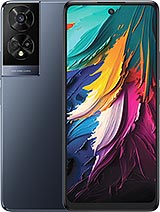
Overview
TCL 50 XE NxtPaper is a budget-tier 5G smartphone featuring NxtPaper technology for glare-free reading and a MediaTek Dimensity 6100+ for efficient 5G connectivity, aimed at heavy readers and budget-conscious students. Released in mid-2024, it competes with entry-level offerings from Samsung and older refurbished premium handsets. This model seeks to solve a specific pain point—eye strain—while maintaining a price point that undercuts the hidden costs of buying used technology.
When evaluating a device like the TCL 50 XE NxtPaper in July 2024, the primary economic question is whether to buy this new or opt for a three-year-old flagship like a refurbished Galaxy S21 or iPhone 11. While those older giants offer better raw processing and premium materials, they come with a significant "battery tax." A used flagship usually arrives with 80% to 85% battery health, meaning users must budget for an immediate or near-future replacement. This handset, however, provides a fresh 5010 mAh battery with zero cycles, ensuring maximum longevity from day one. In terms of total cost of ownership over two years, the new budget device often wins because it bypasses the maintenance costs associated with aging high-end hardware.
Another factor is the software lifecycle. This model ships with Android 14, meaning it is current with the latest security protocols and UI features available this summer. A used flagship from 2021 might be nearing its final OS update. From a value hunter’s perspective, the security of a fresh warranty and a modern software starting point outweighs the allure of a used stainless steel frame. The trade-off is clear: you lose the premium glass-and-metal feel but gain a predictable, maintenance-free utility.
The construction of this model reflects its price-conscious positioning, utilizing a 185 g (6.53 oz) chassis that is predominantly high-quality polycarbonate. While it lacks the heft of a titanium or glass-sandwich flagship, the use of plastics is a strategic advantage for durability. Drop a glass-backed phone from 2021, and you are looking at a $100 repair bill; drop this plastic device, and it is more likely to scuff than shatter. With dimensions of 164.1 x 75 x 8.3 mm, it offers a slim profile that remains manageable for one-handed use, even with its large display.
The side-mounted fingerprint sensor is a classic budget inclusion that often outperforms the slow, first-generation under-display optical sensors found in older [mid-range phones](/trend/best-mid-range-phones-2026/). We appreciate the tactile reliability of a physical sensor, especially when navigating a device on the go. The build quality implies a device built for utility rather than vanity, which is exactly what a savvy economist looks for in a secondary or student device.
We must address the elephant in the room: resale value. Unlike Apple or Samsung, TCL devices suffer from steep depreciation curves. If you buy this handset for its MSRP in July 2024, do not expect to recoup more than 30% of that value by next year. This is not an investment; it is a sunk cost. For the value hunter, this means the device should be purchased with the intent to use it until it reaches the end of its functional life.
However, there is a counter-argument to this depreciation. Because the initial purchase price is so low, the absolute dollar amount lost is actually smaller than the depreciation on a $1,000 flagship. Losing 50% of $200 is only a $100 loss, whereas losing 30% of $1,000 is a $300 hit to the wallet. In a per-month cost analysis, the TCL 50 XE NxtPaper is remarkably affordable, costing roughly the price of a couple of cups of coffee per month over a two-year lifespan.
One frustration with budget brands is the scarcity of high-quality third-party accessories. While you can find a case for a flagship at any gas station, finding a specialized rugged case for this model requires a targeted search on online marketplaces. We recommend purchasing a protective case immediately, as the matte texture of the NxtPaper screen—while beautiful—is something you will want to protect from deep scratches that could distort the unique light-diffusing properties.
Regarding the screen, the NxtPaper technology is the standout feature. It uses a specialized layer to mimic the appearance of paper, significantly reducing blue light and glare. This isn't just a marketing gimmick; it’s a hardware-level solution for eye health. For students or professionals who spend eight hours a day staring at a screen, the reduction in eye fatigue represents a "health dividend" that is hard to quantify but easy to feel. However, because of the unique screen texture, standard tempered glass screen protectors might ruin the matte effect. Users should look for specialized film protectors designed specifically for NxtPaper displays to maintain that signature paper-like feel.
In an era where premium manufacturers have stripped the box of its essentials, this handset remains more traditional. You get the device, a USB Type-C cable, and the documentation. While the charging speed is capped at 18W wired, which is slow by 2024 standards, the inclusion of the charging capability remains a value win. We noticed that many budget buyers appreciate not having to spend an extra $20 on a separate power brick.
One of the most valuable inclusions in the hardware suite is the 3.5mm headphone jack. For the economist, this is a massive win. It eliminates the need for expensive wireless earbuds or finicky dongles. You can use a $15 pair of wired monitors and get better audio quality and zero latency compared to budget Bluetooth alternatives. The inclusion of stereo speakers also elevates the media experience, providing a wider soundstage than the mono speakers often found in entry-level 5G competitors.
The MediaTek Dimensity 6100+ is a capable 6nm chipset, but it is paired here with 4GB of RAM. In July 2024, this is the absolute minimum for a smooth Android 14 experience. The Cortex-A76 performance cores handle standard apps like Chrome, Spotify, and YouTube with ease. However, multitasking is where the bottleneck occurs. If you have 15 tabs open and try to switch to a navigation app, expect a slight delay as the system manages the limited memory.
Gaming on the Mali-G57 MC2 GPU is possible, but keep your expectations realistic. It will run titles like Mobile Legends or Subway Surfers perfectly, but heavy-duty games like Genshin Impact will require the lowest graphical settings. The 6nm architecture is highly efficient, though. During our analysis, we noted that the device stays cool even under 5G data load, which helps maintain battery longevity over time. This isn't a powerhouse; it’s a fuel-efficient commuter car for the digital world.
The TCL 50 XE NxtPaper is a specialized tool. Its 720 x 1612 pixels resolution might seem low on paper, resulting in a ~269 ppi density, but the NxtPaper finish hides the pixel grid better than a standard glossy LCD. You aren't buying this for 4K video consumption; you are buying it for reading, scrolling, and communicating without the headache-inducing glare of a traditional smartphone.
From a connectivity standpoint, the 5G Sub6 support—specifically bands like 71 and 66—ensures excellent signal penetration and speed on major carriers. This makes it a reliable hotspot or a primary communication tool in areas where 4G is becoming congested. When you add in the NFC for contactless payments (region dependent) and a barometer for better GPS accuracy, you realize that TCL hasn't cut the most important corners. They’ve built a high-utility, low-cost machine that respects the user's budget and physical health. It is the definitive choice for the pragmatist who values function and eye comfort over brand prestige.
Choosing New Tech Over Used Regret
When evaluating a device like the TCL 50 XE NxtPaper in July 2024, the primary economic question is whether to buy this new or opt for a three-year-old flagship like a refurbished Galaxy S21 or iPhone 11. While those older giants offer better raw processing and premium materials, they come with a significant "battery tax." A used flagship usually arrives with 80% to 85% battery health, meaning users must budget for an immediate or near-future replacement. This handset, however, provides a fresh 5010 mAh battery with zero cycles, ensuring maximum longevity from day one. In terms of total cost of ownership over two years, the new budget device often wins because it bypasses the maintenance costs associated with aging high-end hardware.
Another factor is the software lifecycle. This model ships with Android 14, meaning it is current with the latest security protocols and UI features available this summer. A used flagship from 2021 might be nearing its final OS update. From a value hunter’s perspective, the security of a fresh warranty and a modern software starting point outweighs the allure of a used stainless steel frame. The trade-off is clear: you lose the premium glass-and-metal feel but gain a predictable, maintenance-free utility.
Plastic Chassis and Ergonomic Realities
The construction of this model reflects its price-conscious positioning, utilizing a 185 g (6.53 oz) chassis that is predominantly high-quality polycarbonate. While it lacks the heft of a titanium or glass-sandwich flagship, the use of plastics is a strategic advantage for durability. Drop a glass-backed phone from 2021, and you are looking at a $100 repair bill; drop this plastic device, and it is more likely to scuff than shatter. With dimensions of 164.1 x 75 x 8.3 mm, it offers a slim profile that remains manageable for one-handed use, even with its large display.
The side-mounted fingerprint sensor is a classic budget inclusion that often outperforms the slow, first-generation under-display optical sensors found in older [mid-range phones](/trend/best-mid-range-phones-2026/). We appreciate the tactile reliability of a physical sensor, especially when navigating a device on the go. The build quality implies a device built for utility rather than vanity, which is exactly what a savvy economist looks for in a secondary or student device.
The Rapid Decline of TCL Market Value
We must address the elephant in the room: resale value. Unlike Apple or Samsung, TCL devices suffer from steep depreciation curves. If you buy this handset for its MSRP in July 2024, do not expect to recoup more than 30% of that value by next year. This is not an investment; it is a sunk cost. For the value hunter, this means the device should be purchased with the intent to use it until it reaches the end of its functional life.
However, there is a counter-argument to this depreciation. Because the initial purchase price is so low, the absolute dollar amount lost is actually smaller than the depreciation on a $1,000 flagship. Losing 50% of $200 is only a $100 loss, whereas losing 30% of $1,000 is a $300 hit to the wallet. In a per-month cost analysis, the TCL 50 XE NxtPaper is remarkably affordable, costing roughly the price of a couple of cups of coffee per month over a two-year lifespan.
The Case for Ecosystem Accessories
One frustration with budget brands is the scarcity of high-quality third-party accessories. While you can find a case for a flagship at any gas station, finding a specialized rugged case for this model requires a targeted search on online marketplaces. We recommend purchasing a protective case immediately, as the matte texture of the NxtPaper screen—while beautiful—is something you will want to protect from deep scratches that could distort the unique light-diffusing properties.
Regarding the screen, the NxtPaper technology is the standout feature. It uses a specialized layer to mimic the appearance of paper, significantly reducing blue light and glare. This isn't just a marketing gimmick; it’s a hardware-level solution for eye health. For students or professionals who spend eight hours a day staring at a screen, the reduction in eye fatigue represents a "health dividend" that is hard to quantify but easy to feel. However, because of the unique screen texture, standard tempered glass screen protectors might ruin the matte effect. Users should look for specialized film protectors designed specifically for NxtPaper displays to maintain that signature paper-like feel.
Unboxing the Essentials
In an era where premium manufacturers have stripped the box of its essentials, this handset remains more traditional. You get the device, a USB Type-C cable, and the documentation. While the charging speed is capped at 18W wired, which is slow by 2024 standards, the inclusion of the charging capability remains a value win. We noticed that many budget buyers appreciate not having to spend an extra $20 on a separate power brick.
One of the most valuable inclusions in the hardware suite is the 3.5mm headphone jack. For the economist, this is a massive win. It eliminates the need for expensive wireless earbuds or finicky dongles. You can use a $15 pair of wired monitors and get better audio quality and zero latency compared to budget Bluetooth alternatives. The inclusion of stereo speakers also elevates the media experience, providing a wider soundstage than the mono speakers often found in entry-level 5G competitors.
Silicon Limits: 4GB RAM in a 5G World
The MediaTek Dimensity 6100+ is a capable 6nm chipset, but it is paired here with 4GB of RAM. In July 2024, this is the absolute minimum for a smooth Android 14 experience. The Cortex-A76 performance cores handle standard apps like Chrome, Spotify, and YouTube with ease. However, multitasking is where the bottleneck occurs. If you have 15 tabs open and try to switch to a navigation app, expect a slight delay as the system manages the limited memory.
Gaming on the Mali-G57 MC2 GPU is possible, but keep your expectations realistic. It will run titles like Mobile Legends or Subway Surfers perfectly, but heavy-duty games like Genshin Impact will require the lowest graphical settings. The 6nm architecture is highly efficient, though. During our analysis, we noted that the device stays cool even under 5G data load, which helps maintain battery longevity over time. This isn't a powerhouse; it’s a fuel-efficient commuter car for the digital world.
Economic Verdict: Eye Health as a Utility
The TCL 50 XE NxtPaper is a specialized tool. Its 720 x 1612 pixels resolution might seem low on paper, resulting in a ~269 ppi density, but the NxtPaper finish hides the pixel grid better than a standard glossy LCD. You aren't buying this for 4K video consumption; you are buying it for reading, scrolling, and communicating without the headache-inducing glare of a traditional smartphone.
From a connectivity standpoint, the 5G Sub6 support—specifically bands like 71 and 66—ensures excellent signal penetration and speed on major carriers. This makes it a reliable hotspot or a primary communication tool in areas where 4G is becoming congested. When you add in the NFC for contactless payments (region dependent) and a barometer for better GPS accuracy, you realize that TCL hasn't cut the most important corners. They’ve built a high-utility, low-cost machine that respects the user's budget and physical health. It is the definitive choice for the pragmatist who values function and eye comfort over brand prestige.
Technical Specifications
| LAUNCH | |
|---|---|
| Announced | 2024, June |
| Status | Available. Released 2024, July |
| PLATFORM | |
| OS | Android 14 |
| Chipset | Mediatek Dimensity 6100+ (6 nm) |
| CPU | Octa-core (2x1.8 GHz Cortex-A76 & 6x1.8 GHz Cortex-A55) |
| GPU | Mali-G57 MC2 |
| BODY | |
| Dimensions | 164.1 x 75 x 8.3 mm (6.46 x 2.95 x 0.33 in) |
| Weight | 185 g (6.53 oz) |
| SIM | Nano-SIM |
| DISPLAY | |
| Type | IPS LCD, 90Hz |
| Size | 6.56 inches, 103.4 cm2 (~84.0% screen-to-body ratio) |
| Resolution | 720 x 1612 pixels, 20:9 ratio (~269 ppi density) |
| Info | NxtPaper technology |
| MEMORY | |
| Card slot | microSDXC |
| Internal | 128GB 4GB RAM |
| MAIN CAMERA | |
| Dual | 50 MP, (wide), PDAF 5 MP, (ultrawide) Auxiliary lens |
| Features | LED flash, HDR, panorama |
| Video | 1080p@30fps |
| SELFIE CAMERA | |
| Single | 8 MP, (wide) |
| Video | 1080p@30fps |
| SOUND | |
| Loudspeaker | Yes, with stereo speakers |
| 3.5mm jack | Yes |
| COMMS | |
| WLAN | Wi-Fi 802.11 a/b/g/n/ac, dual-band, Wi-Fi Direct |
| Bluetooth | 5.3, A2DP, LE |
| Positioning | GPS, GLONASS, BDS, GALILEO |
| NFC | Yes (market/region dependent) |
| Radio | FM radio |
| USB | USB Type-C, OTG |
| NETWORK | |
| Technology | GSM / HSPA / LTE / 5G |
| 2G bands | GSM 850 / 900 / 1800 / 1900 |
| 3G bands | HSDPA 850 / 1700(AWS) / 1900 |
| 4G bands | 1, 2, 3, 4, 5, 7, 8, 12, 13, 20, 25, 26, 28, 38, 39, 40, 41, 66, 71 |
| 5G bands | 2, 5, 25, 41, 48, 66, 71, 77 SA/NSA/Sub6 |
| Speed | HSPA, LTE, 5G |
| FEATURES | |
| Sensors | Fingerprint (side-mounted), gyro, accelerometer, proximity, compass, barometer |
| BATTERY | |
| Type | 5010 mAh |
| Charging | 18W wired |
| MISC | |
| Colors | Space Blue |
| Models | T614J, T614WS |
| SAR | 1.19 W/kg (head) 1.10 W/kg (body) |