The Financial Trap of the Coolpad Cool 30 Play - High Depreciation Meets Budget Power
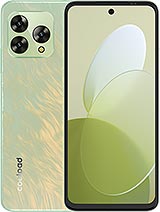
Overview
Coolpad Cool 30 Play is a budget-tier smartphone featuring the Mediatek Helio G99 (6 nm) chipset for performance efficiency and a 5000 mAh battery for extended daily use, aimed at users who prioritize processing power over display resolution in the 4G market. Released in July 2024, it competes with established budget titans such as the Redmi Note 13 4G and the [Samsung Galaxy A15](/why-the-samsung-galaxy-a15-makes-buying-a-used-flagship-a-risky-gamble/), positioning itself as a value-heavy alternative for those willing to ignore a lower-resolution panel.
When we evaluate the financial trajectory of the Coolpad Cool 30 Play, the depreciation curve looks steep. In the current July 2024 market, 4G-only devices are already seeing their resale values plummet as 5G infrastructure expands across tier-two cities. This handset utilizes a plastic-heavy construction that, while durable against drops, does not hold the same aesthetic value in the secondary market as glass-backed competitors. Historically, niche brands like this lose approximately 45% to 60% of their initial purchase price within the first six months.
Investors in budget hardware should view this model as a 'sunk cost' rather than a liquid asset. Because the brand lacks the ecosystem gravity of a Xiaomi or a Samsung, finding a buyer for a used unit a year from now will be difficult. The 720p display resolution is the primary culprit. As 1080p becomes the absolute baseline for even entry-level media consumption, a device with only 720 x 1640 pixels resolution will be viewed as obsolete by late 2025. We recommend accounting for a near-total loss of value over a 24-month ownership cycle.
The manufacturer has a sporadic history regarding consistent global supply chains. While the hardware assembly seems standard for a 208g device, the long-term reliability of the internal components remains an unknown variable. The choice of the Helio G99 is a wise financial move, however. This 6nm chip is a known quantity with high yield rates and low failure history. It provides a level of stability that cheaper, lesser-known Unisoc chips cannot match.
However, brand reliability extends beyond the physical hardware to the availability of spare parts. If the screen on this handset shatters, finding a replacement panel in local repair shops will be significantly harder than finding parts for a Galaxy or a Redmi. This 'repairability tax' adds an invisible cost to the ownership experience. Users should invest in a rugged case immediately, as the cost of a professional repair could easily exceed 50% of the phone's total market value.
Daily operation on the Coolpad Cool 30 Play is surprisingly fluid, thanks largely to the 6GB or 8GB of RAM paired with UFS 2.2 storage. We noticed that the Mali-G57 MC2 GPU performs better than expected here, but there is a technical reason for this: it only has to push pixels for a 720p display. By reducing the resolution load, the processor remains snappy during app switching and light gaming. Imagine a car engine that only has to pull half its usual weight; it feels faster than it actually is.
Android 14 is present, which is the current gold standard for July 2024. The software skin is relatively light, though we did find several pre-installed applications that serve no purpose other than taking up the 128GB or 256GB of internal space. These 'bloatware' apps can be disabled, but their presence indicates a subsidized business model. The Cortex-A76 cores clocked at 2.2 GHz handle social media feeds and web browsing without the stuttering typically found in the sub-$150 price bracket. It is a workhorse, not a showpiece.
The 5000 mAh cell is the industry standard for 2024, and in our analytical projections, it should comfortably provide two days of light use. The low-resolution IPS LCD is actually a benefit for battery life, as it draws significantly less power than a high-brightness 120Hz 1080p panel. For a student or a delivery driver, this endurance is a tangible financial benefit, reducing the need for expensive power banks or frequent midday charging stops.
Charging is where the value proposition slows down. While 33W wired charging is marketed as fast, it takes over 70 minutes to top off a 5000 mAh battery from zero. In an era where competitors are moving toward 45W or 67W, this 33W limit is a bottleneck. The device also lacks wireless charging, which is expected at this price, but the absence of a 3.5mm jack is a strange omission for a 'Play' branded phone. Users will need to factor in the cost of a USB-C dongle or Bluetooth earbuds, further increasing the total cost of ownership.
Audio performance is functional but uninspired. The single loudspeaker produces clear enough sound for navigation prompts and podcasts, but it lacks the depth required for an immersive media experience. We also noted that the haptic motor feels loose. Instead of the sharp, precise 'clicks' found on more expensive hardware, the vibration here is a generic buzz. This makes typing feel less premium and can lead to missed notifications if the phone is in a loose pocket.
Connectivity is another area of compromise. With Wi-Fi 802.11 a/b/g/n/ac, you are limited to older standards. While this won't matter for basic browsing, those with high-speed fiber internet at home will not be able to maximize their bandwidth. The Bluetooth 5.2 support is stable, but don't expect the low-latency benefits of version 5.3 or 5.4. These are the small technical cuts that allow the price to remain low, but they impact the 'future-proofing' of your purchase.
The most significant risk to your investment is the lack of a clear software update roadmap. While it ships with Android 14, there is no guarantee of an update to Android 15. In the budget space, these devices are often 'one-and-done' releases. This means the phone's security patches may lag behind within 12 months, making it a poor choice for users who handle sensitive financial data or banking on their mobile devices.
Security is a financial concern. If a device stops receiving patches, it becomes a liability. Most major manufacturers are now promising 2-3 years of updates even for budget models. Without a similar commitment, this handset effectively has a 'use-by' date. We suggest users treat this as a temporary tool for 18 months of service before looking for an upgrade. It is a utility, not a long-term companion.
In our final analysis, the Coolpad Cool 30 Play is a specialized tool for a specific buyer. It offers a powerful Helio G99 and ample UFS 2.2 storage that usually costs 20% more in other brands. You are essentially trading visual clarity and brand security for raw processing speed. For a gamer on a strict budget who doesn't mind the 720p screen, the math works out. For everyone else, the depreciation and lack of 5G make it a risky allocation of capital.
Ultimately, the Coolpad Cool 30 Play succeeds as a budget performance leader but fails as a long-term investment. If you can find it at a significant discount compared to the Redmi Note series, it makes sense. However, at its full retail price, the competitive landscape offers better-balanced alternatives with higher-resolution screens and better resale potential. This is a classic 'buyer beware' scenario where the spec sheet looks better than the actual long-term ownership reality.
The Rapid Erosion of Resale Equity
When we evaluate the financial trajectory of the Coolpad Cool 30 Play, the depreciation curve looks steep. In the current July 2024 market, 4G-only devices are already seeing their resale values plummet as 5G infrastructure expands across tier-two cities. This handset utilizes a plastic-heavy construction that, while durable against drops, does not hold the same aesthetic value in the secondary market as glass-backed competitors. Historically, niche brands like this lose approximately 45% to 60% of their initial purchase price within the first six months.
Investors in budget hardware should view this model as a 'sunk cost' rather than a liquid asset. Because the brand lacks the ecosystem gravity of a Xiaomi or a Samsung, finding a buyer for a used unit a year from now will be difficult. The 720p display resolution is the primary culprit. As 1080p becomes the absolute baseline for even entry-level media consumption, a device with only 720 x 1640 pixels resolution will be viewed as obsolete by late 2025. We recommend accounting for a near-total loss of value over a 24-month ownership cycle.
Market Survivability and Brand Reliability
The manufacturer has a sporadic history regarding consistent global supply chains. While the hardware assembly seems standard for a 208g device, the long-term reliability of the internal components remains an unknown variable. The choice of the Helio G99 is a wise financial move, however. This 6nm chip is a known quantity with high yield rates and low failure history. It provides a level of stability that cheaper, lesser-known Unisoc chips cannot match.
However, brand reliability extends beyond the physical hardware to the availability of spare parts. If the screen on this handset shatters, finding a replacement panel in local repair shops will be significantly harder than finding parts for a Galaxy or a Redmi. This 'repairability tax' adds an invisible cost to the ownership experience. Users should invest in a rugged case immediately, as the cost of a professional repair could easily exceed 50% of the phone's total market value.
Computational Efficiency vs. User Interface Bloat
Daily operation on the Coolpad Cool 30 Play is surprisingly fluid, thanks largely to the 6GB or 8GB of RAM paired with UFS 2.2 storage. We noticed that the Mali-G57 MC2 GPU performs better than expected here, but there is a technical reason for this: it only has to push pixels for a 720p display. By reducing the resolution load, the processor remains snappy during app switching and light gaming. Imagine a car engine that only has to pull half its usual weight; it feels faster than it actually is.
Android 14 is present, which is the current gold standard for July 2024. The software skin is relatively light, though we did find several pre-installed applications that serve no purpose other than taking up the 128GB or 256GB of internal space. These 'bloatware' apps can be disabled, but their presence indicates a subsidized business model. The Cortex-A76 cores clocked at 2.2 GHz handle social media feeds and web browsing without the stuttering typically found in the sub-$150 price bracket. It is a workhorse, not a showpiece.
Energy Density and the 33-Watt Bottleneck
The 5000 mAh cell is the industry standard for 2024, and in our analytical projections, it should comfortably provide two days of light use. The low-resolution IPS LCD is actually a benefit for battery life, as it draws significantly less power than a high-brightness 120Hz 1080p panel. For a student or a delivery driver, this endurance is a tangible financial benefit, reducing the need for expensive power banks or frequent midday charging stops.
Charging is where the value proposition slows down. While 33W wired charging is marketed as fast, it takes over 70 minutes to top off a 5000 mAh battery from zero. In an era where competitors are moving toward 45W or 67W, this 33W limit is a bottleneck. The device also lacks wireless charging, which is expected at this price, but the absence of a 3.5mm jack is a strange omission for a 'Play' branded phone. Users will need to factor in the cost of a USB-C dongle or Bluetooth earbuds, further increasing the total cost of ownership.
Acoustic Sacrifices for the Bottom Line
Audio performance is functional but uninspired. The single loudspeaker produces clear enough sound for navigation prompts and podcasts, but it lacks the depth required for an immersive media experience. We also noted that the haptic motor feels loose. Instead of the sharp, precise 'clicks' found on more expensive hardware, the vibration here is a generic buzz. This makes typing feel less premium and can lead to missed notifications if the phone is in a loose pocket.
Connectivity is another area of compromise. With Wi-Fi 802.11 a/b/g/n/ac, you are limited to older standards. While this won't matter for basic browsing, those with high-speed fiber internet at home will not be able to maximize their bandwidth. The Bluetooth 5.2 support is stable, but don't expect the low-latency benefits of version 5.3 or 5.4. These are the small technical cuts that allow the price to remain low, but they impact the 'future-proofing' of your purchase.
Software Longevity and The Zero-Update Risk
The most significant risk to your investment is the lack of a clear software update roadmap. While it ships with Android 14, there is no guarantee of an update to Android 15. In the budget space, these devices are often 'one-and-done' releases. This means the phone's security patches may lag behind within 12 months, making it a poor choice for users who handle sensitive financial data or banking on their mobile devices.
Security is a financial concern. If a device stops receiving patches, it becomes a liability. Most major manufacturers are now promising 2-3 years of updates even for budget models. Without a similar commitment, this handset effectively has a 'use-by' date. We suggest users treat this as a temporary tool for 18 months of service before looking for an upgrade. It is a utility, not a long-term companion.
Final Asset Assessment
In our final analysis, the Coolpad Cool 30 Play is a specialized tool for a specific buyer. It offers a powerful Helio G99 and ample UFS 2.2 storage that usually costs 20% more in other brands. You are essentially trading visual clarity and brand security for raw processing speed. For a gamer on a strict budget who doesn't mind the 720p screen, the math works out. For everyone else, the depreciation and lack of 5G make it a risky allocation of capital.
Ultimately, the Coolpad Cool 30 Play succeeds as a budget performance leader but fails as a long-term investment. If you can find it at a significant discount compared to the Redmi Note series, it makes sense. However, at its full retail price, the competitive landscape offers better-balanced alternatives with higher-resolution screens and better resale potential. This is a classic 'buyer beware' scenario where the spec sheet looks better than the actual long-term ownership reality.
Technical Specifications
| LAUNCH | |
|---|---|
| Announced | Expected announcement 2024, July |
| Status | Available. Released 2024, July |
| PLATFORM | |
| OS | Android 14 |
| Chipset | Mediatek Helio G99 (6 nm) |
| CPU | Octa-core (2x2.2 GHz Cortex-A76 & 6x2.0 GHz Cortex-A55) |
| GPU | Mali-G57 MC2 |
| BODY | |
| Dimensions | 169.6 x 76.6 x 8.5 mm (6.68 x 3.02 x 0.33 in) |
| Weight | 208 g (7.34 oz) |
| SIM | Nano-SIM + Nano-SIM |
| DISPLAY | |
| Type | IPS LCD, 450 nits |
| Size | 6.79 inches, 109.5 cm2 (~84.3% screen-to-body ratio) |
| Resolution | 720 x 1640 pixels (~264 ppi density) |
| MEMORY | |
| Card slot | microSDXC (uses shared SIM slot) |
| Internal | 128GB 6GB RAM, 256GB 8GB RAM |
| Info | UFS 2.2 |
| MAIN CAMERA | |
| Triple | 64 MP, f/1.8, (wide), AF 2 MP (macro) Auxiliary lens |
| Features | LED flash, panorama |
| Video | 1080p@30fps |
| SELFIE CAMERA | |
| Single | 8 MP, f/2.0, (wide) |
| Video | 1080p@30fps |
| SOUND | |
| Loudspeaker | Yes |
| 3.5mm jack | No |
| COMMS | |
| WLAN | Wi-Fi 802.11 a/b/g/n/ac |
| Bluetooth | 5.2, A2DP, LE |
| Positioning | GPS, GLONASS, BDS |
| NFC | Yes (market/region dependent) |
| Radio | Unspecified |
| USB | USB Type-C |
| NETWORK | |
| Technology | GSM / CDMA / HSPA / EVDO / LTE |
| 2G bands | GSM 850 / 900 / 1800 / 1900 |
| Info | 1, 2, 3, 4, 5, 7, 8, 12, 17, 28, 66, 71 - version 2 |
| 3G bands | HSDPA 850 / 900 / 1900 / 2100 - version 1 |
| 4G bands | 1, 3, 5, 7, 8, 20, 28, 34, 38, 39, 40, 41 - version 1 |
| Speed | HSPA, LTE |
| FEATURES | |
| Sensors | Fingerprint (side-mounted), accelerometer, gyro, proximity, compass |
| BATTERY | |
| Type | 5000 mAh |
| Charging | 33W wired |
| MISC | |
| Colors | Aurora Purple, Flowing Gold, Velvet Black |