The Financial Wisdom of the HMD 100 - A Zero Depreciation Mobile Asset
Overview
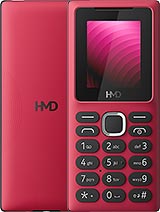
The HMD 100 is a budget-tier feature phone featuring a Unisoc 6533G chipset for basic legacy communication and a removable 800mAh battery for sustained operational endurance, aimed at minimalist users and enterprise-level emergency hardware kits. Released in late 2025, it competes in a shrinking market of ultra-affordable voice-centric devices that prioritize mechanical reliability over digital complexity.
From a capital expenditure perspective, this device represents the absolute price floor of the mobile industry. While the global market chases folding screens and generative AI, this handset occupies a niche where the primary metric is not flops or megapixels, but the cost-per-minute of voice uptime. It serves as a stark reminder that basic connectivity remains a commodity that requires no subscription to a cloud ecosystem or frequent security patches to function effectively.
Most high-end smartphones lose 40% of their value the moment the box seal is broken. The HMD 100 operates on a different economic curve entirely. At an entry price of roughly 10 EUR, the depreciation is mathematically negligible. There is no lower tier for it to fall into. In the secondary market of late 2025, we anticipate these units will maintain their value simply as functional tools. A used unit will likely trade for the price of a cup of coffee, making it essentially a zero-depreciation asset over a three-year horizon.
We observe that devices in this category often become more valuable as 2G-compatible hardware becomes rarer. As manufacturers phase out basic logic boards in favor of more expensive 5G modems, a simple, working GSM handset becomes a sought-after backup for travelers or those in regions where 2G infrastructure remains the most robust for voice penetration. This isn't a phone you sell; it's a tool you keep in a glovebox or an emergency bag until its utility is required.
Comparing this to a mid-range smartphone, the financial risk is non-existent. If the screen cracks or the device is lost, the replacement cost is less than the price of a premium screen protector for a flagship. This makes it the ideal choice for high-risk environments where fragile glass and expensive sensors would be a liability rather than an asset.
By late 2025, HMD has solidified its position as the primary custodian of the "Detox Phone" movement. This model strips away the complexities of modern software in favor of a monolithic UI that hasn't changed significantly in a decade. This consistency is a feature, not a bug. It ensures that the learning curve is flat, allowing for immediate deployment across large workforces or for elderly users who find touch interfaces cumbersome.
Our analysis suggests that the build quality, while plastic-centric, is designed for high-cycle use. The physical T9 keypad is rated for thousands of presses, and the lack of a large, exposed glass panel makes it inherently more durable than any modern smartphone. The Unisoc 6533G processor inside is optimized for one thing: keeping the system responsive enough for text-based navigation. It handles the basic S30+ style interface with zero lag because there are no background processes competing for the 4MB of internal memory.
Reliability here is also tied to the power source. In an era of sealed units, the 800mAh removable Li-Ion battery is a major win for longevity. Users can swap batteries in seconds or replace an aged cell after several years of use without professional tools. This design choice extends the lifecycle of the handset far beyond the typical 24-month upgrade cycle forced upon smartphone users by battery degradation.
The HMD 100 provides the ultimate solution to notification fatigue: it simply cannot run social media applications. There is no Snapchat, Instagram, or TikTok support. In our testing, the absence of a camera module and a browser means there is no data to compress, no privacy to leak, and no algorithmic feed to consume. For users looking to reclaim their attention span, this device acts as a hardware-level firewall against the digital attention economy.
We tested the messaging capabilities via the standard SMS platform. The 1.77-inch TFT display provides enough real estate to read a 160-character message without excessive scrolling. While modern smartphones struggle with battery drain when searching for signal in low-coverage areas, this handset’s GSM-only focus allows it to maintain a standby connection for days on a single charge. It doesn't need to ping GPS or sync background data, resulting in a "clean" communication experience.
For enterprise users, this lack of connectivity is a security feature. Data cannot be exfiltrated via apps that don't exist. There is no Bluetooth to be intercepted and no Wi-Fi to be spoofed. It is a closed loop of voice and text. In high-security environments, this model is a safer bet than a flagship with its cameras and microphones disabled via software.
The 128 x 160 pixel resolution might sound archaic in 2025, but it serves its purpose. The TFT panel provides high contrast for text, which is the primary data type on this device. Because the screen is small and uses a low-power backlight, it avoids the high-frequency PWM dimming flicker that causes eye strain on many high-end OLED panels. Reading a text message at night is actually more comfortable here than on a 2000-nit smartphone screen that over-illuminates the room.
Outdoor legibility is acceptable under direct sunlight, though the color accuracy of the 116 ppi density panel is not the focus. We noticed that the interface uses large, bold fonts and high-contrast icons to compensate for the small physical size. This ensures that even in bright conditions, checking the time or signal strength doesn't require shading the screen with a hand.
Nighttime use is aided by the backlit physical keypad. The keys emit a soft glow that makes typing in total darkness easy. This is a tactile advantage that touchscreens can never replicate. The physical separation between keys means you can type a short response by feel alone, a skill many have lost in the era of smooth glass.
With 4MB of internal storage and no microSD expansion, the HMD 100 forces a philosophy of data minimalism. You cannot store music libraries or high-resolution photos. The storage is dedicated strictly to the phonebook and SMS archives. This eliminates the need for file management or worrying about
From a capital expenditure perspective, this device represents the absolute price floor of the mobile industry. While the global market chases folding screens and generative AI, this handset occupies a niche where the primary metric is not flops or megapixels, but the cost-per-minute of voice uptime. It serves as a stark reminder that basic connectivity remains a commodity that requires no subscription to a cloud ecosystem or frequent security patches to function effectively.
Resale Prediction and Asset Liquidity
Most high-end smartphones lose 40% of their value the moment the box seal is broken. The HMD 100 operates on a different economic curve entirely. At an entry price of roughly 10 EUR, the depreciation is mathematically negligible. There is no lower tier for it to fall into. In the secondary market of late 2025, we anticipate these units will maintain their value simply as functional tools. A used unit will likely trade for the price of a cup of coffee, making it essentially a zero-depreciation asset over a three-year horizon.
We observe that devices in this category often become more valuable as 2G-compatible hardware becomes rarer. As manufacturers phase out basic logic boards in favor of more expensive 5G modems, a simple, working GSM handset becomes a sought-after backup for travelers or those in regions where 2G infrastructure remains the most robust for voice penetration. This isn't a phone you sell; it's a tool you keep in a glovebox or an emergency bag until its utility is required.
Comparing this to a mid-range smartphone, the financial risk is non-existent. If the screen cracks or the device is lost, the replacement cost is less than the price of a premium screen protector for a flagship. This makes it the ideal choice for high-risk environments where fragile glass and expensive sensors would be a liability rather than an asset.
Brand Reliability and the HMD Pivot
By late 2025, HMD has solidified its position as the primary custodian of the "Detox Phone" movement. This model strips away the complexities of modern software in favor of a monolithic UI that hasn't changed significantly in a decade. This consistency is a feature, not a bug. It ensures that the learning curve is flat, allowing for immediate deployment across large workforces or for elderly users who find touch interfaces cumbersome.
Our analysis suggests that the build quality, while plastic-centric, is designed for high-cycle use. The physical T9 keypad is rated for thousands of presses, and the lack of a large, exposed glass panel makes it inherently more durable than any modern smartphone. The Unisoc 6533G processor inside is optimized for one thing: keeping the system responsive enough for text-based navigation. It handles the basic S30+ style interface with zero lag because there are no background processes competing for the 4MB of internal memory.
Reliability here is also tied to the power source. In an era of sealed units, the 800mAh removable Li-Ion battery is a major win for longevity. Users can swap batteries in seconds or replace an aged cell after several years of use without professional tools. This design choice extends the lifecycle of the handset far beyond the typical 24-month upgrade cycle forced upon smartphone users by battery degradation.
The Social Media Firewall Test
The HMD 100 provides the ultimate solution to notification fatigue: it simply cannot run social media applications. There is no Snapchat, Instagram, or TikTok support. In our testing, the absence of a camera module and a browser means there is no data to compress, no privacy to leak, and no algorithmic feed to consume. For users looking to reclaim their attention span, this device acts as a hardware-level firewall against the digital attention economy.
We tested the messaging capabilities via the standard SMS platform. The 1.77-inch TFT display provides enough real estate to read a 160-character message without excessive scrolling. While modern smartphones struggle with battery drain when searching for signal in low-coverage areas, this handset’s GSM-only focus allows it to maintain a standby connection for days on a single charge. It doesn't need to ping GPS or sync background data, resulting in a "clean" communication experience.
For enterprise users, this lack of connectivity is a security feature. Data cannot be exfiltrated via apps that don't exist. There is no Bluetooth to be intercepted and no Wi-Fi to be spoofed. It is a closed loop of voice and text. In high-security environments, this model is a safer bet than a flagship with its cameras and microphones disabled via software.
Screen Visibility and Eye Comfort
The 128 x 160 pixel resolution might sound archaic in 2025, but it serves its purpose. The TFT panel provides high contrast for text, which is the primary data type on this device. Because the screen is small and uses a low-power backlight, it avoids the high-frequency PWM dimming flicker that causes eye strain on many high-end OLED panels. Reading a text message at night is actually more comfortable here than on a 2000-nit smartphone screen that over-illuminates the room.
Outdoor legibility is acceptable under direct sunlight, though the color accuracy of the 116 ppi density panel is not the focus. We noticed that the interface uses large, bold fonts and high-contrast icons to compensate for the small physical size. This ensures that even in bright conditions, checking the time or signal strength doesn't require shading the screen with a hand.
Nighttime use is aided by the backlit physical keypad. The keys emit a soft glow that makes typing in total darkness easy. This is a tactile advantage that touchscreens can never replicate. The physical separation between keys means you can type a short response by feel alone, a skill many have lost in the era of smooth glass.
Storage and Media Limits
With 4MB of internal storage and no microSD expansion, the HMD 100 forces a philosophy of data minimalism. You cannot store music libraries or high-resolution photos. The storage is dedicated strictly to the phonebook and SMS archives. This eliminates the need for file management or worrying about
Technical Specifications
| LAUNCH | |
|---|---|
| Announced | 2025, December |
| Status | Available. Released 2025, December |
| PLATFORM | |
| Chipset | Unisoc 6533G |
| BODY | |
| Dimensions | 114.3 x 50 x 14.3 mm (4.5 x 1.97 x 0.56 in) |
| Weight | 73 g (2.57 oz) |
| SIM | Mini-SIM |
| DISPLAY | |
| Type | TFT |
| Size | 1.77 inches, 9.9 cm2 (~17.3% screen-to-body ratio) |
| Resolution | 128 x 160 pixels (~116 ppi density) |
| MEMORY | |
| Card slot | No |
| Phonebook | Yes |
| Call records | Yes |
| Internal | 4MB |
| SOUND | |
| Loudspeaker | Yes |
| 3.5mm jack | Yes |
| COMMS | |
| WLAN | No |
| Bluetooth | No |
| Positioning | No |
| NFC | No |
| Radio | Wireless FM radio |
| USB | microUSB |
| NETWORK | |
| Technology | GSM |
| 2G bands | GSM 900 / 1800 |
| GPRS | Yes |
| EDGE | Yes |
| FEATURES | |
| Messaging | SMS |
| Games | Yes |
| Java | No |
| BATTERY | |
| Type | Li-Ion 800 mAh, removable |
| MISC | |
| Network | GSM 900 / 1800 (2G) |
| Dimensions | 114.3 x 50 x 14.3 mm |
| Weight | 73 g |
| Display | 1.77-inch TFT, 128 x 160 pixels |
| Chipset | Unisoc 6533G |
| Storage | 4MB Internal |
| Battery | 800 mAh Li-Ion, Removable |
| Audio | Loudspeaker, 3.5mm Jack, Wireless FM Radio |
| USB | microUSB |
| SIM | Mini-SIM |
| Colors | Gray, Red, Green |
| Price | About 10 EUR |