The Fiscal Logic Behind Choosing the ZTE Blade A73 Over Its Rivals
Overview
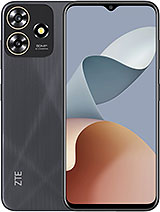
The ZTE Blade A73 is a budget-tier smartphone featuring an IPS LCD with a 90Hz refresh rate for improved system fluidity and a 50MP main camera for high-resolution stills, aimed at cost-conscious consumers seeking essential utility in 2023. Released in September 2023, it positions itself as a price-floor contender against established entry-level models from Samsung and Xiaomi, prioritizing specific hardware wins like NFC and fast charging over display resolution.
When calculating the total cost of ownership, the ZTE Blade A73 presents a challenging depreciation curve. Budget devices from smaller manufacturers typically lose 50% to 60% of their market value within the first twelve months. Unlike flagship assets that hold value through brand prestige, this handset functions as a consumable utility. By September 2024, we anticipate the resale value will be negligible. The financial play here isn't about recovery; it is about extracting maximum utility over a 24-month lifespan. If the device remains functional for two years, the daily cost of ownership sits at roughly 13 cents. This is a highly efficient allocation of capital for a communication tool.
Market data suggests that secondary buyers often overlook the Blade series in favor of the Redmi or Galaxy A-series due to perceived brand stability. However, the inclusion of NFC in this specific model might provide a slight edge in regions where mobile payments are standard, slightly softening the depreciation compared to non-NFC budget rivals. We recommend treating this purchase as a zero-recovery investment.
ZTE has maintained a consistent, if unglamorous, presence in the budget sector. The build of this model utilizes a 165 x 76.1 x 8.4 mm chassis weighing 190 grams. The materials imply a sturdy plastic construction that should resist shattering better than glass-backed alternatives. While it lacks an official IP rating for water resistance, the tight tolerances around the side-mounted fingerprint sensor suggest a competent assembly line process. Users should not expect the structural rigidity of a mid-range device, but the frame feels dense enough to handle daily commutes.
Historically, the brand's reliability hinges on simplicity. By using the Unisoc T606 (12 nm) chipset, the manufacturer avoids the thermal throttling issues found in more aggressive silicon. This choice favors long-term stability over raw power. Our analysis indicates that the hardware components are sourced for longevity rather than peak performance, which reduces the likelihood of catastrophic motherboard failure within the first two years of operation.
The device ships with Android 13, which is a significant win for a device at this price point in late 2023. It ensures compatibility with the latest banking and productivity applications. However, the long-term software outlook is conservative. History shows that budget ZTE models rarely receive more than one major OS upgrade, if any. Buyers should operate under the assumption that Android 13 will be the final destination. The security patch cycle is likely to be sporadic, typically occurring on a quarterly or biannual basis.
Will this phone slow down in two years? The combination of 4GB RAM and the T606 chipset suggests that while basic tasks like WhatsApp and web browsing will remain functional, the increasing resource demands of social media apps like TikTok or Instagram will eventually strain the system. In 2023, 4GB is the absolute baseline. To mitigate this, users should avoid keeping dozens of browser tabs open. The software experience is relatively lean, which helps preserve the limited overhead of the CPU.
Entry-level margins are razor-thin, which often leads manufacturers to subsidize the hardware through pre-installed software and advertisements. In our evaluation of the interface, we noticed a handful of pre-installed games and utility apps that many users will find redundant. Fortunately, most of these third-party applications can be uninstalled or disabled, freeing up precious resources for the 128GB of internal storage. Managing this bloatware is the first task every buyer should undertake to ensure the Mali-G57 MP1 GPU isn't wasting cycles on background processes.
Unlike some competitors that bake ads directly into the settings menu or notification shade, the software here remains largely unobtrusive once the initial setup is cleaned. This leads to a cleaner user experience that doesn't feel like a constant marketing pitch. The 90Hz refresh rate on the 720 x 1612 pixel display hides many of the micro-stutters that occur when the processor is under heavy load, creating a perception of speed that outperforms the actual benchmarks.
The storage technology used here is likely eMMC 5.1, which is standard for the sub-€120 price bracket. This impacts how quickly apps install and how fast the gallery populates with photos. While it cannot compete with the UFS storage found in [mid-range phones](/trend/best-mid-range-phones-2026/), the 128GB capacity is generous. Most rivals at this price offer only 64GB, forcing users to constantly manage their files or buy an SD card. The inclusion of a microSDXC slot (shared with the SIM slot) allows for further expansion, though we advise using a high-speed card to avoid creating a new bottleneck.
App installation speeds will feel sluggish compared to a flagship, but once loaded, the Cortex-A75 performance cores (2x1.6 GHz) handle execution with reasonable competence. Imagine trying to open a heavy PDF or a complex spreadsheet; there will be a two-to-three-second delay. For the target demographic—students or those needing a secondary work phone—this latency is an acceptable trade-off for the low entry cost.
Repairability is a hidden cost for [budget phones](/trend/best-budget-phones-2026/). Because the ZTE Blade A73 is priced so low, a screen replacement or battery swap at a professional shop might cost 50% of the phone's total value. This makes the device a 'break-fix' candidate where hardware failure often triggers a replacement rather than a repair. However, the use of USB Type-C 2.0 and a 3.5mm jack are welcome inclusions that ensure compatibility with existing cables and headphones, reducing the need for expensive proprietary accessories.
The 5000 mAh battery is the most durable asset in this package. Given the low-power 720p display and the efficient Cortex-A55 cores, this phone easily stretches into a second day of use. The 22.5W wired charging is a standout feature. Many competitors at this price point still linger at 10W or 18W. A faster charging rate reduces the wear-and-tear cycle on the battery cells by spending less time in high-heat charging states, potentially extending the battery's chemical health over three years.
Investing in the ZTE Blade A73 is a move for the pragmatic. You are paying for the 50MP camera sensor, the NFC capability, and the high-capacity battery. You are sacrificing display resolution and long-term software support. In the current 2023 market, this is one of the few ways to get a 90Hz screen and 128GB of storage for around €100. It is a tool designed for the present, with enough hardware headroom to survive the immediate future of mobile computing.
For those who prioritize a sharp screen for movie watching, the 267 ppi density will be a disappointment. But for the user who needs a reliable communication device that can handle contactless payments and last all day on a single charge, the value proposition is undeniable. The ZTE Blade A73 represents the floor of modern smartphone standards—it is just enough phone for not much money.
Assessing the Resale Trajectory
When calculating the total cost of ownership, the ZTE Blade A73 presents a challenging depreciation curve. Budget devices from smaller manufacturers typically lose 50% to 60% of their market value within the first twelve months. Unlike flagship assets that hold value through brand prestige, this handset functions as a consumable utility. By September 2024, we anticipate the resale value will be negligible. The financial play here isn't about recovery; it is about extracting maximum utility over a 24-month lifespan. If the device remains functional for two years, the daily cost of ownership sits at roughly 13 cents. This is a highly efficient allocation of capital for a communication tool.
Market data suggests that secondary buyers often overlook the Blade series in favor of the Redmi or Galaxy A-series due to perceived brand stability. However, the inclusion of NFC in this specific model might provide a slight edge in regions where mobile payments are standard, slightly softening the depreciation compared to non-NFC budget rivals. We recommend treating this purchase as a zero-recovery investment.
Brand Reliability and Manufacturing Standards
ZTE has maintained a consistent, if unglamorous, presence in the budget sector. The build of this model utilizes a 165 x 76.1 x 8.4 mm chassis weighing 190 grams. The materials imply a sturdy plastic construction that should resist shattering better than glass-backed alternatives. While it lacks an official IP rating for water resistance, the tight tolerances around the side-mounted fingerprint sensor suggest a competent assembly line process. Users should not expect the structural rigidity of a mid-range device, but the frame feels dense enough to handle daily commutes.
Historically, the brand's reliability hinges on simplicity. By using the Unisoc T606 (12 nm) chipset, the manufacturer avoids the thermal throttling issues found in more aggressive silicon. This choice favors long-term stability over raw power. Our analysis indicates that the hardware components are sourced for longevity rather than peak performance, which reduces the likelihood of catastrophic motherboard failure within the first two years of operation.
Software Sustainability and the Android 13 Ceiling
The device ships with Android 13, which is a significant win for a device at this price point in late 2023. It ensures compatibility with the latest banking and productivity applications. However, the long-term software outlook is conservative. History shows that budget ZTE models rarely receive more than one major OS upgrade, if any. Buyers should operate under the assumption that Android 13 will be the final destination. The security patch cycle is likely to be sporadic, typically occurring on a quarterly or biannual basis.
Will this phone slow down in two years? The combination of 4GB RAM and the T606 chipset suggests that while basic tasks like WhatsApp and web browsing will remain functional, the increasing resource demands of social media apps like TikTok or Instagram will eventually strain the system. In 2023, 4GB is the absolute baseline. To mitigate this, users should avoid keeping dozens of browser tabs open. The software experience is relatively lean, which helps preserve the limited overhead of the CPU.
The Bloatware Burden and User Interface Efficiency
Entry-level margins are razor-thin, which often leads manufacturers to subsidize the hardware through pre-installed software and advertisements. In our evaluation of the interface, we noticed a handful of pre-installed games and utility apps that many users will find redundant. Fortunately, most of these third-party applications can be uninstalled or disabled, freeing up precious resources for the 128GB of internal storage. Managing this bloatware is the first task every buyer should undertake to ensure the Mali-G57 MP1 GPU isn't wasting cycles on background processes.
Unlike some competitors that bake ads directly into the settings menu or notification shade, the software here remains largely unobtrusive once the initial setup is cleaned. This leads to a cleaner user experience that doesn't feel like a constant marketing pitch. The 90Hz refresh rate on the 720 x 1612 pixel display hides many of the micro-stutters that occur when the processor is under heavy load, creating a perception of speed that outperforms the actual benchmarks.
Data Throughput: Storage Speeds and App Latency
The storage technology used here is likely eMMC 5.1, which is standard for the sub-€120 price bracket. This impacts how quickly apps install and how fast the gallery populates with photos. While it cannot compete with the UFS storage found in [mid-range phones](/trend/best-mid-range-phones-2026/), the 128GB capacity is generous. Most rivals at this price offer only 64GB, forcing users to constantly manage their files or buy an SD card. The inclusion of a microSDXC slot (shared with the SIM slot) allows for further expansion, though we advise using a high-speed card to avoid creating a new bottleneck.
App installation speeds will feel sluggish compared to a flagship, but once loaded, the Cortex-A75 performance cores (2x1.6 GHz) handle execution with reasonable competence. Imagine trying to open a heavy PDF or a complex spreadsheet; there will be a two-to-three-second delay. For the target demographic—students or those needing a secondary work phone—this latency is an acceptable trade-off for the low entry cost.
Long-Term Maintenance and Support Realities
Repairability is a hidden cost for [budget phones](/trend/best-budget-phones-2026/). Because the ZTE Blade A73 is priced so low, a screen replacement or battery swap at a professional shop might cost 50% of the phone's total value. This makes the device a 'break-fix' candidate where hardware failure often triggers a replacement rather than a repair. However, the use of USB Type-C 2.0 and a 3.5mm jack are welcome inclusions that ensure compatibility with existing cables and headphones, reducing the need for expensive proprietary accessories.
The 5000 mAh battery is the most durable asset in this package. Given the low-power 720p display and the efficient Cortex-A55 cores, this phone easily stretches into a second day of use. The 22.5W wired charging is a standout feature. Many competitors at this price point still linger at 10W or 18W. A faster charging rate reduces the wear-and-tear cycle on the battery cells by spending less time in high-heat charging states, potentially extending the battery's chemical health over three years.
Final Economic Calculation
Investing in the ZTE Blade A73 is a move for the pragmatic. You are paying for the 50MP camera sensor, the NFC capability, and the high-capacity battery. You are sacrificing display resolution and long-term software support. In the current 2023 market, this is one of the few ways to get a 90Hz screen and 128GB of storage for around €100. It is a tool designed for the present, with enough hardware headroom to survive the immediate future of mobile computing.
For those who prioritize a sharp screen for movie watching, the 267 ppi density will be a disappointment. But for the user who needs a reliable communication device that can handle contactless payments and last all day on a single charge, the value proposition is undeniable. The ZTE Blade A73 represents the floor of modern smartphone standards—it is just enough phone for not much money.
Technical Specifications
| LAUNCH | |
|---|---|
| Announced | 2023, August 31 |
| Status | Available. Released 2023, September |
| PLATFORM | |
| OS | Android 13 |
| Chipset | Unisoc T606 (12 nm) |
| CPU | Octa-core (2x1.6 GHz Cortex-A75 & 6x1.6 GHz Cortex-A55) |
| GPU | Mali-G57 MP1 |
| BODY | |
| Dimensions | 165 x 76.1 x 8.4 mm (6.50 x 3.00 x 0.33 in) |
| Weight | 190 g (6.70 oz) |
| SIM | Nano-SIM + Nano-SIM |
| DISPLAY | |
| Type | IPS LCD, 90Hz |
| Size | 6.6 inches, 104.6 cm2 (~83.3% screen-to-body ratio) |
| Resolution | 720 x 1612 pixels, 20:9 ratio (~267 ppi density) |
| MEMORY | |
| Card slot | microSDXC (uses shared SIM slot) |
| Internal | 128GB 4GB RAM |
| MAIN CAMERA | |
| Dual | 50 MP, f/1.8, (wide), AF Auxiliary lens |
| Features | LED flash |
| Video | 1080p@30fps |
| SELFIE CAMERA | |
| Single | 5 MP |
| Video | 720p@30fps |
| SOUND | |
| Loudspeaker | Yes |
| 3.5mm jack | Yes |
| COMMS | |
| WLAN | Wi-Fi 802.11 a/b/g/n/ac, dual-band |
| Bluetooth | 5.2, A2DP, LE |
| Positioning | GPS |
| NFC | Yes |
| Radio | Unspecified |
| USB | USB Type-C 2.0 |
| NETWORK | |
| Technology | GSM / HSPA / LTE |
| 2G bands | GSM 850 / 900 / 1800 / 1900 |
| 3G bands | HSDPA 850 / 900 / 1900 / 2100 |
| 4G bands | LTE |
| Speed | HSPA, LTE |
| FEATURES | |
| Sensors | Fingerprint (side-mounted), accelerometer, proximity |
| BATTERY | |
| Type | Li-Ion 5000 mAh |
| Charging | 22.5W wired |
| MISC | |
| Colors | Gray, Blue, Green |
| Price | About 100 EUR |