The Google Pixel 10 Pro Represents the Final Frontier of Android Purity
Overview
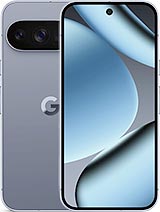
The Google Pixel 10 Pro is a premium flagship smartphone featuring the Google Tensor G5 (3nm) for advanced on-device AI efficiency and a 6.3-inch LTPO OLED display with 3300 nits peak brightness for superior outdoor visibility, aimed at software purists and power users. Released in mid-2025, it competes directly with the [Samsung Galaxy S25](/engineering-the-future-the-samsung-galaxy-s25-redefines-compact-performance-standards/) and the iPhone 16 Pro by prioritizing a clean, bloat-free user experience over excessive hardware gimmicks.
Our evaluation focuses on the digital hygiene of the device. While competitors clutter their interfaces with duplicate app stores and redundant assistants, this handset provides the baseline for how Google intends mobile computing to function. The hardware exists solely to facilitate the software, creating a symbiosis that has historically been the sole domain of the Apple ecosystem. With a Li-Ion 4870 mAh battery and a promise of seven major Android upgrades, the longevity of this platform is its strongest selling point.
Android 16 on this device is a masterclass in restraint. We noticed that unlike the heavy-handed skins found on contemporary Xiaomi or Samsung devices, the system here breathes. There are no pre-installed "cleaning" utilities or third-party browsers vying for attention. The Google Tensor G5 (3nm) chipset allows the UI to maintain a locked 120Hz refresh rate across the entire OS, eliminating the micro-stuttering often seen in non-native implementations.
This chipset is more than a performance bump. It represents the first time Google has moved away from Samsung-based designs to a fully custom-designed architecture manufactured by TSMC. This move significantly improves thermal management. During extended sessions of system-level multitasking, the device remains cool to the touch, a stark contrast to the previous generation which often throttled during intensive background indexing.
The implementation of dynamic theming has reached its peak maturity in 2025. The system extracts color palettes from your wallpaper and applies them with surgical precision to every corner of the UI, including third-party icons that support the protocol. On the 1280 x 2856 pixel display, these colors appear vibrant and saturated, yet they never feel overwhelming. The 495 ppi density ensures that even the smallest system fonts remain razor-sharp, facilitating a high-information density layout that doesn't sacrifice legibility.
We observed that the transition animations are now physics-based, responding to the speed of your flick or swipe. This creates a tactile connection with the software. When compared to the stiff animations of OxygenOS or the over-engineered transitions of One UI, the Google Pixel 10 Pro feels lighter and more responsive. The PowerVR DXT-48-1536 GPU handles these visual flourishes without a single dropped frame, proving that software optimization is just as critical as raw horsepower.
Setting up the Google Pixel 10 Pro is an exercise in minimalism. The box contains only the essentials: the phone, a USB-C cable, and a SIM tool. This lack of accessories is common in 2025, but the setup software is what sets it apart. The migration tool is remarkably efficient, transferring data over the USB Type-C 3.2 port at speeds that make wireless transfers seem archaic.
Initial software patches for our unit were surprisingly small. We should mention that users opting for the 128GB model will be using UFS 3.1 storage, which is slightly slower for initial data indexing compared to the 256GB and above tiers which utilize UFS 4.0. This discrepancy is a minor point of friction for a device at this price point, but once the initial setup is complete, the difference in daily app launches is negligible for the average user.
Navigation on the 6.3-inch panel is remarkably intuitive. The gesture bar is slim and non-intrusive, and the back gesture feels consistent across every application. We found the false touch rejection on the slightly curved glass edges to be highly effective. This prevents accidental triggers when your palm rests against the aluminum frame while reaching for the top corners of the screen.
The LTPO OLED technology is the unsung hero of the navigation experience. By dynamically adjusting from 1Hz to 120Hz, the screen matches the speed of your interaction perfectly. If you are reading a static article, the screen sips power at 1Hz; the moment you scroll, it ramps up instantly. This results in an Active use score of 12:06h, which is more than enough for a full day of heavy professional use. If you find yourself in a long gaming session, the Bypass charging feature allows you to power the motherboard directly from the wall, preventing heat buildup and preserving battery health.
Google has finally moved to an ultrasonic under-display fingerprint sensor. Unlike the older optical sensors that struggled with wet or dry fingers and emitted a blinding light at night, this ultrasonic tech is near-instant and works in total darkness. We tested it in various environments, and the failure rate was practically non-existent. It is a massive upgrade over the sensor used in the older Pixel 8 or 9 series.
For those who prefer a more hands-off approach, the 42 MP selfie camera supports advanced face unlock that is secure enough for banking apps. It utilizes the Tensor G5's NPU to create a depth map of the user's face in milliseconds. This dual-layered biometric approach ensures that you are never more than a fraction of a second away from your content, fitting the minimalist philosophy of removing all barriers between the user and the task at hand.
The true strength of the Google Pixel 10 Pro lies in its uniformity. Every menu, every system alert, and every notification shade follows the same design language. There is no confusion about where settings are located or how a certain feature works. The inclusion of a skin temperature sensor and a barometer provides health and environmental data that is integrated directly into the system dashboard rather than being hidden inside a clunky third-party health app.
For professional users, the Ultra Wideband (UWB) support and Satellite SOS service provide peace of mind and advanced connectivity that competitors often gate behind complex configurations. Whether you are locating a lost tag or sending an emergency signal from a remote location with no cellular signal, the process is streamlined. It is this focus on essential, functional technology that makes the device feel like a tool rather than a toy.
The Google Pixel 10 Pro is the definitive choice for anyone who values software above all else. It doesn't have the fastest charging in the world—30W wired charging is modest compared to the 100W+ speeds seen from Chinese competitors—but it offers a level of refinement and longevity that is unmatched in the Android space. The 7 major Android upgrades mean this phone will still be relevant in 2032, a promise backed by a build that features Gorilla Glass Victus 2 and an IP68 rating for dust and water resistance.
Our evaluation focuses on the digital hygiene of the device. While competitors clutter their interfaces with duplicate app stores and redundant assistants, this handset provides the baseline for how Google intends mobile computing to function. The hardware exists solely to facilitate the software, creating a symbiosis that has historically been the sole domain of the Apple ecosystem. With a Li-Ion 4870 mAh battery and a promise of seven major Android upgrades, the longevity of this platform is its strongest selling point.
The Purity of the Interface
Android 16 on this device is a masterclass in restraint. We noticed that unlike the heavy-handed skins found on contemporary Xiaomi or Samsung devices, the system here breathes. There are no pre-installed "cleaning" utilities or third-party browsers vying for attention. The Google Tensor G5 (3nm) chipset allows the UI to maintain a locked 120Hz refresh rate across the entire OS, eliminating the micro-stuttering often seen in non-native implementations.
This chipset is more than a performance bump. It represents the first time Google has moved away from Samsung-based designs to a fully custom-designed architecture manufactured by TSMC. This move significantly improves thermal management. During extended sessions of system-level multitasking, the device remains cool to the touch, a stark contrast to the previous generation which often throttled during intensive background indexing.
Material You Refinement
The implementation of dynamic theming has reached its peak maturity in 2025. The system extracts color palettes from your wallpaper and applies them with surgical precision to every corner of the UI, including third-party icons that support the protocol. On the 1280 x 2856 pixel display, these colors appear vibrant and saturated, yet they never feel overwhelming. The 495 ppi density ensures that even the smallest system fonts remain razor-sharp, facilitating a high-information density layout that doesn't sacrifice legibility.
We observed that the transition animations are now physics-based, responding to the speed of your flick or swipe. This creates a tactile connection with the software. When compared to the stiff animations of OxygenOS or the over-engineered transitions of One UI, the Google Pixel 10 Pro feels lighter and more responsive. The PowerVR DXT-48-1536 GPU handles these visual flourishes without a single dropped frame, proving that software optimization is just as critical as raw horsepower.
The Out of Box Ritual
Setting up the Google Pixel 10 Pro is an exercise in minimalism. The box contains only the essentials: the phone, a USB-C cable, and a SIM tool. This lack of accessories is common in 2025, but the setup software is what sets it apart. The migration tool is remarkably efficient, transferring data over the USB Type-C 3.2 port at speeds that make wireless transfers seem archaic.
Initial software patches for our unit were surprisingly small. We should mention that users opting for the 128GB model will be using UFS 3.1 storage, which is slightly slower for initial data indexing compared to the 256GB and above tiers which utilize UFS 4.0. This discrepancy is a minor point of friction for a device at this price point, but once the initial setup is complete, the difference in daily app launches is negligible for the average user.
Fluidity in Motion and Gestures
Navigation on the 6.3-inch panel is remarkably intuitive. The gesture bar is slim and non-intrusive, and the back gesture feels consistent across every application. We found the false touch rejection on the slightly curved glass edges to be highly effective. This prevents accidental triggers when your palm rests against the aluminum frame while reaching for the top corners of the screen.
The LTPO OLED technology is the unsung hero of the navigation experience. By dynamically adjusting from 1Hz to 120Hz, the screen matches the speed of your interaction perfectly. If you are reading a static article, the screen sips power at 1Hz; the moment you scroll, it ramps up instantly. This results in an Active use score of 12:06h, which is more than enough for a full day of heavy professional use. If you find yourself in a long gaming session, the Bypass charging feature allows you to power the motherboard directly from the wall, preventing heat buildup and preserving battery health.
Biometric Reliability
Google has finally moved to an ultrasonic under-display fingerprint sensor. Unlike the older optical sensors that struggled with wet or dry fingers and emitted a blinding light at night, this ultrasonic tech is near-instant and works in total darkness. We tested it in various environments, and the failure rate was practically non-existent. It is a massive upgrade over the sensor used in the older Pixel 8 or 9 series.
For those who prefer a more hands-off approach, the 42 MP selfie camera supports advanced face unlock that is secure enough for banking apps. It utilizes the Tensor G5's NPU to create a depth map of the user's face in milliseconds. This dual-layered biometric approach ensures that you are never more than a fraction of a second away from your content, fitting the minimalist philosophy of removing all barriers between the user and the task at hand.
A Study in Software Consistency
The true strength of the Google Pixel 10 Pro lies in its uniformity. Every menu, every system alert, and every notification shade follows the same design language. There is no confusion about where settings are located or how a certain feature works. The inclusion of a skin temperature sensor and a barometer provides health and environmental data that is integrated directly into the system dashboard rather than being hidden inside a clunky third-party health app.
For professional users, the Ultra Wideband (UWB) support and Satellite SOS service provide peace of mind and advanced connectivity that competitors often gate behind complex configurations. Whether you are locating a lost tag or sending an emergency signal from a remote location with no cellular signal, the process is streamlined. It is this focus on essential, functional technology that makes the device feel like a tool rather than a toy.
Purity Conclusion
The Google Pixel 10 Pro is the definitive choice for anyone who values software above all else. It doesn't have the fastest charging in the world—30W wired charging is modest compared to the 100W+ speeds seen from Chinese competitors—but it offers a level of refinement and longevity that is unmatched in the Android space. The 7 major Android upgrades mean this phone will still be relevant in 2032, a promise backed by a build that features Gorilla Glass Victus 2 and an IP68 rating for dust and water resistance.
Technical Specifications
| LAUNCH | |
|---|---|
| Announced | 2025, August 20 |
| Status | Available. Released 2025, August 28 |
| PLATFORM | |
| OS | Android 16, up to 7 major Android upgrades |
| Chipset | Google Tensor G5 (3 nm) |
| CPU | Octa-core (1x3.78 GHz Cortex-X4 & 5x3.05 GHz Cortex-A725 & 2x2.25 GHz Cortex-A520) |
| GPU | PowerVR DXT-48-1536 |
| BODY | |
| Dimensions | 152.8 x 72 x 8.5 mm (6.02 x 2.83 x 0.33 in) |
| Weight | 207 g (7.30 oz) |
| Build | Glass front (Gorilla Glass Victus 2), glass back (Gorilla Glass Victus 2), aluminum frame |
| SIM | · Nano-SIM + eSIM· eSIM + eSIM (8 or more, max 2 at a time; USA) |
| Info | IP68 dust tight and water resistant (immersible up to 1.5m for 30 min) |
| DISPLAY | |
| Type | LTPO OLED, 120Hz, HDR10+, 2200 nits (HBM), 3300 nits (peak) |
| Size | 6.3 inches, 96.3 cm2 (~87.6% screen-to-body ratio) |
| Resolution | 1280 x 2856 pixels, 20:9 ratio (~495 ppi density) |
| Protection | Corning Gorilla Glass Victus 2, Mohs level 4 |
| MEMORY | |
| Card slot | No |
| Internal | 128GB 16GB RAM, 256GB 16GB RAM, 512GB 16GB RAM, 1TB 16GB RAM |
| Info | UFS 3.1 - 128GB only UFS 4.0 |
| MAIN CAMERA | |
| Triple | 50 MP, f/1.7, 25mm (wide), 1/1.31", 1.2µm, dual pixel PDAF, OIS 48 MP, f/2.8, 113mm (periscope telephoto), 1/2.55", dual pixel PDAF, OIS, 5x optical zoom 48 MP, f/1.7, 123˚ (ultrawide), 1/2.55", dual pixel PDAF |
| Features | Multi-zone Laser AF, LED flash, Pixel Shift, Ultra-HDR, panorama, Best Take, Zoom Enhance |
| Video | 8K@30fps (via cloud-based upscaling), 4K@24/30/60fps, 1080p@24/30/60/120/240fps; gyro-EIS, OIS, 10-bit HDR |
| SELFIE CAMERA | |
| Single | 42 MP, f/2.2, 17mm (ultrawide), PDAF |
| Features | HDR, panorama |
| Video | 4K@30/60fps, 1080p@30/60fps |
| SOUND | |
| Loudspeaker | Yes, with stereo speakers |
| 3.5mm jack | No |
| COMMS | |
| WLAN | Wi-Fi 802.11 a/b/g/n/ac/6e/7, tri-band |
| Bluetooth | 6.0, A2DP, LE, aptX HD |
| Positioning | GPS (L1+L5), GLONASS, GALILEO, BDS, QZSS, NavIC |
| NFC | Yes |
| Radio | No |
| USB | USB Type-C 3.2 |
| NETWORK | |
| Technology | GSM / HSPA / LTE / 5G |
| 2G bands | GSM 850 / 900 / 1800 / 1900 |
| 3G bands | HSDPA 800 / 850 / 900 / 1700(AWS) / 1900 / 2100 |
| 4G bands | 1, 2, 3, 4, 5, 7, 8, 12, 13, 14, 17, 18, 19, 20, 21, 25, 26, 29, 30, 30, 32, 38, 39, 40, 41, 42, 48, 66, 71, 75 - GEHN3 |
| Info | 1, 2, 3, 5, 7, 8, 12, 14, 20, 25, 26, 28, 29, 30, 38, 40, 41, 48, 66, 70, 71, 77, 258, 260, 261 SA/NSA/Sub6/mmWave - G4QUR |
| 5G bands | 1, 2, 3, 5, 7, 8, 12, 14, 20, 25, 26, 30, 38, 40, 46, 71, 75, 76, 77, 78, 79 SA/NSA/Sub6 - GEHN3 |
| Speed | HSPA, LTE, 5G |
| FEATURES | |
| Sensors | Fingerprint (under display, ultrasonic), accelerometer, gyro, proximity, compass, barometer, thermometer (skin temperature) |
| Info | Ultra Wideband (UWB) support Satellite SOS service |
| BATTERY | |
| Type | Li-Ion 4870 mAh |
| Charging | 30W wired, PD3.0, PPS, 55% in 30 min 15W wireless (magnetic), Qi2 Reverse wired Bypass charging |
| MISC | |
| Colors | Moonstone, Jade, Porcelain, Obsidian |
| Models | GEHN3, G4QUR, GN4F5 |
| SAR | 0.99 W/kg (head) 0.99 W/kg (body) |
| SAR EU | 0.99 W/kg (head) 1.39 W/kg (body) |
| Price | $ 561.36 / C$ 1,239.97 / £ 559.00 / € 728.62 / ₹ 99,999 |
| EU LABEL | |
| Energy | Class A |
| Battery | 51:09h endurance, 1000 cycles |
| Free fall | Class A (270 falls) |
| Repairability | Class B |
| OUR TESTS | |
| Performance | AnTuTu: 1107978 (v10), 1470445 (v11) GeekBench: 6195 (v6) 3DMark: 3400 (Wild Life Extreme) |
| Loudspeaker | -25.7 LUFS (Very good) |
| Battery | Active use score 12:06h |
Head-to-Head Comparisons
VS Google Pixel 10 Pro vs Samsung Galaxy S25 Ultra
VS Google Pixel 10 Pro vs Samsung Galaxy S26 Ultra
VS Apple iPhone 17 Pro vs Google Pixel 10 Pro
VS Google Pixel 10 Pro vs Google Pixel 9a
VS Google Pixel 10 Pro vs Google Pixel 10 Pro XL
VS Google Pixel 10 Pro vs Samsung Galaxy Z Fold7
VS Apple iPhone 17 Pro Max vs Google Pixel 10 Pro
VS Google Pixel 10 Pro vs Oppo Find X8 Ultra
VS Apple iPhone 17 vs Google Pixel 10 Pro
VS Google Pixel 10 Pro vs Oppo Find X9 Pro
VS Google Pixel 10 Pro vs Sony Xperia 1 VII
VS Google Pixel 10 Pro vs Google Pixel 9 Pro
VS Google Pixel 10 Pro vs Oneplus 13
VS Google Pixel 10 vs Google Pixel 10 Pro
VS Google Pixel 10 Pro vs Xiaomi 17 Pro