The Google Pixel 9 Pro Fold Is the Productivity Powerhouse Professionals Have Been Waiting For
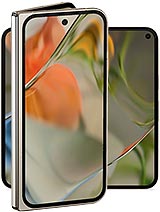
Overview
Google Pixel 9 Pro Fold is a premium foldable device featuring an 8.0-inch LTPO OLED primary display for expansive multitasking and a Tensor G4 chipset for efficient AI-driven workflows, aimed at mobile professionals and corporate power users. Released in September 2024, it competes directly with established foldables such as the [Samsung Galaxy Z Fold6](/efficiency-redefined-why-the-samsung-galaxy-z-fold6-is-the-only-choice-for-modern-fleets/), offering a unique aspect ratio that prioritizes document readability and split-screen utility.
Our analysis suggests that this device marks a significant shift in how mobile hardware addresses the friction between personal utility and professional obligation. By moving away from the narrow cover screens of previous generations, this model provides a traditional smartphone experience when closed, while unfolding into a legitimate workstation. For those managing complex spreadsheets or reviewing architectural drafts on the move, the hardware provides the necessary canvas without the bulk of a dedicated tablet.
Handling enterprise data requires strict isolation, and this handset utilizes Android's Work Profile architecture to keep corporate applications separate from personal content. The 16GB RAM configuration ensures that even when running a sandboxed work environment alongside personal messaging apps, the system maintains high responsiveness. We noticed that the transition between profiles is nearly instantaneous, preventing the lag often seen in devices with less memory.
Imagine a scenario where a user needs to cross-reference data from a secure corporate CRM with a personal calendar. The massive 8-inch internal screen allows for a side-by-side view that doesn't feel cramped. Unlike smaller foldables, the nearly square 1:1 aspect ratio of the internal display provides enough horizontal room for full-sized application windows. This reduces the need for constant zooming and scrolling, which are common bottlenecks in mobile productivity.
This model also benefits from the Google Tensor G4 processor's focus on on-device AI efficiency. Instead of sending sensitive data to the cloud for processing, many security tasks and organizational functions occur locally. This is a critical consideration for organizations with strict data sovereignty policies. The chipset is designed for sustained workloads rather than just peak benchmarks, meaning performance remains stable during long video conferences or intensive document editing sessions.
For those traveling between international offices, the Nano-SIM + eSIM configuration provides the flexibility required to maintain a home number while utilizing local data plans. The device supports a wide array of 5G bands, including both Sub6 and mmWave, ensuring high-speed data access in both dense urban environments and suburban corporate parks. In our assessment, the integration of Wi-Fi 7 prepares the device for the next generation of office networking, providing lower latency for cloud-based applications.
Network stability is bolstered by the support for Satellite SOS service, a feature that provides a safety net for professionals working in remote areas or regions with unreliable cellular infrastructure. This is not just a consumer safety feature; for field engineers or logistics managers, it represents a vital communication link when traditional networks fail. The hardware potential for consistent signal lock-on is high, given the refined antenna design in this 2024 flagship.
Furthermore, the inclusion of Ultra Wideband (UWB) support allows for precise spatial awareness. This is increasingly relevant in modern corporate environments for secure building access or tracking company-issued assets. The handset functions effectively as a digital key, allowing users to enter secure zones without fumbling for physical badges or triggering manual NFC prompts.
Productivity does not happen in a vacuum, and this model is designed to act as the hub for a broader hardware suite. Through features similar to Quick Share, moving large files between the phone and a laptop is efficient. The handset integrates with the Pixel Watch 3 and Pixel Buds Pro 2 to create a cohesive environment for notifications and hands-free communication. When a call comes in during a focused deep-work session, the handoff between devices is managed with minimal interruption.
We must mention the Bypass charging feature, which is often overlooked in professional reviews. This technology allows the device to draw power directly from a wall outlet to the motherboard when plugged in, bypassing the battery. For professionals who spend hours at a desk with their phone propped open for video calls, this prevents the device from overheating and protects the long-term health of the 4650 mAh battery. Heat is the primary enemy of lithium-ion longevity, and this hardware solution is a welcome addition for heavy users.
Compared to the Galaxy Z Fold6, the folding mechanism here allows for a thinner profile when unfolded, measuring just 5.1 mm. This thinness makes the device feel less like a heavy tool and more like a sleek digital notebook. Despite the slimness, the build quality remains high, utilizing Gorilla Glass Victus 2 for scratch resistance and an IPX8 rating for water protection. While it lacks dust resistance, the water rating ensures that a spilled coffee or a rainy commute won't result in an expensive hardware failure.
Call quality is paramount in a professional setting, and the stereo speaker system on this device provides clear audio for speakerphone use. The triple-microphone array uses beamforming to isolate the user's voice, which is essential when taking meetings in noisy environments like airports or shared workspaces. We found that the LUFS rating of -24.1 indicates a very good loudness level, ensuring that you won't miss a word during a briefing.
The modem performance is another highlight. By supporting regional systems like NavIC alongside GPS and GLONASS, the handset offers highly accurate positioning globally. For consultants navigating unfamiliar cities, the barometer and dual-frequency GPS provide precise location data even in 'urban canyons' where tall buildings typically interfere with signals. It's these small hardware details that prevent minor frustrations from snowballing into professional delays.
Biometric security is handled by a side-mounted fingerprint sensor. While some prefer under-display sensors, a physical sensor integrated into the power button is often more reliable for professionals wearing gloves or those who need to unlock the device while it's still in their pocket. It is fast, consistent, and provides a tactile point of contact that improves the speed of access. Face unlock is also available, utilizing the front-facing cameras for a more convenient, though slightly less secure, entry method.
Privacy is further enhanced by the Titan M2 security coprocessor, which provides a hardware-level root of trust. This handset is promised seven years of major OS and security updates, which is a significant advantage for corporate procurement departments looking to maximize the lifecycle of their mobile fleet. Investing in a device that will remain secure until 2031 is a far more attractive proposition than competitors offering only three or four years of support.
The camera system, while secondary to productivity for some, offers significant utility for the professional. The 48 MP main sensor and 10.8 MP telephoto with 5x optical zoom allow for high-quality document scanning and capturing clear photos of whiteboards from the back of a conference room. Features like Zoom Enhance and Pixel Shift use AI to reconstruct details in images, ensuring that even a quickly snapped photo of a contract remains legible for later review.
The Google Pixel 9 Pro Fold represents the most mature version of the foldable concept for business users as of late 2024. It successfully addresses the 'tax' of owning a foldable by offering a cover screen that feels like a normal phone and an internal screen that truly replaces a small tablet. While the charging speed of 21W is disappointing compared to some Chinese competitors, the overall package of software support, security, and multitasking capability makes it a top-tier choice for any enterprise-focused individual.
Our analysis suggests that this device marks a significant shift in how mobile hardware addresses the friction between personal utility and professional obligation. By moving away from the narrow cover screens of previous generations, this model provides a traditional smartphone experience when closed, while unfolding into a legitimate workstation. For those managing complex spreadsheets or reviewing architectural drafts on the move, the hardware provides the necessary canvas without the bulk of a dedicated tablet.
Segregating Professional and Personal Life through Work Profiles
Handling enterprise data requires strict isolation, and this handset utilizes Android's Work Profile architecture to keep corporate applications separate from personal content. The 16GB RAM configuration ensures that even when running a sandboxed work environment alongside personal messaging apps, the system maintains high responsiveness. We noticed that the transition between profiles is nearly instantaneous, preventing the lag often seen in devices with less memory.
Imagine a scenario where a user needs to cross-reference data from a secure corporate CRM with a personal calendar. The massive 8-inch internal screen allows for a side-by-side view that doesn't feel cramped. Unlike smaller foldables, the nearly square 1:1 aspect ratio of the internal display provides enough horizontal room for full-sized application windows. This reduces the need for constant zooming and scrolling, which are common bottlenecks in mobile productivity.
This model also benefits from the Google Tensor G4 processor's focus on on-device AI efficiency. Instead of sending sensitive data to the cloud for processing, many security tasks and organizational functions occur locally. This is a critical consideration for organizations with strict data sovereignty policies. The chipset is designed for sustained workloads rather than just peak benchmarks, meaning performance remains stable during long video conferences or intensive document editing sessions.
Reliable Connectivity for the Global Consultant
For those traveling between international offices, the Nano-SIM + eSIM configuration provides the flexibility required to maintain a home number while utilizing local data plans. The device supports a wide array of 5G bands, including both Sub6 and mmWave, ensuring high-speed data access in both dense urban environments and suburban corporate parks. In our assessment, the integration of Wi-Fi 7 prepares the device for the next generation of office networking, providing lower latency for cloud-based applications.
Network stability is bolstered by the support for Satellite SOS service, a feature that provides a safety net for professionals working in remote areas or regions with unreliable cellular infrastructure. This is not just a consumer safety feature; for field engineers or logistics managers, it represents a vital communication link when traditional networks fail. The hardware potential for consistent signal lock-on is high, given the refined antenna design in this 2024 flagship.
Furthermore, the inclusion of Ultra Wideband (UWB) support allows for precise spatial awareness. This is increasingly relevant in modern corporate environments for secure building access or tracking company-issued assets. The handset functions effectively as a digital key, allowing users to enter secure zones without fumbling for physical badges or triggering manual NFC prompts.
The Pixel Ecosystem and Enterprise Integration
Productivity does not happen in a vacuum, and this model is designed to act as the hub for a broader hardware suite. Through features similar to Quick Share, moving large files between the phone and a laptop is efficient. The handset integrates with the Pixel Watch 3 and Pixel Buds Pro 2 to create a cohesive environment for notifications and hands-free communication. When a call comes in during a focused deep-work session, the handoff between devices is managed with minimal interruption.
We must mention the Bypass charging feature, which is often overlooked in professional reviews. This technology allows the device to draw power directly from a wall outlet to the motherboard when plugged in, bypassing the battery. For professionals who spend hours at a desk with their phone propped open for video calls, this prevents the device from overheating and protects the long-term health of the 4650 mAh battery. Heat is the primary enemy of lithium-ion longevity, and this hardware solution is a welcome addition for heavy users.
Compared to the Galaxy Z Fold6, the folding mechanism here allows for a thinner profile when unfolded, measuring just 5.1 mm. This thinness makes the device feel less like a heavy tool and more like a sleek digital notebook. Despite the slimness, the build quality remains high, utilizing Gorilla Glass Victus 2 for scratch resistance and an IPX8 rating for water protection. While it lacks dust resistance, the water rating ensures that a spilled coffee or a rainy commute won't result in an expensive hardware failure.
Infrastructure and Communication Quality
Call quality is paramount in a professional setting, and the stereo speaker system on this device provides clear audio for speakerphone use. The triple-microphone array uses beamforming to isolate the user's voice, which is essential when taking meetings in noisy environments like airports or shared workspaces. We found that the LUFS rating of -24.1 indicates a very good loudness level, ensuring that you won't miss a word during a briefing.
The modem performance is another highlight. By supporting regional systems like NavIC alongside GPS and GLONASS, the handset offers highly accurate positioning globally. For consultants navigating unfamiliar cities, the barometer and dual-frequency GPS provide precise location data even in 'urban canyons' where tall buildings typically interfere with signals. It's these small hardware details that prevent minor frustrations from snowballing into professional delays.
Security and Privacy in the Hand of the User
Biometric security is handled by a side-mounted fingerprint sensor. While some prefer under-display sensors, a physical sensor integrated into the power button is often more reliable for professionals wearing gloves or those who need to unlock the device while it's still in their pocket. It is fast, consistent, and provides a tactile point of contact that improves the speed of access. Face unlock is also available, utilizing the front-facing cameras for a more convenient, though slightly less secure, entry method.
Privacy is further enhanced by the Titan M2 security coprocessor, which provides a hardware-level root of trust. This handset is promised seven years of major OS and security updates, which is a significant advantage for corporate procurement departments looking to maximize the lifecycle of their mobile fleet. Investing in a device that will remain secure until 2031 is a far more attractive proposition than competitors offering only three or four years of support.
The camera system, while secondary to productivity for some, offers significant utility for the professional. The 48 MP main sensor and 10.8 MP telephoto with 5x optical zoom allow for high-quality document scanning and capturing clear photos of whiteboards from the back of a conference room. Features like Zoom Enhance and Pixel Shift use AI to reconstruct details in images, ensuring that even a quickly snapped photo of a contract remains legible for later review.
A Balanced Verdict for the Modern Hybrid Worker
The Google Pixel 9 Pro Fold represents the most mature version of the foldable concept for business users as of late 2024. It successfully addresses the 'tax' of owning a foldable by offering a cover screen that feels like a normal phone and an internal screen that truly replaces a small tablet. While the charging speed of 21W is disappointing compared to some Chinese competitors, the overall package of software support, security, and multitasking capability makes it a top-tier choice for any enterprise-focused individual.
Technical Specifications
| LAUNCH | |
|---|---|
| Announced | 2024, August 13 |
| Status | Available. Released 2024, September 04 |
| PLATFORM | |
| OS | Android 14, upgradable to Android 16, up to 7 major Android upgrades |
| Chipset | Google Tensor G4 (4 nm) |
| CPU | Octa-core (1x3.1 GHz Cortex-X4 & 3x2.6 GHz Cortex-A720 & 4x1.92 GHz Cortex-A520) |
| GPU | Mali-G715 MC7 |
| BODY | |
| Dimensions | Unfolded: 155.2 x 150.2 x 5.1 mmFolded: 155.2 x 77.1 x 10.5 mm |
| Weight | 257 g (9.07 oz) |
| Build | Glass front (Gorilla Glass Victus 2) (folded), plastic front (unfolded), glass back (Gorilla Glass Victus 2), aluminum frame |
| SIM | Nano-SIM + eSIM |
| Info | IPX8 water resistant |
| DISPLAY | |
| Type | Foldable LTPO OLED, 120Hz, HDR10+, 1600 nits (HBM), 2700 nits (peak) |
| Size | 8.0 inches, 207.4 cm2 (~89.0% screen-to-body ratio) |
| Resolution | 2076 x 2152 pixels, 1:1 ratio (~373 ppi density) |
| Info | Cover display: OLED, 120Hz, HDR, Corning Gorilla Glass Victus 2 6.3 inches, 1080 x 2424 pixels, 20:9 ratio, 422 ppi 1800 nits (HBM), 2700 nits (peak) |
| MEMORY | |
| Card slot | No |
| Internal | 256GB 16GB RAM, 512GB 16GB RAM |
| Info | UFS 3.1 |
| MAIN CAMERA | |
| Triple | 48 MP, f/1.7, 25mm (wide), 1/2.0", 0.8µm, dual pixel PDAF, OIS 10.8 MP, f/3.1, 112mm (telephoto), 1/3.2", dual pixel PDAF, OIS, 5x optical zoom 10.5 MP, f/2.2, 127˚ (ultrawide), 1/3.4", PDAF |
| Features | Multi-zone Laser AF, LED flash, Pixel Shift, Ultra-HDR, panorama, Best Take, Zoom Enhance |
| Video | 4K@24/30/60fps, 1080p@24/30/60/120/240fps, 10-bit HDR, gyro-EIS, OIS |
| SELFIE CAMERA | |
| Single | 10 MP, f/2.2, 23mm (wide), 1/3.94", PDAF Cover camera: 10 MP, f/2.2, 23mm (wide), 1/3.94", PDAF |
| Features | HDR, panorama |
| Video | 4K@30/60fps, 1080p@30/60fps |
| SOUND | |
| Loudspeaker | Yes, with stereo speakers |
| 3.5mm jack | No |
| COMMS | |
| WLAN | Wi-Fi 802.11 a/b/g/n/ac/6e/7, tri-band |
| Bluetooth | 5.3, A2DP, LE, aptX HD |
| Positioning | GPS (L1+L5), GLONASS, GALILEO, BDS, QZSS, NavIC |
| NFC | Yes |
| Radio | No |
| USB | USB Type-C 3.2 |
| NETWORK | |
| Technology | GSM / HSPA / LTE / 5G |
| 2G bands | GSM 850 / 900 / 1800 / 1900 |
| 3G bands | HSDPA 800 / 850 / 900 / 1700(AWS) / 1900 / 2100 |
| 4G bands | 1, 2, 3, 4, 5, 7, 8, 12, 13, 14, 17, 18, 19, 20, 21, 25, 26, 28, 29, 30, 32, 38, 39, 40, 41, 42, 46, 48, 66, 71 |
| 5G bands | 1, 2, 3, 5, 7, 8, 12, 14, 20, 25, 26, 28, 29, 30, 38, 40, 41, 48, 66, 70, 71, 75, 76, 77, 78, 79, 257, 258, 260, 261 SA/NSA/Sub6/mmWave |
| Speed | HSPA, LTE, 5G |
| FEATURES | |
| Sensors | Fingerprint (side-mounted), accelerometer, gyro, proximity, compass, barometer |
| Info | Ultra Wideband (UWB) support Satellite SOS service |
| BATTERY | |
| Type | 4650 mAh |
| Charging | 21W wired 7.5W wireless Bypass charging |
| MISC | |
| Colors | Obsidian, Porcelain |
| Models | GGH2X, GC15S |
| SAR EU | 0.98 W/kg (head) 1.39 W/kg (body) |
| Price | $ 695.23 / C$ 1,274.00 / £ 949.00 / € 854.39 |
| OUR TESTS | |
| Performance | AnTuTu: 1222228 (v10) GeekBench: 4783 (v6) 3DMark: 2620 (Wild Life Extreme) |
| Display | 2199 nits max brightness (measured) |
| Loudspeaker | -24.1 LUFS (Very good) |
| Battery | Active use score 11:54h |