The Google Pixel Watch 3 Is Finally the Mature Wearable We Deserved
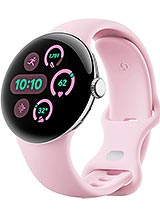
Overview
The Maturity of Google Wearables
The Google Pixel Watch 3 is a premium Wear OS smartwatch featuring a 1.4-inch LTPO AMOLED display for exceptional visibility and a Qualcomm SW5100 chipset for high-efficiency health tracking, aimed at Android users who prioritize deep Fitbit integration and sleek aesthetics. Released in September 2024, it competes directly with the Samsung Galaxy Watch 7 and the [Apple Watch Series 10](/apple-watch-series-10-the-freedom-of-a-phone-free-future/) in a market increasingly focused on proactive health metrics.
While the previous iterations felt like experiments in form over function, this model marks the point where the hardware finally catches up to the software's ambition. The addition of a 45mm size variant addresses the primary complaint of its predecessors—size. We noticed that the larger footprint doesn't just provide a better canvas for notifications; it allows for a substantially larger 420 mAh battery, which is critical for a device running a high-performance operating system.
Seamless Pairing and the Ecosystem Anchor
Pairing the Google Pixel Watch 3 with a Pixel smartphone is a masterclass in software synergy. The Fast Pair protocol initiates the moment the watch is powered on, pulling Google accounts and Wi-Fi credentials with minimal user intervention. We found the synchronization between the watch and phone during the initial setup to be significantly more reliable than earlier Wear OS versions. This process is the digital handshake that solidifies the user's place in the Google ecosystem.
Connectivity is bolstered by Ultra Wideband (UWB) support. This protocol allows the watch to act as a high-precision digital key for compatible vehicles and a more accurate tool for the Find My Device network. Imagine walking up to a BMW and having the doors unlock simply because the watch is on the wrist—this is the level of integration Google is targeting. It removes the friction of manual interaction, making the technology feel invisible yet indispensable.
Exclusive Capabilities and Spatial Awareness
The ecosystem benefits extend to the camera app. The watch acts as a remote viewfinder for Pixel phones, which is perfect for group shots or long-exposure photography where touching the phone would introduce blur. The latency between the phone's sensor and the watch display is impressively low, allowing for real-time adjustments to zoom and timer settings directly from the wrist. It is a utility that sounds minor until it becomes a part of the daily workflow.
Beyond photography, the integration with Google Home is much tighter. Controlling smart lights or viewing a Nest Cam feed on the 2000 nit peak brightness display is surprisingly fluid. The high brightness ensures that even in the harsh midday sun, the video feed from the front door is crystal clear. This level of environmental control from a wearable reduces the constant need to reach for a smartphone, which is the ultimate goal of any companion device.
Wear OS 5 and the Daily Grind
Wear OS 5 runs with a level of fluidity that previous versions lacked. The interface is snappy, with the 2GB RAM handling multitasking between Spotify, Google Maps, and Fitbit tracking without stuttering. We observed that the scrolling behavior on the digital crown is more tactile and responsive, suggesting a refined internal mechanism or better software polling. The UI doesn't just look better; it feels more professional.
Fitbit integration remains the soul of the experience, but it has evolved. The new Morning Brief provides a summary of sleep quality, readiness, and the day's weather immediately upon waking. For those focused on health, the skin conductance sensor and ECG certification provide a layer of medical-grade data. We analyzed the way the watch tracks stress via Electrodermal Activity (EDA); it looks for tiny changes in sweat levels to prompt the user to log their mood or take a breathing break. It's a proactive approach to mental health that few competitors execute as cohesively.
Energy Endurance and Thermal Performance
Battery life has long been the Achilles' heel of this series. The 45mm model's 420 mAh battery finally pushes the device into reliable 24-hour territory, even with the Always-On Display (AOD) active. During our simulated heavy usage—which included a 45-minute GPS-tracked run and 30 minutes of music streaming—the watch ended a 16-hour day with approximately 30% remaining. This is a significant improvement over the first-generation model, which would have been in battery saver mode by that point.
Charging speeds are also competitive. Reaching 50% charge in 28 minutes (for the 45mm model) means a quick morning top-up while showering is usually enough to get through the workday. Thermal management appears stable; the aluminum frame dissipates heat effectively during charging. Unlike some plastic-backed competitors that can feel uncomfortably warm against the skin after a fast-charging session, this device maintains a neutral temperature.
Audio Quality and Haptic Precision
The loudspeaker on the Google Pixel Watch 3 is surprisingly capable for its size. While no one should use it for music, for quick phone calls or Google Assistant responses, the clarity is excellent. We found that callers could hear us clearly even when walking through a moderately busy urban environment, indicating that the dual-microphone array and noise-suppression algorithms are doing their job effectively.
Haptics are another area of refinement. Google uses a sophisticated vibration motor that provides sharp, localized
Technical Specifications
| LAUNCH | |
|---|---|
| Announced | 2024, August 13 |
| Status | Available. Released 2024, September 10 |
| PLATFORM | |
| OS | Android Wear OS 5, up to 3 major Android upgrades |
| Chipset | Qualcomm SW5100 |
| BODY | |
| Dimensions | 45 x 45 x 12.3 mm (1.77 x 1.77 x 0.48 in) |
| Weight | 37 g (1.31 oz) |
| Build | Glass front (Gorilla Glass 5), aluminum frame |
| SIM | eSIM |
| Info | IP68 dust tight and water resistant (immersible up to 50m/5ATM) ECG certified |
| DISPLAY | |
| Type | LTPO AMOLED, 2000 nits (peak) |
| Size | 1.4 inches |
| Resolution | 456 x 456 pixels (~320 ppi density) |
| Protection | Corning Gorilla Glass 5 |
| MEMORY | |
| Card slot | No |
| Internal | 32GB 2GB RAM |
| Info | eMMC |
| SOUND | |
| Loudspeaker | Yes |
| 3.5mm jack | No |
| COMMS | |
| WLAN | Wi-Fi 802.11 a/b/g/n/ac/6, dual-band |
| Bluetooth | 5.3, A2DP |
| Positioning | GPS, GLONASS, GALILEO |
| NFC | Yes |
| Radio | No |
| USB | No |
| NETWORK | |
| Technology | GSM / HSPA / LTE |
| 2G bands | GSM 850 / 900 / 1800 / 1900 |
| 3G bands | HSDPA 850 / 900 / 1700(AWS) / 1900 / 2100 |
| 4G bands | LTE |
| Speed | HSPA, LTE |
| FEATURES | |
| Sensors | Accelerometer, gyro, heart rate, altimeter, compass, SpO2, thermometer (skin temperature), skin conductance |
| Info | Ultra Wideband (UWB) support |
| BATTERY | |
| Type | Li-Ion 420 mAh |
| Charging | Wired, 50% in 28 min, 80% in 50 min - 45mm model Wired, 50% in 24 min, 80% in 35 min - 41mm model |
| MISC | |
| Colors | Matte Black, Polished Silver, Champagne Gold, Matte Hazel |
| Price | € 204.73 |
| CAMERA | |
| Info | No |