The Hidden Costs of the Nokia C300 and the Carrier Deal Dilemma
Overview
The Hidden Costs of the Free Phone Illusion
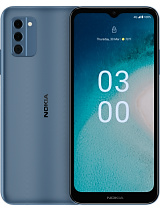
Nokia C300 is an entry-level smartphone featuring a Snapdragon 662 chipset for reliable multitasking and a 6.52-inch HD+ IPS LCD for clear visual output, aimed at users who prioritize utility and durability on a strict budget. Released in June 2023, it competes with other sub-$150 devices by offering a balanced, if modest, hardware package. At first glance, this handset appears as a standard entry-tier offering, but the economic reality of its market placement deserves a closer look.
Carrier stores frequently offer this model for free or at a deep discount when paired with a multi-year service contract. While the upfront cost of zero dollars is enticing, the total cost of ownership over a 24-month period often exceeds the value of the hardware itself. We calculated that paying for a premium data plan just to secure this device can lead to a net loss for the consumer. It is far more economical to purchase this model outright given its low retail price and pair it with a flexible, low-cost MVNO plan. This strategy preserves capital while providing the same functional utility.
Practicality Over Premium Materials
The construction of this model leans heavily into utilitarianism. Using a plastic back and frame, the manufacturer has prioritized impact resistance over the vanity of glass or metal. While it lacks the density of a flagship, the 190g weight provides enough heft to feel substantial in the hand. The inclusion of scratch-resistant glass on the front is a necessary inclusion for a device likely to be used as a primary tool or a rugged backup.
One surprising addition for this price bracket is the splash and dust resistance. This does not mean the handset can survive a swim in a pool, but it offers a layer of protection against light rain or kitchen spills that many competitors ignore. In our analysis, this added durability extends the lifespan of the device in harsh environments, such as construction sites or for delivery drivers who are constantly exposed to the elements. This is a clear example of hardware design meeting real-world economic needs rather than chasing aesthetic trends.
Decoding the Snapdragon 662 Performance Envelope
Under the hood, the Snapdragon 662 provides the processing power. This is an 11nm chipset that, while older, still outperforms the bottom-of-the-barrel Unisoc processors found in many competing [budget phones](/trend/best-budget-phones-2026/). The Kryo 260 cores are split into performance and efficiency clusters, which helps maintain a responsive user interface during light workloads like emailing or GPS navigation. However, with only 3GB of RAM, the ceiling for productivity is quite low.
Users should expect aggressive background app management. If you switch from a navigation app to a web browser, there is a high probability that the navigation app will need to reload when you return to it. This memory bottleneck is the primary limiting factor for the longevity of the handset. In 2023, 3GB of RAM is the bare minimum for Android 12 to function, and we anticipate that software updates will only increase the strain on these limited resources over time.
The Crippling Reality of 32GB eMMC Storage
Storage speed is often overlooked in budget reviews, but it defines the daily experience. This device uses eMMC 5.1 storage rather than the faster UFS standard. This results in longer boot times and slower application installations. More concerning is the 32GB capacity. After the Android operating system and pre-installed carrier apps take their share, users are left with less than 20GB of usable space.
This small buffer disappears quickly once a few high-resolution photos or a handful of essential apps like WhatsApp and Facebook are installed. We strongly recommend utilizing the dedicated microSDXC slot immediately. Without external storage, the device will likely report 'Storage Full' errors within the first six months of ownership. This requires constant manual management of cache files and photo backups, which adds a labor cost to the user experience that often goes uncalculated.
Optics for Utility Rather Than Art
The triple-camera array on the rear is dominated by a 13MP wide sensor. This hardware provides the potential for clear documentation shots in broad daylight. If you are taking photos of receipts, inventory, or property damage for insurance purposes, the results are perfectly adequate. However, do not expect cinematic results. The secondary 2MP macro lens and the auxiliary sensor provide very little functional value beyond marketing numbers.
In low-light scenarios, the 13MP sensor struggles significantly. Image noise becomes prominent, and the shutter speed slows down to the point where any movement results in a blurry mess. The 8MP selfie camera is similarly basic, sufficient for video calls but lacking the dynamic range for high-quality social media content. We view these cameras as utility tools rather than creative instruments.
Endurance and the 10-Watt Hurdle
Battery life is a strong suit for this model, primarily due to the low power draw of the 720p display and the efficiency-focused chipset. The 4000 mAh capacity is smaller than the 5000 mAh units found in some rivals, yet it easily clears a full day of heavy use. For light users, a two-day cycle is entirely possible. This endurance is a critical metric for users who do not have constant access to a charging port during their workday.
However, the charging speed is a significant pain point. At only 10W, refueling this handset takes over two hours from an empty state. In an era where even budget competitors are moving toward 18W or 25W, this slow rate feels dated. You cannot simply plug this phone in for 15 minutes before leaving the house and expect a meaningful boost. It requires overnight charging or long periods of inactivity to reach a full state.
Connectivity and the Barometer Surprise
While this is a 4G-only device, the signal stability on LTE networks is commendable. It lacks the future-proofing of 5G, but for the vast majority of current budget users, 4G speeds remain sufficient for streaming and browsing. One anomaly in the spec sheet is the inclusion of a barometer. This hardware sensor measures atmospheric pressure and is rarely found in the sub-$100 segment. It significantly improves GPS positioning accuracy, especially when determining altitude or navigating urban canyons where satellite signals bounce off buildings.
The inclusion of a 3.5mm headphone jack and an FM radio further cements this handset as a practical choice for those who do not want to invest in expensive Bluetooth accessories. These legacy features provide high value to users in rural areas or those on strict data budgets who rely on terrestrial radio for entertainment.
Final Verdict on Value
Nokia C300 represents a classic trade-off between brand reliability and raw hardware specs. While the storage and RAM are at their absolute limits for 2023, the inclusion of a Snapdragon chipset and a barometer adds tangible value that isn't always visible on a spec sheet. If you can secure this device for under $80 or through a no-contract carrier deal, it serves as a reliable workhorse. For anyone expecting a smooth gaming experience or high-end photography, the economic choice would be to save for a higher tier.
Technical Specifications
| LAUNCH | |
|---|---|
| Announced | 2023, June 02 |
| Status | Available. Released 2023, June 14 |
| PLATFORM | |
| OS | Android 12 |
| Chipset | Qualcomm SM6115 Snapdragon 662 (11 nm) |
| CPU | Octa-core (4x2.0 GHz Kryo 260 Gold & 4x1.8 GHz Kryo 260 Silver) |
| GPU | Adreno 610 |
| BODY | |
| Dimensions | 166.7 x 76.6 x 8.6 mm (6.56 x 3.02 x 0.34 in) |
| Weight | 190 g (6.70 oz) |
| Build | Glass front, plastic back, plastic frame |
| SIM | Nano-SIM |
| Info | Splash and dust resistant |
| DISPLAY | |
| Type | IPS LCD, 400 nits (typ) |
| Size | 6.52 inches, 102.6 cm2 (~80.4% screen-to-body ratio) |
| Resolution | 720 x 1600 pixels, 20:9 ratio (~269 ppi density) |
| Protection | Scratch-resistant glass |
| MEMORY | |
| Card slot | microSDXC (dedicated slot) |
| Internal | 32GB 3GB RAM |
| Info | eMMC 5.1 |
| MAIN CAMERA | |
| Triple | 13 MP, (wide), AF 2 MP (macro) Auxiliary lens |
| Features | LED flash, HDR, portrait, night |
| Video | 1080p@30fps |
| SELFIE CAMERA | |
| Single | 8 MP |
| Video | Yes |
| SOUND | |
| Loudspeaker | Yes |
| 3.5mm jack | Yes |
| COMMS | |
| WLAN | Wi-Fi 802.11 b/g/n/ac, dual-band, hotspot |
| Bluetooth | 5.0, A2DP |
| Positioning | GPS |
| NFC | No |
| Radio | FM radio |
| USB | USB Type-C 2.0 |
| NETWORK | |
| Technology | GSM / HSPA / LTE |
| 2G bands | GSM 850 / 1900 |
| 3G bands | HSDPA 850 / 1700 / 1900 |
| 4G bands | LTE |
| Speed | HSPA, LTE |
| FEATURES | |
| Sensors | Fingerprint (side-mounted), accelerometer, proximity, barometer |
| BATTERY | |
| Type | Li-Po 4000 mAh |
| Charging | 10W wired |
| MISC | |
| Colors | Blue |
| Price | About 60 EUR |