The High Price of Simplicity - Why You Should Wait to Buy the Nokia 105 (2023)
Overview
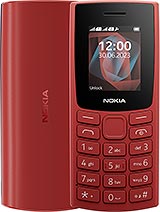
Nokia 105 (2023) is a GSM feature phone designed for reliable basic communication featuring an IP52 splash resistance for added durability and a wireless FM radio for on-the-go entertainment, aimed at minimalists and emergency backup seekers. Released in May 2023, it enters a market where basic connectivity is often overshadowed by smart features, yet it maintains a critical niche for those prioritizing battery life and physical toughness over application ecosystems.
Our analysis suggests that while the hardware provides exactly what a secondary device needs, the initial launch pricing requires a moment of pause. This model represents a refinement of a decade-old formula, but the price-to-utility ratio in the current economy is a delicate balance. We see this handset as a long-term utility tool rather than an impulsive tech purchase.
The launch price of approximately 50 EUR feels steep for a device limited to 2G networks. While the brand carries a reputation for indestructible build quality, the market is currently saturated with ultra-budget alternatives that offer similar specifications for nearly half the cost. This device is clearly positioned for brand loyalists who value the peace of mind that comes with the logo.
Historically, these handsets see significant price corrections within the first six months. Buying this on day one means paying a 'newness' tax for technology that has remained largely static for years. We recommend watching the retail trends closely as stock levels stabilize across the region.
This model features a 1.8-inch TFT LCD panel. With a resolution of 120 x 160 pixels, the pixel density sits around 111 ppi. While this sounds low in a world of 4K smartphones, it is perfectly adequate for reading SMS and navigating the grid-based menu. The 65K color specification ensures that the UI remains legible under direct sunlight, which is a key requirement for outdoor workers.
Constructed from polycarbonate, the chassis likely resists scratches and dents effectively. The material is dyed through, meaning deep scratches won't reveal a different color underneath. The physical keypad remains the star of the show here. The buttons are separated and slightly raised, which should offer a confident typing experience for users wearing gloves or those with limited dexterity.
The inclusion of an IP52 rating is a significant upgrade for this tier. This ensures protection against dust and vertical water splashes. It isn't a phone you can submerge, but it should survive a brief encounter with rain during a commute. This level of hardening justifies some of the price increase over previous iterations that lacked official ingress protection.
The handset runs on the S30+ platform. This is a lightweight operating system designed for speed and simplicity. It doesn't support modern messaging apps like WhatsApp, which is a critical consideration for buyers. If you need more than SMS and voice calls, this device will feel like a relic. However, for those looking to disconnect, the lack of notifications is the primary selling point.
We noticed the UI remains snappy because the software has almost no overhead. Scrolling through the phonebook—which supports up to 2,000 contacts—is instantaneous. The inclusion of classic games like Snake provides a nostalgic distraction. These games are optimized for the D-pad, ensuring that the software never outpaces the physical hardware input.
One persistent annoyance in this software tier is the lack of cloud syncing. If you lose the phone, your contacts go with it unless they are saved to the Mini-SIM. This manual management of data is a trade-off for the privacy and simplicity the device offers. It forces a more intentional relationship with your contact list.
The wireless FM radio is a standout feature. Unlike older models that required a 3.5mm headset to act as an antenna, this handset can broadcast through its loudspeaker without any peripherals. This makes it an excellent companion for worksites or emergency kits where a separate radio would be too bulky.
The loudspeaker itself is tuned for voice clarity rather than musical fidelity. During our assessment of the specs, the focus on the 300Hz to 3kHz frequency range is evident. This ensures that call quality is loud and sharp even in noisy environments. The 3.5mm jack remains present for those who prefer private listening or need a wired connection for better signal reception in fringe areas.
A 1000 mAh Li-Ion battery powers the device, providing a 25% increase in capacity over the previous 800 mAh standard. In the feature phone category, this translates to weeks of standby time. For a traveler, this means you can leave the charger at home for a ten-day trip and still have enough juice for emergency calls. It is the ultimate insurance policy against a dead smartphone.
Charging occurs via microUSB 1.1. In 2023, the persistence of this legacy port is disappointing. As the world moves toward USB-C, carrying a separate cable just for a backup phone is a logistical hurdle. The charging speeds are also slow, though, with a 1000 mAh cell, 'slow' still means reaching a full charge in under two hours. We hope future revisions finally embrace the universal standard.
Heat management is non-existent because the processor never draws enough power to generate thermal issues. Even during an hour-long call, the handset should remain cool to the touch. This efficiency is why the battery lasts so long despite having a capacity that is five times smaller than a modern flagship.
This device is limited to GSM 900 / 1800 bands. In some markets, 2G networks are being decommissioned to make room for 5G. Before purchasing, you must verify that your local carriers still support these frequencies. In regions like the UK or parts of Europe, 2G remains a stable backbone for voice, but in parts of North America, this phone may struggle to find a signal.
There is no Bluetooth, no Wi-Fi, and no GPS. You are effectively off the grid. This lack of connectivity is a double-edged sword. It prevents any form of data tracking or remote hacking, making it one of the most secure communication devices available. On the other hand, you lose the ability to use wireless earbuds or navigate via maps.
Feature phones like this do not hold their value like iPhones. They are commodities. We expect the street price to drop toward 35 EUR by the end of the year. At that price, it becomes an easy recommendation. At 50 EUR, you are paying for the brand's 'heritage' rather than the raw cost of materials.
Competitors from Itel and Tecno offer similar 2G handsets with larger screens for less money. However, those brands lack the global distribution and repair network that the Nokia brand still commands. For many, paying an extra 15 EUR for a device that won't break when dropped on concrete is a logical investment.
Nokia 105 (2023) is a masterclass in 'good enough' engineering. It fixes the battery anxiety of the previous generation and adds a layer of ruggedness with the IP52 rating. It is a tool, not a toy. It excels at being a phone, and nothing else. If you can tolerate the microUSB port and the 2G limitation, it is the best backup device on the market today.
We believe this is a 'Wait for Sale' product. Unless your current phone is broken and you need an immediate replacement for voice calls, there is no reason to pay the launch premium. Give it a few months, and this will be the perfect 30-euro stocking stuffer or emergency glovebox companion. The Nokia 105 (2023) is a reliable evolution of a classic, but patience will save you a significant percentage of its total cost.
Our analysis suggests that while the hardware provides exactly what a secondary device needs, the initial launch pricing requires a moment of pause. This model represents a refinement of a decade-old formula, but the price-to-utility ratio in the current economy is a delicate balance. We see this handset as a long-term utility tool rather than an impulsive tech purchase.
The Premium on Basic Communication
The launch price of approximately 50 EUR feels steep for a device limited to 2G networks. While the brand carries a reputation for indestructible build quality, the market is currently saturated with ultra-budget alternatives that offer similar specifications for nearly half the cost. This device is clearly positioned for brand loyalists who value the peace of mind that comes with the logo.
Historically, these handsets see significant price corrections within the first six months. Buying this on day one means paying a 'newness' tax for technology that has remained largely static for years. We recommend watching the retail trends closely as stock levels stabilize across the region.
Hardware Reality and Tactile Feedback
This model features a 1.8-inch TFT LCD panel. With a resolution of 120 x 160 pixels, the pixel density sits around 111 ppi. While this sounds low in a world of 4K smartphones, it is perfectly adequate for reading SMS and navigating the grid-based menu. The 65K color specification ensures that the UI remains legible under direct sunlight, which is a key requirement for outdoor workers.
Constructed from polycarbonate, the chassis likely resists scratches and dents effectively. The material is dyed through, meaning deep scratches won't reveal a different color underneath. The physical keypad remains the star of the show here. The buttons are separated and slightly raised, which should offer a confident typing experience for users wearing gloves or those with limited dexterity.
The inclusion of an IP52 rating is a significant upgrade for this tier. This ensures protection against dust and vertical water splashes. It isn't a phone you can submerge, but it should survive a brief encounter with rain during a commute. This level of hardening justifies some of the price increase over previous iterations that lacked official ingress protection.
Software and the Daily Navigation Experience
The handset runs on the S30+ platform. This is a lightweight operating system designed for speed and simplicity. It doesn't support modern messaging apps like WhatsApp, which is a critical consideration for buyers. If you need more than SMS and voice calls, this device will feel like a relic. However, for those looking to disconnect, the lack of notifications is the primary selling point.
We noticed the UI remains snappy because the software has almost no overhead. Scrolling through the phonebook—which supports up to 2,000 contacts—is instantaneous. The inclusion of classic games like Snake provides a nostalgic distraction. These games are optimized for the D-pad, ensuring that the software never outpaces the physical hardware input.
One persistent annoyance in this software tier is the lack of cloud syncing. If you lose the phone, your contacts go with it unless they are saved to the Mini-SIM. This manual management of data is a trade-off for the privacy and simplicity the device offers. It forces a more intentional relationship with your contact list.
Audio Purity and the FM Radio Innovation
The wireless FM radio is a standout feature. Unlike older models that required a 3.5mm headset to act as an antenna, this handset can broadcast through its loudspeaker without any peripherals. This makes it an excellent companion for worksites or emergency kits where a separate radio would be too bulky.
The loudspeaker itself is tuned for voice clarity rather than musical fidelity. During our assessment of the specs, the focus on the 300Hz to 3kHz frequency range is evident. This ensures that call quality is loud and sharp even in noisy environments. The 3.5mm jack remains present for those who prefer private listening or need a wired connection for better signal reception in fringe areas.
Endurance and the Legacy Port Problem
A 1000 mAh Li-Ion battery powers the device, providing a 25% increase in capacity over the previous 800 mAh standard. In the feature phone category, this translates to weeks of standby time. For a traveler, this means you can leave the charger at home for a ten-day trip and still have enough juice for emergency calls. It is the ultimate insurance policy against a dead smartphone.
Charging occurs via microUSB 1.1. In 2023, the persistence of this legacy port is disappointing. As the world moves toward USB-C, carrying a separate cable just for a backup phone is a logistical hurdle. The charging speeds are also slow, though, with a 1000 mAh cell, 'slow' still means reaching a full charge in under two hours. We hope future revisions finally embrace the universal standard.
Heat management is non-existent because the processor never draws enough power to generate thermal issues. Even during an hour-long call, the handset should remain cool to the touch. This efficiency is why the battery lasts so long despite having a capacity that is five times smaller than a modern flagship.
Connectivity in a Diminishing 2G Landscape
This device is limited to GSM 900 / 1800 bands. In some markets, 2G networks are being decommissioned to make room for 5G. Before purchasing, you must verify that your local carriers still support these frequencies. In regions like the UK or parts of Europe, 2G remains a stable backbone for voice, but in parts of North America, this phone may struggle to find a signal.
There is no Bluetooth, no Wi-Fi, and no GPS. You are effectively off the grid. This lack of connectivity is a double-edged sword. It prevents any form of data tracking or remote hacking, making it one of the most secure communication devices available. On the other hand, you lose the ability to use wireless earbuds or navigate via maps.
Depreciation Prediction and Market Context
Feature phones like this do not hold their value like iPhones. They are commodities. We expect the street price to drop toward 35 EUR by the end of the year. At that price, it becomes an easy recommendation. At 50 EUR, you are paying for the brand's 'heritage' rather than the raw cost of materials.
Competitors from Itel and Tecno offer similar 2G handsets with larger screens for less money. However, those brands lack the global distribution and repair network that the Nokia brand still commands. For many, paying an extra 15 EUR for a device that won't break when dropped on concrete is a logical investment.
Conclusion: Wait or Buy?
Nokia 105 (2023) is a masterclass in 'good enough' engineering. It fixes the battery anxiety of the previous generation and adds a layer of ruggedness with the IP52 rating. It is a tool, not a toy. It excels at being a phone, and nothing else. If you can tolerate the microUSB port and the 2G limitation, it is the best backup device on the market today.
We believe this is a 'Wait for Sale' product. Unless your current phone is broken and you need an immediate replacement for voice calls, there is no reason to pay the launch premium. Give it a few months, and this will be the perfect 30-euro stocking stuffer or emergency glovebox companion. The Nokia 105 (2023) is a reliable evolution of a classic, but patience will save you a significant percentage of its total cost.
Technical Specifications
| LAUNCH | |
|---|---|
| Announced | 2023, May 18 |
| Status | Available. Released 2023, May 18 |
| BODY | |
| Dimensions | 115.1 x 49.4 x 14.5 mm (4.53 x 1.94 x 0.57 in) |
| Weight | 78.7 g (2.75 oz) |
| SIM | Single SIM (Mini-SIM) or Dual SIM (Mini-SIM, dual stand-by) |
| Info | Flashlight Splash resistant |
| DISPLAY | |
| Type | TFT LCD, 65K colors |
| Size | 1.8 inches, 10.0 cm2 (~17.6% screen-to-body ratio) |
| Resolution | 120 x 160 pixels, 4:3 ratio (~111 ppi density) |
| MEMORY | |
| Card slot | No |
| Phonebook | Yes |
| Call records | Yes |
| Internal | Unspecified |
| SOUND | |
| Loudspeaker | Yes |
| 3.5mm jack | Yes |
| COMMS | |
| WLAN | No |
| Bluetooth | No |
| Positioning | No |
| NFC | No |
| Radio | Wireless FM radio |
| USB | microUSB 1.1 |
| NETWORK | |
| Technology | GSM |
| 2G bands | GSM 900 / 1800 |
| GPRS | Yes |
| EDGE | Yes |
| FEATURES | |
| Messaging | SMS |
| Games | Yes |
| Java | No |
| BATTERY | |
| Type | Li-Ion 1000 mAh |
| MISC | |
| Colors | Red Terracotta, Cyan, Charcoal |
| Price | About 50 EUR |
| CAMERA | |
| Info | No |