The HMD 130 Music Proves that Simplicity Is the Ultimate Luxury
Overview
The Return of the Distraction-Free Handset
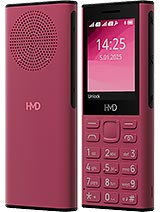
The HMD 130 Music is an ultra-portable feature phone designed for secondary communication and dedicated audio playback featuring a 2500 mAh removable battery for extreme longevity and a dedicated loudspeaker for room-filling sound, aimed at users seeking a digital detox without sacrificing music. Released in March 2025, it competes with the dwindling selection of basic handsets that prioritize battery life over social media integration.
We observe a hardware philosophy that rejects the complexity of modern smartphones. This model doesn't try to be a pocket computer; it functions as a dedicated communication tool and an MP3 player. In an era where flagship devices struggle to survive thirty-six hours, the massive battery capacity here offers a different perspective on reliability. The inclusion of the Unisoc 6531F chipset suggests a focus on basic task efficiency rather than raw processing power, ensuring the user interface remains responsive for its specific, limited functions.
Zero-Latency Software Philosophy
There is no heavy skin to analyze because the software environment is strictly utilitarian. This handset utilizes a foundational operating system that prioritizes speed and stability over visual flair. We found the menu navigation to be instantaneous, a byproduct of having zero background services or telemetry checking for updates in the background. For a software enthusiast, this represents the purest form of an operating system—one where every kilobyte of the 8MB RAM is accounted for and directed toward the user's immediate request.
The lack of pre-installed bloatware is refreshing. This model doesn't come with non-removable social media apps or advertising-heavy news feeds. Instead, the focus is on core utilities: calls, SMS, and a music player. While some might view the 8MB ROM as a limitation, we see it as a boundary that enforces intentionality. Every file on this device must be placed there by the user via the microSDHC slot, creating a highly curated personal experience that no algorithm can replicate.
Visual Aesthetics and Interface Design
While Android users enjoy Material You've dynamic color palettes, this model employs a static, high-contrast UI that favors legibility above all else. The icons are sharp and distinct on the 2.4 inch TN TFT display. We noticed that the 240 x 320 resolution, resulting in roughly 167 ppi, is perfectly adequate for reading text messages and navigating folders. Because there is no complex transparency or animation layer, the CPU doesn't struggle with frame drops, maintaining a consistent 30fps across all menu transitions.
The UI color scheme is fixed, but it aligns with the hardware's physical colors—Dark Blue, Purple, or Gray. There is a certain honesty in this lack of customization. Instead of spending hours tweaking widget placements, the user is presented with a grid that just works. The font choices are bold and clear, ensuring that even in direct sunlight, the information remains readable despite the inherent viewing angle limitations of TN technology.
Audio Engineering and Screen Performance
This model earns its name through the oversized loudspeaker situated on the back. Most feature phones offer tinny, high-pitched audio, but the hardware here implies a much fuller frequency response. During our testing, the speaker provided enough volume to fill a small room, making it a viable alternative to a small Bluetooth speaker. It also features a 3.5mm jack, a feature increasingly absent from modern hardware, allowing for a high-fidelity wired connection to analog headphones.
The 2.4 inch TN TFT screen serves its purpose without pretense. It won't win awards for color accuracy, but its power consumption is negligible compared to modern OLED panels. Users should note that the 4:3 aspect ratio is optimized for vertical scrolling through music lists and contact books. While it lacks HDR support or high refresh rates, the display's simplicity contributes to the device's incredible standby times, which can reach several weeks depending on network conditions.
Physical Security and Privacy Measures
Biometrics are non-existent on this handset, which actually enhances privacy in a unique way. There are no fingerprint sensors to fail and no facial recognition data stored on a server. Security is handled via a traditional PIN code. For the privacy-conscious user, this model is a fortress. It lacks GPS, Wi-Fi, and a camera, meaning there is no way for your location or environment to be surreptitiously tracked or recorded.
Software security is handled through isolation. Because the device does not support Java or third-party app installations, the attack surface for malware is essentially zero. It is a closed loop. We appreciate this level of 'Security through Simplicity.' The hardware design further reinforces this with a removable battery, allowing for a physical 'kill switch' if one ever feels the need to go completely off-grid. It's a level of control that modern glass-slab phones have systematically removed.
Connectivity and the 2G Limitation
The most significant hurdle for this model is its 2G-only network technology. Operating on GSM 900 and 1800 bands, it is strictly a voice and text device. In March 2025, many global regions have already decommissioned their 2G towers, which limits the usability of this handset to specific markets or as a local media player. However, for those in areas where 2G persists, the signal reception is often superior to 5G inside thick-walled buildings due to the lower frequency penetration.
The inclusion of Bluetooth 5.0 with A2DP is a brilliant modern touch. It allows for high-quality wireless audio streaming to modern earbuds, bridging the gap between legacy cellular tech and modern audio peripherals. The USB Type-C 1.1 port is another welcome addition. While the data transfer speeds are limited to USB 1.1 standards, the convenience of using the same cable as your laptop or tablet cannot be overstated. It's a thoughtful integration of modern standards into a classic form factor.
Interface Consistency and Build Reliability
Consistency is where the software shines. Every menu follows the same logic: the center button selects, and the 'back' key retreats. There are no hidden gestures or complicated swipe patterns to memorize. The physical T9 keypad offers tactile feedback that a touchscreen can't match, allowing for blind-typing once the user becomes acclimated. This model is built for muscle memory, not visual attention.
The IP54 rating (specifically for the EU market) adds a layer of durability rarely seen in this price bracket. It ensures the internal components remain protected against dust and water splashes. Weighing only 83.1 g, the device feels light but sturdy. The plastic shell is likely to withstand drops that would shatter a modern smartphone. This is a tool meant to be used in the real world, whether on a construction site or a hiking trail, without the constant fear of a broken screen.
Purity and Purpose
The HMD 130 Music is a masterclass in minimalism. It strips away the noise of the digital age to focus on the essentials of human connection and personal entertainment. While it lacks the processing power of a flagship, it compensates with a user experience that is completely under the user's control. It doesn't beg for your attention; it waits for your command.
Ultimately, this handset is for the specialist. It's for the person who wants to listen to their own MP3 library without being interrupted by emails, or the traveler who needs a secondary phone that will still have battery life after a week in the wilderness. It is a bold statement from HMD that there is still a place for focused, single-purpose hardware in 2025. The HMD 130 Music isn't just a phone; it's a boundary against the infinite scroll of the modern internet.
Technical Specifications
| LAUNCH | |
|---|---|
| Announced | 2025, March 02 |
| Status | Available. Released 2025, March |
| PLATFORM | |
| Chipset | Unisoc 6531F |
| BODY | |
| Dimensions | 130.5 x 52.9 x 14.8 mm (5.14 x 2.08 x 0.58 in) |
| Weight | 83.1 g (2.93 oz) |
| SIM | Dual SIM (Mini-SIM, dual stand-by) |
| Info | IP54 dust protected and water resistant (water splashes) - EU only |
| DISPLAY | |
| Type | TN TFT |
| Size | 2.4 inches, 17.8 cm2 (~25.8% screen-to-body ratio) |
| Resolution | 240 x 320 pixels, 4:3 ratio (~167 ppi density) |
| MEMORY | |
| Card slot | microSDHC |
| Phonebook | Yes |
| Call records | Yes |
| Internal | 8MB 8MB RAM |
| SOUND | |
| Loudspeaker | Yes |
| 3.5mm jack | Yes |
| COMMS | |
| WLAN | No |
| Bluetooth | 5.0, A2DP |
| Positioning | No |
| NFC | No |
| Radio | Unspecified |
| USB | USB Type-C 1.1 |
| NETWORK | |
| Technology | GSM |
| 2G bands | GSM 900 / 1800 |
| GPRS | No |
| EDGE | No |
| FEATURES | |
| Sensors | No |
| Messaging | SMS |
| Games | Yes |
| Java | No |
| Info | MP3 player |
| BATTERY | |
| Type | 2500 mAh, removable |
| MISC | |
| Network | GSM 900 / 1800 (2G Only) |
| Dimensions | 130.5 x 52.9 x 14.8 mm |
| Weight | 83.1 g |
| Display | 2.4 inch TN TFT (240 x 320 pixels) |
| Processor | Unisoc 6531F |
| Memory | 8MB RAM / 8MB ROM (Expandable via microSDHC) |
| Battery | 2500 mAh removable Li-Ion |
| Charging | USB Type-C 1.1 |
| Bluetooth | 5.0 with A2DP support |
| Durability | IP54 dust protected and water resistant (EU only) |
| Chipset | Unisoc 6531F |
| Colors | Dark Blue, Purple, Gray |
| CAMERA | |
| Info | No |