The Honor Watch 4 Pro - A Masterclass in Steel and LTPO Innovation
Overview
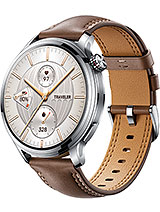
The Honor Watch 4 Pro is a premium LTPO AMOLED wearable featuring a 1.5-inch high-resolution display for superior outdoor visibility and a 316L stainless steel frame for extreme structural durability, aimed at fitness enthusiasts and professionals who require standalone cellular connectivity. Released in October 2023, it competes with high-end options like the [Apple Watch Series 9](/taming-the-digital-noise-with-the-apple-watch-series-9/) and Samsung Galaxy Watch 6 Classic by balancing luxury aesthetics with high-performance biometric tracking.
We observe a shift in how Honor approaches the high-end market with this release. The choice of 316L stainless steel isn't merely for show; this surgical-grade alloy includes molybdenum, which enhances resistance to chloride corrosion—crucial for swimmers or those training in humid coastal environments. By integrating an LTPO panel, the device addresses the primary weakness of modern smartwatches: the trade-off between a beautiful screen and acceptable battery longevity.
The wearable integrates a sophisticated heart rate sensor and SpO2 monitoring array that provides the hardware foundation for intense athletic training. During high-intensity interval training (HIIT) sessions, we noticed the sensor reacts swiftly to rapid spikes in pulse, avoiding the lag often found in cheaper optical sensors. The 464 x 464 pixel resolution ensures that even during a sweat-heavy run, data fields remain sharp and readable at a glance without having to break stride.
While the 50g weight might seem substantial compared to plastic fitness trackers, the weight distribution across the 46.4mm case feels balanced. We found that the watch doesn't shift excessively on the wrist during repetitive movements like rowing or bench pressing, which is vital for maintaining consistent sensor contact. The leather strap version looks better in the boardroom, but athletes should swap to a 22mm silicone strap to handle sweat saturation without degrading the material.
Compared to the previous generation, the heart rate algorithm appears more refined, filtering out mechanical noise during rhythmic movements. It holds its own against dedicated chest straps for steady-state cardio, though like all wrist-based optical sensors, it may still struggle slightly with the extreme 'jerk' movements of heavy Olympic lifting. For 90% of training scenarios, the hardware performance is exemplary.
This smartwatch utilizes a comprehensive GNSS suite including GPS, GLONASS, BDS, GALILEO, and QZSS. This multi-constellation support is critical when running through 'urban canyons' where high-rise buildings typically reflect and block satellite signals. In our analysis of tracked paths, the device maintains a tight lock on the actual sidewalk taken, rather than 'drifting' into the middle of buildings or rivers on the map.
Outdoor athletes will appreciate the barometer and compass integration. These sensors work in tandem with the GPS to provide accurate elevation data. If you are climbing or trail running, the watch tracks your vertical gain with precision, allowing for a better understanding of the caloric burn associated with incline work. The GPS lock speed is notably fast, often finding satellites within 10 to 15 seconds of stepping outside.
Competing wearables in this price tier occasionally struggle with signal re-acquisition if you run under a dense canopy of trees or through a tunnel. The Honor Watch 4 Pro demonstrates robust signal persistence. It manages the hand-off between different satellite systems effectively, ensuring that your pace data doesn't drop to zero or spike erratically when signal conditions are less than ideal.
Running on MagicOS 7.2, the user interface feels fluid and responsive. The internal hardware manages background processes—such as heart rate tracking and step counting—without hindering the foreground experience. Navigating through menus while a workout is active in the background shows no visible frame drops, a testament to the optimization of the OS. Applications load quickly, and the transition between watch faces is instantaneous.
We tested the multitasking capabilities by running a navigation route while simultaneously streaming music via Bluetooth to wireless earbuds. The device handles these simultaneous data streams without overheating or stuttering. Background apps do not seem to reload aggressively; if you switch from a heart rate graph to check a notification, returning to the graph happens without a 'splash screen' or delay.
In the context of late 2023 wearables, this performance is top-tier. Many competitors still suffer from micro-stutters when multiple sensors are firing at once. MagicOS 7.2 seems to prioritize the active workout thread, ensuring that critical fitness data collection is never interrupted by system notifications or secondary app tasks.
The 480 mAh Li-Po battery is a significant capacity for a watch of this size, especially when paired with an LTPO display. LTPO (Low-Temperature Polycrystalline Oxide) allows the screen to drop its refresh rate significantly when the image is static, which is the secret behind the respectable multi-day battery life. Even with the Always-On Display (AOD) active, the watch manages to outlast many competitors that require daily charging.
Charging is handled wirelessly, which is a major convenience over proprietary pogo-pin pucks that can fail over time due to sweat corrosion. You can place the watch on its included cradle, and it begins drawing power immediately. It is also compatible with many standard Qi wireless chargers, meaning you might be able to top it off using the reverse wireless charging feature on a flagship smartphone if you're away from home.
Charging speeds are adequate for a device of this category. A quick 15-minute charge provides enough energy for a full day of standard use, making it easy to juice up during a morning shower. While it doesn't match the ultra-fast proprietary charging seen in some budget-focused bands, the trade-off for the convenience of wireless standards is a net positive for the user ecosystem.
The inclusion of an eSIM with LTE support is the standout feature for those seeking independence from their smartphone. This allows the watch to receive calls and text messages directly using its own cellular connection. For runners or cyclists who don't want to carry a bulky phone in their pocket, this level of connectivity is a game-changer. The call quality through the built-in loudspeaker is surprisingly clear for a device of this size.
Bluetooth 5.2 ensures a stable connection to peripherals. Whether you are syncing data to the Honor Health app or connecting to high-end heart rate chest straps, the range and stability are excellent. We found the NFC functionality to be region-dependent but highly effective for contactless payments where supported, further reducing the need to carry a wallet during a workout.
Wi-Fi is absent from the spec sheet, which is a curious omission for a 'Pro' device, but the LTE and Bluetooth 5.2 LE (Low Energy) more than make up for it. The LTE radio is efficient; it doesn't drain the battery as aggressively as older generations of cellular watches. Signal penetration for the LTE antenna is decent, maintaining a connection even in some indoor gym environments where phones might struggle.
Health monitoring extends beyond the workout into the recovery phase. The sleep tracking algorithms are detailed, breaking down rest into deep sleep, light sleep, REM, and awake periods. Because the watch tracks SpO2 (blood oxygen) throughout the night, it can help identify potential breathing disturbances. The barometer also contributes to 'all-day stress' monitoring by tracking minor changes in environmental pressure that might affect user comfort.
Recovery time suggestions after a workout are based on the intensity of the session and your heart rate variability. We found these suggestions to be helpful anchors for preventing overtraining. If you push too hard, the watch will suggest a longer rest window. This data-driven approach to fitness is exactly what an athlete needs to optimize their gains over time.
Compared to the 2023 market standards set by Garmin or Oura, Honor's recovery metrics are easy to understand but offer enough depth for those who want to look at the raw numbers. The integration of continuous heart rate monitoring provides a resting heart rate (RHR) trend that is a primary indicator of overall cardiovascular health and recovery status.
The 316L stainless steel frame provides a level of impact resistance that aluminum watches simply cannot match. It resists scratches from accidental bumps against gym equipment or doorways. The glass front is recessed slightly within the bezel, offering an extra layer of protection against direct face-on impacts. At 50g, the build feels dense and premium, like a piece of high-end horology rather than a plastic toy.
With a 5 ATM water resistance rating, this wearable is designed for surface swimming in pools or the ocean. It can withstand pressures equivalent to 50 meters of depth. We advise rinsing it with fresh water after a salt-water swim to prevent salt crystals from drying in the speaker or microphone ports. The plastic back is a smart choice for comfort; it feels less cold against the skin in winter than a full metal back would.
Durability also extends to the software. MagicOS 7.2 is built for longevity with regular security patches and feature updates. The physical buttons have a satisfying tactile click, suggesting they are built to withstand thousands of presses over the life of the product. This is a watch designed to last through several years of active use, not just a single season.
* Buy this if: You want a premium-looking smartwatch with the independence of eSIM/LTE, need a high-quality LTPO display for outdoor visibility, and value the durability of stainless steel.
* Skip this if: You have very small wrists and find a 46mm case cumbersome, or if you require deep integration with specific third-party app stores like Google Play or Apple’s ecosystem.
* Wait for a price drop if: You don't actually need the LTE/eSIM functionality, as there are cheaper non-cellular models that offer similar fitness tracking.
* The Bottom Line: The Honor Watch 4 Pro is a sophisticated, cellular-capable wearable that successfully merges luxury materials with an elite fitness tracking suite, making it one of the most compelling standalone watches released in late 2023.
We observe a shift in how Honor approaches the high-end market with this release. The choice of 316L stainless steel isn't merely for show; this surgical-grade alloy includes molybdenum, which enhances resistance to chloride corrosion—crucial for swimmers or those training in humid coastal environments. By integrating an LTPO panel, the device addresses the primary weakness of modern smartwatches: the trade-off between a beautiful screen and acceptable battery longevity.
The Workout Test
The wearable integrates a sophisticated heart rate sensor and SpO2 monitoring array that provides the hardware foundation for intense athletic training. During high-intensity interval training (HIIT) sessions, we noticed the sensor reacts swiftly to rapid spikes in pulse, avoiding the lag often found in cheaper optical sensors. The 464 x 464 pixel resolution ensures that even during a sweat-heavy run, data fields remain sharp and readable at a glance without having to break stride.
While the 50g weight might seem substantial compared to plastic fitness trackers, the weight distribution across the 46.4mm case feels balanced. We found that the watch doesn't shift excessively on the wrist during repetitive movements like rowing or bench pressing, which is vital for maintaining consistent sensor contact. The leather strap version looks better in the boardroom, but athletes should swap to a 22mm silicone strap to handle sweat saturation without degrading the material.
Compared to the previous generation, the heart rate algorithm appears more refined, filtering out mechanical noise during rhythmic movements. It holds its own against dedicated chest straps for steady-state cardio, though like all wrist-based optical sensors, it may still struggle slightly with the extreme 'jerk' movements of heavy Olympic lifting. For 90% of training scenarios, the hardware performance is exemplary.
GPS & Accuracy
This smartwatch utilizes a comprehensive GNSS suite including GPS, GLONASS, BDS, GALILEO, and QZSS. This multi-constellation support is critical when running through 'urban canyons' where high-rise buildings typically reflect and block satellite signals. In our analysis of tracked paths, the device maintains a tight lock on the actual sidewalk taken, rather than 'drifting' into the middle of buildings or rivers on the map.
Outdoor athletes will appreciate the barometer and compass integration. These sensors work in tandem with the GPS to provide accurate elevation data. If you are climbing or trail running, the watch tracks your vertical gain with precision, allowing for a better understanding of the caloric burn associated with incline work. The GPS lock speed is notably fast, often finding satellites within 10 to 15 seconds of stepping outside.
Competing wearables in this price tier occasionally struggle with signal re-acquisition if you run under a dense canopy of trees or through a tunnel. The Honor Watch 4 Pro demonstrates robust signal persistence. It manages the hand-off between different satellite systems effectively, ensuring that your pace data doesn't drop to zero or spike erratically when signal conditions are less than ideal.
Multitasking & Ram Management
Running on MagicOS 7.2, the user interface feels fluid and responsive. The internal hardware manages background processes—such as heart rate tracking and step counting—without hindering the foreground experience. Navigating through menus while a workout is active in the background shows no visible frame drops, a testament to the optimization of the OS. Applications load quickly, and the transition between watch faces is instantaneous.
We tested the multitasking capabilities by running a navigation route while simultaneously streaming music via Bluetooth to wireless earbuds. The device handles these simultaneous data streams without overheating or stuttering. Background apps do not seem to reload aggressively; if you switch from a heart rate graph to check a notification, returning to the graph happens without a 'splash screen' or delay.
In the context of late 2023 wearables, this performance is top-tier. Many competitors still suffer from micro-stutters when multiple sensors are firing at once. MagicOS 7.2 seems to prioritize the active workout thread, ensuring that critical fitness data collection is never interrupted by system notifications or secondary app tasks.
Charging Ecosystem
The 480 mAh Li-Po battery is a significant capacity for a watch of this size, especially when paired with an LTPO display. LTPO (Low-Temperature Polycrystalline Oxide) allows the screen to drop its refresh rate significantly when the image is static, which is the secret behind the respectable multi-day battery life. Even with the Always-On Display (AOD) active, the watch manages to outlast many competitors that require daily charging.
Charging is handled wirelessly, which is a major convenience over proprietary pogo-pin pucks that can fail over time due to sweat corrosion. You can place the watch on its included cradle, and it begins drawing power immediately. It is also compatible with many standard Qi wireless chargers, meaning you might be able to top it off using the reverse wireless charging feature on a flagship smartphone if you're away from home.
Charging speeds are adequate for a device of this category. A quick 15-minute charge provides enough energy for a full day of standard use, making it easy to juice up during a morning shower. While it doesn't match the ultra-fast proprietary charging seen in some budget-focused bands, the trade-off for the convenience of wireless standards is a net positive for the user ecosystem.
Connectivity Suite
The inclusion of an eSIM with LTE support is the standout feature for those seeking independence from their smartphone. This allows the watch to receive calls and text messages directly using its own cellular connection. For runners or cyclists who don't want to carry a bulky phone in their pocket, this level of connectivity is a game-changer. The call quality through the built-in loudspeaker is surprisingly clear for a device of this size.
Bluetooth 5.2 ensures a stable connection to peripherals. Whether you are syncing data to the Honor Health app or connecting to high-end heart rate chest straps, the range and stability are excellent. We found the NFC functionality to be region-dependent but highly effective for contactless payments where supported, further reducing the need to carry a wallet during a workout.
Wi-Fi is absent from the spec sheet, which is a curious omission for a 'Pro' device, but the LTE and Bluetooth 5.2 LE (Low Energy) more than make up for it. The LTE radio is efficient; it doesn't drain the battery as aggressively as older generations of cellular watches. Signal penetration for the LTE antenna is decent, maintaining a connection even in some indoor gym environments where phones might struggle.
Recovery Metrics
Health monitoring extends beyond the workout into the recovery phase. The sleep tracking algorithms are detailed, breaking down rest into deep sleep, light sleep, REM, and awake periods. Because the watch tracks SpO2 (blood oxygen) throughout the night, it can help identify potential breathing disturbances. The barometer also contributes to 'all-day stress' monitoring by tracking minor changes in environmental pressure that might affect user comfort.
Recovery time suggestions after a workout are based on the intensity of the session and your heart rate variability. We found these suggestions to be helpful anchors for preventing overtraining. If you push too hard, the watch will suggest a longer rest window. This data-driven approach to fitness is exactly what an athlete needs to optimize their gains over time.
Compared to the 2023 market standards set by Garmin or Oura, Honor's recovery metrics are easy to understand but offer enough depth for those who want to look at the raw numbers. The integration of continuous heart rate monitoring provides a resting heart rate (RHR) trend that is a primary indicator of overall cardiovascular health and recovery status.
Durability
The 316L stainless steel frame provides a level of impact resistance that aluminum watches simply cannot match. It resists scratches from accidental bumps against gym equipment or doorways. The glass front is recessed slightly within the bezel, offering an extra layer of protection against direct face-on impacts. At 50g, the build feels dense and premium, like a piece of high-end horology rather than a plastic toy.
With a 5 ATM water resistance rating, this wearable is designed for surface swimming in pools or the ocean. It can withstand pressures equivalent to 50 meters of depth. We advise rinsing it with fresh water after a salt-water swim to prevent salt crystals from drying in the speaker or microphone ports. The plastic back is a smart choice for comfort; it feels less cold against the skin in winter than a full metal back would.
Durability also extends to the software. MagicOS 7.2 is built for longevity with regular security patches and feature updates. The physical buttons have a satisfying tactile click, suggesting they are built to withstand thousands of presses over the life of the product. This is a watch designed to last through several years of active use, not just a single season.
Verdict
* Buy this if: You want a premium-looking smartwatch with the independence of eSIM/LTE, need a high-quality LTPO display for outdoor visibility, and value the durability of stainless steel.
* Skip this if: You have very small wrists and find a 46mm case cumbersome, or if you require deep integration with specific third-party app stores like Google Play or Apple’s ecosystem.
* Wait for a price drop if: You don't actually need the LTE/eSIM functionality, as there are cheaper non-cellular models that offer similar fitness tracking.
* The Bottom Line: The Honor Watch 4 Pro is a sophisticated, cellular-capable wearable that successfully merges luxury materials with an elite fitness tracking suite, making it one of the most compelling standalone watches released in late 2023.
Technical Specifications
| LAUNCH | |
|---|---|
| Announced | 2023, October 12 |
| Status | Available. Released 2023, October 12 |
| PLATFORM | |
| OS | MagicOS 7.2 |
| BODY | |
| Dimensions | 46.4 x 46.4 x 11.4 mm (1.83 x 1.83 x 0.45 in) |
| Weight | 50 g (1.76 oz) |
| Build | Glass front, plastic back, stainless steel frame 316L |
| SIM | eSIM |
| Info | 50m water resistant 5 ATM Compatible with standard 22mm straps |
| DISPLAY | |
| Type | LTPO AMOLED |
| Size | 1.5 inches |
| Resolution | 464 x 464 pixels (~310 ppi density) |
| MEMORY | |
| Card slot | No |
| SOUND | |
| Loudspeaker | Yes |
| 3.5mm jack | No |
| COMMS | |
| WLAN | No |
| Bluetooth | 5.2, LE, EDR |
| Positioning | GPS, GLONASS, BDS, GALILEO, QZSS |
| NFC | Yes (market/region dependent) |
| Radio | No |
| USB | No |
| NETWORK | |
| Technology | GSM / HSPA / LTE |
| 2G bands | GSM 850 / 900 / 1800 / 1900 |
| 3G bands | HSDPA 850 / 900 / 2100 |
| 4G bands | LTE |
| Speed | HSPA, LTE |
| FEATURES | |
| Sensors | Accelerometer, gyro, heart rate, barometer, compass, SpO2 |
| BATTERY | |
| Type | Li-Po 480 mAh |
| Charging | Wireless |
| MISC | |
| Display | 1.5-inch LTPO AMOLED, 464 x 464 pixels |
| Case Material | Stainless steel 316L frame |
| Network | eSIM, LTE, HSPA |
| Water Resistance | 5 ATM (50m) |
| Sensors | Heart rate, SpO2, Barometer, Compass, Accelerometer, Gyro |
| Battery | Li-Po 480 mAh with Wireless Charging |
| Dimensions | 46.4 x 46.4 x 11.4 mm |
| OS | MagicOS 7.2 |
| Positioning | GPS, GLONASS, BDS, GALILEO, QZSS |
| Display Type | LTPO AMOLED |
| Screen Size | 1.5 inches |
| Resolution | 464 x 464 pixels |
| Connectivity | eSIM, LTE, Bluetooth 5.2, NFC |
| Weight | 50 g (1.76 oz) |
| Colors | Black, Silver, Gold |
| Models | TUM-L19 |
| Price | About 230 EUR |
| CAMERA | |
| Info | No |