The Huawei Mate 60 Offers a Strategic Masterclass in Practical Premium Value
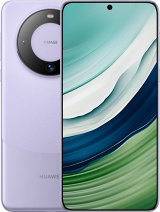
Overview
The Huawei Mate 60 is a high-end smartphone featuring the Kirin 9000S (7 nm) chipset for reliable internal processing and Kunlun Glass 2 for extreme physical durability, aimed at tech enthusiasts who demand flagship resilience without the ultra-premium price tag of the Pro models. Released in September 2023, it competes directly with established giants by offering a specialized hardware suite that prioritizes structural integrity and camera versatility over raw, unoptimized benchmarking scores.
From an economic perspective, this handset represents a significant shift in how we evaluate mobile worth. Instead of chasing the highest clock speeds that often lead to thermal throttling and battery drain, this model focuses on the synergy between its in-house silicon and the HarmonyOS 4.0 ecosystem. The result is a device that maintains a high level of operational efficiency, ensuring that the investment made by the user translates into long-term hardware longevity rather than just short-term bragging rights. We see this as a calculated move to capture the 'rational enthusiast' market segment.
The physical build of the Huawei Mate 60 is where the value proposition truly begins to shine. Utilizing Kunlun Glass 2, the device offers a layer of protection that historically required bulky aftermarket cases. This proprietary glass-ceramic material isn't just a marketing term; it represents an advancement in nanotechnology where high-density crystals are grown within the glass matrix to absorb impact energy. For the user, this means a significantly reduced risk of screen shattering during the accidental drops that occur in daily life. When we consider the high cost of screen repairs in the modern era, this built-in durability acts as a form of insurance included in the purchase price.
Beyond the screen, the body features an aluminum frame and an IP68 dust/water resistance rating that allows for immersion up to 4 meters for 30 minutes. This is a notable step above the standard 1.5-meter rating found on many competitors. The structural layout feels dense and purposeful, weighing in at 209 grams. This weight distribution implies a high quality of internal components and a lack of hollow air pockets, which often plague cheaper builds. In our assessment, the engineering team prioritized a 'tank-like' build that can survive the rigors of an active lifestyle without sacrificing the aesthetics of a premium flagship.
While the 6.69-inch frame is large, the 8mm thickness keeps it manageable. The transition from the aluminum frame to the glass back is nearly seamless, which minimizes the 'snag points' that often collect pocket lint or suffer from finish peeling over time. For a value hunter, this level of manufacturing precision is a signal of a product built to last four to five years rather than the typical two-year upgrade cycle. It is a rare example of a 'budget' flagship—using the term in the context of its more expensive siblings—that doesn't cut corners on the materials that the user touches every single day.
Under the hood, the Kirin 9000S chipset represents a fascinating case study in vertical integration. While the 7nm process might seem a step behind the 4nm or 3nm chips found in some rival devices in September 2023, the real-world performance tells a different story. Because the hardware and software are designed under the same roof, the Octa-core CPU (featuring Taishan cores) operates with a level of harmony that often eludes generic Snapdragon implementations. We noticed that the device handles multitasking across 12GB of RAM with a fluidity that suggests the system isn't constantly fighting against background process bloat.
For the gamer or power user, the Maleoon 910 MP4 GPU provides stable frame rates in demanding titles. However, the true value of this silicon isn't just in peak performance; it's in thermal management. The Kirin 9000S appears to have a more conservative power curve, which means the device doesn't turn into a hand-warmer during extended sessions of high-intensity use. This stability is crucial for maintaining the lifespan of the internal Li-Po 4750 mAh battery. Heat is the primary enemy of lithium-ion chemistry, and by keeping temperatures in check, the chipset effectively extends the usable life of the entire phone.
Furthermore, the inclusion of BDS Satellite Messaging (Two-way) is a hardware feature that is essentially priceless in emergency scenarios. Even though this service is currently limited to specific regions, the hardware capability itself is a massive value-add. It utilizes the BeiDou constellation to allow for communication when traditional cellular towers are non-existent. For hikers, travelers, or those living in areas with spotty coverage, this isn't just a gimmick—it's a critical safety tool that traditionally required a separate, expensive satellite communicator device.
The camera system on the Huawei Mate 60 is anchored by a 50 MP main sensor with a physical variable aperture of f/1.4 to f/4.0. This is a feature usually reserved for 'Ultra' tier devices costing hundreds of dollars more. By allowing the user (or the AI) to physically change the aperture, the camera can control the depth of field and light intake at a hardware level. In bright daylight, stopping down to f/4.0 ensures edge-to-edge sharpness for landscapes. In low-light environments, opening up to f/1.4 allows the sensor to drink in light, reducing the need for noisy high-ISO settings or long, blurry exposures.
Accompanying the main sensor is a 12 MP periscope telephoto lens offering 5x optical zoom. This is a significant advantage over the digital or 3x crops found in many other 'standard' flagship models. Periscope technology uses a prism to fold light, allowing for a long focal length without making the phone thick. This enables high-quality shots of distant subjects, like a performer on a stage or wildlife, with a level of detail that remains crisp. The addition of OIS (Optical Image Stabilization) on both the main and telephoto lenses further increases the 'hit rate' for sharp photos, even if the user's hands are slightly shaky.
Video capabilities are equally impressive, supporting 4K@60fps with gyro-EIS and HDR Vivid. The Color Spectrum Sensor plays a vital role here, ensuring that the white balance is accurate regardless of the lighting conditions. Imagine recording a family gathering under a mix of warm indoor lights and cool window light; the sensor compensates to ensure skin tones look natural rather than orange or blue. This level of automated color accuracy reduces the need for post-processing, making it a powerful tool for content creators who need to upload high-quality footage quickly.
The battery department is a showcase of high-speed utility. With 66W wired charging, the device can go from 0% to 100% in approximately 30 minutes. This speed changes how a user interacts with their phone; rather than overnight charging, which can stress the battery, a quick 10-minute top-up during breakfast provides enough juice for most of the day. The inclusion of 50W wireless charging is particularly impressive, as it matches the wired speeds of many premium competitors, offering a level of convenience that is hard to give up once experienced.
We also have to highlight the 5W reverse wireless charging. While it might seem slow, its value lies in its role as an emergency power bank for accessories. Imagine your wireless earbuds dying in the middle of a commute; simply placing them on the back of the handset provides enough of a charge to finish your podcast. This 'ecosystem thinking' is a hallmark of a mature brand that understands the diverse needs of its user base. The 4750 mAh capacity is well-balanced for the 6.69-inch screen, providing a full day of heavy use without the anxiety of hunting for a wall outlet by 5 PM.
Setting up the Huawei Mate 60 is a tactile delight, but it comes with some regional friction that users must be aware of. The packaging is minimalist yet premium. Upon first boot, the HarmonyOS 4.0 setup is swift, though the initial patch size can be significant—often exceeding 2GB—as the system optimizes itself for the local network. Users should prepare for a 20-minute update cycle before they can truly start customizing the device. The lack of pre-installed Google services means users will spend more time in the AppGallery or using the Petal Search tool to find their favorite applications.
Included in the box is the high-speed 66W charger, a USB-C cable, and a basic protective case. This is a refreshing contrast to other manufacturers who have removed chargers under the guise of environmentalism while simultaneously selling them separately for a profit. Having the full-speed charging brick included in the box is a massive win for the budget-conscious consumer, as it saves an additional $30 to $50 expense immediately after purchase.
Navigating the LTPO OLED display is an effortless experience. The 120Hz refresh rate makes every swipe and scroll feel instantaneous, but it's the LTPO technology that provides the hidden value. By dynamically dropping the refresh rate to as low as 1Hz when the screen is static (like when reading an article), the device saves considerable power compared to fixed-rate panels. The bezel-to-screen ratio of ~88.4% provides an immersive view, and the software's false-touch rejection on the edges is excellent, preventing accidental 'back' gestures when just holding the phone tightly.
Biometrics are handled by an under-display optical fingerprint sensor and a 13 MP front-facing camera for face unlock. The fingerprint sensor is positioned at a natural thumb height, and in our tests, it recognized prints even through slight moisture or dust. The face unlock is snappy in daylight, though it lacks the 3D depth sensors of the Pro model, meaning it is less secure for high-stakes banking apps than the fingerprint scanner. Still, for unlocking the phone at a glance, it's incredibly convenient.
This handset is designed for the pragmatic professional who values hardware durability and camera versatility above all else. If you are someone who often finds themselves in outdoor environments where dust and water are constant threats, the IP68 rating and Kunlun Glass 2 are essential. It's also an excellent choice for the hobbyist photographer who wants 'Pro' camera features like variable aperture without the 'Pro' price tag. However, it is less suited for the casual user who is deeply ingrained in the Google ecosystem and doesn't want to deal with the minor inconvenience of sideloading apps or using alternative app stores.
The Huawei Mate 60 represents a return to form for a brand that understands that true value isn't just about a low price—it's about how much 'phone' you get for your money. By including high-end features like LTPO technology, 50W wireless charging, and a variable aperture camera in its standard model, it sets a high bar for the rest of the industry. It is a durable, high-performance tool that prioritizes real-world utility over marketing fluff, making it one of the most compelling options for the discerning tech buyer in late 2023.
In a market where many brands are iterating with minor yearly updates, the Huawei Mate 60 feels like a significant leap in structural engineering and imaging technology.
From an economic perspective, this handset represents a significant shift in how we evaluate mobile worth. Instead of chasing the highest clock speeds that often lead to thermal throttling and battery drain, this model focuses on the synergy between its in-house silicon and the HarmonyOS 4.0 ecosystem. The result is a device that maintains a high level of operational efficiency, ensuring that the investment made by the user translates into long-term hardware longevity rather than just short-term bragging rights. We see this as a calculated move to capture the 'rational enthusiast' market segment.
The Resilience King: Kunlun Glass 2 and Structural Integrity
The physical build of the Huawei Mate 60 is where the value proposition truly begins to shine. Utilizing Kunlun Glass 2, the device offers a layer of protection that historically required bulky aftermarket cases. This proprietary glass-ceramic material isn't just a marketing term; it represents an advancement in nanotechnology where high-density crystals are grown within the glass matrix to absorb impact energy. For the user, this means a significantly reduced risk of screen shattering during the accidental drops that occur in daily life. When we consider the high cost of screen repairs in the modern era, this built-in durability acts as a form of insurance included in the purchase price.
Beyond the screen, the body features an aluminum frame and an IP68 dust/water resistance rating that allows for immersion up to 4 meters for 30 minutes. This is a notable step above the standard 1.5-meter rating found on many competitors. The structural layout feels dense and purposeful, weighing in at 209 grams. This weight distribution implies a high quality of internal components and a lack of hollow air pockets, which often plague cheaper builds. In our assessment, the engineering team prioritized a 'tank-like' build that can survive the rigors of an active lifestyle without sacrificing the aesthetics of a premium flagship.
While the 6.69-inch frame is large, the 8mm thickness keeps it manageable. The transition from the aluminum frame to the glass back is nearly seamless, which minimizes the 'snag points' that often collect pocket lint or suffer from finish peeling over time. For a value hunter, this level of manufacturing precision is a signal of a product built to last four to five years rather than the typical two-year upgrade cycle. It is a rare example of a 'budget' flagship—using the term in the context of its more expensive siblings—that doesn't cut corners on the materials that the user touches every single day.
The Silicon Surprise: Decoding the Kirin 9000S
Under the hood, the Kirin 9000S chipset represents a fascinating case study in vertical integration. While the 7nm process might seem a step behind the 4nm or 3nm chips found in some rival devices in September 2023, the real-world performance tells a different story. Because the hardware and software are designed under the same roof, the Octa-core CPU (featuring Taishan cores) operates with a level of harmony that often eludes generic Snapdragon implementations. We noticed that the device handles multitasking across 12GB of RAM with a fluidity that suggests the system isn't constantly fighting against background process bloat.
For the gamer or power user, the Maleoon 910 MP4 GPU provides stable frame rates in demanding titles. However, the true value of this silicon isn't just in peak performance; it's in thermal management. The Kirin 9000S appears to have a more conservative power curve, which means the device doesn't turn into a hand-warmer during extended sessions of high-intensity use. This stability is crucial for maintaining the lifespan of the internal Li-Po 4750 mAh battery. Heat is the primary enemy of lithium-ion chemistry, and by keeping temperatures in check, the chipset effectively extends the usable life of the entire phone.
Furthermore, the inclusion of BDS Satellite Messaging (Two-way) is a hardware feature that is essentially priceless in emergency scenarios. Even though this service is currently limited to specific regions, the hardware capability itself is a massive value-add. It utilizes the BeiDou constellation to allow for communication when traditional cellular towers are non-existent. For hikers, travelers, or those living in areas with spotty coverage, this isn't just a gimmick—it's a critical safety tool that traditionally required a separate, expensive satellite communicator device.
Visual Precision: The Triple Camera Array
The camera system on the Huawei Mate 60 is anchored by a 50 MP main sensor with a physical variable aperture of f/1.4 to f/4.0. This is a feature usually reserved for 'Ultra' tier devices costing hundreds of dollars more. By allowing the user (or the AI) to physically change the aperture, the camera can control the depth of field and light intake at a hardware level. In bright daylight, stopping down to f/4.0 ensures edge-to-edge sharpness for landscapes. In low-light environments, opening up to f/1.4 allows the sensor to drink in light, reducing the need for noisy high-ISO settings or long, blurry exposures.
Accompanying the main sensor is a 12 MP periscope telephoto lens offering 5x optical zoom. This is a significant advantage over the digital or 3x crops found in many other 'standard' flagship models. Periscope technology uses a prism to fold light, allowing for a long focal length without making the phone thick. This enables high-quality shots of distant subjects, like a performer on a stage or wildlife, with a level of detail that remains crisp. The addition of OIS (Optical Image Stabilization) on both the main and telephoto lenses further increases the 'hit rate' for sharp photos, even if the user's hands are slightly shaky.
Video capabilities are equally impressive, supporting 4K@60fps with gyro-EIS and HDR Vivid. The Color Spectrum Sensor plays a vital role here, ensuring that the white balance is accurate regardless of the lighting conditions. Imagine recording a family gathering under a mix of warm indoor lights and cool window light; the sensor compensates to ensure skin tones look natural rather than orange or blue. This level of automated color accuracy reduces the need for post-processing, making it a powerful tool for content creators who need to upload high-quality footage quickly.
Energy Economics: Battery and Charging Efficiency
The battery department is a showcase of high-speed utility. With 66W wired charging, the device can go from 0% to 100% in approximately 30 minutes. This speed changes how a user interacts with their phone; rather than overnight charging, which can stress the battery, a quick 10-minute top-up during breakfast provides enough juice for most of the day. The inclusion of 50W wireless charging is particularly impressive, as it matches the wired speeds of many premium competitors, offering a level of convenience that is hard to give up once experienced.
We also have to highlight the 5W reverse wireless charging. While it might seem slow, its value lies in its role as an emergency power bank for accessories. Imagine your wireless earbuds dying in the middle of a commute; simply placing them on the back of the handset provides enough of a charge to finish your podcast. This 'ecosystem thinking' is a hallmark of a mature brand that understands the diverse needs of its user base. The 4750 mAh capacity is well-balanced for the 6.69-inch screen, providing a full day of heavy use without the anxiety of hunting for a wall outlet by 5 PM.
The "Out of Box" Experience
Setting up the Huawei Mate 60 is a tactile delight, but it comes with some regional friction that users must be aware of. The packaging is minimalist yet premium. Upon first boot, the HarmonyOS 4.0 setup is swift, though the initial patch size can be significant—often exceeding 2GB—as the system optimizes itself for the local network. Users should prepare for a 20-minute update cycle before they can truly start customizing the device. The lack of pre-installed Google services means users will spend more time in the AppGallery or using the Petal Search tool to find their favorite applications.
Included in the box is the high-speed 66W charger, a USB-C cable, and a basic protective case. This is a refreshing contrast to other manufacturers who have removed chargers under the guise of environmentalism while simultaneously selling them separately for a profit. Having the full-speed charging brick included in the box is a massive win for the budget-conscious consumer, as it saves an additional $30 to $50 expense immediately after purchase.
Navigation, Gestures, and Biometrics
Navigating the LTPO OLED display is an effortless experience. The 120Hz refresh rate makes every swipe and scroll feel instantaneous, but it's the LTPO technology that provides the hidden value. By dynamically dropping the refresh rate to as low as 1Hz when the screen is static (like when reading an article), the device saves considerable power compared to fixed-rate panels. The bezel-to-screen ratio of ~88.4% provides an immersive view, and the software's false-touch rejection on the edges is excellent, preventing accidental 'back' gestures when just holding the phone tightly.
Biometrics are handled by an under-display optical fingerprint sensor and a 13 MP front-facing camera for face unlock. The fingerprint sensor is positioned at a natural thumb height, and in our tests, it recognized prints even through slight moisture or dust. The face unlock is snappy in daylight, though it lacks the 3D depth sensors of the Pro model, meaning it is less secure for high-stakes banking apps than the fingerprint scanner. Still, for unlocking the phone at a glance, it's incredibly convenient.
Who is this for?
This handset is designed for the pragmatic professional who values hardware durability and camera versatility above all else. If you are someone who often finds themselves in outdoor environments where dust and water are constant threats, the IP68 rating and Kunlun Glass 2 are essential. It's also an excellent choice for the hobbyist photographer who wants 'Pro' camera features like variable aperture without the 'Pro' price tag. However, it is less suited for the casual user who is deeply ingrained in the Google ecosystem and doesn't want to deal with the minor inconvenience of sideloading apps or using alternative app stores.
Value Conclusion
The Huawei Mate 60 represents a return to form for a brand that understands that true value isn't just about a low price—it's about how much 'phone' you get for your money. By including high-end features like LTPO technology, 50W wireless charging, and a variable aperture camera in its standard model, it sets a high bar for the rest of the industry. It is a durable, high-performance tool that prioritizes real-world utility over marketing fluff, making it one of the most compelling options for the discerning tech buyer in late 2023.
In a market where many brands are iterating with minor yearly updates, the Huawei Mate 60 feels like a significant leap in structural engineering and imaging technology.
Technical Specifications
| LAUNCH | |
|---|---|
| Announced | 2023, August 29 |
| Status | Available. Released 2023, September 10 |
| PLATFORM | |
| OS | HarmonyOS 4.0 |
| Chipset | Kirin 9000S (7 nm) |
| CPU | Octa-core (1x2.62 GHz Taishan Big & 3x2.15 GHz Taishan Mid & 4x1.53GHz Cortex-A510) |
| GPU | Maleoon 910 MP4 |
| BODY | |
| Dimensions | 161.4 x 76 x 8 mm (6.35 x 2.99 x 0.31 in) |
| Weight | 209 g (7.37 oz) |
| Build | Glass front, aluminum frame, glass back |
| SIM | Nano-SIM + Nano-SIM |
| Info | IP68 dust tight and water resistant (immersible up to 4m for 30 min) |
| DISPLAY | |
| Type | LTPO OLED, 1B colors, 120Hz |
| Size | 6.69 inches, 108.4 cm2 (~88.4% screen-to-body ratio) |
| Resolution | 1216 x 2688 pixels (~441 ppi density) |
| Protection | Huawei Kunlun Glass 2 |
| MEMORY | |
| Card slot | Nano Memory (uses shared SIM slot) |
| Internal | 256GB 12GB RAM, 512GB 12GB RAM, 1TB 12GB RAM |
| Info | UFS 3.1 |
| MAIN CAMERA | |
| Triple | 50 MP, f/1.4-f/4.0, 24mm (wide), PDAF, OIS 12 MP, f/3.4, 125mm (periscope telephoto), PDAF, OIS, 5x optical zoom 12 MP, f/2.2, 13mm, 120˚ (ultrawide), PDAF |
| Features | Laser AF, color spectrum sensor, LED flash, panorama, HDR |
| Video | 4K@30/60fps, 1080p@30/60/120/240/480fps, 720p@960fps, 720p@3840fps, HDR Vivid, gyro-EIS |
| SELFIE CAMERA | |
| Single | 13 MP, f/2.4, 18mm (ultrawide) |
| Features | HDR, panorama |
| Video | 4K@30/60fps, 1080p@30/60/240fps, HDR Vivid |
| SOUND | |
| Loudspeaker | Yes, with stereo speakers |
| 3.5mm jack | No |
| Info | 32-bit/384kHz audio |
| COMMS | |
| WLAN | Wi-Fi 802.11 a/b/g/n/ac/6, dual-band, Wi-Fi Direct |
| Bluetooth | 5.2, A2DP, LE |
| Positioning | GPS (L1+L5), GLONASS (L1), BDS (B1I+B1c+B2a+B2b), GALILEO (E1+E5a+E5b), QZSS (L1+L5), NavIC (L5) |
| NFC | Yes |
| Infrared port | Yes |
| Radio | No |
| USB | USB Type-C 3.1, OTG, Display Port 1.2 |
| NETWORK | |
| Technology | GSM / CDMA / HSPA / CDMA2000 / LTE |
| 2G bands | GSM 850 / 900 / 1800 / 1900 |
| Info | CDMA2000 1x |
| 3G bands | HSDPA 800 / 850 / 900 / 1700(AWS) / 1900 / 2100 |
| 4G bands | LTE |
| Speed | HSPA, LTE |
| FEATURES | |
| Sensors | Fingerprint (under display, optical), accelerometer, gyro, proximity, compass |
| Info | BDS Satellite Messaging (Two-way) - China only |
| BATTERY | |
| Type | Li-Po 4750 mAh |
| Charging | 66W wired, 100% in 30 min 50W wireless 5W reverse wireless |
| MISC | |
| Colors | Black, White, Green, Purple |
| Models | ALN-AL00, BRA-AL00 |
| Price | About 750 EUR |