The Huawei MatePad Edge- A Second Screen Powerhouse For The Connected Professional
Overview
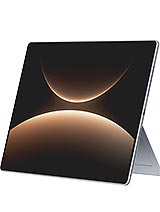
The Huawei MatePad Edge is a premium productivity tablet featuring a 14.2-inch OLED PaperMatte display for visual comfort and Kirin X90A chipset for demanding workflows, aimed squarely at professionals seeking a versatile mobile workstation or secondary display.
Released in November 2025, it enters a competitive landscape, challenging established players like the iPad Pro and [Samsung Galaxy Tab S9 Ultra](/scaling-up-your-mobile-workspace-why-the-samsung-galaxy-tab-s9-ultra-is-the-ultimate-secondary-monitor/) with its unique blend of display technology and HarmonyOS ecosystem advantages.
The Huawei MatePad Edge presents an expansive 14.2-inch OLED display, a true highlight for any productivity-focused user. Its 3120 x 2080 pixel resolution ensures exceptional clarity, making text crisp and detailed, while the 3:2 aspect ratio provides more vertical screen real estate than typical 16:10 tablets, which is invaluable for document editing, coding, or browsing complex webpages.
The inclusion of a 120Hz refresh rate means scrolling and animations are fluid, reducing eye strain during long work sessions. This is particularly noticeable when navigating large spreadsheets or intricate design software. The 1000 nits peak brightness and HDR Vivid support also ensure that media consumption is vibrant and immersive, providing excellent contrast and color accuracy for reviewing video projects or enjoying movies after work.
A standout feature is the PaperMatte display technology. This specialized screen uses nano-scale etching to significantly reduce glare and reflections, creating a more comfortable viewing experience, especially in brightly lit environments. For those who frequently use a stylus, the PaperMatte texture offers a tactile feedback that closely mimics writing on actual paper, enhancing precision and natural feel compared to slick glass surfaces found on many competing tablets like the iPad Pro's standard display or the glossy finish of the Galaxy Tab S9 Ultra.
Seamless Integration For professionals who rely on a multi-monitor setup, the Huawei MatePad Edge excels as a secondary display. Its robust Wi-Fi 7 connectivity provides exceptionally low latency and high bandwidth, making it an ideal candidate for wireless screen extension. This next-generation Wi-Fi standard ensures that even graphically intensive applications or video editing timelines can be mirrored or extended to the tablet with minimal perceptible delay, a crucial factor for a smooth workflow.
The tablet also supports Bluetooth 5.2 and features a USB Type-C 3.1 port with OTG capabilities. While wireless connectivity is strong, the USB-C 3.1 port offers a direct, high-speed wired connection option for critical tasks where absolute minimal latency is paramount, such as precise graphic design work or real-time code debugging. This versatility in connection methods gives users choices based on their specific needs, unlike some tablets that prioritize one over the other.
The Kirin X90A chipset plays a significant role in handling the processing demands of an external display. It efficiently manages video streams and touch inputs, ensuring that the tablet doesn't become a bottleneck in the workflow. Compared to older tablets attempting similar second-screen functionality, the MatePad Edge's dedicated hardware and optimized software stack likely deliver a far superior and more responsive experience, reducing the frustrations often associated with display lag or dropped connections.
Running on HarmonyOS 5.1, the Huawei MatePad Edge offers a deeply integrated ecosystem experience. This iteration of Huawei's operating system emphasizes seamless cross-device synchronization, allowing for effortless file transfers, shared clipboards, and multi-screen collaboration with other Huawei devices like laptops and smartphones. Imagine starting a document on your laptop and seamlessly continuing it on the MatePad Edge, with all changes instantly synchronized.
This level of ecosystem integration directly competes with Apple's Sidecar feature for iPads and Macs, or Samsung's Second Screen functionality for Galaxy Tabs and Windows PCs. HarmonyOS 5.1 takes this a step further by aiming for a more unified, distributed experience across a broader range of device types, not just limited to specific laptop brands. The ability to drag and drop files between a Huawei phone and the MatePad Edge, or answer calls from a connected phone directly on the tablet, streamlines daily tasks.
Audio quality within the ecosystem is also enhanced by L2HC support over Bluetooth. This proprietary high-definition wireless audio codec supports bitrates between 320-960 kbps, delivering near-lossless audio quality when paired with compatible Huawei headphones. For media professionals editing audio or simply enjoying high-fidelity music, this provides a significant advantage over standard Bluetooth codecs, ensuring a richer and more accurate sound reproduction.
Wi-Fi 7 and Beyond The Huawei MatePad Edge is explicitly a Wi-Fi-only device, lacking cellular connectivity. This design choice underscores its role as a productivity hub primarily used in environments with reliable Wi-Fi access, such as offices, homes, or coffee shops. While this means it cannot make traditional cellular calls or access mobile data on the go, its advanced Wi-Fi 7 capabilities compensate significantly.
Wi-Fi 7, also known as 802.11be or Extremely High Throughput (EHT), offers substantial improvements over previous generations like Wi-Fi 6E. It delivers higher theoretical speeds, lower latency, and greater capacity, which is critical for demanding tasks like streaming high-resolution video as a second display, large file transfers, or participating in video conferences. We expect it to maintain stable connections even in congested network environments, a common issue with older Wi-Fi standards.
For video conferencing, the tablet relies on its Wi-Fi connection. The specification notes
Released in November 2025, it enters a competitive landscape, challenging established players like the iPad Pro and [Samsung Galaxy Tab S9 Ultra](/scaling-up-your-mobile-workspace-why-the-samsung-galaxy-tab-s9-ultra-is-the-ultimate-secondary-monitor/) with its unique blend of display technology and HarmonyOS ecosystem advantages.
The Canvas for Productivity
The Huawei MatePad Edge presents an expansive 14.2-inch OLED display, a true highlight for any productivity-focused user. Its 3120 x 2080 pixel resolution ensures exceptional clarity, making text crisp and detailed, while the 3:2 aspect ratio provides more vertical screen real estate than typical 16:10 tablets, which is invaluable for document editing, coding, or browsing complex webpages.
The inclusion of a 120Hz refresh rate means scrolling and animations are fluid, reducing eye strain during long work sessions. This is particularly noticeable when navigating large spreadsheets or intricate design software. The 1000 nits peak brightness and HDR Vivid support also ensure that media consumption is vibrant and immersive, providing excellent contrast and color accuracy for reviewing video projects or enjoying movies after work.
A standout feature is the PaperMatte display technology. This specialized screen uses nano-scale etching to significantly reduce glare and reflections, creating a more comfortable viewing experience, especially in brightly lit environments. For those who frequently use a stylus, the PaperMatte texture offers a tactile feedback that closely mimics writing on actual paper, enhancing precision and natural feel compared to slick glass surfaces found on many competing tablets like the iPad Pro's standard display or the glossy finish of the Galaxy Tab S9 Ultra.
Bridging the Gap
The tablet also supports Bluetooth 5.2 and features a USB Type-C 3.1 port with OTG capabilities. While wireless connectivity is strong, the USB-C 3.1 port offers a direct, high-speed wired connection option for critical tasks where absolute minimal latency is paramount, such as precise graphic design work or real-time code debugging. This versatility in connection methods gives users choices based on their specific needs, unlike some tablets that prioritize one over the other.
The Kirin X90A chipset plays a significant role in handling the processing demands of an external display. It efficiently manages video streams and touch inputs, ensuring that the tablet doesn't become a bottleneck in the workflow. Compared to older tablets attempting similar second-screen functionality, the MatePad Edge's dedicated hardware and optimized software stack likely deliver a far superior and more responsive experience, reducing the frustrations often associated with display lag or dropped connections.
The Harmony Ecosystem Advantage
Running on HarmonyOS 5.1, the Huawei MatePad Edge offers a deeply integrated ecosystem experience. This iteration of Huawei's operating system emphasizes seamless cross-device synchronization, allowing for effortless file transfers, shared clipboards, and multi-screen collaboration with other Huawei devices like laptops and smartphones. Imagine starting a document on your laptop and seamlessly continuing it on the MatePad Edge, with all changes instantly synchronized.
This level of ecosystem integration directly competes with Apple's Sidecar feature for iPads and Macs, or Samsung's Second Screen functionality for Galaxy Tabs and Windows PCs. HarmonyOS 5.1 takes this a step further by aiming for a more unified, distributed experience across a broader range of device types, not just limited to specific laptop brands. The ability to drag and drop files between a Huawei phone and the MatePad Edge, or answer calls from a connected phone directly on the tablet, streamlines daily tasks.
Audio quality within the ecosystem is also enhanced by L2HC support over Bluetooth. This proprietary high-definition wireless audio codec supports bitrates between 320-960 kbps, delivering near-lossless audio quality when paired with compatible Huawei headphones. For media professionals editing audio or simply enjoying high-fidelity music, this provides a significant advantage over standard Bluetooth codecs, ensuring a richer and more accurate sound reproduction.
Wireless Lifelines
Wi-Fi 7, also known as 802.11be or Extremely High Throughput (EHT), offers substantial improvements over previous generations like Wi-Fi 6E. It delivers higher theoretical speeds, lower latency, and greater capacity, which is critical for demanding tasks like streaming high-resolution video as a second display, large file transfers, or participating in video conferences. We expect it to maintain stable connections even in congested network environments, a common issue with older Wi-Fi standards.
For video conferencing, the tablet relies on its Wi-Fi connection. The specification notes
Technical Specifications
| LAUNCH | |
|---|---|
| Announced | 2025, November 25 |
| Status | Available. Released 2025, November 25 |
| PLATFORM | |
| OS | HarmonyOS 5.1 |
| Chipset | Kirin X90A |
| CPU | Octa-core |
| BODY | |
| Dimensions | 312.1 x 212 x 6.9 mm (12.29 x 8.35 x 0.27 in) |
| Weight | 789 g (1.74 lb) |
| SIM | No |
| Info | Stylus support Built-in kickstand |
| DISPLAY | |
| Type | OLED, 1B colors, 120Hz, 1000 nits (peak), HDR Vivid |
| Size | 14.2 inches, 600.4 cm2 (~90.7% screen-to-body ratio) |
| Resolution | 3120 x 2080 pixels, 3:2 ratio (~264 ppi density) |
| Info | PaperMatte display |
| MEMORY | |
| Card slot | No |
| Internal | 256GB 16GB RAM, 512GB 16GB RAM, 1TB 24GB RAM, 1TB 24GB RAM SSD, 2TB 32GB RAM SSD |
| MAIN CAMERA | |
| Dual | 50 MP, f/1.8, (wide), PDAF 8 MP, f/2.2, (ultrawide) |
| Features | Color spectrum sensor, LED flash, HDR, panorama |
| Video | 4K@30fps, 1080p@30fps |
| SELFIE CAMERA | |
| Single | 32 MP, f/2.4 |
| Video | 1080p@30fps |
| SOUND | |
| Loudspeaker | Yes, with stereo speakers (6 speakers) |
| 3.5mm jack | No |
| Info | HDR Audio |
| COMMS | |
| WLAN | Wi-Fi 802.11 a/b/g/n/ac/6/7, dual-band |
| Bluetooth | 5.2, A2DP, LE, L2HC |
| Positioning | No |
| NFC | No |
| Radio | No |
| USB | USB Type-C 3.1, OTG |
| NETWORK | |
| Technology | No cellular connectivity |
| 2G bands | N/A |
| 3G bands | N/A |
| 4G bands | N/A |
| GPRS | No |
| EDGE | No |
| FEATURES | |
| Sensors | Fingerprint, accelerometer, gyro, proximity (accessories only) |
| BATTERY | |
| Type | 12900 mAh |
| Charging | 140W wired 40W reverse wired |
| MISC | |
| Display Type | OLED, 1B colors, 120Hz, 1000 nits (peak), HDR Vivid, PaperMatte display |
| Display Size | 14.2 inches, 3120 x 2080 pixels, 3:2 ratio (~264 ppi density) |
| Chipset | Kirin X90A |
| OS | HarmonyOS 5.1 |
| Internal Memory | Up to 2TB 32GB RAM SSD |
| Main Camera | 50 MP (wide), 8 MP (ultrawide), Color spectrum sensor |
| Battery | 12900 mAh |
| Charging | 140W wired, 40W reverse wired |
| WLAN | Wi-Fi 802.11 a/b/g/n/ac/6/7, dual-band |
| Weight | 789 g (1.74 lb) |
| Colors | Gray, Silver |
| Models | QXS-W00, QXS-W10, QXS-W20 |
| Price | About 730 EUR |