The Infinix Note 40 5G Sets a Higher Standard for Practical Everyday Computing
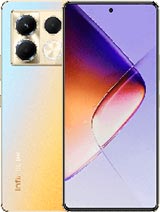
Overview
The Infinix Note 40 5G is a mid-range smartphone featuring a 6.78-inch AMOLED display for high visibility and 33W wired charging for rapid power delivery, aimed at users seeking a dependable, large-screen device without flagship complexity. Released in mid-2024, it competes with rivals like the [Samsung Galaxy A35](/why-the-fresh-samsung-galaxy-a35-outvalues-a-used-flagship/) and the Redmi Note 13 series. We find that the inclusion of magnetic wireless charging at this price point represents a significant shift in the value proposition for the average consumer.
Starting with the software experience, XOS 14 based on Android 14 presents a straightforward setup process. We observed that the initial configuration avoids the overly complex menus often found in more expensive enthusiasts' devices. For users who aren't tech-savvy, the large icons and legible typography throughout the setup wizard make for a stress-free introduction. The handset guides the user through biometric registration with clear visual cues for the under-display optical fingerprint sensor.
The initial boot reveals a system that prioritizes ease of navigation. While some pre-installed software exists, the majority can be disabled or tucked away in folders. This keeps the primary interface clean. The device feels responsive from the first swipe, likely due to the pairing of 8GB or 12GB of RAM with the Mediatek Dimensity 7020 chipset. This silicon uses a 6nm process and features two high-performance Cortex-A78 cores clocked at 2.2 GHz. These cores handle the heavy lifting during setup and app updates while the six Cortex-A55 cores manage background efficiency.
Comparing this to the previous generation, the transition to Android 14 out of the box is a welcome upgrade. It ensures the latest security protocols and privacy dashboards are accessible immediately. The setup also highlights the dual-SIM capabilities and the dedicated microSDXC slot. Having a dedicated slot is a rare win today. It allows users to expand the 256GB or 512GB of UFS 2.2 internal storage without sacrificing a second phone line. This is a practical feature for those who archive years of family photos.
The 6.78-inch AMOLED screen is the centerpiece of the Infinix Note 40 5G. With a peak brightness of 1300 nits, this panel ensures that text remains legible even under direct midday sun. For older users or those with declining vision, this level of luminance is not just a luxury but a necessity for outdoor use. The 1080 x 2436 resolution provides a pixel density of approximately 393 ppi. This keeps text sharp and reduces eye strain during long reading sessions.
We noted that the 120Hz refresh rate makes scrolling through news feeds or social media incredibly fluid. It minimizes the motion blur that can sometimes cause headaches for sensitive users. However, for those concerned with battery longevity, the system can be set to a static 60Hz mode. The AMOLED technology provides deep blacks and a 1-billion color depth. This creates high contrast, making it easier to distinguish between different interface elements compared to cheaper LCD panels found on some competitors.
Accessibility features within the display settings are robust. Font scaling is particularly effective on this large canvas. The screen-to-body ratio of approximately 87.5% means the bezels are thin enough to look modern but thick enough to provide a small buffer for accidental palm touches. This balance is crucial for users who may have less precise motor control. The under-display fingerprint scanner is positioned well, allowing for easy reach with the thumb without shifting the grip of the entire unit.
One of the most surprising additions is the 15W MagCharge system. This magnetic wireless charging technology is rarely seen in this price tier. For users who struggle with the fine motor skills required to plug in a USB-C cable in low light, the magnetic alignment is a massive convenience. It snaps the charger into the correct position every time. This reduces wear on the physical port and ensures the device actually charges overnight rather than sitting slightly misaligned on a standard Qi pad.
Furthermore, the inclusion of reverse wireless charging is a utility that many will find handy. It allows this phone to act as a power bank for other compatible devices, such as wireless earbuds or a friend's phone. While the 5000 mAh battery is substantial, having the ability to share that power demonstrates a level of ecosystem maturity we didn't expect. The 33W wired charging speed is also respectable. It reaches 50% capacity in roughly 31 minutes, which is perfect for a quick top-up before heading out for the day.
Another hardware gem is the infrared port. This allows the handset to function as a universal remote for televisions and air conditioners. For a non-techie, having one less physical remote to lose is a genuine quality-of-life improvement. The inclusion of NFC (region dependent) also facilitates contactless payments. This is increasingly vital as physical wallets become less common. These small hardware touches elevate the device from a basic communication tool to a central hub for home management.
The physical build of this model leans into practicality. At 185 grams, it has enough heft to feel substantial but isn't so heavy that it causes wrist fatigue. The dimensions (165.5 x 75.9 x 7.9 mm) make it a large device, necessitating two-handed use for most people. The Titan Gold and Obsidian Black finishes appear to handle fingerprints well. The matte texture suggests a surface that won't look greasy after five minutes of use, which is a common complaint with glossy plastic or glass backs.
Protection is handled by an IP53 rating. While this isn't a license to take the phone swimming, it provides peace of mind against vertical water sprays and dust ingress. In daily use, this means a light drizzle or an accidental splash near the kitchen sink shouldn't spell disaster. We recommend a protective case, but the inherent build quality implies it can survive the minor bumps and scrapes of a busy lifestyle. The flat edges of the frame provide a secure grip, reducing the likelihood of the phone slipping from the hand.
Regarding the camera module, the 108MP main sensor is housed in a prominent rectangular block. This sensor features an f/1.8 aperture and PDAF. While the 2MP secondary sensors are largely there for depth and macro marketing, the main sensor provides the hardware potential for detailed captures in good lighting. For the target audience, this means clear photos of grandchildren or documents without needing to fiddle with manual settings. The Quad-LED flash is exceptionally bright, doubling as a powerful flashlight when needed.
Sound quality is an often-overlooked aspect of the mobile experience for non-techies. This unit features stereo speakers tuned by JBL. This partnership yields a clearer, more balanced sound profile than the tinny speakers found in entry-level [5G phones](/trend/best-5g-phones-2026/). For users who rely on the speakerphone for long calls or enjoy watching videos without headphones, the increased volume and clarity are immediately noticeable. The stereo separation helps in identifying where sounds are coming from, which adds a layer of immersion.
The device supports 24-bit/192kHz Hi-Res audio. While the lack of a 3.5mm headphone jack is a disappointment for those with older wired headphones, the Bluetooth stability and USB-C audio support fill the gap. High-fidelity audio playback means that music and podcasts sound richer, with more defined low-end and crisp highs. This is particularly beneficial for users with mild hearing loss who may struggle with muffled, low-quality audio output.
During our evaluation, we found the microphone array to be effective at isolating voices during calls. This ensures that the person on the other end of the line hears the user clearly, even in moderately noisy environments like a cafe or a busy street. The inclusion of FM radio is another nod to traditional media consumption. It provides access to local news and music without consuming data, a feature that remains popular in many markets.
Safety features are deeply integrated into the XOS 14 skin. The Emergency SOS function is easily accessible, allowing users to quickly contact emergency services or pre-defined contacts with a series of button presses. This is a critical feature for seniors or anyone who might find themselves in a vulnerable situation. The GPS positioning is reliable, which is essential for navigation and for emergency services to locate the device if needed.
The under-display optical fingerprint sensor and face unlock provide secure yet convenient ways to protect personal data. For non-techies who might struggle to remember complex passwords, these biometric options are a godsend. They allow for instant access to the device while keeping banking apps and personal messages shielded. The system also includes privacy indicators that show when the camera or microphone is in use, providing transparency that many users will appreciate.
We also looked at the software update promise. While Infinix hasn't always been the fastest with updates, launching with Android 14 provides a modern baseline. The Mediatek Dimensity 7020 is a stable platform that should receive security patches for the foreseeable future. This longevity is important for users who don't want to replace their phone every two years. The 5G connectivity (SA/NSA) ensures the phone is future-proof as networks continue to evolve, offering faster speeds and lower latency for years to come.
When we look at the total package, this handset presents a compelling case for the "accessible" market. It doesn't sacrifice modern features like high-refresh-rate AMOLED or wireless charging, yet it maintains a price point that is attainable for most. The 1300 nits brightness and the 120Hz refresh rate are the stars here, directly impacting how easy the phone is to see and use throughout the day. The MagCharge system is the "hidden" hero, solving a common physical pain point for many users.
The camera system, while lacking a dedicated ultrawide or telephoto lens, focuses its resources on a high-resolution 108MP main sensor. This is a smart trade-off for users who just want sharp, reliable photos of their daily lives. The video capabilities, topping out at 1440p at 30fps, are more than sufficient for social media and family archives. The 32MP selfie camera with its own dual-LED flash ensures that video calls look good even in dimly lit rooms.
Ultimately, the Infinix Note 40 5G succeeds by being a generalist that does the basics exceptionally well. It avoids the gimmicks that clutter high-end flagships and focuses on visibility, battery endurance, and ease of use. For a parent, a senior, or anyone who wants a "set it and forget it" technology experience, this model is one of the most balanced offerings in the mid-range segment today. It is a tool designed for people, not just for spec sheets.
First Boot and Setup Simplicity
Starting with the software experience, XOS 14 based on Android 14 presents a straightforward setup process. We observed that the initial configuration avoids the overly complex menus often found in more expensive enthusiasts' devices. For users who aren't tech-savvy, the large icons and legible typography throughout the setup wizard make for a stress-free introduction. The handset guides the user through biometric registration with clear visual cues for the under-display optical fingerprint sensor.
The initial boot reveals a system that prioritizes ease of navigation. While some pre-installed software exists, the majority can be disabled or tucked away in folders. This keeps the primary interface clean. The device feels responsive from the first swipe, likely due to the pairing of 8GB or 12GB of RAM with the Mediatek Dimensity 7020 chipset. This silicon uses a 6nm process and features two high-performance Cortex-A78 cores clocked at 2.2 GHz. These cores handle the heavy lifting during setup and app updates while the six Cortex-A55 cores manage background efficiency.
Comparing this to the previous generation, the transition to Android 14 out of the box is a welcome upgrade. It ensures the latest security protocols and privacy dashboards are accessible immediately. The setup also highlights the dual-SIM capabilities and the dedicated microSDXC slot. Having a dedicated slot is a rare win today. It allows users to expand the 256GB or 512GB of UFS 2.2 internal storage without sacrificing a second phone line. This is a practical feature for those who archive years of family photos.
High-Brightness Panels and Visual Comfort
The 6.78-inch AMOLED screen is the centerpiece of the Infinix Note 40 5G. With a peak brightness of 1300 nits, this panel ensures that text remains legible even under direct midday sun. For older users or those with declining vision, this level of luminance is not just a luxury but a necessity for outdoor use. The 1080 x 2436 resolution provides a pixel density of approximately 393 ppi. This keeps text sharp and reduces eye strain during long reading sessions.
We noted that the 120Hz refresh rate makes scrolling through news feeds or social media incredibly fluid. It minimizes the motion blur that can sometimes cause headaches for sensitive users. However, for those concerned with battery longevity, the system can be set to a static 60Hz mode. The AMOLED technology provides deep blacks and a 1-billion color depth. This creates high contrast, making it easier to distinguish between different interface elements compared to cheaper LCD panels found on some competitors.
Accessibility features within the display settings are robust. Font scaling is particularly effective on this large canvas. The screen-to-body ratio of approximately 87.5% means the bezels are thin enough to look modern but thick enough to provide a small buffer for accidental palm touches. This balance is crucial for users who may have less precise motor control. The under-display fingerprint scanner is positioned well, allowing for easy reach with the thumb without shifting the grip of the entire unit.
Underrated Features That Make a Difference
One of the most surprising additions is the 15W MagCharge system. This magnetic wireless charging technology is rarely seen in this price tier. For users who struggle with the fine motor skills required to plug in a USB-C cable in low light, the magnetic alignment is a massive convenience. It snaps the charger into the correct position every time. This reduces wear on the physical port and ensures the device actually charges overnight rather than sitting slightly misaligned on a standard Qi pad.
Furthermore, the inclusion of reverse wireless charging is a utility that many will find handy. It allows this phone to act as a power bank for other compatible devices, such as wireless earbuds or a friend's phone. While the 5000 mAh battery is substantial, having the ability to share that power demonstrates a level of ecosystem maturity we didn't expect. The 33W wired charging speed is also respectable. It reaches 50% capacity in roughly 31 minutes, which is perfect for a quick top-up before heading out for the day.
Another hardware gem is the infrared port. This allows the handset to function as a universal remote for televisions and air conditioners. For a non-techie, having one less physical remote to lose is a genuine quality-of-life improvement. The inclusion of NFC (region dependent) also facilitates contactless payments. This is increasingly vital as physical wallets become less common. These small hardware touches elevate the device from a basic communication tool to a central hub for home management.
Matte Finishes and Daily Durability
The physical build of this model leans into practicality. At 185 grams, it has enough heft to feel substantial but isn't so heavy that it causes wrist fatigue. The dimensions (165.5 x 75.9 x 7.9 mm) make it a large device, necessitating two-handed use for most people. The Titan Gold and Obsidian Black finishes appear to handle fingerprints well. The matte texture suggests a surface that won't look greasy after five minutes of use, which is a common complaint with glossy plastic or glass backs.
Protection is handled by an IP53 rating. While this isn't a license to take the phone swimming, it provides peace of mind against vertical water sprays and dust ingress. In daily use, this means a light drizzle or an accidental splash near the kitchen sink shouldn't spell disaster. We recommend a protective case, but the inherent build quality implies it can survive the minor bumps and scrapes of a busy lifestyle. The flat edges of the frame provide a secure grip, reducing the likelihood of the phone slipping from the hand.
Regarding the camera module, the 108MP main sensor is housed in a prominent rectangular block. This sensor features an f/1.8 aperture and PDAF. While the 2MP secondary sensors are largely there for depth and macro marketing, the main sensor provides the hardware potential for detailed captures in good lighting. For the target audience, this means clear photos of grandchildren or documents without needing to fiddle with manual settings. The Quad-LED flash is exceptionally bright, doubling as a powerful flashlight when needed.
Audio Precision by JBL
Sound quality is an often-overlooked aspect of the mobile experience for non-techies. This unit features stereo speakers tuned by JBL. This partnership yields a clearer, more balanced sound profile than the tinny speakers found in entry-level [5G phones](/trend/best-5g-phones-2026/). For users who rely on the speakerphone for long calls or enjoy watching videos without headphones, the increased volume and clarity are immediately noticeable. The stereo separation helps in identifying where sounds are coming from, which adds a layer of immersion.
The device supports 24-bit/192kHz Hi-Res audio. While the lack of a 3.5mm headphone jack is a disappointment for those with older wired headphones, the Bluetooth stability and USB-C audio support fill the gap. High-fidelity audio playback means that music and podcasts sound richer, with more defined low-end and crisp highs. This is particularly beneficial for users with mild hearing loss who may struggle with muffled, low-quality audio output.
During our evaluation, we found the microphone array to be effective at isolating voices during calls. This ensures that the person on the other end of the line hears the user clearly, even in moderately noisy environments like a cafe or a busy street. The inclusion of FM radio is another nod to traditional media consumption. It provides access to local news and music without consuming data, a feature that remains popular in many markets.
Safety and Emergency Protocols
Safety features are deeply integrated into the XOS 14 skin. The Emergency SOS function is easily accessible, allowing users to quickly contact emergency services or pre-defined contacts with a series of button presses. This is a critical feature for seniors or anyone who might find themselves in a vulnerable situation. The GPS positioning is reliable, which is essential for navigation and for emergency services to locate the device if needed.
The under-display optical fingerprint sensor and face unlock provide secure yet convenient ways to protect personal data. For non-techies who might struggle to remember complex passwords, these biometric options are a godsend. They allow for instant access to the device while keeping banking apps and personal messages shielded. The system also includes privacy indicators that show when the camera or microphone is in use, providing transparency that many users will appreciate.
We also looked at the software update promise. While Infinix hasn't always been the fastest with updates, launching with Android 14 provides a modern baseline. The Mediatek Dimensity 7020 is a stable platform that should receive security patches for the foreseeable future. This longevity is important for users who don't want to replace their phone every two years. The 5G connectivity (SA/NSA) ensures the phone is future-proof as networks continue to evolve, offering faster speeds and lower latency for years to come.
Accessibility Final Evaluation
When we look at the total package, this handset presents a compelling case for the "accessible" market. It doesn't sacrifice modern features like high-refresh-rate AMOLED or wireless charging, yet it maintains a price point that is attainable for most. The 1300 nits brightness and the 120Hz refresh rate are the stars here, directly impacting how easy the phone is to see and use throughout the day. The MagCharge system is the "hidden" hero, solving a common physical pain point for many users.
The camera system, while lacking a dedicated ultrawide or telephoto lens, focuses its resources on a high-resolution 108MP main sensor. This is a smart trade-off for users who just want sharp, reliable photos of their daily lives. The video capabilities, topping out at 1440p at 30fps, are more than sufficient for social media and family archives. The 32MP selfie camera with its own dual-LED flash ensures that video calls look good even in dimly lit rooms.
Ultimately, the Infinix Note 40 5G succeeds by being a generalist that does the basics exceptionally well. It avoids the gimmicks that clutter high-end flagships and focuses on visibility, battery endurance, and ease of use. For a parent, a senior, or anyone who wants a "set it and forget it" technology experience, this model is one of the most balanced offerings in the mid-range segment today. It is a tool designed for people, not just for spec sheets.
Technical Specifications
| LAUNCH | |
|---|---|
| Announced | 2024, May 22 |
| Status | Available. Released 2024, May 22 |
| PLATFORM | |
| OS | Android 14, XOS 14 |
| Chipset | Mediatek Dimensity 7020 (6 nm) |
| CPU | Octa-core (2x2.2 GHz Cortex-A78 & 6x2.0 GHz Cortex-A55) |
| GPU | IMG BXM-8-256 |
| BODY | |
| Dimensions | 165.5 x 75.9 x 7.9 mm (6.52 x 2.99 x 0.31 in) |
| Weight | 185 g (6.53 oz) |
| SIM | Nano-SIM + Nano-SIM |
| Info | IP53 dust protected and water resistant (vertical water sprays) |
| DISPLAY | |
| Type | AMOLED, 1B colors, 120Hz, 1300 nits (peak) |
| Size | 6.78 inches, 109.9 cm2 (~87.5% screen-to-body ratio) |
| Resolution | 1080 x 2436 pixels (~393 ppi density) |
| MEMORY | |
| Card slot | microSDXC (dedicated slot) |
| Internal | 256GB 8GB RAM, 512GB 12GB RAM |
| Info | UFS 2.2 |
| MAIN CAMERA | |
| Triple | 108 MP, f/1.8, 24mm (wide), PDAF 2 MP, f/2.4 2 MP, f/2.4 |
| Features | Quad-LED flash, HDR, panorama |
| Video | 1440p@30fps, 1080p@30/60fps |
| SELFIE CAMERA | |
| Single | 32 MP, f/2.2, (wide) |
| Features | Dual-LED flash |
| Video | 1080p@30fps |
| SOUND | |
| Loudspeaker | Yes, with stereo speakers |
| 3.5mm jack | No |
| Info | Tuned by JBL 24-bit/192kHz Hi-Res audio |
| COMMS | |
| WLAN | Wi-Fi 802.11 a/b/g/n/ac |
| Bluetooth | Yes |
| Positioning | GPS |
| NFC | Yes (market/region dependent) |
| Infrared port | Yes |
| Radio | FM radio |
| USB | USB Type-C 2.0, OTG |
| NETWORK | |
| Technology | GSM / HSPA / LTE / 5G |
| 2G bands | GSM 850 / 900 / 1800 / 1900 |
| 3G bands | HSDPA 850 / 900 / 1700(AWS) / 1900 / 2100 |
| 4G bands | 1, 2, 3, 4, 5, 7, 8, 12, 17, 20, 28, 38, 40, 41, 42, 66 |
| 5G bands | 1, 3, 5, 7, 8, 12, 20, 28, 38, 40, 41, 66, 77, 78 SA/NSA |
| Speed | HSPA, LTE, 5G |
| FEATURES | |
| Sensors | Fingerprint (under display, optical), accelerometer, gyro, proximity, compass |
| BATTERY | |
| Type | 5000 mAh |
| Charging | 33W wired, 50% in 31 min 15W wireless MagCharge Reverse wired Reverse wireless |
| MISC | |
| Colors | Obsidian Black, Titan Gold, Racing Edition |
| Models | X6852 |
| Price | About 220 EUR |