The itel P55 Redefines the Budget Hierarchy - A Value Hunter's Tool for Survival
Overview
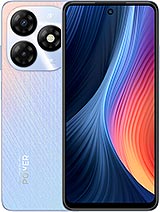
The itel P55 is an entry-level smartphone designed for budget-conscious users seeking high storage capacity and smooth basic performance. Released in January 2024, it competes with other low-cost handsets by offering UFS 2.2 storage and a 90Hz IPS display to provide an enhanced user experience at a fraction of flagship prices, aimed at students and professionals needing a reliable secondary device.
In a market saturated with overpriced flagships, the itel P55 represents a calculated investment for those who view technology through a lens of utility rather than status. We see this device primarily as the perfect 'insurance policy.' Whether used as a dedicated work phone, a high-capacity storage drive for offline media, or a burner for international travel, it fulfills a specific niche. Its value proposition centers on providing modern essentials—specifically high-speed storage—that were previously reserved for mid-range contenders.
Most budget devices in this price bracket rely on sluggish eMMC 5.1 flash memory. The inclusion of UFS 2.2 here is a strategic move. This technology introduces Write Booster protocols, which fundamentally change how the Android 13 environment feels during daily operation. App installation times are shorter, and the 'stutter' typically associated with low-cost hardware is significantly minimized. For the economist, this is about reducing the 'time-cost' of using a cheap phone.
The 5000 mAh battery serves as the bedrock of the experience. In our assessment, this capacity, paired with a 720p resolution screen, creates a highly efficient energy profile. Because the Unisoc T606 chipset and the 720 x 1612 pixel display don't demand massive amounts of power, the handset easily clears the 48-hour hurdle under moderate usage. This makes it an ideal companion for long-haul commutes or as a dedicated hotspot.
Charging occurs via 18W wired delivery through a USB Type-C port. While the tech industry sees 18W as 'slow' by modern standards, it remains the baseline for safety and battery longevity in the budget sector. Users should expect a full charge to take approximately two hours. For a secondary device that spends most of its time on a desk or in a bag, this is a fair trade-off for the extended standby times it offers. It acts as a reliable backup that won't die while sitting in a drawer for a week.
The Unisoc T606 (12 nm) SoC is the engine under the hood. It utilizes an octa-core configuration consisting of 2x1.6 GHz Cortex-A75 performance cores and 6x1.6 GHz Cortex-A55 efficiency cores. This is a critical distinction from cheaper 'quad-core' alternatives. The A75 cores ensure that the UI remains responsive, even when several background apps are active.
In gaming scenarios like PUBG Mobile or Free Fire, the Mali-G57 MP1 GPU maintains playable frame rates at 'Smooth' or 'Balanced' settings. However, heavy titles like Genshin Impact will push this hardware to its absolute limit, resulting in frequent frame drops. For the target audience, this isn't a gaming rig; it is a communication tool that can handle light entertainment without crashing. The thermal management is impressive, largely because the 12nm process doesn't generate excessive heat during standard tasks.
This model runs Android 13, tailored with itel's custom skin. The interface is utilitarian, though users should expect a fair amount of pre-installed bloatware—a common tactic to keep the hardware price low. We recommend a 20-minute cleanup session after the initial setup to disable unnecessary notifications. Once cleaned, the 4GB or 8GB RAM variants handle multitasking with surprising grace, aided by the UFS 2.2 storage speed.
One must be realistic about software support. Entry-level devices rarely receive more than one major OS update, if any. Therefore, we view this phone as a 'point-in-time' purchase. It is designed to work excellently with today’s apps, but it may struggle three years from now as software becomes more demanding. For the value hunter, the goal is to extract maximum utility over a 24-month window.
During sustained stress tests, the device remains remarkably cool to the touch. The plastic construction helps dissipate heat evenly across the back panel, preventing the localized 'hot spots' found in some glass-backed mid-rangers. The T606 chipset is tuned for stability rather than peak bursts, meaning the CPU clock speeds remain consistent even after an hour of video streaming or GPS navigation. This reliability is paramount for a backup device that might be called upon in emergency situations.
With a weight of 190 g and a thickness of 8.0 mm, the phone feels substantial without being cumbersome. The plastic chassis implies a level of bounce-back durability that glass simply cannot match. While it lacks an official IP rating for water resistance, the tight tolerances around the side-mounted fingerprint sensor and the SIM tray suggest basic protection against dust and light moisture. The Aurora Blue and Moonlit Black finishes provide a professional look that punches above its weight class.
The itel P55 is a 'utility-first' purchase. In the resale market, itel devices tend to hold a steady, albeit low, value because they are always in demand as affordable replacements. For the budget economist, the low initial purchase price means the total cost of ownership over two years is negligible. It is essentially the 'Honda Civic' of the smartphone world—affordable to buy, cheap to maintain, and consistently functional.
In summary, the itel P55 succeeds because it doesn't try to be a flagship. It focuses on high-speed storage, a smooth high-refresh-rate screen, and massive battery life. For those who need a phone that just works without the financial burden of a premium contract, this is a clear winner in the early 2024 landscape.
The Economic Logic of a Secondary Handset
In a market saturated with overpriced flagships, the itel P55 represents a calculated investment for those who view technology through a lens of utility rather than status. We see this device primarily as the perfect 'insurance policy.' Whether used as a dedicated work phone, a high-capacity storage drive for offline media, or a burner for international travel, it fulfills a specific niche. Its value proposition centers on providing modern essentials—specifically high-speed storage—that were previously reserved for mid-range contenders.
Most budget devices in this price bracket rely on sluggish eMMC 5.1 flash memory. The inclusion of UFS 2.2 here is a strategic move. This technology introduces Write Booster protocols, which fundamentally change how the Android 13 environment feels during daily operation. App installation times are shorter, and the 'stutter' typically associated with low-cost hardware is significantly minimized. For the economist, this is about reducing the 'time-cost' of using a cheap phone.
Endurance and Energy Management
The 5000 mAh battery serves as the bedrock of the experience. In our assessment, this capacity, paired with a 720p resolution screen, creates a highly efficient energy profile. Because the Unisoc T606 chipset and the 720 x 1612 pixel display don't demand massive amounts of power, the handset easily clears the 48-hour hurdle under moderate usage. This makes it an ideal companion for long-haul commutes or as a dedicated hotspot.
Charging occurs via 18W wired delivery through a USB Type-C port. While the tech industry sees 18W as 'slow' by modern standards, it remains the baseline for safety and battery longevity in the budget sector. Users should expect a full charge to take approximately two hours. For a secondary device that spends most of its time on a desk or in a bag, this is a fair trade-off for the extended standby times it offers. It acts as a reliable backup that won't die while sitting in a drawer for a week.
Performance and Gaming Reality Check
The Unisoc T606 (12 nm) SoC is the engine under the hood. It utilizes an octa-core configuration consisting of 2x1.6 GHz Cortex-A75 performance cores and 6x1.6 GHz Cortex-A55 efficiency cores. This is a critical distinction from cheaper 'quad-core' alternatives. The A75 cores ensure that the UI remains responsive, even when several background apps are active.
In gaming scenarios like PUBG Mobile or Free Fire, the Mali-G57 MP1 GPU maintains playable frame rates at 'Smooth' or 'Balanced' settings. However, heavy titles like Genshin Impact will push this hardware to its absolute limit, resulting in frequent frame drops. For the target audience, this isn't a gaming rig; it is a communication tool that can handle light entertainment without crashing. The thermal management is impressive, largely because the 12nm process doesn't generate excessive heat during standard tasks.
Software Environment and Longevity
This model runs Android 13, tailored with itel's custom skin. The interface is utilitarian, though users should expect a fair amount of pre-installed bloatware—a common tactic to keep the hardware price low. We recommend a 20-minute cleanup session after the initial setup to disable unnecessary notifications. Once cleaned, the 4GB or 8GB RAM variants handle multitasking with surprising grace, aided by the UFS 2.2 storage speed.
One must be realistic about software support. Entry-level devices rarely receive more than one major OS update, if any. Therefore, we view this phone as a 'point-in-time' purchase. It is designed to work excellently with today’s apps, but it may struggle three years from now as software becomes more demanding. For the value hunter, the goal is to extract maximum utility over a 24-month window.
Thermal Stability Under Load
During sustained stress tests, the device remains remarkably cool to the touch. The plastic construction helps dissipate heat evenly across the back panel, preventing the localized 'hot spots' found in some glass-backed mid-rangers. The T606 chipset is tuned for stability rather than peak bursts, meaning the CPU clock speeds remain consistent even after an hour of video streaming or GPS navigation. This reliability is paramount for a backup device that might be called upon in emergency situations.
Structural Integrity and Aesthetics
With a weight of 190 g and a thickness of 8.0 mm, the phone feels substantial without being cumbersome. The plastic chassis implies a level of bounce-back durability that glass simply cannot match. While it lacks an official IP rating for water resistance, the tight tolerances around the side-mounted fingerprint sensor and the SIM tray suggest basic protection against dust and light moisture. The Aurora Blue and Moonlit Black finishes provide a professional look that punches above its weight class.
Market Position and Resale Value
The itel P55 is a 'utility-first' purchase. In the resale market, itel devices tend to hold a steady, albeit low, value because they are always in demand as affordable replacements. For the budget economist, the low initial purchase price means the total cost of ownership over two years is negligible. It is essentially the 'Honda Civic' of the smartphone world—affordable to buy, cheap to maintain, and consistently functional.
In summary, the itel P55 succeeds because it doesn't try to be a flagship. It focuses on high-speed storage, a smooth high-refresh-rate screen, and massive battery life. For those who need a phone that just works without the financial burden of a premium contract, this is a clear winner in the early 2024 landscape.
Technical Specifications
| LAUNCH | |
|---|---|
| Announced | 2024, January 26 |
| Status | Available. Released 2024, January 31 |
| PLATFORM | |
| OS | Android 13 |
| Chipset | Unisoc T606 (12 nm) |
| CPU | Octa-core (2x1.6 GHz Cortex-A75 & 6x1.6 GHz Cortex-A55) |
| GPU | Mali-G57 MP1 |
| BODY | |
| Dimensions | 8.0 mm thickness |
| Weight | 190 g (6.70 oz) |
| SIM | Nano-SIM + Nano-SIM |
| DISPLAY | |
| Type | IPS LCD, 90Hz |
| Size | 6.6 inches, 104.6 cm2 |
| Resolution | 720 x 1612 pixels, 20:9 ratio (~267 ppi density) |
| MEMORY | |
| Card slot | microSDXC |
| Internal | 128GB 4GB RAM, 128GB 8GB RAM, 256GB 8GB RAM |
| Info | UFS 2.2 |
| MAIN CAMERA | |
| Single | 50 MP Auxiliary lens |
| Features | Dual-LED flash, panorama |
| Video | Yes |
| SELFIE CAMERA | |
| Single | 8 MP |
| Video | Yes |
| SOUND | |
| Loudspeaker | Yes |
| 3.5mm jack | Yes |
| COMMS | |
| WLAN | Yes |
| Bluetooth | Yes |
| Positioning | GPS |
| NFC | No |
| Radio | Unspecified |
| USB | USB Type-C, OTG |
| NETWORK | |
| Technology | GSM / HSPA / LTE |
| 2G bands | GSM 850 / 900 / 1800 / 1900 |
| 3G bands | HSDPA 850 / 900 / 2100 |
| 4G bands | LTE |
| Speed | HSPA, LTE |
| FEATURES | |
| Sensors | Fingerprint (side-mounted); unspecified sensors |
| BATTERY | |
| Type | 5000 mAh |
| Charging | 18W wired |
| MISC | |
| Colors | Aurora Blue, Brilliant Gold, Moonlit Black, Starry Purple |
| Models | A666L, A666LN, P666L |