The itel Power 70 Is the Low Cost Endurance Champion You Can Actually Trust
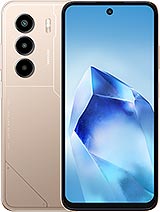
Overview
itel Power 70 is a budget-tier smartphone featuring a 6000 mAh battery for extreme longevity and a 120Hz IPS LCD for smooth navigation, aimed at essential users and delivery professionals. Released in March 2025, it competes with other sub-100 Euro entries like the Redmi A series and Infinix Smart lineup.
From a financial perspective, the itel Power 70 represents a specialized utility asset rather than a general-purpose investment. While the primary hardware targets the lowest price bracket, the inclusion of a high-capacity power cell and a high-refresh-rate screen shifts the value proposition toward users who prioritize runtime over processing power. We see this as a calculated move to capture the gig economy market and emerging markets where charging infrastructure might be inconsistent.
When analyzing the resale potential of the itel Power 70, buyers should expect a steep initial depreciation curve common to the sub-100 Euro segment. These devices are rarely purchased on the secondary market after twelve months because the cost of a new replacement is so low. However, the 256GB storage variants may hold an additional 10-15% of their value compared to the base 4GB RAM models, as local storage remains a premium commodity in budget tiers.
Predicting the hardware's viability in 2027 suggests that the 6000 mAh battery will be the primary factor in its longevity. Even with 20% degradation over two years, the remaining capacity will still outperform most new standard-sized flagships. The lack of 5G connectivity is the most significant threat to its long-term resale value, as network transitions accelerate throughout 2025 and 2026.
Compared to previous iterations in the Power series, this model maintains a stable price floor. We anticipate a price drop of no more than 15 EUR over the next six months, as the manufacturing margins for itel are already razor-thin. If you are looking for a device to trade in later, this is not it; this is a 'use-until-failure' hardware purchase.
itel operates under the Transsion Holdings umbrella, which has mastered the art of high-volume, low-margin hardware. The itel Power 70 benefits from this massive supply chain, offering a surprisingly robust build despite the plastic-heavy construction. The IP54 rating is a critical inclusion here, providing protection against dust and splashes that we rarely see at the 80 EUR price point.
In our assessment of the assembly, the 7.9 mm thickness is impressive given the massive battery housed within. Usually, 6000 mAh devices are bulky and cumbersome, but itel has managed to keep the weight at 192.4 g, making it manageable for all-day carry. The inclusion of a dedicated battery case in the retail package further emphasizes the brand's commitment to the 'power' branding, adding physical protection and utility straight out of the box.
Reliability for itel devices has historically been focused on the basics—call quality and battery life. While you won't get the premium glass finishes of a high-end Samsung, the textured plastic on the Black and Marine variants is resistant to the micro-scratches that plague glossy [budget phones](/trend/best-budget-phones-2026/). It is a tool, not a fashion statement, and the brand reliability reflects that utilitarian focus.
The heart of this device is the Mediatek Helio G50 Ultimate chipset. To be clear, this is an entry-level processor using Cortex-A53 cores clocked at 2.2 GHz. In 2025, these cores are designed for efficiency rather than speed. This means the itel Power 70 will handle WhatsApp, YouTube, and lightweight web browsing with ease, but it will struggle with intensive multitasking or modern 3D gaming.
The 120Hz IPS LCD is the most surprising feature on the spec sheet. While the 720 x 1600 resolution is low for a 6.67-inch screen, the high refresh rate masks some of the UI stutters that usually haunt budget phones. Because the PowerVR GE8320 GPU has fewer pixels to push at 720p, the 120Hz experience feels smoother than it would on a 1080p panel with the same chip. It is a smart engineering compromise to prioritize fluidity over sharpness.
However, the 18W wired charging speed is a notable bottleneck. Refilling a 6000 mAh tank at 18W is a slow process, likely taking over three hours for a full cycle. This is an overnight-charging device. The reverse wired charging feature adds significant value, essentially turning the phone into a power bank for your wireless earbuds or a secondary phone during emergencies.
At the 80 EUR mark, the itel Power 70 faces off against the Redmi A3 and the [Samsung Galaxy A05](/the-ultimate-hand-me-down-champion-why-the-samsung-galaxy-a05-wins-for-families/). The Redmi A3 offers a cleaner software experience but lacks the massive battery and the 120Hz refresh rate found here. For a user who spends 10 hours a day away from a wall outlet, the itel's 2000 mAh advantage over the Redmi is a decisive factor that outweighs the software polish.
Samsung's Galaxy A05 provides better brand recognition and slightly more consistent camera processing, but it lacks the IP54 rating and the high-refresh screen. When we look at the financial yield of these devices, the itel Power 70 offers more hardware per euro. The inclusion of the side-mounted fingerprint sensor and the 8MP selfie camera keeps it competitive with the A05's basic biometric and imaging options.
We also have to consider the [Infinix Smart 9](/the-infinix-smart-9-proves-that-reliable-basic-mobile-tech-costs-less-than-you-think/), which often shares components with itel. The Power 70 distinguishes itself through the specific 'Power' optimizations in itel OS 14. These software tweaks are designed to squeeze every possible minute out of the battery, including aggressive background app management that, while sometimes annoying for notifications, ensures the phone stays alive through a long work shift.
Software support is the primary area where budget devices lose their shine. The itel Power 70 runs Android 14 with the itel OS 14 skin. While the interface is functional and optimized for the 4GB to 8GB RAM configurations, buyers should not expect a long road of OS upgrades. Historically, itel provides security patches but rarely moves a device to the next major Android version.
This lack of a long-term software roadmap means the device's functional life is tied to the lifespan of its current apps. Since Android 14 is modern and widely supported, the itel Power 70 should remain compatible with most essential banking and social apps until at least 2028. For a device that costs less than a fancy dinner for two in many cities, a three-year functional life represents an excellent return on investment.
One advantage of itel OS 14 is its lightweight nature. It doesn't have the heavy graphical overhead of some more premium skins, which is vital when you are working with the PowerVR GE8320 GPU. The software includes basic utility features that make the 6.67-inch screen easier to use, such as specialized one-handed modes and energy-saving toggles that can extend the last 10% of battery for several hours.
The itel Power 70 is a specialized tool for the budget-conscious consumer. It doesn't try to be a flagship killer; it tries to be a charger-killer. With its 6000 mAh capacity and IP54 protection, it is perfectly suited for delivery drivers, outdoor workers, or as a reliable secondary device for travel. The 120Hz display is a luxury addition that makes the daily interaction feel much more modern than the price suggests.
From a value-hunter's perspective, the 128GB/4GB model is the sweet spot for pure economy, while the 256GB/8GB variant offers enough headroom to avoid the storage bottlenecks that usually kill budget phones within a year. You are paying for endurance and utility. If you accept the slow 18W charging and the modest camera performance, the fiscal math for this device is undeniably strong.
Ultimately, this is a purchase made with the head, not the heart. It is about maximizing uptime and minimizing cost. In the landscape of early 2025, few devices offer this specific combination of a high-refresh screen and a massive battery for under 100 EUR. It is a definitive 'buy' for those who value battery life above all else.
From a financial perspective, the itel Power 70 represents a specialized utility asset rather than a general-purpose investment. While the primary hardware targets the lowest price bracket, the inclusion of a high-capacity power cell and a high-refresh-rate screen shifts the value proposition toward users who prioritize runtime over processing power. We see this as a calculated move to capture the gig economy market and emerging markets where charging infrastructure might be inconsistent.
The Asset Depreciation Forecast
When analyzing the resale potential of the itel Power 70, buyers should expect a steep initial depreciation curve common to the sub-100 Euro segment. These devices are rarely purchased on the secondary market after twelve months because the cost of a new replacement is so low. However, the 256GB storage variants may hold an additional 10-15% of their value compared to the base 4GB RAM models, as local storage remains a premium commodity in budget tiers.
Predicting the hardware's viability in 2027 suggests that the 6000 mAh battery will be the primary factor in its longevity. Even with 20% degradation over two years, the remaining capacity will still outperform most new standard-sized flagships. The lack of 5G connectivity is the most significant threat to its long-term resale value, as network transitions accelerate throughout 2025 and 2026.
Compared to previous iterations in the Power series, this model maintains a stable price floor. We anticipate a price drop of no more than 15 EUR over the next six months, as the manufacturing margins for itel are already razor-thin. If you are looking for a device to trade in later, this is not it; this is a 'use-until-failure' hardware purchase.
Manufacturing Integrity and Brand Reliability
itel operates under the Transsion Holdings umbrella, which has mastered the art of high-volume, low-margin hardware. The itel Power 70 benefits from this massive supply chain, offering a surprisingly robust build despite the plastic-heavy construction. The IP54 rating is a critical inclusion here, providing protection against dust and splashes that we rarely see at the 80 EUR price point.
In our assessment of the assembly, the 7.9 mm thickness is impressive given the massive battery housed within. Usually, 6000 mAh devices are bulky and cumbersome, but itel has managed to keep the weight at 192.4 g, making it manageable for all-day carry. The inclusion of a dedicated battery case in the retail package further emphasizes the brand's commitment to the 'power' branding, adding physical protection and utility straight out of the box.
Reliability for itel devices has historically been focused on the basics—call quality and battery life. While you won't get the premium glass finishes of a high-end Samsung, the textured plastic on the Black and Marine variants is resistant to the micro-scratches that plague glossy [budget phones](/trend/best-budget-phones-2026/). It is a tool, not a fashion statement, and the brand reliability reflects that utilitarian focus.
Calculating Raw Utility per Dollar
The heart of this device is the Mediatek Helio G50 Ultimate chipset. To be clear, this is an entry-level processor using Cortex-A53 cores clocked at 2.2 GHz. In 2025, these cores are designed for efficiency rather than speed. This means the itel Power 70 will handle WhatsApp, YouTube, and lightweight web browsing with ease, but it will struggle with intensive multitasking or modern 3D gaming.
The 120Hz IPS LCD is the most surprising feature on the spec sheet. While the 720 x 1600 resolution is low for a 6.67-inch screen, the high refresh rate masks some of the UI stutters that usually haunt budget phones. Because the PowerVR GE8320 GPU has fewer pixels to push at 720p, the 120Hz experience feels smoother than it would on a 1080p panel with the same chip. It is a smart engineering compromise to prioritize fluidity over sharpness.
However, the 18W wired charging speed is a notable bottleneck. Refilling a 6000 mAh tank at 18W is a slow process, likely taking over three hours for a full cycle. This is an overnight-charging device. The reverse wired charging feature adds significant value, essentially turning the phone into a power bank for your wireless earbuds or a secondary phone during emergencies.
The Competitive Matrix
At the 80 EUR mark, the itel Power 70 faces off against the Redmi A3 and the [Samsung Galaxy A05](/the-ultimate-hand-me-down-champion-why-the-samsung-galaxy-a05-wins-for-families/). The Redmi A3 offers a cleaner software experience but lacks the massive battery and the 120Hz refresh rate found here. For a user who spends 10 hours a day away from a wall outlet, the itel's 2000 mAh advantage over the Redmi is a decisive factor that outweighs the software polish.
Samsung's Galaxy A05 provides better brand recognition and slightly more consistent camera processing, but it lacks the IP54 rating and the high-refresh screen. When we look at the financial yield of these devices, the itel Power 70 offers more hardware per euro. The inclusion of the side-mounted fingerprint sensor and the 8MP selfie camera keeps it competitive with the A05's basic biometric and imaging options.
We also have to consider the [Infinix Smart 9](/the-infinix-smart-9-proves-that-reliable-basic-mobile-tech-costs-less-than-you-think/), which often shares components with itel. The Power 70 distinguishes itself through the specific 'Power' optimizations in itel OS 14. These software tweaks are designed to squeeze every possible minute out of the battery, including aggressive background app management that, while sometimes annoying for notifications, ensures the phone stays alive through a long work shift.
The Software Lifecycle and Long Term Support
Software support is the primary area where budget devices lose their shine. The itel Power 70 runs Android 14 with the itel OS 14 skin. While the interface is functional and optimized for the 4GB to 8GB RAM configurations, buyers should not expect a long road of OS upgrades. Historically, itel provides security patches but rarely moves a device to the next major Android version.
This lack of a long-term software roadmap means the device's functional life is tied to the lifespan of its current apps. Since Android 14 is modern and widely supported, the itel Power 70 should remain compatible with most essential banking and social apps until at least 2028. For a device that costs less than a fancy dinner for two in many cities, a three-year functional life represents an excellent return on investment.
One advantage of itel OS 14 is its lightweight nature. It doesn't have the heavy graphical overhead of some more premium skins, which is vital when you are working with the PowerVR GE8320 GPU. The software includes basic utility features that make the 6.67-inch screen easier to use, such as specialized one-handed modes and energy-saving toggles that can extend the last 10% of battery for several hours.
Investment Summary
The itel Power 70 is a specialized tool for the budget-conscious consumer. It doesn't try to be a flagship killer; it tries to be a charger-killer. With its 6000 mAh capacity and IP54 protection, it is perfectly suited for delivery drivers, outdoor workers, or as a reliable secondary device for travel. The 120Hz display is a luxury addition that makes the daily interaction feel much more modern than the price suggests.
From a value-hunter's perspective, the 128GB/4GB model is the sweet spot for pure economy, while the 256GB/8GB variant offers enough headroom to avoid the storage bottlenecks that usually kill budget phones within a year. You are paying for endurance and utility. If you accept the slow 18W charging and the modest camera performance, the fiscal math for this device is undeniably strong.
Ultimately, this is a purchase made with the head, not the heart. It is about maximizing uptime and minimizing cost. In the landscape of early 2025, few devices offer this specific combination of a high-refresh screen and a massive battery for under 100 EUR. It is a definitive 'buy' for those who value battery life above all else.
Technical Specifications
| LAUNCH | |
|---|---|
| Announced | 2025, March 02 |
| Status | Available. Released 2025, March |
| PLATFORM | |
| OS | Android 14, itel OS 14 |
| Chipset | Mediatek Helio G50 Ultimate |
| CPU | Octa-core 2.2 GHz Cortex-A53 |
| GPU | PowerVR GE8320 |
| BODY | |
| Dimensions | 7.9 mm thickness |
| Weight | 192.4 g (6.81 oz) |
| SIM | Nano-SIM + Nano-SIM |
| Info | IP54 dust protected and water resistant (water splashes) |
| DISPLAY | |
| Type | IPS LCD, 120Hz, 700 nits |
| Size | 6.67 inches, 107.4 cm2 (~83.8% screen-to-body ratio) |
| Resolution | 720 x 1600 pixels, 20:9 ratio (~263 ppi density) |
| MEMORY | |
| Card slot | microSDXC |
| Internal | 128GB 4GB RAM, 128GB 8GB RAM, 256GB 6GB RAM, 256GB 8GB RAM |
| MAIN CAMERA | |
| Single | 13 MP |
| Features | LED flash, HDR, panorama |
| Video | Yes |
| SELFIE CAMERA | |
| Single | 8 MP |
| Video | Yes |
| SOUND | |
| Loudspeaker | Yes |
| 3.5mm jack | Yes |
| COMMS | |
| WLAN | Yes |
| Bluetooth | Yes |
| Positioning | GPS |
| NFC | No |
| Radio | Unspecified |
| USB | USB Type-C, OTG |
| NETWORK | |
| Technology | GSM / HSPA / LTE |
| 2G bands | GSM 850 / 900 / 1800 / 1900 |
| 3G bands | HSDPA 850 / 900 / 2100 |
| 4G bands | LTE |
| Speed | HSPA, LTE |
| FEATURES | |
| Sensors | Fingerprint (side-mounted), accelerometer, proximity |
| Info | The battery case is included in the retail package |
| BATTERY | |
| Type | 6000 mAh |
| Charging | 18W wired Reverse wired |
| MISC | |
| Colors | Black, Marine, Bronze, Silver |
| Models | P673L |
| Price | About 80 EUR |