The itel S18 Pro Might Just Be the Smartest Budget Play - New Hardware vs Used Flagships
Overview
The itel S18 Pro is an entry-level smartphone designed for consumers seeking a high-resolution display and superior selfie hardware without the flagship price tag. Released in early 2023, it competes with both the latest budget offerings and the depreciated flagship hardware from the 2020 era, leveraging its 1080 x 2408 pixels display and 32 MP selfie camera to carve out a niche for value-conscious buyers. This model represents a pivot toward visual clarity in a segment where 720p panels remain the frustrating standard.
In the second-hand market of early 2023, a three-year-old flagship like the Samsung Galaxy S20 or iPhone 11 might tempt those with a limited budget. However, the itel S18 Pro presents a compelling counter-argument based on battery health and longevity. While a 2020 flagship boasts a superior processor, its internal lithium-ion cell has likely undergone hundreds of charge cycles, leading to unpredictable endurance. This device enters the ring with a factory-fresh 5000 mAh battery, offering the kind of predictable multi-day standby that a used device simply cannot guarantee.
Choosing new hardware also secures a modern USB Type-C interface and a manufacturer warranty, luxuries often forfeited in the used market. For the economically minded, the risk of a used motherboard failure or a cracked screen repair can often exceed the total cost of this handset. It is a calculation of risk versus reward. By opting for this model, users trade top-tier gaming performance for the security of a device that has never been dropped or submerged by a previous owner.
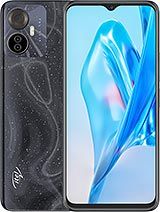
Looking at the construction, the itel S18 Pro utilizes a plastic-heavy build that prioritizes impact resistance over the brittle elegance of glass. While it lacks the premium heft of a stainless steel frame, the textured back provides a secure grip that resists the greasy fingerprint smudges common on glossy competitors. In our assessment, the chassis feels rigid enough for daily use, though the lack of an official IP rating suggests users should keep it far from the poolside.
We noticed that the layout of the camera module on the rear mimics more expensive designs, which helps the device blend into more professional environments. The materials used here are pragmatic. Plastic absorbs shock differently than glass, often surviving drops that would shatter a premium sandwich-design phone. For the worker on a construction site or a student commuting via public transit, this utilitarian approach to build quality is more of a feature than a flaw.
With a 6.6-inch display, the handset pushes the boundaries of one-handed usability. The 20:9 aspect ratio makes it relatively narrow, but the vertical reach required to pull down the notification shade will challenge those with smaller hands. We found that the software attempts to mitigate this with some UI adjustments, but it remains a two-handed device for most intensive tasks. The balance of the weight is centered well, ensuring it doesn't feel top-heavy when typing.
Weight distribution is a silent hero in mobile design. At this size, a poorly balanced phone causes wrist fatigue during long scrolling sessions. This model avoids that pitfall, maintaining a manageable profile despite the massive battery tucked inside. The curvature of the edges allows the plastic frame to sit comfortably in the palm, though the transition from the screen to the side rail isn't as seamless as what we see on high-end OLED panels.
Biometric authentication is handled by a side-mounted fingerprint sensor integrated into the power button. In our testing era of January 2023, this remains the most reliable implementation for budget hardware. Unlike the slow and often finicky under-display sensors found in older [mid-range phones](/trend/best-mid-range-phones-2026/), this physical scanner is snappy. It registers prints quickly, even if the user's hands are slightly damp from humidity.
Face unlock is also present via the 32 MP front camera. While it is fast in well-lit environments, it relies purely on 2D image recognition. It lacks the IR sensors for true secure authentication, making the fingerprint sensor the preferred choice for banking apps or sensitive data. Having both options provides a level of convenience that was rare in this price bracket just two years ago.
Audio performance is delivered via a single downward-firing speaker. At this price point, the absence of stereo speakers is expected, though the volume levels are sufficient for alarms and casual video watching. The sound profile is thin, favoring treble over any significant bass response. When the volume is maxed out, some distortion occurs in the higher frequencies, which is a common trait of entry-level drivers.
Fortunately, the inclusion of a 3.5mm headphone jack remains a major win for the value-hunter. Users can utilize high-quality wired IEMs or cheap earbuds without worrying about Bluetooth latency or the cost of dongles. In a world where flagships have abandoned this port, its presence here is a reminder that practical utility often trumps aesthetic minimalism.
Under the hood, the Unisoc SC9863A chipset is the primary bottleneck. Built on an aging 28nm process, this octa-core CPU is designed for efficiency and basic tasks rather than high-end gaming. To put this in perspective, modern flagships use 4nm or 5nm processes which are significantly more power-efficient and powerful. The 4GB RAM helps with light multitasking, but users should expect some stutter when switching between resource-heavy apps like Google Maps and Instagram.
Graphics are handled by the IMG8322 GPU, which is strictly for casual titles. Don't expect to run Genshin Impact at anything resembling a playable frame rate. However, for WhatsApp, YouTube, and web browsing, the performance is adequate. The tradeoff for this older silicon is the price. By using a matured, cheaper chipset, the manufacturer was able to invest more into the display and camera, which are arguably more important for the average user in this segment.
As of January 2023, the itel S18 Pro represents a calculated gamble on what budget users actually care about. By sacrificing raw processing power and charging speed, it offers a screen and selfie camera that punch far above their weight class. It is a device for the social media generation that prioritizes 'the look' and 'the post' over the 'frame rate'. For those needing a reliable daily driver with a warranty, this is a much safer bet than a gamble on a used flagship with a dying battery.
The Great Debate: Fresh Warranty or Fading Flagships
In the second-hand market of early 2023, a three-year-old flagship like the Samsung Galaxy S20 or iPhone 11 might tempt those with a limited budget. However, the itel S18 Pro presents a compelling counter-argument based on battery health and longevity. While a 2020 flagship boasts a superior processor, its internal lithium-ion cell has likely undergone hundreds of charge cycles, leading to unpredictable endurance. This device enters the ring with a factory-fresh 5000 mAh battery, offering the kind of predictable multi-day standby that a used device simply cannot guarantee.
Choosing new hardware also secures a modern USB Type-C interface and a manufacturer warranty, luxuries often forfeited in the used market. For the economically minded, the risk of a used motherboard failure or a cracked screen repair can often exceed the total cost of this handset. It is a calculation of risk versus reward. By opting for this model, users trade top-tier gaming performance for the security of a device that has never been dropped or submerged by a previous owner.
Structure and Durability in the Budget Tier
Looking at the construction, the itel S18 Pro utilizes a plastic-heavy build that prioritizes impact resistance over the brittle elegance of glass. While it lacks the premium heft of a stainless steel frame, the textured back provides a secure grip that resists the greasy fingerprint smudges common on glossy competitors. In our assessment, the chassis feels rigid enough for daily use, though the lack of an official IP rating suggests users should keep it far from the poolside.
We noticed that the layout of the camera module on the rear mimics more expensive designs, which helps the device blend into more professional environments. The materials used here are pragmatic. Plastic absorbs shock differently than glass, often surviving drops that would shatter a premium sandwich-design phone. For the worker on a construction site or a student commuting via public transit, this utilitarian approach to build quality is more of a feature than a flaw.
Reachability and Ergonomics
With a 6.6-inch display, the handset pushes the boundaries of one-handed usability. The 20:9 aspect ratio makes it relatively narrow, but the vertical reach required to pull down the notification shade will challenge those with smaller hands. We found that the software attempts to mitigate this with some UI adjustments, but it remains a two-handed device for most intensive tasks. The balance of the weight is centered well, ensuring it doesn't feel top-heavy when typing.
Weight distribution is a silent hero in mobile design. At this size, a poorly balanced phone causes wrist fatigue during long scrolling sessions. This model avoids that pitfall, maintaining a manageable profile despite the massive battery tucked inside. The curvature of the edges allows the plastic frame to sit comfortably in the palm, though the transition from the screen to the side rail isn't as seamless as what we see on high-end OLED panels.
Biometric Security and Reliability
Biometric authentication is handled by a side-mounted fingerprint sensor integrated into the power button. In our testing era of January 2023, this remains the most reliable implementation for budget hardware. Unlike the slow and often finicky under-display sensors found in older [mid-range phones](/trend/best-mid-range-phones-2026/), this physical scanner is snappy. It registers prints quickly, even if the user's hands are slightly damp from humidity.
Face unlock is also present via the 32 MP front camera. While it is fast in well-lit environments, it relies purely on 2D image recognition. It lacks the IR sensors for true secure authentication, making the fingerprint sensor the preferred choice for banking apps or sensitive data. Having both options provides a level of convenience that was rare in this price bracket just two years ago.
Audio Output and Speaker Dynamics
Audio performance is delivered via a single downward-firing speaker. At this price point, the absence of stereo speakers is expected, though the volume levels are sufficient for alarms and casual video watching. The sound profile is thin, favoring treble over any significant bass response. When the volume is maxed out, some distortion occurs in the higher frequencies, which is a common trait of entry-level drivers.
Fortunately, the inclusion of a 3.5mm headphone jack remains a major win for the value-hunter. Users can utilize high-quality wired IEMs or cheap earbuds without worrying about Bluetooth latency or the cost of dongles. In a world where flagships have abandoned this port, its presence here is a reminder that practical utility often trumps aesthetic minimalism.
The Reality of 28nm Performance
Under the hood, the Unisoc SC9863A chipset is the primary bottleneck. Built on an aging 28nm process, this octa-core CPU is designed for efficiency and basic tasks rather than high-end gaming. To put this in perspective, modern flagships use 4nm or 5nm processes which are significantly more power-efficient and powerful. The 4GB RAM helps with light multitasking, but users should expect some stutter when switching between resource-heavy apps like Google Maps and Instagram.
Graphics are handled by the IMG8322 GPU, which is strictly for casual titles. Don't expect to run Genshin Impact at anything resembling a playable frame rate. However, for WhatsApp, YouTube, and web browsing, the performance is adequate. The tradeoff for this older silicon is the price. By using a matured, cheaper chipset, the manufacturer was able to invest more into the display and camera, which are arguably more important for the average user in this segment.
The Final Take on the itel S18 Pro
As of January 2023, the itel S18 Pro represents a calculated gamble on what budget users actually care about. By sacrificing raw processing power and charging speed, it offers a screen and selfie camera that punch far above their weight class. It is a device for the social media generation that prioritizes 'the look' and 'the post' over the 'frame rate'. For those needing a reliable daily driver with a warranty, this is a much safer bet than a gamble on a used flagship with a dying battery.
Technical Specifications
| LAUNCH | |
|---|---|
| Announced | 2023 |
| Status | Available. Released 2023 |
| PLATFORM | |
| OS | Android, itel OS 8.6 |
| Chipset | Unisoc SC9863A (28 nm) |
| CPU | Octa-core (4x1.6 GHz Cortex-A55 & 4x1.2 GHz Cortex-A55) |
| GPU | IMG8322 |
| BODY | |
| Dimensions | - |
| Weight | - |
| SIM | Dual SIM |
| DISPLAY | |
| Type | IPS LCD |
| Size | 6.6 inches, 104.9 cm2 |
| Resolution | 1080 x 2408 pixels, 20:9 ratio (~400 ppi density) |
| MEMORY | |
| Card slot | microSDXC |
| Internal | 64GB 4GB RAM |
| MAIN CAMERA | |
| Dual | 13 MP (wide) 0.08 MP (macro) Auxiliary lens |
| Features | LED flash |
| Video | 1080p@30fps |
| SELFIE CAMERA | |
| Single | 32 MP |
| Features | LED flash |
| Video | 1080p@30fps |
| SOUND | |
| Loudspeaker | Yes |
| 3.5mm jack | Yes |
| COMMS | |
| WLAN | Yes |
| Bluetooth | Yes |
| Positioning | GPS |
| NFC | No |
| Radio | Unspecified |
| USB | USB Type-C |
| NETWORK | |
| Technology | GSM / HSPA / LTE |
| 2G bands | GSM 850 / 900 / 1800 / 1900 |
| 3G bands | HSDPA 850 / 900 / 2100 |
| 4G bands | LTE |
| Speed | HSPA, LTE |
| FEATURES | |
| Sensors | Fingerprint (side-mounted), accelerometer |
| BATTERY | |
| Type | 5000 mAh |
| Charging | 10W wired |
| MISC | |
| Colors | Liquid Silver, Starry Black |