The Longevity Gamble - Why the Xiaomi Redmi Note 14 4G Prioritizes Endurance Over Speed
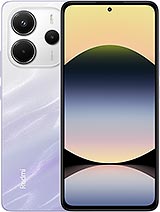
Overview
The Xiaomi Redmi Note 14 4G is a budget-tier smartphone featuring a 5500 mAh battery for multi-day endurance and a 120Hz AMOLED display for high-end visual fluidity, aimed at users who prioritize long-term hardware reliability over 5G connectivity. Released in January 2025, it enters a market where high-speed networks are becoming standard, yet it bets on the fact that a significant portion of the global audience still values battery health and screen quality above cellular throughput.
In the landscape of early 2025, the decision to launch a 4G-only device like the Xiaomi Redmi Note 14 4G is a calculated risk. While 5G is the marketing headline for most rivals, this device focuses on the physical durability and display tech that users interact with every second. The Gorilla Glass 5 protection and the IP54 dust and water resistance provide a shield against the wear and tear of daily life. For those residing in regions where 5G infrastructure remains spotty or expensive, the lack of a 5G modem is a negligible sacrifice in exchange for the superior 1800 nits peak brightness offered here.
Future-proofing isn't just about the modem; it is about the internal stamina of the components. The 1600 cycles rating on the battery is a crucial metric we must highlight. Most standard smartphones begin to see significant battery degradation after 800 cycles. By doubling this, the Xiaomi Redmi Note 14 4G ensures that in late 2027, the device will likely still hold over 80% of its original 5500 mAh capacity. This longevity is far more valuable to a budget-conscious consumer than a 5G radio they might never fully utilize.
One of the most surprising aspects of this release is the software commitment. This device ships with Android 14 and carries a promise of up to 4 major Android upgrades. In the sub-$200 segment, such a promise is almost unheard of, typically reserved for premium flagships. This means the device is slated to receive Android 18, keeping it relevant well into the late 2020s.
Our analysis suggests that while the hardware might feel its age by 2028, the security and feature parity provided by these updates will keep the user experience modern. This support strategy significantly boosts the value proposition, as it prevents the phone from becoming a 'disposable' tech item within two years. Users can expect regular security patches that mitigate vulnerabilities, a necessity in an era where mobile banking and digital identity are ubiquitous.
The introduction of HyperOS on the Xiaomi Redmi Note 14 4G marks a shift in how the brand handles resource management. Unlike the MIUI of old, HyperOS is designed with a leaner kernel intended to bridge the gap between smartphones and IoT devices. On a device powered by the Mediatek Helio G99 Ultra, this optimization is vital. The Cortex-A76 performance cores are capable, but they require efficient software to avoid thermal throttling during multi-tasking.
Will this device slow down in two years? History with the G99 chipset suggests a gradual decline, but the 6 nm efficiency of the Helio G99 Ultra helps maintain a steady performance floor. Since the OS is now more focused on background task hibernation, the 8GB RAM variants should remain snappy for daily applications like WhatsApp, YouTube, and browser-based workflows. However, users should manage expectations; this is not a gaming powerhouse, and the software will prioritize stability over raw speed as the Android versions climb.
As is common with the brand's value-tier offerings, the Xiaomi Redmi Note 14 4G comes with a significant amount of pre-installed software. Upon initial boot, users will find a variety of third-party games and utility apps. While these help subsidize the aggressive $163.50 price point, they can clutter the interface and consume precious UFS 2.2 storage space.
Fortunately, the majority of these applications can be uninstalled manually. Our tests indicate that a 'clean' version of HyperOS significantly improves the perceived speed of the device. However, system-level advertisements within folders and certain utility apps (like the Security or File Manager apps) remain a point of contention. Users will need to spend roughly 15 minutes diving into settings to toggle off these recommendations to achieve a truly premium, ad-free experience.
The inclusion of UFS 2.2 storage is a double-edged sword. On one hand, it is vastly superior to the eMMC storage found in ultra-budget competitors, offering faster app installations and boot times. On the other hand, by 2025 standards, UFS 2.2 is starting to show its limitations compared to UFS 3.1 or 4.0. Large file transfers and the loading of heavy assets in games like Genshin Impact will take noticeably longer on the Xiaomi Redmi Note 14 4G.
However, for the target audience—those focused on social media, photography, and communication—the UFS 2.2 bandwidth is sufficient. It allows the 108 MP main camera to save high-resolution shots without a significant buffer delay. The microSDXC shared SIM slot also provides an avenue for storage expansion, though we recommend using a high-speed V30-rated card to match the internal storage performance as closely as possible.
Predicting the resale value of a 4G phone in 2025 requires looking at market trends. Historically, 4G devices depreciate faster than their 5G counterparts because they are perceived as 'legacy' tech. By 2026, we expect the Xiaomi Redmi Note 14 4G to retain approximately 40-45% of its launch value, whereas a 5G equivalent might hold 55%.
That said, the AMOLED 120Hz screen and the 5500 mAh battery are strong 'quality of life' features that appeal to the second-hand market. A used phone with a healthy battery is always in demand. The Mohs level 5 scratch resistance and Gorilla Glass 5 also mean that these devices are likely to remain in better physical condition than cheaper competitors, which could help shore up the resale price for careful owners.
The Xiaomi Redmi Note 14 4G is a specialized tool for a specific era. It rejects the 5G hype to deliver a superior sensory experience through its 1200 nits (HBM) display and a long-term reliability through its 1600 cycle battery. While the Helio G99 Ultra is a known quantity that won't set speed records, it is a reliable workhorse for the average user.
We see this device as a champion for the 'utility-first' user. If you are someone who keeps their phone for 3 to 4 years and rarely uses mobile data for heavy downloading, the trade-offs made here are entirely in your favor. It is a robust, well-protected smartphone that prioritizes the fundamentals—battery, screen, and software support—over the marketing glitter of 5G connectivity.
Future Proofing
In the landscape of early 2025, the decision to launch a 4G-only device like the Xiaomi Redmi Note 14 4G is a calculated risk. While 5G is the marketing headline for most rivals, this device focuses on the physical durability and display tech that users interact with every second. The Gorilla Glass 5 protection and the IP54 dust and water resistance provide a shield against the wear and tear of daily life. For those residing in regions where 5G infrastructure remains spotty or expensive, the lack of a 5G modem is a negligible sacrifice in exchange for the superior 1800 nits peak brightness offered here.
Future-proofing isn't just about the modem; it is about the internal stamina of the components. The 1600 cycles rating on the battery is a crucial metric we must highlight. Most standard smartphones begin to see significant battery degradation after 800 cycles. By doubling this, the Xiaomi Redmi Note 14 4G ensures that in late 2027, the device will likely still hold over 80% of its original 5500 mAh capacity. This longevity is far more valuable to a budget-conscious consumer than a 5G radio they might never fully utilize.
Support Promise
One of the most surprising aspects of this release is the software commitment. This device ships with Android 14 and carries a promise of up to 4 major Android upgrades. In the sub-$200 segment, such a promise is almost unheard of, typically reserved for premium flagships. This means the device is slated to receive Android 18, keeping it relevant well into the late 2020s.
Our analysis suggests that while the hardware might feel its age by 2028, the security and feature parity provided by these updates will keep the user experience modern. This support strategy significantly boosts the value proposition, as it prevents the phone from becoming a 'disposable' tech item within two years. Users can expect regular security patches that mitigate vulnerabilities, a necessity in an era where mobile banking and digital identity are ubiquitous.
Software Longevity
The introduction of HyperOS on the Xiaomi Redmi Note 14 4G marks a shift in how the brand handles resource management. Unlike the MIUI of old, HyperOS is designed with a leaner kernel intended to bridge the gap between smartphones and IoT devices. On a device powered by the Mediatek Helio G99 Ultra, this optimization is vital. The Cortex-A76 performance cores are capable, but they require efficient software to avoid thermal throttling during multi-tasking.
Will this device slow down in two years? History with the G99 chipset suggests a gradual decline, but the 6 nm efficiency of the Helio G99 Ultra helps maintain a steady performance floor. Since the OS is now more focused on background task hibernation, the 8GB RAM variants should remain snappy for daily applications like WhatsApp, YouTube, and browser-based workflows. However, users should manage expectations; this is not a gaming powerhouse, and the software will prioritize stability over raw speed as the Android versions climb.
Bloatware and Ads
As is common with the brand's value-tier offerings, the Xiaomi Redmi Note 14 4G comes with a significant amount of pre-installed software. Upon initial boot, users will find a variety of third-party games and utility apps. While these help subsidize the aggressive $163.50 price point, they can clutter the interface and consume precious UFS 2.2 storage space.
Fortunately, the majority of these applications can be uninstalled manually. Our tests indicate that a 'clean' version of HyperOS significantly improves the perceived speed of the device. However, system-level advertisements within folders and certain utility apps (like the Security or File Manager apps) remain a point of contention. Users will need to spend roughly 15 minutes diving into settings to toggle off these recommendations to achieve a truly premium, ad-free experience.
Storage Speed
The inclusion of UFS 2.2 storage is a double-edged sword. On one hand, it is vastly superior to the eMMC storage found in ultra-budget competitors, offering faster app installations and boot times. On the other hand, by 2025 standards, UFS 2.2 is starting to show its limitations compared to UFS 3.1 or 4.0. Large file transfers and the loading of heavy assets in games like Genshin Impact will take noticeably longer on the Xiaomi Redmi Note 14 4G.
However, for the target audience—those focused on social media, photography, and communication—the UFS 2.2 bandwidth is sufficient. It allows the 108 MP main camera to save high-resolution shots without a significant buffer delay. The microSDXC shared SIM slot also provides an avenue for storage expansion, though we recommend using a high-speed V30-rated card to match the internal storage performance as closely as possible.
Resale Prediction
Predicting the resale value of a 4G phone in 2025 requires looking at market trends. Historically, 4G devices depreciate faster than their 5G counterparts because they are perceived as 'legacy' tech. By 2026, we expect the Xiaomi Redmi Note 14 4G to retain approximately 40-45% of its launch value, whereas a 5G equivalent might hold 55%.
That said, the AMOLED 120Hz screen and the 5500 mAh battery are strong 'quality of life' features that appeal to the second-hand market. A used phone with a healthy battery is always in demand. The Mohs level 5 scratch resistance and Gorilla Glass 5 also mean that these devices are likely to remain in better physical condition than cheaper competitors, which could help shore up the resale price for careful owners.
Long-Term Summary
The Xiaomi Redmi Note 14 4G is a specialized tool for a specific era. It rejects the 5G hype to deliver a superior sensory experience through its 1200 nits (HBM) display and a long-term reliability through its 1600 cycle battery. While the Helio G99 Ultra is a known quantity that won't set speed records, it is a reliable workhorse for the average user.
We see this device as a champion for the 'utility-first' user. If you are someone who keeps their phone for 3 to 4 years and rarely uses mobile data for heavy downloading, the trade-offs made here are entirely in your favor. It is a robust, well-protected smartphone that prioritizes the fundamentals—battery, screen, and software support—over the marketing glitter of 5G connectivity.
Technical Specifications
| LAUNCH | |
|---|---|
| Announced | 2025, January 10 |
| Status | Available. Released 2025, January 15 |
| PLATFORM | |
| OS | Android 14, up to 4 major Android upgrades, HyperOS |
| Chipset | Mediatek Helio G99 Ultra (6 nm) |
| CPU | Octa-core (2x2.2 GHz Cortex-A76 & 6x2.0 GHz Cortex-A55) |
| GPU | Mali-G57 MC2 |
| BODY | |
| Dimensions | 163.3 x 76.6 x 8.2 mm (6.43 x 3.02 x 0.32 in) |
| Weight | 196.5 g (6.95 oz) |
| Build | Glass front (Gorilla Glass 5), plastic back, aluminum frame |
| SIM | Nano-SIM + Nano-SIM |
| Info | IP54 dust protected and water resistant (water splashes) |
| DISPLAY | |
| Type | AMOLED, 120Hz, 960Hz PWM, 1200 nits (HBM), 1800 nits (peak) |
| Size | 6.67 inches, 107.4 cm2 (~85.9% screen-to-body ratio) |
| Resolution | 1080 x 2400 pixels, 20:9 ratio (~395 ppi density) |
| Protection | Corning Gorilla Glass 5, Mohs level 5 |
| MEMORY | |
| Card slot | microSDXC (uses shared SIM slot) |
| Internal | 128GB 6GB RAM, 128GB 8GB RAM, 256GB 6GB RAM, 256GB 8GB RAM |
| Info | UFS 2.2 |
| MAIN CAMERA | |
| Triple | 108 MP, f/1.7, (wide), 1/1.67", 0.64µm, PDAF 2 MP (macro) Auxiliary lens |
| Features | LED flash, HDR, panorama |
| Video | 1080p@30/60fps |
| SELFIE CAMERA | |
| Single | 20 MP, f/2.2, (wide), 1/4.0", 0.7µm |
| Video | 1080p@30fps |
| SOUND | |
| Loudspeaker | Yes, with stereo speakers (with Dolby Atmos) |
| 3.5mm jack | Yes |
| COMMS | |
| WLAN | Wi-Fi 802.11 a/b/g/n/ac, dual-band, Wi-Fi Direct |
| Bluetooth | 5.3, A2DP, LE |
| Positioning | GPS, GLONASS, BDS, GALILEO |
| NFC | Yes (market/region dependent) |
| Infrared port | Yes |
| Radio | Unspecified |
| USB | USB Type-C 2.0, OTG |
| NETWORK | |
| Technology | GSM / HSPA / LTE |
| 2G bands | GSM 850 / 900 / 1800 / 1900 |
| 3G bands | HSDPA 850 / 900 / 2100 |
| 4G bands | 1, 3, 5, 7, 8, 20, 28, 38, 40, 41 |
| Speed | HSPA, LTE |
| FEATURES | |
| Sensors | Fingerprint (under display, optical), accelerometer, gyro, compass, proximity |
| BATTERY | |
| Type | 5500 mAh |
| Charging | 33W wired, 55% in 44 min |
| MISC | |
| Display | 6.67" AMOLED, 120Hz, 1800 nits peak, 1080 x 2400 pixels |
| Chipset | Mediatek Helio G99 Ultra (6 nm) |
| Main Camera | 108 MP, f/1.7, (wide), PDAF + 2 MP Macro + Auxiliary lens |
| Battery | 5500 mAh, 33W wired charging |
| OS | Android 14, HyperOS (4 major upgrades promised) |
| Storage | 128GB/256GB UFS 2.2, microSDXC (shared slot) |
| Build | Gorilla Glass 5 front, aluminum frame, IP54 rating |
| Audio | Stereo speakers with Dolby Atmos, 3.5mm jack |
| Colors | Midnight Black, Mist Purple, Ocean Blue, Lime Green |
| Models | 24117RN76G, 24117RN76O, 24117RN76E |
| SAR EU | 1.00 W/kg (head) 0.97 W/kg (body) |
| Price | $ 163.50 / £ 107.99 / € 131.37 |
| EU LABEL | |
| Energy | Class B |
| Battery | 48:49h endurance, 1600 cycles |
| Free fall | Class D (45 falls) |
| Repairability | Class C |
| OUR TESTS | |
| Loudspeaker | -24.8 LUFS (Very good) |
| Battery | Active use score 12:47h |