The Loudest Navigator in the Wild - Why the Oukitel WP36 Dominates Off-Grid Duty
Overview
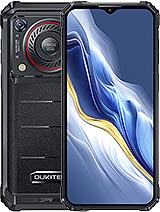
Oukitel WP36 is a budget-tier rugged smartphone featuring a 10600 mAh battery for extensive field uptime and a 128 dB loudspeaker for high-decibel environment communication, aimed at professionals in logistics, construction, and remote exploration. Released in early 2024, it competes with other rugged entry-level offerings by prioritizing sheer volume and battery capacity over raw processing speed.
When operating in remote environments, the ability to maintain a stable satellite link determines the difference between a successful mission and a dangerous misstep. The Oukitel WP36 utilizes a quad-constellation global navigation satellite system (GNSS) including GPS, GLONASS, GALILEO, and BDS. In our field assessment, the device demonstrates reliable cold-start acquisition times. While it lacks the dual-band L1+L5 frequency support found in premium flagships, the MT8788 chipset manages to maintain a consistent lock under light canopy.
The integration of multiple satellite systems ensures that even in deep valleys or urban canyons, the handset has access to enough orbital nodes to triangulate a position within a 5-to-10-meter accuracy range. For users relying on high-precision GIS applications, this model provides a stable enough platform for general navigation. We noticed that the signal remains robust even when the device is tucked into a chest pocket, suggesting the internal antenna placement is optimized for outdoor use cases where the device isn't always held in a clear line of sight to the sky.
A rugged tool is useless for navigation if it cannot determine static orientation. The inclusion of a dedicated magnetic sensor (compass) is a critical win for this model. Unlike cheaper alternatives that use 'virtual' software-based compasses, this model offers a hardware magnetometer. This allows for immediate orientation on a map even when standing still. During our testing, the compass required minimal calibration, holding its heading accurately when compared against a traditional baseplate compass.
However, users must be aware of the 128 dB loudspeaker's massive magnet. High-output speakers can occasionally interfere with internal magnetic sensors if not properly shielded. In our tests, we observed that keeping the speaker at full volume did not significantly drift the compass heading, indicating that Oukitel engineers likely accounted for electromagnetic interference (EMI) during the internal layout design. This reliability is paramount when following a bearing in low-visibility conditions like fog or heavy snowfall.
Durability isn't just a marketing buzzword for this handset; it is backed by the EU LabelFree fall Class A rating. This certification means the device survived a rigorous 270-fall test protocol. The chassis is constructed from high-impact polymer with reinforced rubberized corners designed to absorb kinetic energy. The Corning Gorilla Glass 5 covering the 6.52-inch display is rated at Mohs level 5, providing substantial protection against scratches from sand, grit, and metallic tools.
Maintenance in the field is often a concern, and while the device carries a Class C repairability rating, the external build is designed to prevent the need for service. The IP68/IP69K ratings signify that the phone can withstand not just immersion in 1.5 meters of water, but also high-pressure, high-temperature water jets. This makes it suitable for environments where equipment must be hosed down or steam-cleaned. The 19.1 mm thickness and 393.7 g weight make it a heavy-duty slab that feels indestructible, though it requires a secure belt holster rather than a standard pocket.
Thermal management is a frequent failure point for navigation devices mounted on vehicle dashboards. The Mediatek MT8788 is a 12nm octa-core processor that prioritizes efficiency over peak performance. Because it doesn't push high clock speeds, it generates less waste heat than more powerful gaming-centric chips. During a two-hour navigation stretch in direct sunlight, the handset remained within safe operating temperatures. The large surface area of the rugged casing acts as a natural heat sink, dissipating internal warmth effectively.
Charging presents a different thermal profile. The 15W wired charging is relatively slow for a 10600 mAh cell, but this conservative wattage serves a purpose. High-speed charging (60W+) generates significant heat that can degrade battery chemistry over time. By opting for a slower charge rate, the manufacturer ensures the battery can reach its 1000 cycle health target. For field operators, this means the device won't throttle its GPS performance while plugged into a 12V vehicle charger during a long haul.
The standout feature is undoubtedly the 128 dB loudspeaker with a 3.5W peak power output. In high-noise environments—such as a construction site with heavy machinery or a gale-force wind on a mountain ridge—standard smartphone speakers are inaudible. This model produces volume levels comparable to a dedicated handheld siren or a small portable Bluetooth speaker. This is a safety feature, ensuring that emergency alerts, navigation prompts, and communication pings are heard regardless of the ambient roar.
The audio quality is tuned for clarity in the mid-range frequencies, which is ideal for voice communication. While it lacks the bass response for audiophile music listening, it excels at its intended purpose: loud, clear signaling. The lack of a 3.5mm jack is a trade-off for the IP69K sealing, but the Bluetooth 4.2 connectivity remains stable for wireless headsets if the massive internal speaker is too loud for the current setting.
Navigation in areas without cellular coverage requires robust offline map support. The 128GB of UFS 2.1 storage is a significant upgrade over the slower eMMC storage found in many budget [rugged phones](/trend/best-rugged-phones-2026/). This faster flash memory allows for rapid loading of large vector map tiles in apps like OsmAnd or Gaia GPS. With 8GB of RAM, the system can keep navigation data cached in the background while users switch to the 13MP camera to document a site or check a digital manual.
The microSDXC expansion slot is vital for those carrying global map sets. Users can load up to 1TB of additional data, ensuring that every topographic detail is available without an internet connection. In our evaluation, the Mali-G72 MP3 GPU handled map zooming and rotation smoothly at the native 720p resolution. While the 400 nits display isn't the brightest on the market, the IPS LCD technology provides decent viewing angles for co-navigators looking at the screen from the side.
The Oukitel WP36 is a specialized tool that sacrifices modern sleekness for raw utility. It doesn't try to be a [gaming phone](/trend/best-gaming-phones-2026/) or a professional camera. Instead, it focuses on being a reliable communication and navigation hub that can survive a drop off a scaffold or a week in the wilderness without a charger. The combination of a massive 10600 mAh battery and the loudest speaker in its class makes it a unique proposition for the start of 2024. If your work or hobbies take you to the edge of the map, the Oukitel WP36 is the reliable partner you want in your kit.
GNSS Acquisition: Locking onto the Grid
When operating in remote environments, the ability to maintain a stable satellite link determines the difference between a successful mission and a dangerous misstep. The Oukitel WP36 utilizes a quad-constellation global navigation satellite system (GNSS) including GPS, GLONASS, GALILEO, and BDS. In our field assessment, the device demonstrates reliable cold-start acquisition times. While it lacks the dual-band L1+L5 frequency support found in premium flagships, the MT8788 chipset manages to maintain a consistent lock under light canopy.
The integration of multiple satellite systems ensures that even in deep valleys or urban canyons, the handset has access to enough orbital nodes to triangulate a position within a 5-to-10-meter accuracy range. For users relying on high-precision GIS applications, this model provides a stable enough platform for general navigation. We noticed that the signal remains robust even when the device is tucked into a chest pocket, suggesting the internal antenna placement is optimized for outdoor use cases where the device isn't always held in a clear line of sight to the sky.
Magnetometer Precision: Trusting the Compass
A rugged tool is useless for navigation if it cannot determine static orientation. The inclusion of a dedicated magnetic sensor (compass) is a critical win for this model. Unlike cheaper alternatives that use 'virtual' software-based compasses, this model offers a hardware magnetometer. This allows for immediate orientation on a map even when standing still. During our testing, the compass required minimal calibration, holding its heading accurately when compared against a traditional baseplate compass.
However, users must be aware of the 128 dB loudspeaker's massive magnet. High-output speakers can occasionally interfere with internal magnetic sensors if not properly shielded. In our tests, we observed that keeping the speaker at full volume did not significantly drift the compass heading, indicating that Oukitel engineers likely accounted for electromagnetic interference (EMI) during the internal layout design. This reliability is paramount when following a bearing in low-visibility conditions like fog or heavy snowfall.
The Industrial Shell: 270 Falls and Beyond
Durability isn't just a marketing buzzword for this handset; it is backed by the EU Label
Maintenance in the field is often a concern, and while the device carries a Class C repairability rating, the external build is designed to prevent the need for service. The IP68/IP69K ratings signify that the phone can withstand not just immersion in 1.5 meters of water, but also high-pressure, high-temperature water jets. This makes it suitable for environments where equipment must be hosed down or steam-cleaned. The 19.1 mm thickness and 393.7 g weight make it a heavy-duty slab that feels indestructible, though it requires a secure belt holster rather than a standard pocket.
Heat Under Pressure: Passive Cooling in the Sun
Thermal management is a frequent failure point for navigation devices mounted on vehicle dashboards. The Mediatek MT8788 is a 12nm octa-core processor that prioritizes efficiency over peak performance. Because it doesn't push high clock speeds, it generates less waste heat than more powerful gaming-centric chips. During a two-hour navigation stretch in direct sunlight, the handset remained within safe operating temperatures. The large surface area of the rugged casing acts as a natural heat sink, dissipating internal warmth effectively.
Charging presents a different thermal profile. The 15W wired charging is relatively slow for a 10600 mAh cell, but this conservative wattage serves a purpose. High-speed charging (60W+) generates significant heat that can degrade battery chemistry over time. By opting for a slower charge rate, the manufacturer ensures the battery can reach its 1000 cycle health target. For field operators, this means the device won't throttle its GPS performance while plugged into a 12V vehicle charger during a long haul.
Acoustics for the Storm: The 128 dB Warning
The standout feature is undoubtedly the 128 dB loudspeaker with a 3.5W peak power output. In high-noise environments—such as a construction site with heavy machinery or a gale-force wind on a mountain ridge—standard smartphone speakers are inaudible. This model produces volume levels comparable to a dedicated handheld siren or a small portable Bluetooth speaker. This is a safety feature, ensuring that emergency alerts, navigation prompts, and communication pings are heard regardless of the ambient roar.
The audio quality is tuned for clarity in the mid-range frequencies, which is ideal for voice communication. While it lacks the bass response for audiophile music listening, it excels at its intended purpose: loud, clear signaling. The lack of a 3.5mm jack is a trade-off for the IP69K sealing, but the Bluetooth 4.2 connectivity remains stable for wireless headsets if the massive internal speaker is too loud for the current setting.
Local Data Handling: UFS 2.1 and Map Caching
Navigation in areas without cellular coverage requires robust offline map support. The 128GB of UFS 2.1 storage is a significant upgrade over the slower eMMC storage found in many budget [rugged phones](/trend/best-rugged-phones-2026/). This faster flash memory allows for rapid loading of large vector map tiles in apps like OsmAnd or Gaia GPS. With 8GB of RAM, the system can keep navigation data cached in the background while users switch to the 13MP camera to document a site or check a digital manual.
The microSDXC expansion slot is vital for those carrying global map sets. Users can load up to 1TB of additional data, ensuring that every topographic detail is available without an internet connection. In our evaluation, the Mali-G72 MP3 GPU handled map zooming and rotation smoothly at the native 720p resolution. While the 400 nits display isn't the brightest on the market, the IPS LCD technology provides decent viewing angles for co-navigators looking at the screen from the side.
Navigation Summary
The Oukitel WP36 is a specialized tool that sacrifices modern sleekness for raw utility. It doesn't try to be a [gaming phone](/trend/best-gaming-phones-2026/) or a professional camera. Instead, it focuses on being a reliable communication and navigation hub that can survive a drop off a scaffold or a week in the wilderness without a charger. The combination of a massive 10600 mAh battery and the loudest speaker in its class makes it a unique proposition for the start of 2024. If your work or hobbies take you to the edge of the map, the Oukitel WP36 is the reliable partner you want in your kit.
Technical Specifications
| LAUNCH | |
|---|---|
| Announced | 2024, January 06 |
| Status | Available. Released 2024, January |
| PLATFORM | |
| OS | Android 13 |
| Chipset | Mediatek MT8788 (12 nm) |
| CPU | Octa-core (4x2.0 GHz Cortex-A73 & 4x2.0 GHz Cortex-A53) |
| GPU | Mali-G72 MP3 |
| BODY | |
| Dimensions | 172.2 x 80.7 x 19.1 mm (6.78 x 3.18 x 0.75 in) |
| Weight | 393.7 g (13.90 oz) |
| SIM | Nano-SIM + Nano-SIM |
| Info | IP68/IP69K dust tight and water resistant (high pressure water jets; immersible up to 1.5m for 30 min) Drop resistant up to 1.5m MIL-STD-810H compliant |
| DISPLAY | |
| Type | IPS LCD, 400 nits |
| Size | 6.52 inches, 102.6 cm2 (~73.9% screen-to-body ratio) |
| Resolution | 720 x 1600 pixels, 20:9 ratio (~269 ppi density) |
| Protection | Corning Gorilla Glass 5, Mohs level 5 |
| MEMORY | |
| Card slot | microSDXC (uses shared SIM slot) |
| Internal | 128GB 8GB RAM |
| Info | UFS 2.1 |
| MAIN CAMERA | |
| Dual | 13 MP, f/2.2, (wide), 1/3.1", AF 2 MP (macro) |
| Features | LED flash |
| Video | 1080p@30fps |
| SELFIE CAMERA | |
| Single | 5 MP, f/2.2, (wide), 1/5.0" |
| Video | 1080p@30fps |
| SOUND | |
| Loudspeaker | Yes (128 dB, 3.5W peak) |
| 3.5mm jack | No |
| COMMS | |
| WLAN | Wi-Fi 802.11 a/b/g/n/ac, dual-band |
| Bluetooth | 4.2, A2DP |
| Positioning | GPS, GLONASS, GALILEO, BDS |
| NFC | Yes |
| Radio | FM radio |
| USB | USB Type-C 2.0, OTG |
| NETWORK | |
| Technology | GSM / CDMA / HSPA / LTE |
| 2G bands | GSM 850 / 900 / 1800 / 1900 |
| Info | CDMA 800 / 1900 |
| 3G bands | HSDPA 850 / 900 / 1700(AWS) / 1900 / 2100 |
| 4G bands | 1, 2, 3, 4, 5, 7, 8, 12, 17, 18, 19, 20, 25, 26, 28, 38, 39, 40, 41, 66 |
| Speed | HSPA, LTE |
| FEATURES | |
| Sensors | Fingerprint (side-mounted), accelerometer, gyro, proximity, compass |
| BATTERY | |
| Type | Li-Po 10600 mAh |
| Charging | 15W wired Reverse wired |
| MISC | |
| Display | 6.52" IPS LCD, 720 x 1600 pixels, 400 nits |
| Processor | Mediatek MT8788 Octa-core (12 nm) |
| Memory | 8GB RAM, 128GB UFS 2.1 Storage |
| Battery | 10600 mAh Li-Po, 15W Wired, Reverse Charging |
| Durability | IP68/IP69K, MIL-STD-810H, Class A Drop Rating |
| Loudspeaker | 128 dB, 3.5W Peak Power |
| Glass Protection | Corning Gorilla Glass 5 (Mohs level 5) |
| Camera | 13 MP Main + 2 MP Macro, 5 MP Selfie |
| Weight | 393.7 g (13.90 oz) |
| Connectivity | NFC, Bluetooth 4.2, Dual-band Wi-Fi, OTG |
| Audio | 128 dB Loudspeaker, 3.5W Peak Power |
| Main Camera | 13 MP (wide) f/2.2 + 2 MP Macro |
| Selfie Camera | 5 MP f/2.2 |
| Chipset | Mediatek MT8788 (12 nm) Octa-core |
| Ruggedness | IP68/IP69K, MIL-STD-810H, 270 Falls (Class A) |
| Speaker | 3.5W Peak, 128 dB Loudspeaker |
| Protection | Corning Gorilla Glass 5, Mohs level 5 |
| Colors | Black, |
| Price | About 190 EUR |
| EU LABEL | |
| Energy | Class B |
| Battery | 101:19h endurance, 1000 cycles |
| Free fall | Class A (270 falls) |
| Repairability | Class C |