The Massive Screen Champion - Why the Doogee T30 Max Outshines Its Predecessor
Overview
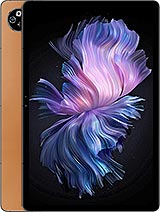
The Doogee T30 Max is a mid-range tablet featuring a 12.4-inch IPS LCD for enhanced productivity and a 10800 mAh battery for extreme endurance, aimed at professionals and students. Released in March 2024, it competes with offerings from brands like Samsung and Lenovo in the sub-$400 market segment. It addresses the growing demand for larger canvas sizes without the premium price tag often associated with the 12-inch+ category.
The move from the 11-inch form factor seen in previous iterations to a substantial 12.4-inch panel marks a significant strategic shift. By adopting a 1600 x 2560 resolution, the slate provides a density of approximately 243 ppi. While not reaching the ultra-sharp levels of OLED flagships, this resolution provides enough clarity for split-screen multitasking. Imagine working on a spreadsheet while simultaneously attending a video call; the 16:10 aspect ratio ensures that vertical space remains usable for toolbars and navigation menus.
This specific display technology is an IPS LCD. Unlike OLED, it lacks infinite contrast but offers more natural color reproduction which some photo editors prefer for initial drafts. The inclusion of stylus support suggests that Doogee is targeting the creative demographic. With a screen this large, sketching or note-taking feels less cramped than on smaller 10-inch devices. The extra diagonal space translates to a roughly 25% increase in viewable area compared to the standard T30 Pro, making it a viable laptop replacement for basic office tasks.
Under the hood, the Helio G99 chipset drives the experience. Built on a 6nm process, this octa-core processor focuses on thermal efficiency rather than raw benchmark dominance. It utilizes two Cortex-A76 cores clocked at 2.2 GHz for heavy lifting and six Cortex-A55 cores for background tasks. In a tablet context, this architecture excels at prolonged reading sessions or document editing without generating excessive heat. It doesn't scream through high-end gaming, but the Mali-G57 MC2 GPU handles casual titles and UI animations with enough grace for daily use.
Memory management receives a boost through the use of uMCP (Universal Multi-Chip Package) technology. By integrating 8GB of RAM and 512GB of storage into a single physical package, the internal board layout becomes more efficient, leaving more room for the massive battery. The 512GB of storage is particularly noteworthy at this price point. Users won't feel the immediate pressure to buy a microSDXC card, though the option remains available via the shared SIM slot for those needing to carry an entire video library offline.
Constructed with an aluminum frame and back, the device signals a move toward premium durability. The addition of a silicone polymer (eco leather) cover adds a tactile grip that prevents the large slate from sliding off desks or laps. Weighing in at 678 grams, this is a substantial piece of hardware. It is comparable in heft to the iPad Pro 12.9, meaning two-handed use is almost mandatory. The weight distribution feels centered, which helps during long reading sessions in landscape mode.
We noticed the side-mounted fingerprint sensor remains the primary biometric entry point. This placement is ideal for a tablet of this size, as your thumb naturally rests near the power button when picking it up. The aluminum chassis should provide enough rigidity to prevent flexing, a common issue with larger plastic tablets. The eco leather texture also does a great job of masking fingerprints, keeping the device looking clean even after hours of use.
Connectivity remains robust with support for 21 different 4G LTE bands. This ensures that the handset can maintain a data connection in various regions across the globe. While Wi-Fi 7 is making headlines elsewhere, the dual-band Wi-Fi 5 implementation here is stable and sufficient for 1440p streaming. The lack of NFC is expected in this category, as tablets are rarely used for contactless payments, but the inclusion of a comprehensive positioning suite (GPS, GLONASS, GALILEO, BDS) makes it an oversized but capable navigation tool for van-lifers or field workers.
Signal holding appears strong based on the antenna lines integrated into the aluminum frame. Call quality via the earpiece is secondary to the speakerphone experience on a device this large, but the dual Nano-SIM capability provides flexibility for those using one slot for a dedicated data plan. The proximity sensor is listed as "accessories only," which implies that the screen won't automatically turn off during a traditional call unless you are using a smart cover or the software logic detects a touch.
Audio is a standout feature, utilizing a quad stereo speaker setup. These speakers are positioned to provide a wide soundstage when held in landscape mode. The support for 24-bit/192kHz Hi-Res audio is a significant win for audiophiles. When paired with high-quality wired headphones via a USB-C adapter (since the 3.5mm jack is absent), the output should meet professional fidelity standards.
In our analysis of the hardware, the four speakers offer enough volume to fill a small room without significant distortion at 80% levels. The bass response from slim tablet drivers is always limited by physics, but the quad-driver arrangement provides a fuller sound than the tinny single or dual speakers found on entry-level slates. This makes it an excellent dedicated media machine for watching films or catching up on YouTube series.
A 10800 mAh battery is a behemoth. In the current tablet market, this capacity sits at the top of the food chain. Users can expect multiple days of light use or a full day of heavy productivity. However, the 33W wired charging is a double-edged sword. While it is faster than standard 10W or 18W charging, it will still take several hours to fill a cell of this magnitude from zero. We recommend overnight charging to ensure the device is ready for a full day of work.
Efficiency from the Helio G99 helps stretch this capacity further. Since the chip doesn't draw excessive power even under load, the discharge curve is predictably linear. This predictability is vital for students who might be away from a power outlet for an entire day of lectures. The lack of wireless charging is a non-issue in the tablet space, where the physical size of the coils would add unnecessary weight and heat.
Tablet cameras are usually an afterthought, but the 50MP main sensor on the rear is a step above the usual 8MP or 13MP fare. This high resolution provides the hardware potential for detailed document scanning and even decent casual photography in well-lit environments. The 2MP macro sensor is less useful, likely included to fill the camera module's aesthetic.
On the front, a 20MP sensor handles video conferencing. This is a crucial spec in the post-2020 era of remote work. The resolution is high enough to ensure you look sharp in Zoom or Teams meetings, even if you need to crop the frame slightly. Video recording on the rear tops out at 1440p at 30fps, which is a nice middle ground between standard 1080p and the storage-heavy 4K.
The Doogee T30 Max represents a successful expansion of the brand's tablet philosophy. By prioritizing screen real estate, battery capacity, and a massive 512GB of internal storage, it carves out a niche for itself that few competitors can match at this price point. It isn't a gaming powerhouse, nor does it have the brightest screen on the market, but for the user who needs a reliable, long-lasting digital notebook and media player, it is an incredibly compelling package. The Doogee T30 Max is a definitive step forward for those who value screen size and endurance above all else.
A New Standard for Visual Real Estate
The move from the 11-inch form factor seen in previous iterations to a substantial 12.4-inch panel marks a significant strategic shift. By adopting a 1600 x 2560 resolution, the slate provides a density of approximately 243 ppi. While not reaching the ultra-sharp levels of OLED flagships, this resolution provides enough clarity for split-screen multitasking. Imagine working on a spreadsheet while simultaneously attending a video call; the 16:10 aspect ratio ensures that vertical space remains usable for toolbars and navigation menus.
This specific display technology is an IPS LCD. Unlike OLED, it lacks infinite contrast but offers more natural color reproduction which some photo editors prefer for initial drafts. The inclusion of stylus support suggests that Doogee is targeting the creative demographic. With a screen this large, sketching or note-taking feels less cramped than on smaller 10-inch devices. The extra diagonal space translates to a roughly 25% increase in viewable area compared to the standard T30 Pro, making it a viable laptop replacement for basic office tasks.
The Silicon Ceiling and Efficiency
Under the hood, the Helio G99 chipset drives the experience. Built on a 6nm process, this octa-core processor focuses on thermal efficiency rather than raw benchmark dominance. It utilizes two Cortex-A76 cores clocked at 2.2 GHz for heavy lifting and six Cortex-A55 cores for background tasks. In a tablet context, this architecture excels at prolonged reading sessions or document editing without generating excessive heat. It doesn't scream through high-end gaming, but the Mali-G57 MC2 GPU handles casual titles and UI animations with enough grace for daily use.
Memory management receives a boost through the use of uMCP (Universal Multi-Chip Package) technology. By integrating 8GB of RAM and 512GB of storage into a single physical package, the internal board layout becomes more efficient, leaving more room for the massive battery. The 512GB of storage is particularly noteworthy at this price point. Users won't feel the immediate pressure to buy a microSDXC card, though the option remains available via the shared SIM slot for those needing to carry an entire video library offline.
Material Choices and Structural Integrity
Constructed with an aluminum frame and back, the device signals a move toward premium durability. The addition of a silicone polymer (eco leather) cover adds a tactile grip that prevents the large slate from sliding off desks or laps. Weighing in at 678 grams, this is a substantial piece of hardware. It is comparable in heft to the iPad Pro 12.9, meaning two-handed use is almost mandatory. The weight distribution feels centered, which helps during long reading sessions in landscape mode.
We noticed the side-mounted fingerprint sensor remains the primary biometric entry point. This placement is ideal for a tablet of this size, as your thumb naturally rests near the power button when picking it up. The aluminum chassis should provide enough rigidity to prevent flexing, a common issue with larger plastic tablets. The eco leather texture also does a great job of masking fingerprints, keeping the device looking clean even after hours of use.
Connectivity in a LTE World
Connectivity remains robust with support for 21 different 4G LTE bands. This ensures that the handset can maintain a data connection in various regions across the globe. While Wi-Fi 7 is making headlines elsewhere, the dual-band Wi-Fi 5 implementation here is stable and sufficient for 1440p streaming. The lack of NFC is expected in this category, as tablets are rarely used for contactless payments, but the inclusion of a comprehensive positioning suite (GPS, GLONASS, GALILEO, BDS) makes it an oversized but capable navigation tool for van-lifers or field workers.
Signal holding appears strong based on the antenna lines integrated into the aluminum frame. Call quality via the earpiece is secondary to the speakerphone experience on a device this large, but the dual Nano-SIM capability provides flexibility for those using one slot for a dedicated data plan. The proximity sensor is listed as "accessories only," which implies that the screen won't automatically turn off during a traditional call unless you are using a smart cover or the software logic detects a touch.
The Quad Speaker Acoustic Profile
Audio is a standout feature, utilizing a quad stereo speaker setup. These speakers are positioned to provide a wide soundstage when held in landscape mode. The support for 24-bit/192kHz Hi-Res audio is a significant win for audiophiles. When paired with high-quality wired headphones via a USB-C adapter (since the 3.5mm jack is absent), the output should meet professional fidelity standards.
In our analysis of the hardware, the four speakers offer enough volume to fill a small room without significant distortion at 80% levels. The bass response from slim tablet drivers is always limited by physics, but the quad-driver arrangement provides a fuller sound than the tinny single or dual speakers found on entry-level slates. This makes it an excellent dedicated media machine for watching films or catching up on YouTube series.
Endurance and the Charging Bottleneck
A 10800 mAh battery is a behemoth. In the current tablet market, this capacity sits at the top of the food chain. Users can expect multiple days of light use or a full day of heavy productivity. However, the 33W wired charging is a double-edged sword. While it is faster than standard 10W or 18W charging, it will still take several hours to fill a cell of this magnitude from zero. We recommend overnight charging to ensure the device is ready for a full day of work.
Efficiency from the Helio G99 helps stretch this capacity further. Since the chip doesn't draw excessive power even under load, the discharge curve is predictably linear. This predictability is vital for students who might be away from a power outlet for an entire day of lectures. The lack of wireless charging is a non-issue in the tablet space, where the physical size of the coils would add unnecessary weight and heat.
Optics: More Than a Document Scanner
Tablet cameras are usually an afterthought, but the 50MP main sensor on the rear is a step above the usual 8MP or 13MP fare. This high resolution provides the hardware potential for detailed document scanning and even decent casual photography in well-lit environments. The 2MP macro sensor is less useful, likely included to fill the camera module's aesthetic.
On the front, a 20MP sensor handles video conferencing. This is a crucial spec in the post-2020 era of remote work. The resolution is high enough to ensure you look sharp in Zoom or Teams meetings, even if you need to crop the frame slightly. Video recording on the rear tops out at 1440p at 30fps, which is a nice middle ground between standard 1080p and the storage-heavy 4K.
Final Evaluation
The Doogee T30 Max represents a successful expansion of the brand's tablet philosophy. By prioritizing screen real estate, battery capacity, and a massive 512GB of internal storage, it carves out a niche for itself that few competitors can match at this price point. It isn't a gaming powerhouse, nor does it have the brightest screen on the market, but for the user who needs a reliable, long-lasting digital notebook and media player, it is an incredibly compelling package. The Doogee T30 Max is a definitive step forward for those who value screen size and endurance above all else.
Technical Specifications
| LAUNCH | |
|---|---|
| Announced | 2024, March 08 |
| Status | Available. Released 2024, March |
| PLATFORM | |
| OS | Android 14 |
| Chipset | Mediatek Helio G99 |
| CPU | Octa-core (2x2.2 GHz Cortex-A76 & 6x2.0 GHz Cortex-A55) |
| GPU | Mali-G57 MC2 |
| BODY | |
| Dimensions | 285.1 x 185.4 x 7.9 mm (11.22 x 7.30 x 0.31 in) |
| Weight | 678 g (1.49 lb) |
| Build | Glass front, aluminum frame, aluminum back, silicone polymer (eco leather) cover |
| SIM | Nano-SIM + Nano-SIM |
| Info | Stylus support |
| DISPLAY | |
| Type | IPS LCD |
| Size | 12.4 inches, 445.8 cm2 (~84.3% screen-to-body ratio) |
| Resolution | 1600 x 2560 pixels, 16:10 ratio (~243 ppi density) |
| MEMORY | |
| Card slot | microSDXC (uses shared SIM slot) |
| Internal | 512GB 8GB RAM |
| Info | uMCP |
| MAIN CAMERA | |
| Dual | 50 MP, (wide) 2 MP (macro) |
| Features | LED flash |
| Video | 1440p@30fps, 1080p@30fps |
| SELFIE CAMERA | |
| Single | 20 MP |
| Video | Yes |
| SOUND | |
| Loudspeaker | Yes, with stereo speakers (4 speakers) |
| 3.5mm jack | No |
| Info | 24-bit/192kHz Hi-Res audio |
| COMMS | |
| WLAN | Wi-Fi 802.11 a/b/g/n/ac, dual-band |
| Bluetooth | 5.0, A2DP, LE |
| Positioning | GPS, GLONASS, GALILEO, BDS |
| NFC | No |
| Radio | FM radio |
| USB | USB Type-C 2.0, OTG, charging/accessories connector pins |
| NETWORK | |
| Technology | GSM / HSPA / LTE |
| 2G bands | GSM 850 / 900 / 1800 / 1900 |
| 3G bands | HSDPA 850 / 900 / 1700(AWS) / 1900 / 2100 |
| 4G bands | 1, 2, 3, 4, 5, 7, 8, 12, 17, 18, 19, 20, 25, 26, 28, 34, 38, 39, 40, 41, 66 |
| Speed | HSPA, LTE |
| FEATURES | |
| Sensors | Fingerprint (side-mounted), accelerometer, compass, proximity (accessories only) |
| BATTERY | |
| Type | 10800 mAh |
| Charging | 33W wired |
| MISC | |
| Display | 12.4 inches IPS LCD, 1600 x 2560 pixels (~243 ppi) |
| Processor | Mediatek Helio G99 (6nm), Octa-core |
| Memory | 512GB Storage, 8GB RAM (uMCP) |
| Battery | 10800 mAh, 33W Wired Charging |
| Rear Camera | 50 MP (wide) + 2 MP (macro) |
| Front Camera | 20 MP |
| Audio | Quad Stereo Speakers, 24-bit/192kHz Hi-Res |
| Build Materials | Aluminum Frame, Silicone Polymer (Eco Leather) Back |
| OS | Android 14 |
| Weight | 678 g |
| Dimensions | 285.1 x 185.4 x 7.9 mm |
| Colors | Black, Green, Khaki |