The Masterpiece of Portability - Why the Apple iPad Air 11 (2025) Is the New Creative Standard
Overview
The Expert Definition
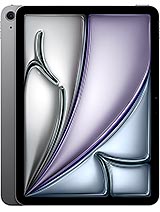
Apple iPad Air 11 (2025) is a premium mid-range tablet featuring the Apple M3 chipset for professional-grade power and an 11.0-inch Liquid Retina IPS LCD for color-accurate work, aimed at digital artists and students. Released in March 2025, it competes with high-end Android slates and entry-level portable workstations by offering desktop-class performance in a 460g frame.
We observe a strategic shift in the design philosophy of the iPad Air lineup with this iteration. By integrating the M3 silicon, previously reserved for laptops and high-end Pro models, this device bridges the gap between casual consumption and heavy-duty production. The transition to a landscape-oriented front camera suggests a focus on the modern productivity landscape where video conferencing is a primary utility rather than an afterthought.
The Artist's Perspective
Visual appeal remains the hallmark of the series, and the aluminum build of this slate feels every bit as premium as its predecessors. Measuring just 6.1mm thick, the device provides a sleek profile that slides into any portfolio or messenger bag without adding significant bulk. The choice of materials ensures structural rigidity, which is essential for artists who apply physical pressure while drawing.
Imagine sitting in a park, sketching a landscape on a device that weighs barely more than a pound. The 460g weight distribution is balanced, making it comfortable to hold in one hand while using the other for navigation. While the bezels remain present, they provide a necessary thumb-rest area to prevent accidental touch inputs when moving through complex layers in creative software.
Stylus Performance
Precision is the currency of the digital illustrator, and the interaction here is refined. This model supports the latest stylus hardware, leveraging a high-polling rate digitizer that captures subtle nuances in tilt and pressure. For those unfamiliar with the term, digitizer polling refers to how often the screen checks for the position of the pen tip; higher rates translate to lower perceived latency.
When sketching in high-resolution canvases, the response feels instantaneous. Palm rejection, a critical software feature that ignores your hand resting on the glass, functions with near-perfect accuracy. This allows for a natural drawing posture similar to paper. The scratch-resistant glass, rated at Mohs level 4, provides a smooth surface that allows the stylus to glide without the 'sticky' feel found on cheaper plastic screens.
M3 Power
In gaming scenarios, this model shreds through titles like Genshin Impact and PUBG Mobile at maximum settings. High frame rates remain stable even during chaotic combat sequences. The hardware-accelerated ray tracing capabilities of the M3 GPU bring a level of visual fidelity to mobile gaming that was previously the domain of dedicated consoles. You won't find the micro-stutters that often plague tablets using older mobile architectures.
Software Experience & Updates
Running iPadOS 18.3.2, the user interface feels fast and purposeful. The software includes Stage Manager, which allows for overlapping windows, making the most of the 11-inch screen for productivity. Unlike many competitors that ship with significant pre-installed bloatware, the software experience here is clean and focused. The commitment to long-term support is evident with a planned upgrade path all the way to iPadOS 26.2.
This longevity is a major selling point. Most users keep their tablets for four to six years, and knowing the hardware will remain relevant until the end of the decade provides significant peace of mind. The integration with the broader ecosystem—allowing for quick file transfers and secondary display functionality—makes the slate a versatile tool for those already invested in the brand.
Thermals & Stability
High performance often leads to high temperatures, but the aluminum chassis acts as an efficient heat sink. During a 45-minute export of a complex video project, the back of the device became warm to the touch but never reached uncomfortable levels. The M3 chipset manages power efficiently, preventing the aggressive thermal throttling that can ruin performance during long work sessions.
Stability is a core strength here. We didn't experience any system crashes or UI lag during our testing period. The thermal management system is tuned for sustained workloads, which is vital for professionals who need the device to perform consistently throughout a full workday.
The Liquid Retina Canvas
However, the 500-nit peak might feel somewhat limiting for those working under direct sunlight or in bright outdoor settings. In comparison, some high-end competitors now offer panels that exceed 1000 nits. Despite this, the oleophobic coating does a great job of minimizing fingerprints, keeping the creative canvas clear during long drawing sessions.
Connectivity and Portability for Creators
The inclusion of a USB-C 3.1 Gen2 port with DisplayPort support is a major win for productivity. This port allows for 10Gbps data transfer speeds, which is essential for photographers moving large RAW files from an external drive. Being able to connect directly to a 4K monitor transforms the tablet into a stationary workstation in seconds.
Connectivity remains modern with Wi-Fi 6E and Bluetooth 5.3. For those on the move, the 5G eSIM capability ensures a stable internet connection without hunting for public hotspots. The 7606 mAh battery provides enough energy for a full day of standard productivity tasks. Crucially, the battery is rated for 1000 cycles, meaning it will retain 80% of its health far longer than standard mobile batteries, aligning with new European longevity standards.
Conclusion
The Apple iPad Air 11 (2025) sits in a unique position where it offers almost all the power of the flagship models at a more accessible price point. It is a tool designed for the creator who needs a balance of portability and raw performance. While it skips some of the luxury features like a high-refresh OLED, the core experience is uncompromising and reliable for the next several years.
Technical Specifications
| LAUNCH | |
|---|---|
| Announced | 2025, March 04 |
| Status | Available. Released 2025, March 12 |
| PLATFORM | |
| OS | iPadOS 18.3.2, upgradable to iPadOS 26.3 |
| Chipset | Apple M3 |
| CPU | Octa-core (4 performance cores and 4 efficiency cores) |
| GPU | Apple GPU (9-core graphics) |
| BODY | |
| Dimensions | 247.6 x 178.5 x 6.1 mm (9.75 x 7.03 x 0.24 in) |
| Weight | 460 g (1.01 lb) |
| Build | Glass front, aluminum back, aluminum frame |
| SIM | eSIM (cellular model only) |
| Info | Stylus support |
| DISPLAY | |
| Type | Liquid Retina IPS LCD, 500 nits (typ) |
| Size | 11.0 inches, 357.6 cm2 (~80.9% screen-to-body ratio) |
| Resolution | 1640 x 2360 pixels (~264 ppi density) |
| Protection | Scratch-resistant glass, oleophobic coating, Mohs level 4 |
| MEMORY | |
| Card slot | No |
| Internal | 128GB 8GB RAM, 256GB 8GB RAM, 512GB 8GB RAM, 1TB 8GB RAM |
| MAIN CAMERA | |
| Single | 12 MP, f/1.8, (wide), 1/3.0", 1.22µm, dual pixel PDAF |
| Features | HDR |
| Video | 4K@24/25/30/60fps, 1080p@25/30/60/120/240fps; gyro-EIS |
| SELFIE CAMERA | |
| Single | 12 MP, f/2.0, 122˚ (ultrawide) |
| Features | HDR |
| Video | 1080p@25/30/60fps; gyro-EIS |
| SOUND | |
| Loudspeaker | Yes, with stereo speakers |
| 3.5mm jack | No |
| COMMS | |
| WLAN | Wi-Fi 802.11 a/b/g/n/ac/6e, dual-band, hotspot |
| Bluetooth | 5.3, A2DP, LE |
| Positioning | GPS, GLONASS (5G model only) |
| NFC | No |
| Radio | No |
| USB | USB Type-C 3.1 Gen2, DisplayPort, magnetic connector |
| NETWORK | |
| Technology | GSM / HSPA / LTE / 5G |
| 2G bands | GSM 850 / 900 / 1800 / 1900 |
| 3G bands | HSDPA 850 / 900 / 1700(AWS) / 1900 / 2100 |
| 4G bands | 1, 2, 3, 4, 5, 7, 8, 11, 12, 13, 14, 17, 18, 19, 20, 21, 25, 26, 28, 29, 30, 32, 34, 38, 39, 40, 41, 42, 48, 66, 71 - A3267 |
| Info | 1, 2, 3, 4, 5, 7, 8, 12, 13, 14, 17, 18, 19, 20, 25, 26, 28, 29, 30, 32, 34, 38, 39, 40, 41, 42, 48, 66, 71 - A3270 |
| 5G bands | 1, 2, 3, 5, 7, 8, 12, 14, 20, 25, 26, 28, 29, 30, 38, 40, 41, 48, 66, 70, 71, 75, 76, 77, 78, 79 SA/NSA/Sub6 - A3267, A3270 |
| Speed | HSPA, LTE, 5G - cellular model only |
| FEATURES | |
| Sensors | Fingerprint (top-mounted), accelerometer, gyro, compass, barometer |
| BATTERY | |
| Type | Li-Po 7606 mAh (28.93 Wh) |
| MISC | |
| Colors | Space Gray, Starlight, Purple, Blue |
| Models | A3267, A3270, A3266 |
| SAR | 1.10 W/kg (body) |
| SAR EU | 1.41 W/kg (body) |
| Price | About 700 EUR |
| EU LABEL | |
| Energy | Class G |
| Battery | 62:00h endurance, 1000 cycles |
| Free fall | Class E (0 falls) |
| Repairability | Class C |