The Motorola Moto E13 Proves That Basic Computing Has a New Price Floor
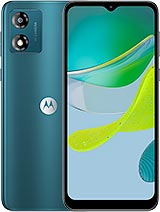
Overview
The Motorola Moto E13 is a budget-tier smartphone featuring a Unisoc T606 processor for essential multitasking and a 5000 mAh battery for multi-day endurance, aimed at price-sensitive consumers seeking basic digital connectivity. Released in February 2023, this handset represents a calculated attempt by the manufacturer to dominate the ultra-affordable segment by stripping away non-essential luxuries in favor of a clean software experience and reliable battery performance.
In the current economic climate of February 2023, every dollar spent on a mobile device must yield a tangible return in utility. This model operates on a thin margin, prioritizing the core pillars of mobile usage: communication, light browsing, and longevity. The choice of the Unisoc T606 (12 nm) chipset is a strategic one. While many competitors in this price bracket still cling to quad-core configurations or aging Helio G25 chips, the inclusion of two Cortex-A75 performance cores alongside six Cortex-A55 efficiency cores provides a noticeable uplift in system responsiveness. We find this particularly important for the Android 13 (Go edition) environment, where the overhead is low, but the hardware still needs to handle modern app updates.
From a fiscal perspective, this device acts as a gateway asset. It offers the bare essentials for the digital economy—banking apps, messaging, and basic web navigation—without the significant capital outlay required for mid-range hardware. However, the depreciation curve on such devices is steep. In our assessment, budget hardware like this typically loses 60-70% of its initial retail value within the first twelve months, primarily because the technology reaches its functional limit faster than premium alternatives.
The internal architecture relies on the Unisoc T606, an octa-core platform that manages to punch slightly above its weight class. By utilizing the Mali-G57 MP1 GPU, the handset can handle basic visual tasks and very light gaming, though users should manage expectations. This isn't a gaming rig; it's a productivity tool for the thrifty. The reliance on eMMC 5.1 storage is a standard cost-saving measure, though it results in slower app installation times compared to the UFS standards found in more expensive models. We suggest users opt for the 4GB RAM variant if possible, as the 2GB model will likely struggle with background task management, even with the optimizations of the Go edition software.
Memory management is the silent killer of [budget phones](/trend/best-budget-phones-2026/). In this era of increasingly heavy applications, the 2GB configuration is a risky investment. It essentially forces the system to kill background processes aggressively to keep the foreground app running. While the Android 13 (Go edition) is designed to mitigate this, the physical ceiling of the hardware remains. For those planning to keep the device for more than 18 months, the 4GB or 8GB versions represent a much more sound allocation of funds.
The 6.5-inch IPS LCD panel offers a resolution of 720 x 1600 pixels. This results in a pixel density of approximately 270 ppi. While this won't win any awards for sharpness, it is perfectly adequate for reading emails and watching standard-definition video. The 20:9 aspect ratio makes the device relatively narrow and easier to grip, which is a practical consideration for a daily driver. The brightness levels are sufficient for indoor use, though direct sunlight will likely wash out the screen, a common trait in this price tier.
We must consider the screen-to-body ratio of roughly 82.8%. The bezels are prominent, particularly the bottom chin, but this provides a buffer against accidental touches and potentially adds a layer of structural rigidity to the front glass. For a budget consumer, the priority isn't bezel-less aesthetics; it's durability and screen real estate. This panel delivers enough space for comfortable typing and navigating GPS maps without feeling cramped.
Historically, Motorola devices in the E-series hold their value poorly on the secondary market. Unlike flagship devices which have a robust trade-in ecosystem, the Motorola Moto E13 is likely to be used until it is functionally obsolete. We predict a resale value of less than $40 after two years of use. However, the true value isn't in the resale; it's in the "cost per day" of ownership. If the device lasts two years, the cost of ownership is less than $0.15 per day, which is an exceptional financial proposition.
Brand reliability for the manufacturer remains stable in the budget sector. They have a reputation for building solid, if unexciting, hardware that survives the rigors of daily life. The plastic frame and back are less prone to shattering than glass, making it a safer bet for users who don't want to spend extra on premium protective cases. The water-resistant design (not IP-rated, but nano-coated) adds a small but vital layer of protection against light splashes or rain, which is a welcome feature at this price point.
The battery is the strongest asset in this financial portfolio. A 5000 mAh Li-Po battery paired with a low-power 720p display and an efficient 12nm chipset translates to genuine multi-day endurance for light users. For students or commuters who may not have regular access to a charger, this reliability is worth more than a high-resolution camera or a faster processor. It is a utility play, plain and simple.
However, the charging situation is a significant bottleneck. The 10W wired charging is glacial by 2023 standards. Recharging this massive cell from zero to 100% will likely take upwards of three hours. We recommend an overnight charging routine to avoid being tethered to a wall during the day. The inclusion of a USB Type-C 2.0 port is a positive move, ensuring compatibility with most modern cables and chargers, moving away from the outdated micro-USB standard often seen in ultra-cheap phones.
The rear camera is a single 13 MP sensor with an f/2.2 aperture. In an era where even budget phones often feature three or four low-quality auxiliary lenses for marketing purposes, Motorola's decision to stick to one functional lens is refreshing. It simplifies the hardware and focuses the limited processing power on a single data stream. Under good lighting, the PDAF (Phase Detection Auto Focus) ensures that captures are reasonably sharp for social media or document scanning.
Video recording is capped at 1080p@30fps. Without electronic image stabilization (EIS), handheld footage will appear shaky. This camera is designed for functional record-keeping rather than creative photography. The 5 MP selfie camera follows the same logic—sufficient for video calls in a well-lit room, but not intended for high-fidelity self-portraits. For the budget economist, this is acceptable; you aren't paying for a professional camera, you're paying for the ability to document and communicate.
The unboxing experience is purely functional. You receive the handset, a USB-C cable, and a 10W charging brick. In a market where premium brands are removing chargers from the box, their inclusion here is a hidden value of approximately $15. The 3.5mm headphone jack is another cost-saving feature for the user, allowing the use of cheap, reliable wired earbuds without needing expensive Bluetooth alternatives or dongles.
Case availability for this model is expected to be high in budget-focused retail outlets. Screen protectors designed for 6.5-inch Motorola panels are ubiquitous. Because the design is relatively conservative, finding affordable protection will not be a challenge. The device also includes an FM radio, which remains a vital source of free information and entertainment in many regions, further increasing the utility-to-cost ratio.
The Motorola Moto E13 is not a device of passion; it is a device of pragmatism. It provides a stable platform for essential digital life at a price point that is accessible to almost everyone. The combination of a decent Unisoc T606 processor and a massive 5000 mAh battery creates a reliable tool for those who view a smartphone as a necessity rather than a status symbol. While the slow charging and limited RAM are clear compromises, they are justified by the aggressive pricing.
Ultimately, this is a sunk-cost purchase rather than an investment. You buy it, you use it until it can no longer keep up with software demands, and then you replace it. For the student on a strict budget, the elderly user needing a simple interface, or the worker requiring a secondary ruggedized-feeling handset, the Motorola Moto E13 represents the smartest way to spend roughly $110 in the early 2023 mobile market.
The Financial Logic of Entry-Level Hardware
In the current economic climate of February 2023, every dollar spent on a mobile device must yield a tangible return in utility. This model operates on a thin margin, prioritizing the core pillars of mobile usage: communication, light browsing, and longevity. The choice of the Unisoc T606 (12 nm) chipset is a strategic one. While many competitors in this price bracket still cling to quad-core configurations or aging Helio G25 chips, the inclusion of two Cortex-A75 performance cores alongside six Cortex-A55 efficiency cores provides a noticeable uplift in system responsiveness. We find this particularly important for the Android 13 (Go edition) environment, where the overhead is low, but the hardware still needs to handle modern app updates.
From a fiscal perspective, this device acts as a gateway asset. It offers the bare essentials for the digital economy—banking apps, messaging, and basic web navigation—without the significant capital outlay required for mid-range hardware. However, the depreciation curve on such devices is steep. In our assessment, budget hardware like this typically loses 60-70% of its initial retail value within the first twelve months, primarily because the technology reaches its functional limit faster than premium alternatives.
Silicon Economics: The Unisoc T606 Calculation
The internal architecture relies on the Unisoc T606, an octa-core platform that manages to punch slightly above its weight class. By utilizing the Mali-G57 MP1 GPU, the handset can handle basic visual tasks and very light gaming, though users should manage expectations. This isn't a gaming rig; it's a productivity tool for the thrifty. The reliance on eMMC 5.1 storage is a standard cost-saving measure, though it results in slower app installation times compared to the UFS standards found in more expensive models. We suggest users opt for the 4GB RAM variant if possible, as the 2GB model will likely struggle with background task management, even with the optimizations of the Go edition software.
Memory management is the silent killer of [budget phones](/trend/best-budget-phones-2026/). In this era of increasingly heavy applications, the 2GB configuration is a risky investment. It essentially forces the system to kill background processes aggressively to keep the foreground app running. While the Android 13 (Go edition) is designed to mitigate this, the physical ceiling of the hardware remains. For those planning to keep the device for more than 18 months, the 4GB or 8GB versions represent a much more sound allocation of funds.
Display Real Estate vs. Pixel Density Dividends
The 6.5-inch IPS LCD panel offers a resolution of 720 x 1600 pixels. This results in a pixel density of approximately 270 ppi. While this won't win any awards for sharpness, it is perfectly adequate for reading emails and watching standard-definition video. The 20:9 aspect ratio makes the device relatively narrow and easier to grip, which is a practical consideration for a daily driver. The brightness levels are sufficient for indoor use, though direct sunlight will likely wash out the screen, a common trait in this price tier.
We must consider the screen-to-body ratio of roughly 82.8%. The bezels are prominent, particularly the bottom chin, but this provides a buffer against accidental touches and potentially adds a layer of structural rigidity to the front glass. For a budget consumer, the priority isn't bezel-less aesthetics; it's durability and screen real estate. This panel delivers enough space for comfortable typing and navigating GPS maps without feeling cramped.
The Resale Prediction and Long-Term Value
Historically, Motorola devices in the E-series hold their value poorly on the secondary market. Unlike flagship devices which have a robust trade-in ecosystem, the Motorola Moto E13 is likely to be used until it is functionally obsolete. We predict a resale value of less than $40 after two years of use. However, the true value isn't in the resale; it's in the "cost per day" of ownership. If the device lasts two years, the cost of ownership is less than $0.15 per day, which is an exceptional financial proposition.
Brand reliability for the manufacturer remains stable in the budget sector. They have a reputation for building solid, if unexciting, hardware that survives the rigors of daily life. The plastic frame and back are less prone to shattering than glass, making it a safer bet for users who don't want to spend extra on premium protective cases. The water-resistant design (not IP-rated, but nano-coated) adds a small but vital layer of protection against light splashes or rain, which is a welcome feature at this price point.
Energy Assets: The 5000 mAh Power Reserve
The battery is the strongest asset in this financial portfolio. A 5000 mAh Li-Po battery paired with a low-power 720p display and an efficient 12nm chipset translates to genuine multi-day endurance for light users. For students or commuters who may not have regular access to a charger, this reliability is worth more than a high-resolution camera or a faster processor. It is a utility play, plain and simple.
However, the charging situation is a significant bottleneck. The 10W wired charging is glacial by 2023 standards. Recharging this massive cell from zero to 100% will likely take upwards of three hours. We recommend an overnight charging routine to avoid being tethered to a wall during the day. The inclusion of a USB Type-C 2.0 port is a positive move, ensuring compatibility with most modern cables and chargers, moving away from the outdated micro-USB standard often seen in ultra-cheap phones.
Imaging Hardware: A Single-Lens Fiscal Policy
The rear camera is a single 13 MP sensor with an f/2.2 aperture. In an era where even budget phones often feature three or four low-quality auxiliary lenses for marketing purposes, Motorola's decision to stick to one functional lens is refreshing. It simplifies the hardware and focuses the limited processing power on a single data stream. Under good lighting, the PDAF (Phase Detection Auto Focus) ensures that captures are reasonably sharp for social media or document scanning.
Video recording is capped at 1080p@30fps. Without electronic image stabilization (EIS), handheld footage will appear shaky. This camera is designed for functional record-keeping rather than creative photography. The 5 MP selfie camera follows the same logic—sufficient for video calls in a well-lit room, but not intended for high-fidelity self-portraits. For the budget economist, this is acceptable; you aren't paying for a professional camera, you're paying for the ability to document and communicate.
Accessory Compatibility and Unboxing
The unboxing experience is purely functional. You receive the handset, a USB-C cable, and a 10W charging brick. In a market where premium brands are removing chargers from the box, their inclusion here is a hidden value of approximately $15. The 3.5mm headphone jack is another cost-saving feature for the user, allowing the use of cheap, reliable wired earbuds without needing expensive Bluetooth alternatives or dongles.
Case availability for this model is expected to be high in budget-focused retail outlets. Screen protectors designed for 6.5-inch Motorola panels are ubiquitous. Because the design is relatively conservative, finding affordable protection will not be a challenge. The device also includes an FM radio, which remains a vital source of free information and entertainment in many regions, further increasing the utility-to-cost ratio.
Investment Summary and Final Verdict
The Motorola Moto E13 is not a device of passion; it is a device of pragmatism. It provides a stable platform for essential digital life at a price point that is accessible to almost everyone. The combination of a decent Unisoc T606 processor and a massive 5000 mAh battery creates a reliable tool for those who view a smartphone as a necessity rather than a status symbol. While the slow charging and limited RAM are clear compromises, they are justified by the aggressive pricing.
Ultimately, this is a sunk-cost purchase rather than an investment. You buy it, you use it until it can no longer keep up with software demands, and then you replace it. For the student on a strict budget, the elderly user needing a simple interface, or the worker requiring a secondary ruggedized-feeling handset, the Motorola Moto E13 represents the smartest way to spend roughly $110 in the early 2023 mobile market.
Technical Specifications
| LAUNCH | |
|---|---|
| Announced | 2023, January 24 |
| Status | Available. Released 2023, February 13 |
| PLATFORM | |
| OS | Android 13 (Go edition) |
| Chipset | Unisoc T606 (12 nm) |
| CPU | Octa-core (2x1.6 GHz Cortex-A75 & 6x1.6 GHz Cortex-A55) |
| GPU | Mali-G57 MP1 |
| BODY | |
| Dimensions | 164.2 x 75 x 8.5 mm (6.46 x 2.95 x 0.33 in) |
| Weight | 179.5 g (6.35 oz) |
| Build | Glass front, plastic frame, plastic back |
| SIM | Nano-SIM + Nano-SIM |
| Info | Water-resistant design |
| DISPLAY | |
| Type | IPS LCD |
| Size | 6.5 inches, 102.0 cm2 (~82.8% screen-to-body ratio) |
| Resolution | 720 x 1600 pixels, 20:9 ratio (~270 ppi density) |
| MEMORY | |
| Card slot | microSDXC (dedicated slot) |
| Internal | 32GB 2GB RAM, 64GB 2GB RAM, 64GB 4GB RAM, 128GB 8GB RAM |
| Info | eMMC 5.1 |
| MAIN CAMERA | |
| Single | 13 MP, f/2.2, (wide), 1.12µm, PDAF |
| Features | LED flash, HDR, panorama |
| Video | 1080p@30fps |
| SELFIE CAMERA | |
| Single | 5 MP, f/2.4, (wide), 1/5.0", 1.12µm |
| Video | 1080p@30fps |
| SOUND | |
| Loudspeaker | Yes |
| 3.5mm jack | Yes |
| COMMS | |
| WLAN | Wi-Fi 802.11 a/b/g/n/ac, dual-band |
| Bluetooth | 5.0, A2DP, LE |
| Positioning | GPS, GLONASS, GALILEO |
| NFC | No |
| Radio | FM radio, recording |
| USB | USB Type-C 2.0, OTG |
| NETWORK | |
| Technology | GSM / HSPA / LTE |
| 2G bands | GSM 850 / 900 / 1800 / 1900 |
| 3G bands | HSDPA 850 / 900 / 2100 |
| 4G bands | 1, 3, 5, 7, 8, 28, 38, 40, 41 |
| Info | 1, 3, 5, 7, 8, 20, 28, 38, 40, 41 |
| Speed | HSPA, LTE |
| FEATURES | |
| Sensors | Accelerometer, proximity |
| BATTERY | |
| Type | Li-Po 5000 mAh |
| Charging | 10W wired |
| MISC | |
| Colors | Cosmic Black, Creamy White, Aurora Green |
| Price | € 82.79 |