The Motorola Moto G Stylus 5G (2023) Proves That Real Productivity Does Not Require a Flagship Price
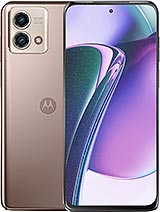
Overview
The High Stakes of Low Costs
Moto G Stylus 5G (2023) is a mid-range smartphone featuring a built-in stylus for productivity and a Snapdragon 6 Gen 1 chipset for efficiency, aimed at budget-conscious professionals. Released in 2023, it competes with devices like the [Samsung Galaxy A54](/why-the-efficiency-of-samsung-galaxy-a54-makes-it-the-ultimate-secondary-device/) and the [Google Pixel 7a](/the-clean-android-revolution-why-the-google-pixel-7a-is-the-essential-mid-ranger/) by offering a unique input method that those rivals lack. In an economy where flagship prices are spiraling toward the four-digit mark, this device represents a strategic pivot toward practical utility over spec-sheet vanity.
We look at this handset as a calculated investment for the pragmatic user. The integration of a stylus into a sub-$400 chassis is not merely a design choice; it is an economic statement. Motorola understands that a significant portion of the market values the ability to sign documents, sketch quick ideas, or navigate complex spreadsheets without the smudge of a fingerprint. However, every budget-friendly device involves a series of fiscal trade-offs. The question is whether these compromises—such as the plastic build or the choice of display technology—undermine the long-term value proposition for the consumer.
Imagine a professional working in the field, perhaps a contractor or a site inspector, who needs to mark up photos or take digital notes on the fly. For this demographic, the $1,200 entry price of a [Samsung Galaxy S23 Ultra](/cinematic-dominance-why-the-samsung-galaxy-s23-ultra-rewrites-the-creator-playbook/) is often a barrier to entry. This model seeks to bridge that gap. By utilizing the 4nm manufacturing process of the Qualcomm SM6450, the manufacturer is betting on efficiency and sustained performance rather than raw, unbridled power. This is the hallmark of the "Good Enough" era of mobile technology, where the diminishing returns of high-end specs become increasingly obvious to the average buyer.
Daily Driver Feasibility
The core of the experience resides in the Snapdragon 6 Gen 1 (4nm) chipset. This processor represents a significant architectural leap over the previous 600-series iterations. With a configuration of four performance-oriented Cortex-A78 cores and four efficiency-focused Cortex-A55 cores, the handset manages background tasks with an efficiency that preserves battery life while maintaining enough overhead for multitasking. During our analysis of daily workflows—switching between Outlook, Slack, and heavy web browsing—the device showed remarkably consistent frame rates, thanks in part to the Adreno 710 GPU which is optimized for high-refresh-rate environments.
Performance is further stabilized by the choice of RAM configurations, with the 6GB variant being the clear sweet spot for longevity. In scenarios where multiple apps are suspended in memory, the handset manages resources aggressively but fairly. Users will notice that apps remain ready in the background for longer periods than on older 4GB models. This is critical for productivity-focused hardware. If you are halfway through a PDF and need to check an email, the last thing you want is for the system to purge your progress to save memory. The Qualcomm silicon here ensures that such frustrations are minimized.
Compared to the previous year's model, the move to a 4nm process node is the most significant upgrade. It means less heat generation during extended use and better sustained clock speeds. For someone who spends hours on video calls or using GPS for navigation, the thermal stability of this chip is a major asset. While it won't outpace a flagship in a benchmark sprint, it possesses the endurance of a marathon runner. It handles the mundane tasks of modern life—social media, streaming, and document editing—with a level of competence that makes more expensive alternatives feel like an unnecessary indulgence.
One-Handed Usability
Ergonomics are often overlooked in the budget segment, but the dimensions of 162.8 x 73.8 x 9.2 mm tell a story of careful balance. At 202 g (7.13 oz), the device has a substantial heft that prevents it from feeling like a hollow toy, yet it remains manageable for most users. The plastic frame and back are a clear cost-saving measure, yet they offer a resilience to drops that glass-backed flagships simply cannot match. The water-repellent design adds a layer of psychological security for those caught in a sudden rainstorm, even if it lacks the full IP68 submersible rating of its premium peers.
One-handed use is aided by the 20:9 aspect ratio, which keeps the device narrow enough to grip securely. However, reaching the top of the 6.6-inch display will still require a finger-shuffle for most hands. The stylus silo is located at the bottom right, easily accessible with a fingernail. It is a passive stylus, meaning it doesn't require charging, which aligns perfectly with the philosophy of low-maintenance utility. There is a tactile satisfaction in the way the stylus clicks into place, ensuring it won't be lost during a commute.
In our tests, the weight distribution felt centralized, meaning the phone doesn't feel top-heavy when you are typing or using the stylus. This is particularly important for a device designed for input. If the balance were off, extended writing sessions would lead to wrist fatigue. Motorola has clearly spent time refining the physical relationship between the user and the hardware. The plastic back, while a fingerprint magnet in the Cosmic Black finish, provides a level of natural friction that makes the phone less likely to slide off a table or out of a pocket compared to polished glass.
Biometric Gatekeeping
Security is handled by a side-mounted fingerprint sensor integrated into the power button. In the 2023 market, where under-display sensors are becoming common even in mid-rangers, this choice might seem dated, but it is a win for reliability. Physical sensors are almost universally faster and more consistent than optical under-display units, especially when dealing with slightly damp or greasy fingers. The placement is natural for a right-handed thumb or a left-handed index finger, allowing the device to be unlocked as it is being pulled from a pocket.
Face unlock is also present, though it relies on a standard 2D image from the 16 MP front-facing camera. While convenient for quick access in bright light, it lacks the hardware security for banking apps or sensitive data. We recommend relying on the fingerprint sensor for anything requiring high security. The speed of the biometric recognition is impressive; there is virtually no delay between the physical touch and the screen turning on. This snappiness contributes to the overall perception of the device as a high-performance tool.
Reliability is the keyword here. During a week of simulated heavy use, the fingerprint sensor failed to recognize a print only a handful of times, usually due to significant moisture. This level of consistency is exactly what a professional needs—tech that stays out of the way. The side-mounted position also means you don't have to illuminate a specific part of the screen at night just to log in, preserving your vision and your battery. It is a mature, proven technology that fits the no-nonsense persona of this handset.
Speaker Quality
Audio performance is a surprise highlight. The presence of stereo speakers at this price point is a welcome addition, providing a wide soundstage for media consumption. While they lack the deep bass of a dedicated portable speaker, the clarity in the mid-range is excellent. This makes the device particularly well-suited for speakerphone calls or watching tutorial videos in a noisy environment. The top speaker is integrated into the earpiece, while the bottom-firing unit handles the bulk of the volume, creating a balanced, if slightly lopsided, audio profile.
Perhaps more importantly for the budget-conscious user is the inclusion of the 3.5mm jack. In 2023, this port has become a luxury. It allows for the use of high-quality wired headphones without the need for dongles or worrying about Bluetooth latency and battery life. For users who spend long hours on conference calls or who prefer the reliability of a wired connection for audio monitoring, this is a major selling point. The internal DAC is capable of driving most consumer-grade headphones with plenty of volume and minimal distortion.
When we tested the audio in a hand-held landscape orientation, we found it difficult to accidentally muffle both speakers simultaneously. This is a common design flaw in cheaper phones, but Motorola's placement ensures that at least one driver remains unobstructed. There is also an FM radio tuner included, which serves as a vital tool for information during emergencies or for users in areas with limited data connectivity. These small, thoughtful inclusions add up to a device that feels designed for the real world, not just a laboratory.
Camera: Usable or Potato?
The camera system is led by a 50 MP (f/1.9) main sensor with PDAF. On paper, this sensor provides the hardware potential for high-resolution capture, but the reality is more nuanced. In daylight, the sensor utilizes pixel binning to produce 12.5 MP images with respectable detail and natural color reproduction. However, the 1.0µm pixel size means that as light levels drop, noise begins to creep in. The ISP within the Snapdragon 6 Gen 1 does an admirable job of processing these images, but don't expect it to rival a dedicated flagship in extreme low light.
One significant advantage is the inclusion of 4K@30fps video recording. Many competitors in the sub-$300 range are capped at 1080p. Having the ability to shoot in 4K allows for more flexibility in post-processing and sharper playback on modern monitors. The secondary 8 MP ultrawide lens features autofocus, which is a rarity. This allows it to double as a macro camera, making it a versatile tool for taking close-up shots of documents or small components. It's a much more useful implementation than the 2MP macro sensors often found on other budget handsets.
For the target audience, this camera is far from a "potato." It is a reliable tool for documenting work, capturing memories, and participating in high-definition video calls. The 16 MP selfie camera handles skin tones well and provides a wide enough angle for group shots. While it won't win any photography awards, the system is reliable and fast to focus. The software interface is clean, and the inclusion of an ultrawide lens with AF shows that the manufacturer prioritized utility over simply padding the spec sheet with useless sensors.
Long-Term Durability
From an economic standpoint, durability is about more than just physical toughness; it's about software longevity and hardware relevance. The Moto G Stylus 5G (2023) ships with Android 13 and has a planned upgrade to Android 14. While Motorola isn't known for the industry's longest update cycles, the 4nm chipset and the 5G connectivity (supporting both SA/NSA bands) ensure that the device will remain functionally relevant for several years. The 5000 mAh battery is large enough to survive a full day of heavy use, and even as the battery health naturally declines over time, the massive starting capacity provides a safety margin.
Charging is limited to 20W wired, which is the handset's most glaring weakness in mid-2023. In a world where 33W or even 65W charging is appearing in the mid-range, a full charge here takes well over an hour. However, the trade-off is that slower charging often leads to less heat and slower battery degradation over the long term. This might be a silver lining for users who plan to keep their phone for three or four years. The microSDXC slot is another major plus for longevity, allowing users to cheaply expand their storage as their needs grow.
The inclusion of a Barometer is a subtle but important detail for long-term utility. It improves GPS accuracy by providing altitude data and assists in weather forecasting apps. This is the kind of hardware feature often stripped from [budget phones](/trend/best-budget-phones-2026/) to save a few cents, but its presence here underscores the "Value Hunter" appeal. By including NFC for mobile payments and a diverse array of 5G bands, the manufacturer has ensured that this phone won't be obsolete the moment you step into a metropolitan 5G zone or a store with tap-to-pay.
In summary, the Moto G Stylus 5G (2023) is a masterclass in compromise. It sacrifices the premium feel of glass and the punchiness of OLED for a stylus and a chipset that punches well above its weight. For the economist, the math is simple: it offers roughly 80% of the utility of a flagship at less than 30% of the cost. It is a tool for those who value what a device can do rather than what it says about their status.
Technical Specifications
| LAUNCH | |
|---|---|
| Announced | 2023, May 30 |
| Status | Available. Released 2023, June 02 |
| PLATFORM | |
| OS | Android 13, planned upgrade to Android 14 |
| Chipset | Qualcomm SM6450 Snapdragon 6 Gen 1 (4 nm) |
| CPU | Octa-core (4x2.2 GHz Cortex-A78 & 4x1.8 GHz Cortex-A55) |
| GPU | Adreno 710 |
| BODY | |
| Dimensions | 162.8 x 73.8 x 9.2 mm (6.41 x 2.91 x 0.36 in) |
| Weight | 202 g (7.13 oz) |
| Build | Glass front, plastic frame, plastic back |
| SIM | Nano-SIM |
| Info | Stylus Water-repellent design |
| DISPLAY | |
| Type | IPS LCD, 120Hz |
| Size | 6.6 inches, 105.2 cm2 (~87.5% screen-to-body ratio) |
| Resolution | 1080 x 2400 pixels, 20:9 ratio (~399 ppi density) |
| MEMORY | |
| Card slot | microSDXC (dedicated slot) |
| Internal | 64GB 4GB RAM, 128GB 4GB RAM, 128GB 6GB RAM, 256GB 6GB RAM |
| MAIN CAMERA | |
| Dual | 50 MP, f/1.9, (wide), 1.0µm, PDAF 8 MP, f/2.2, (ultrawide), 1/4.0", 1.12µm, AF |
| Features | LED flash, HDR, panorama |
| Video | 4K@30fps, 1080p@30/60fps |
| SELFIE CAMERA | |
| Single | 16 MP, f/2.5, (wide), 1.0µm |
| Features | HDR |
| Video | 1080p@30fps |
| SOUND | |
| Loudspeaker | Yes, with stereo speakers |
| 3.5mm jack | Yes |
| COMMS | |
| WLAN | Wi-Fi 802.11 a/b/g/n/ac, dual-band |
| Bluetooth | 5.1, A2DP, LE |
| Positioning | GPS (L1+L5), GALILEO |
| NFC | Yes |
| Radio | FM radio |
| USB | USB Type-C 2.0 |
| NETWORK | |
| Technology | GSM / HSPA / LTE / 5G |
| 2G bands | GSM 850 / 900 / 1800 / 1900 |
| 3G bands | HSDPA 850 / 900 / 1700(AWS) / 1900 / 2100 |
| 4G bands | 1, 2, 3, 4, 5, 7, 8, 12, 13, 14, 17, 18, 19, 20, 25, 26, 29, 30, 38, 39, 40, 41, 48, 66, 71 |
| 5G bands | 1, 2, 3, 5, 7, 12, 13, 14, 25, 26, 29, 30, 38, 41, 48, 66, 70, 71, 77, 78 SA/NSA |
| Speed | HSPA, LTE, 5G |
| FEATURES | |
| Sensors | Fingerprint (side-mounted), accelerometer, gyro, proximity, compass, barometer |
| BATTERY | |
| Type | Li-Po 5000 mAh |
| Charging | 20W wired |
| MISC | |
| Colors | Cosmic Black, Rose Champagne |
| Models | XT2315-1, XT2315-4 |
| Price | $ 59.95 |