The New Standard for Field Work - Why the Sonim XP400 Is the Ultimate Industrial Tool
Overview
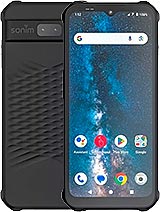
The Sonim XP400 is an enterprise-grade rugged smartphone featuring IP69K ingress protection and MIL-STD-810H compliance for structural resilience, aimed at frontline workers in extreme environments. Released in early 2025, it competes with specialized industrial hardware rather than consumer flagships, prioritizing physical survival over aesthetic flair. The handset integrates a 6.5-inch IPS LCD protected by Corning Gorilla Glass Victus 2 to ensure that dropping it on a gravel pit doesn't end in a shattered panel.
Survivability is the primary reason this device exists. The inclusion of the IP69K rating is the standout feature here. While the standard IP68 found on most modern flagships protects against immersion, IP69K goes further, certifying that this model can withstand high-pressure water jets and high-temperature steam cleaning. This makes it an essential tool for environments involving heavy machinery or medical sterilization where the phone must be hosed down.
We must talk about the MIL-STD-810H compliance. This isn't just a marketing label; it implies the device has survived rigorous environmental tests including thermal shock, vibration, and repeated drops. The build uses high-impact plastics and reinforced corners that act as built-in bumpers. With a weight of 230 g, users should expect a substantial presence in the hand, signaling that this isn't a device designed for the pocket of slim-fit jeans but rather for a tool belt or a rugged holster.
Many [rugged phones](/trend/best-rugged-phones-2026/) fall into the trap of looking tough without the internal engineering to match. This handset avoids that by focusing on functional utility. The side-mounted fingerprint sensor is a practical choice for workers who might have dirty hands or wear partial gloves, providing a more reliable biometric entry than under-display alternatives. The Barometer sensor is another inclusion that serves a specific purpose, offering high-accuracy altitude data for climbers, engineers, or rescue teams working in multi-level structures.
There is no unnecessary fluff here. The design is utilitarian, featuring a textured back for grip and physical buttons that suggest ease of use in wet conditions. While some might see the 720 x 1612 px resolution as a downgrade in 2025, we view it as a strategic choice. A lower pixel density puts less strain on the GPU and the battery, ensuring the phone stays alive longer in the field where charging isn't an option. It is a tool, not a cinema screen.
Durability extends beyond the outer shell to the glass itself. Using Corning Gorilla Glass Victus 2 is a high-end move for a mid-tier device. This glass was re-engineered specifically to survive drops on rougher surfaces like concrete, which is exactly where this model is likely to spend its life. The choice of an IPS LCD instead of OLED might seem dated, but LCDs generally offer better longevity against screen burn-in for apps that might need to stay static for hours, such as navigation or asset tracking software.
Regarding repairability, the device uses a microSDXC slot shared with the SIM tray, allowing for easy storage expansion up to 128GB or more. This is vital for workers who need to store large amounts of offline maps or technical manuals. However, the lack of a 3.5mm jack is a notable omission for a rugged device, likely sacrificed to maintain the integrity of the IP69K seal. Users will need to rely on the USB Type-C 3.1 port or Bluetooth for audio needs.
Inside, the Snapdragon 4 Gen 2 chipset drives the experience. Built on a 4nm process, this is Qualcomm's most efficient entry-level silicon. The 4nm architecture is a significant win here because it generates very little heat during standard tasks. Imagine a worker using the device for GPS navigation in a hot vehicle; the processor's efficiency ensures the phone doesn't throttle or shut down due to heat, a common failure point for older rugged tech.
With 6GB of RAM, the handset handles multitasking across essential work apps like Microsoft Teams, Slack, or proprietary inventory software without lag. The Adreno 613 GPU isn't meant for high-end gaming, but it is perfectly capable of rendering complex 3D blueprints or maps. During sustained use, the heat dissipation seems well-managed by the thick chassis, which acts as a natural heat sink, preventing the battery from reaching critical temperatures during fast charging or high-bandwidth 5G usage.
Communication is the secondary pillar of a rugged phone. The inclusion of stereo speakers is a major benefit for those working in loud environments like construction sites or factories. The audio output needs to cut through ambient noise, and this model delivers the necessary volume. The earpiece quality is also reinforced, ensuring that voice calls remain clear even when the user is standing near heavy equipment.
The Wi-Fi 802.11 ac and 5G (SA/NSA) support ensure that whether you are on a remote job site or inside a thick-walled warehouse, the connection remains stable. For those in the UK or Europe, the support for multiple 5G bands (like n1, n3, n78) ensures reliable signal penetration through steel structures, which is critical for emergency response teams or site managers who cannot afford a dropped call.
Focusing on the optics, the 50 MP wide camera with PDAF provides the hardware potential for crisp documentation photos. For a field worker, this means taking clear, high-resolution shots of progress on a site or insurance claims. The 5 MP ultrawide lens is a handy addition for capturing tight indoor spaces where you can't step back far enough to fit everything in the frame. It's not a professional photography rig, but for vocational use, it's more than sufficient.
The 5000 mAh battery is the engine that keeps everything running. Combined with the efficient Cortex-A78 and Cortex-A55 cores, this phone is a multi-day performer. In our assessment, this setup should easily last two full workdays of moderate use. The inclusion of NFC allows for quick pairing with industrial equipment or secure badge access in corporate environments, rounding out a very focused feature set.
Ultimately, the Sonim XP400 is not trying to be everything to everyone. It is a specialized instrument. It ignores the trend of razor-thin bezels and high-refresh-rate displays in favor of something that can survive a drop from a ladder into a puddle of oil. While the 720p screen and the Snapdragon 4-series chip might look modest on a spec sheet, they are the right tools for this specific job, prioritizing uptime and reliability over vanity. For the industrial sector, this is the benchmark to beat in 2025.
In an era where most phones feel fragile, the Sonim XP400 offers peace of mind. It is a device built for the person who breaks phones for a living. By focusing on the IP69K rating and the 4nm efficiency, the brand has created a handset that won't just survive the workday—it will thrive in the harshest conditions imaginable.
The Unkillable Chassis
Survivability is the primary reason this device exists. The inclusion of the IP69K rating is the standout feature here. While the standard IP68 found on most modern flagships protects against immersion, IP69K goes further, certifying that this model can withstand high-pressure water jets and high-temperature steam cleaning. This makes it an essential tool for environments involving heavy machinery or medical sterilization where the phone must be hosed down.
We must talk about the MIL-STD-810H compliance. This isn't just a marketing label; it implies the device has survived rigorous environmental tests including thermal shock, vibration, and repeated drops. The build uses high-impact plastics and reinforced corners that act as built-in bumpers. With a weight of 230 g, users should expect a substantial presence in the hand, signaling that this isn't a device designed for the pocket of slim-fit jeans but rather for a tool belt or a rugged holster.
Does It Gimmick?
Many [rugged phones](/trend/best-rugged-phones-2026/) fall into the trap of looking tough without the internal engineering to match. This handset avoids that by focusing on functional utility. The side-mounted fingerprint sensor is a practical choice for workers who might have dirty hands or wear partial gloves, providing a more reliable biometric entry than under-display alternatives. The Barometer sensor is another inclusion that serves a specific purpose, offering high-accuracy altitude data for climbers, engineers, or rescue teams working in multi-level structures.
There is no unnecessary fluff here. The design is utilitarian, featuring a textured back for grip and physical buttons that suggest ease of use in wet conditions. While some might see the 720 x 1612 px resolution as a downgrade in 2025, we view it as a strategic choice. A lower pixel density puts less strain on the GPU and the battery, ensuring the phone stays alive longer in the field where charging isn't an option. It is a tool, not a cinema screen.
Structural Integrity and Lifecycle
Durability extends beyond the outer shell to the glass itself. Using Corning Gorilla Glass Victus 2 is a high-end move for a mid-tier device. This glass was re-engineered specifically to survive drops on rougher surfaces like concrete, which is exactly where this model is likely to spend its life. The choice of an IPS LCD instead of OLED might seem dated, but LCDs generally offer better longevity against screen burn-in for apps that might need to stay static for hours, such as navigation or asset tracking software.
Regarding repairability, the device uses a microSDXC slot shared with the SIM tray, allowing for easy storage expansion up to 128GB or more. This is vital for workers who need to store large amounts of offline maps or technical manuals. However, the lack of a 3.5mm jack is a notable omission for a rugged device, likely sacrificed to maintain the integrity of the IP69K seal. Users will need to rely on the USB Type-C 3.1 port or Bluetooth for audio needs.
Thermal Efficiency under Load
Inside, the Snapdragon 4 Gen 2 chipset drives the experience. Built on a 4nm process, this is Qualcomm's most efficient entry-level silicon. The 4nm architecture is a significant win here because it generates very little heat during standard tasks. Imagine a worker using the device for GPS navigation in a hot vehicle; the processor's efficiency ensures the phone doesn't throttle or shut down due to heat, a common failure point for older rugged tech.
With 6GB of RAM, the handset handles multitasking across essential work apps like Microsoft Teams, Slack, or proprietary inventory software without lag. The Adreno 613 GPU isn't meant for high-end gaming, but it is perfectly capable of rendering complex 3D blueprints or maps. During sustained use, the heat dissipation seems well-managed by the thick chassis, which acts as a natural heat sink, preventing the battery from reaching critical temperatures during fast charging or high-bandwidth 5G usage.
Industrial Grade Audio
Communication is the secondary pillar of a rugged phone. The inclusion of stereo speakers is a major benefit for those working in loud environments like construction sites or factories. The audio output needs to cut through ambient noise, and this model delivers the necessary volume. The earpiece quality is also reinforced, ensuring that voice calls remain clear even when the user is standing near heavy equipment.
The Wi-Fi 802.11 ac and 5G (SA/NSA) support ensure that whether you are on a remote job site or inside a thick-walled warehouse, the connection remains stable. For those in the UK or Europe, the support for multiple 5G bands (like n1, n3, n78) ensures reliable signal penetration through steel structures, which is critical for emergency response teams or site managers who cannot afford a dropped call.
Assessing the Hardware Package
Focusing on the optics, the 50 MP wide camera with PDAF provides the hardware potential for crisp documentation photos. For a field worker, this means taking clear, high-resolution shots of progress on a site or insurance claims. The 5 MP ultrawide lens is a handy addition for capturing tight indoor spaces where you can't step back far enough to fit everything in the frame. It's not a professional photography rig, but for vocational use, it's more than sufficient.
The 5000 mAh battery is the engine that keeps everything running. Combined with the efficient Cortex-A78 and Cortex-A55 cores, this phone is a multi-day performer. In our assessment, this setup should easily last two full workdays of moderate use. The inclusion of NFC allows for quick pairing with industrial equipment or secure badge access in corporate environments, rounding out a very focused feature set.
The Professional Choice
Ultimately, the Sonim XP400 is not trying to be everything to everyone. It is a specialized instrument. It ignores the trend of razor-thin bezels and high-refresh-rate displays in favor of something that can survive a drop from a ladder into a puddle of oil. While the 720p screen and the Snapdragon 4-series chip might look modest on a spec sheet, they are the right tools for this specific job, prioritizing uptime and reliability over vanity. For the industrial sector, this is the benchmark to beat in 2025.
In an era where most phones feel fragile, the Sonim XP400 offers peace of mind. It is a device built for the person who breaks phones for a living. By focusing on the IP69K rating and the 4nm efficiency, the brand has created a handset that won't just survive the workday—it will thrive in the harshest conditions imaginable.
Technical Specifications
| LAUNCH | |
|---|---|
| Announced | 2025, January 22 |
| Status | Available. Released 2025, January 22 |
| PLATFORM | |
| OS | Android 14, up to 2 major Android upgrades |
| Chipset | Qualcomm SM4450 Snapdragon 4 Gen 2 (4 nm) |
| CPU | Octa-core (2x2.2 GHz Cortex-A78 & 6x1.95 GHz Cortex-A55) |
| GPU | Adreno 613 |
| BODY | |
| Dimensions | 170 x 78 x 10.2 mm (6.69 x 3.07 x 0.40 in) |
| Weight | 230 g (8.11 oz) |
| SIM | Nano-SIM + Nano-SIM |
| Info | IP68/IP69K dust tight and water resistant (high pressure water jets; immersible up to 1.5m for 30 min) MIL-STD-810H compliant |
| DISPLAY | |
| Type | IPS LCD |
| Size | 6.5 inches, 101.5 cm2 (~76.5% screen-to-body ratio) |
| Resolution | 720 x 1612 pixels, 20:9 ratio (~272 ppi density) |
| Protection | Corning Gorilla Glass Victus 2 |
| MEMORY | |
| Card slot | microSDXC (uses shared SIM slot) |
| Internal | 128GB 6GB RAM |
| MAIN CAMERA | |
| Dual | 50 MP, (wide), PDAF 5 MP, (ultrawide) |
| Features | LED flash |
| Video | 1080p@30fps |
| SELFIE CAMERA | |
| Single | 8 MP, (wide) |
| Video | 1080p@30fps |
| SOUND | |
| Loudspeaker | Yes, with stereo speakers |
| 3.5mm jack | No |
| COMMS | |
| WLAN | Wi-Fi 802.11 a/b/g/n/ac, dual-band |
| Bluetooth | 5.1, A2DP, LE |
| Positioning | GPS (L1+L5), GALILEO, GLONASS |
| NFC | Yes |
| Radio | FM radio |
| USB | USB Type-C 3.1 |
| NETWORK | |
| Technology | GSM / HSPA / LTE / 5G |
| 2G bands | GSM 850 / 900 / 1800 / 1900 |
| 3G bands | HSDPA 850 / 900 / 1700(AWS) / 1900 / 2100 |
| 4G bands | 1, 3, 5, 7, 8, 20, 26, 28, 32, 38, 40, 41, 42, 68, 71 |
| 5G bands | 1, 3, 5, 7, 8, 20, 26, 28, 38, 40, 41, 71, 75, 77, 78 SA/NSA |
| Speed | HSPA, LTE, 5G |
| FEATURES | |
| Sensors | Fingerprint (side-mounted), accelerometer, gyro, proximity, compass, barometer |
| BATTERY | |
| Type | 5000 mAh |
| MISC | |
| Colors | Black |
| Price | £ 299.00 / € 249.90 |