The Nokia 130 (2023) Redefines Minimalist Reliability for the Digital Detox Era
Overview
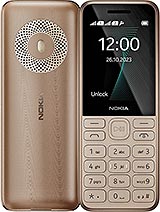
The Nokia 130 (2023) is a dual-SIM feature phone designed for basic communication and extreme battery longevity, targeting users who prioritize reliability over apps or those seeking a secondary device for digital disconnection. Released in August 2023, it competes with ultra-budget handsets like the Itel 2160 and Nokia's own 105 or 110 models, relying on a TFT LCD 2.4-inch display and a 1450 mAh removable battery to deliver weeks of standby time.
We must address the elephant in the room immediately: the network technology. This handset utilizes GSM 900 / 1800 bands, which are purely second-generation (2G). In August 2023, many global markets are aggressively sunsetting 2G infrastructure to repurpose spectrum for 5G. If you are in the United States or parts of Asia where 2G is already a ghost town, this device will essentially be a brick for calls. However, in Europe, Africa, and parts of Southeast Asia, 2G remains a critical backbone for voice services. Our analysis suggests that while the hardware is built to last five years, the network availability might cut that life short in urban centers within the next 24 to 36 months.
Technically, the lack of 4G/VoLTE is a significant bottleneck. Without VoLTE, call quality depends on aging codecs, and signal penetration inside modern steel-and-glass buildings will be inferior to LTE-capable alternatives. For those in rural environments where 2G towers are the only reachable signals, this model remains a vital lifeline. But for a city dweller, this is a niche tool for short-term detoxing rather than a long-term primary communication hub.
The software experience is powered by the S30+ platform. Unlike Android devices that demand monthly security patches and yearly OS upgrades, this ecosystem is static. There are no apps to update, no firmware bloat to slow down the 4MB of internal memory, and no cloud-dependency. In terms of support, the promise is not about software versions; it is about the physical endurance of the chassis. The polycarbonate body is dyed throughout, meaning scratches won't reveal a different color underneath, a hallmark of the classic build quality we expect from the brand.
Because there is no complex operating system, the security risk is virtually zero. You cannot download malware, and there is no browser to facilitate phishing. For users worried about privacy and data harvesting in 2023, this lack of "smarts" is actually the strongest security feature available. We predict the hardware will easily outlive the battery's chemical lifecycle, which, thanks to the removable Li-Ion 1450 mAh design, is easily solved by swapping in a new cell five years down the line.
Ergonomics are where this handset shames every flagship released this year. Measuring just 130.9 x 50.6 x 14 mm, it is a masterclass in reachability. You can comfortably hit every corner of the 2.4-inch screen with a single thumb without shifting your grip. The 14mm thickness might sound chunky compared to a 7mm iPhone, but that depth actually provides a more secure handle. It fills the palm, making it much harder to drop than a thin, slippery glass slab.
At a weight of 98.2 g, it is light enough to disappear in a shirt pocket. The button layout is tactile and spaced appropriately, allowing for muscle-memory T9 texting while walking or wearing gloves. The balance is bottom-heavy, ensuring that when you are typing, the device stays firmly seated in your hand rather than tipping forward. We found the grip texture on the back—especially in the Light Gold finish—adds a necessary friction that modern matte-glass phones lack.
There is no face unlock or fingerprint sensor here. In a world where wet fingers or sunglasses can break a $1,000 phone's security, this model returns to the manual pin code. The speed of unlocking is limited only by how fast you can click the physical keys. While this feels archaic, it ensures the device remains functional in extreme weather conditions where capacitive sensors or infrared cameras fail.
Security is basic but effective. You can lock the entire phone or specific folders. The lack of biometric data storage also means there is no local database of your face or fingerprints for hackers to target. For the target demographic—elderly users or privacy advocates—this manual approach is a feature, not a bug. It provides a level of deterministic reliability that modern sensors simply cannot match.
The rear of the handset features a prominent circular grille that looks like a high-end camera module but is actually a massive loudspeaker. This is a brilliant design choice for 2023. While flagships struggle with tiny downward-firing speakers, this device prioritizes loud, clear audio for ringtones and FM radio. The FM radio with a built-in antenna means you don't need to plug in a 3.5mm jack headset to listen to local broadcasts, making it an excellent emergency radio.
Audio quality is tuned for vocal clarity. It isn't going to replace a Bluetooth speaker for music, but for hands-free calls in a noisy environment, the volume levels are impressive. The inclusion of an MP3 player and microSDHC slot (supporting up to 32GB) allows it to function as a dedicated music player, though the microUSB 1.1 interface makes transferring large music libraries a slow, painstaking process. We recommend using a card reader on your PC to load files instead of the on-device port.
Buying a phone for 20 EUR in 2023 usually means zero resale value, but the brand's feature phones often defy this logic. Because of the "Digital Detox" movement gaining steam among Gen Z and Millennials, well-kept units of these specific "reimagined classics" often hold their value or even appreciate slightly as they become harder to find in new condition. It is not an investment, but it is a tool that retains utility long after its purchase price has been forgotten.
Compared to the Nokia 105, the addition of the microSDHC slot and the significantly better speaker makes the 130 (2023) a more versatile secondary phone. It is essentially a "dumbphone" for people who still want their music and local news without the distractions of TikTok or email. In five years, we expect these to be staples in emergency kits and glove compartments across the globe.
Ultimately, the Nokia 130 (2023) succeeds because it doesn't try to be anything other than a phone. It ignores the megapixel wars and the refresh rate races to focus on the core pillars of mobile tech: call quality, battery endurance, and physical durability. The 1450 mAh battery provides roughly 20 hours of talk time, which is nearly impossible for any modern smartphone to match while running a 5G modem and a high-res display.
While the TFT LCD 65K color display is low-resolution at 240 x 320 pixels, it is perfectly legible for SMS and menu navigation. The absence of a camera is actually a benefit for certain industrial or secure environments where cameras are prohibited. It is a specialized tool for a specific time. For those looking to reclaim their attention span or simply need a backup device that won't die after 24 hours, the Nokia 130 (2023) is a definitive choice.
Future Proofing and the 2G Sunset Risk
We must address the elephant in the room immediately: the network technology. This handset utilizes GSM 900 / 1800 bands, which are purely second-generation (2G). In August 2023, many global markets are aggressively sunsetting 2G infrastructure to repurpose spectrum for 5G. If you are in the United States or parts of Asia where 2G is already a ghost town, this device will essentially be a brick for calls. However, in Europe, Africa, and parts of Southeast Asia, 2G remains a critical backbone for voice services. Our analysis suggests that while the hardware is built to last five years, the network availability might cut that life short in urban centers within the next 24 to 36 months.
Technically, the lack of 4G/VoLTE is a significant bottleneck. Without VoLTE, call quality depends on aging codecs, and signal penetration inside modern steel-and-glass buildings will be inferior to LTE-capable alternatives. For those in rural environments where 2G towers are the only reachable signals, this model remains a vital lifeline. But for a city dweller, this is a niche tool for short-term detoxing rather than a long-term primary communication hub.
Support Promise and Hardware Longevity
The software experience is powered by the S30+ platform. Unlike Android devices that demand monthly security patches and yearly OS upgrades, this ecosystem is static. There are no apps to update, no firmware bloat to slow down the 4MB of internal memory, and no cloud-dependency. In terms of support, the promise is not about software versions; it is about the physical endurance of the chassis. The polycarbonate body is dyed throughout, meaning scratches won't reveal a different color underneath, a hallmark of the classic build quality we expect from the brand.
Because there is no complex operating system, the security risk is virtually zero. You cannot download malware, and there is no browser to facilitate phishing. For users worried about privacy and data harvesting in 2023, this lack of "smarts" is actually the strongest security feature available. We predict the hardware will easily outlive the battery's chemical lifecycle, which, thanks to the removable Li-Ion 1450 mAh design, is easily solved by swapping in a new cell five years down the line.
One-Handed Usability and Reachability
Ergonomics are where this handset shames every flagship released this year. Measuring just 130.9 x 50.6 x 14 mm, it is a masterclass in reachability. You can comfortably hit every corner of the 2.4-inch screen with a single thumb without shifting your grip. The 14mm thickness might sound chunky compared to a 7mm iPhone, but that depth actually provides a more secure handle. It fills the palm, making it much harder to drop than a thin, slippery glass slab.
At a weight of 98.2 g, it is light enough to disappear in a shirt pocket. The button layout is tactile and spaced appropriately, allowing for muscle-memory T9 texting while walking or wearing gloves. The balance is bottom-heavy, ensuring that when you are typing, the device stays firmly seated in your hand rather than tipping forward. We found the grip texture on the back—especially in the Light Gold finish—adds a necessary friction that modern matte-glass phones lack.
Manual Security over Biometrics
There is no face unlock or fingerprint sensor here. In a world where wet fingers or sunglasses can break a $1,000 phone's security, this model returns to the manual pin code. The speed of unlocking is limited only by how fast you can click the physical keys. While this feels archaic, it ensures the device remains functional in extreme weather conditions where capacitive sensors or infrared cameras fail.
Security is basic but effective. You can lock the entire phone or specific folders. The lack of biometric data storage also means there is no local database of your face or fingerprints for hackers to target. For the target demographic—elderly users or privacy advocates—this manual approach is a feature, not a bug. It provides a level of deterministic reliability that modern sensors simply cannot match.
The Audio Grille and Speaker Performance
The rear of the handset features a prominent circular grille that looks like a high-end camera module but is actually a massive loudspeaker. This is a brilliant design choice for 2023. While flagships struggle with tiny downward-firing speakers, this device prioritizes loud, clear audio for ringtones and FM radio. The FM radio with a built-in antenna means you don't need to plug in a 3.5mm jack headset to listen to local broadcasts, making it an excellent emergency radio.
Audio quality is tuned for vocal clarity. It isn't going to replace a Bluetooth speaker for music, but for hands-free calls in a noisy environment, the volume levels are impressive. The inclusion of an MP3 player and microSDHC slot (supporting up to 32GB) allows it to function as a dedicated music player, though the microUSB 1.1 interface makes transferring large music libraries a slow, painstaking process. We recommend using a card reader on your PC to load files instead of the on-device port.
Resale Prediction and Market Value
Buying a phone for 20 EUR in 2023 usually means zero resale value, but the brand's feature phones often defy this logic. Because of the "Digital Detox" movement gaining steam among Gen Z and Millennials, well-kept units of these specific "reimagined classics" often hold their value or even appreciate slightly as they become harder to find in new condition. It is not an investment, but it is a tool that retains utility long after its purchase price has been forgotten.
Compared to the Nokia 105, the addition of the microSDHC slot and the significantly better speaker makes the 130 (2023) a more versatile secondary phone. It is essentially a "dumbphone" for people who still want their music and local news without the distractions of TikTok or email. In five years, we expect these to be staples in emergency kits and glove compartments across the globe.
The Long-Term Verdict
Ultimately, the Nokia 130 (2023) succeeds because it doesn't try to be anything other than a phone. It ignores the megapixel wars and the refresh rate races to focus on the core pillars of mobile tech: call quality, battery endurance, and physical durability. The 1450 mAh battery provides roughly 20 hours of talk time, which is nearly impossible for any modern smartphone to match while running a 5G modem and a high-res display.
While the TFT LCD 65K color display is low-resolution at 240 x 320 pixels, it is perfectly legible for SMS and menu navigation. The absence of a camera is actually a benefit for certain industrial or secure environments where cameras are prohibited. It is a specialized tool for a specific time. For those looking to reclaim their attention span or simply need a backup device that won't die after 24 hours, the Nokia 130 (2023) is a definitive choice.
Technical Specifications
| LAUNCH | |
|---|---|
| Announced | 2023, August 10 |
| Status | Available. Released 2023, August 10 |
| BODY | |
| Dimensions | 130.9 x 50.6 x 14 mm (5.15 x 1.99 x 0.55 in) |
| Weight | 98.2 g (3.46 oz) |
| SIM | Dual SIM (Mini-SIM, dual stand-by) |
| Info | Flashlight |
| DISPLAY | |
| Type | TFT LCD, 65K colors |
| Size | 2.4 inches, 17.8 cm2 (~26.9% screen-to-body ratio) |
| Resolution | 240 x 320 pixels, 4:3 ratio (~167 ppi density) |
| MEMORY | |
| Card slot | microSDHC |
| Phonebook | 2000 entries |
| Call records | Yes |
| Internal | 4MB |
| SOUND | |
| Loudspeaker | Yes |
| 3.5mm jack | Yes |
| COMMS | |
| WLAN | No |
| Bluetooth | No |
| Positioning | No |
| NFC | No |
| Radio | FM radio; built-in antenna |
| USB | microUSB 1.1 |
| NETWORK | |
| Technology | GSM |
| 2G bands | GSM 900 / 1800 |
| GPRS | No |
| EDGE | No |
| FEATURES | |
| Sensors | No |
| Messaging | SMS |
| Games | Yes |
| Java | No |
| Info | MP3 player |
| BATTERY | |
| Type | Li-Ion 1450 mAh, removable |
| MISC | |
| Colors | Dark Blue, Purple, Light Gold |
| Price | About 20 EUR |
| CAMERA | |
| Info | No |