The Nokia 6310 (2024) Proves That Less Is More for Your Bottom Line
Overview
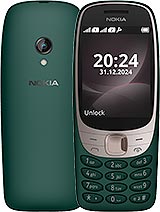
The Nokia 6310 (2024) is a budget-tier feature phone featuring a 2.8-inch TFT LCD for enhanced readability and a removable 1450 mAh battery for long-lasting endurance, aimed at minimalist users and those needing a reliable backup device. Released in April 2024, it competes with other basic handsets in the sub-100 EUR market by prioritizing longevity and tactile utility over the distractions of the smartphone world.
From a purely economic standpoint, this device represents a strategic retreat for the consumer. In an era where even entry-level smartphones are creeping toward the 200 EUR mark, we see a clear utility in a handset that returns to the basics. It does not try to be a pocket computer. Instead, it serves as a specialized tool for communication, and its value is found in what it removes rather than what it adds. By stripping away the high-drain processors and data-heavy applications, the cost of ownership plummets, making it a viable secondary device for professionals or a primary one for those seeking a digital detox.
At approximately 70 EUR, the Nokia 6310 (2024) sits in a unique price bracket. We must address the elephant in the room: this is a 2G-only device (GSM 900/1800). From a value-hunting perspective, this is a calculated risk. While 2G networks are being phased out in some regions, they remain the backbone of communication in many developing markets and specific rural zones. Before purchasing, users must verify that their local carrier still supports GSM, or the handset becomes an expensive paperweight. For those in compatible areas, the trade-off is a significantly lower monthly bill, as there is no data plan required to make the most of this hardware.
This model utilizes the Unisoc 6531F chipset. For those unfamiliar with the term, this is an ultra-low-power baseband processor. It is not designed to handle high-definition video or complex web rendering. Instead, it is optimized for voice clarity and the management of simple text-based tasks. Because the processor doesn't have to push millions of pixels or manage background syncs for social media, it sips power at a rate that would be impossible for a modern smartphone. This efficiency is the core of its value proposition.
Comparing this to its predecessor from 2021, the 2024 update feels like a refinement of the existing formula. It maintains the iconic silhouette but modernizes the internals just enough to keep it relevant. We find the build quality to be surprisingly dense despite the lightweight nature of feature phones. The polycarbonate body implies a level of impact resistance that glass-sandwich smartphones simply cannot match. If the device falls from a desk, the battery cover might pop off, but the screen is unlikely to shatter into a spiderweb of expensive repairs.
Economies of scale require cuts, and they are visible here. The VGA camera on the rear is a relic of the early 2000s. It features a resolution of approximately 0.3 megapixels. In our estimation, this sensor is not intended for photography in any artistic sense. It exists for utility—snapping a quick photo of a parking spot number or a handwritten note. It provides the hardware potential for basic visual recording, but anyone expecting Instagram-ready shots will be disappointed. The LED flash is more useful as a dedicated flashlight than as a photographic tool.
Storage is another area where the budget constraints are apparent. With 16MB of internal storage and 8MB of RAM, the handset relies heavily on its microSDHC slot. For those who want to use the device as an MP3 player or store voice recordings, a separate memory card is a mandatory hidden cost. This card standard supports up to 32GB, which is more than enough for thousands of compressed audio files. However, users should factor in the extra 10 to 15 EUR for a card when calculating the total cost of ownership.
We also notice the absence of GPS. Positioning services are entirely non-existent on this platform. This is a significant drawback for travelers, though it aligns with the device's identity as a secure, private communication tool. Without a location chip, the device cannot be tracked via standard consumer apps, which some privacy-conscious users may actually view as a feature rather than a flaw. It forces a return to physical maps or pre-planning, which is the price one pays for this level of simplicity.
The software experience is dictated by the S30+ operating system. It is a proprietary, closed-loop environment. This means no app store, no WhatsApp, and no YouTube. The UI is designed for speed within these constraints. Navigation is handled via a D-pad and physical numeric keys. For users accustomed to touchscreens, the learning curve is actually a return to old habits. The menus are logical and snappy, as there is no heavy OS skin to slow down the Unisoc 6531F processor.
One minor annoyance we observed in similar platforms is the lack of cloud contact syncing. To migrate your life to this phone, you must either copy contacts to a SIM card or enter them manually. It is a friction point that reminds us of the device's analog-adjacent nature. However, once set up, the software is rock solid. It does not crash, it does not prompt for system updates every three days, and it does not send intrusive notifications. It is a quiet device that waits for your command.
Bluetooth 5.0 is a welcome modern addition. It allows for stable connections with wireless earbuds, which is essential given that the internal speaker is mostly tuned for voice calls. The inclusion of the 3.5mm jack remains a high-value feature, allowing for the use of cheap, reliable wired headphones. In our view, the audio subsystem is one of the strongest arguments for using this as a dedicated music player for the gym or outdoor work where you wouldn't want to risk a 1,000 EUR flagship.
The 1450 mAh battery sounds tiny when compared to the 5000 mAh bricks found in modern [Android phones](/trend/best-android-phones-2026/). However, context is everything. Because the 2.8-inch TFT LCD and the low-power chipset consume so little energy, this battery can comfortably last for weeks on standby. In our analysis of typical feature phone usage, you can expect several days of heavy calling before needing to hunt for a cable. This is the ultimate 'emergency' phone.
Charging has been upgraded to USB Type-C. This is a major win for the budget-conscious consumer. It means you can use the same cable as your laptop or modern tablet, reducing the need for proprietary clutter. While the charging speed isn't 'fast' by modern standards, it doesn't need to be. Filling a 1450 mAh cell takes very little time even at standard wattages. The fact that the battery is removable is a masterclass in sustainability; if the cell degrades after three years, you simply swap it for a new one for a few dollars rather than discarding the entire phone.
Overheating is virtually impossible here. There are no high-performance cores to generate thermal stress. Even during a 60-minute call, the chassis remains cool to the touch. This reliability is a key factor for users in hot climates or those who use their phones in demanding physical environments. It is a tool that simply works when called upon.
Audio quality on the Nokia 6310 (2024) is functional and clear. The loudspeaker is surprisingly loud, intended to be heard in noisy environments. It lacks the bass and depth of a stereo smartphone setup, but for its intended purpose—hearing a ringtone or a voice—it exceeds expectations. The inclusion of Wireless FM radio with RDS support is a standout value add. Being able to listen to the radio without plugging in headphones as an antenna is a feature many flagship phones abandoned years ago.
As for the signal, the 2G limitation means that data speeds are restricted to GPRS/EDGE levels. Do not expect to browse the modern web on this device. The 'Opera Mini' browser is included, but it is best reserved for checking text-based weather reports or very basic news. This phone is built for the era of SMS and voice calls. If you rely on data-driven messaging apps, this model is not for you. It is a pure telephony device.
Haptic feedback is basic. The vibration motor is strong enough to be felt through a heavy jacket pocket, which is more than we can say for some thin modern smartphones. There is no 'haptic engine' here for subtle UI feedback, just a standard rotating mass motor that gets the job done. It is unrefined but effective.
The Nokia 6310 (2024) is a highly specialized piece of equipment. It is not a smartphone replacement; it is a smartphone alternative. For the price of a few fancy dinners, you get a device that will likely outlast any modern flagship in terms of physical durability and standby time. It is a hedge against the complexity and cost of the modern digital life.
If you are a student looking for a distraction-free study tool, or a traveler needing a backup phone that stays charged in a suitcase for a month, the value is undeniable. However, the 2G-only connectivity is a hard ceiling that will make it obsolete in certain markets. You must do your homework on your local network infrastructure before committing your 70 EUR. For those who can use it, it remains one of the most efficient ways to stay connected without breaking the bank.
From a purely economic standpoint, this device represents a strategic retreat for the consumer. In an era where even entry-level smartphones are creeping toward the 200 EUR mark, we see a clear utility in a handset that returns to the basics. It does not try to be a pocket computer. Instead, it serves as a specialized tool for communication, and its value is found in what it removes rather than what it adds. By stripping away the high-drain processors and data-heavy applications, the cost of ownership plummets, making it a viable secondary device for professionals or a primary one for those seeking a digital detox.
The Financial Logic of a 2G Return
At approximately 70 EUR, the Nokia 6310 (2024) sits in a unique price bracket. We must address the elephant in the room: this is a 2G-only device (GSM 900/1800). From a value-hunting perspective, this is a calculated risk. While 2G networks are being phased out in some regions, they remain the backbone of communication in many developing markets and specific rural zones. Before purchasing, users must verify that their local carrier still supports GSM, or the handset becomes an expensive paperweight. For those in compatible areas, the trade-off is a significantly lower monthly bill, as there is no data plan required to make the most of this hardware.
This model utilizes the Unisoc 6531F chipset. For those unfamiliar with the term, this is an ultra-low-power baseband processor. It is not designed to handle high-definition video or complex web rendering. Instead, it is optimized for voice clarity and the management of simple text-based tasks. Because the processor doesn't have to push millions of pixels or manage background syncs for social media, it sips power at a rate that would be impossible for a modern smartphone. This efficiency is the core of its value proposition.
Comparing this to its predecessor from 2021, the 2024 update feels like a refinement of the existing formula. It maintains the iconic silhouette but modernizes the internals just enough to keep it relevant. We find the build quality to be surprisingly dense despite the lightweight nature of feature phones. The polycarbonate body implies a level of impact resistance that glass-sandwich smartphones simply cannot match. If the device falls from a desk, the battery cover might pop off, but the screen is unlikely to shatter into a spiderweb of expensive repairs.
Where the Scissors Met the Specs
Economies of scale require cuts, and they are visible here. The VGA camera on the rear is a relic of the early 2000s. It features a resolution of approximately 0.3 megapixels. In our estimation, this sensor is not intended for photography in any artistic sense. It exists for utility—snapping a quick photo of a parking spot number or a handwritten note. It provides the hardware potential for basic visual recording, but anyone expecting Instagram-ready shots will be disappointed. The LED flash is more useful as a dedicated flashlight than as a photographic tool.
Storage is another area where the budget constraints are apparent. With 16MB of internal storage and 8MB of RAM, the handset relies heavily on its microSDHC slot. For those who want to use the device as an MP3 player or store voice recordings, a separate memory card is a mandatory hidden cost. This card standard supports up to 32GB, which is more than enough for thousands of compressed audio files. However, users should factor in the extra 10 to 15 EUR for a card when calculating the total cost of ownership.
We also notice the absence of GPS. Positioning services are entirely non-existent on this platform. This is a significant drawback for travelers, though it aligns with the device's identity as a secure, private communication tool. Without a location chip, the device cannot be tracked via standard consumer apps, which some privacy-conscious users may actually view as a feature rather than a flaw. It forces a return to physical maps or pre-planning, which is the price one pays for this level of simplicity.
Tactile Interaction and Software Simplicity
The software experience is dictated by the S30+ operating system. It is a proprietary, closed-loop environment. This means no app store, no WhatsApp, and no YouTube. The UI is designed for speed within these constraints. Navigation is handled via a D-pad and physical numeric keys. For users accustomed to touchscreens, the learning curve is actually a return to old habits. The menus are logical and snappy, as there is no heavy OS skin to slow down the Unisoc 6531F processor.
One minor annoyance we observed in similar platforms is the lack of cloud contact syncing. To migrate your life to this phone, you must either copy contacts to a SIM card or enter them manually. It is a friction point that reminds us of the device's analog-adjacent nature. However, once set up, the software is rock solid. It does not crash, it does not prompt for system updates every three days, and it does not send intrusive notifications. It is a quiet device that waits for your command.
Bluetooth 5.0 is a welcome modern addition. It allows for stable connections with wireless earbuds, which is essential given that the internal speaker is mostly tuned for voice calls. The inclusion of the 3.5mm jack remains a high-value feature, allowing for the use of cheap, reliable wired headphones. In our view, the audio subsystem is one of the strongest arguments for using this as a dedicated music player for the gym or outdoor work where you wouldn't want to risk a 1,000 EUR flagship.
The Battery King of 2024
The 1450 mAh battery sounds tiny when compared to the 5000 mAh bricks found in modern [Android phones](/trend/best-android-phones-2026/). However, context is everything. Because the 2.8-inch TFT LCD and the low-power chipset consume so little energy, this battery can comfortably last for weeks on standby. In our analysis of typical feature phone usage, you can expect several days of heavy calling before needing to hunt for a cable. This is the ultimate 'emergency' phone.
Charging has been upgraded to USB Type-C. This is a major win for the budget-conscious consumer. It means you can use the same cable as your laptop or modern tablet, reducing the need for proprietary clutter. While the charging speed isn't 'fast' by modern standards, it doesn't need to be. Filling a 1450 mAh cell takes very little time even at standard wattages. The fact that the battery is removable is a masterclass in sustainability; if the cell degrades after three years, you simply swap it for a new one for a few dollars rather than discarding the entire phone.
Overheating is virtually impossible here. There are no high-performance cores to generate thermal stress. Even during a 60-minute call, the chassis remains cool to the touch. This reliability is a key factor for users in hot climates or those who use their phones in demanding physical environments. It is a tool that simply works when called upon.
Connectivity and Sonic Performance
Audio quality on the Nokia 6310 (2024) is functional and clear. The loudspeaker is surprisingly loud, intended to be heard in noisy environments. It lacks the bass and depth of a stereo smartphone setup, but for its intended purpose—hearing a ringtone or a voice—it exceeds expectations. The inclusion of Wireless FM radio with RDS support is a standout value add. Being able to listen to the radio without plugging in headphones as an antenna is a feature many flagship phones abandoned years ago.
As for the signal, the 2G limitation means that data speeds are restricted to GPRS/EDGE levels. Do not expect to browse the modern web on this device. The 'Opera Mini' browser is included, but it is best reserved for checking text-based weather reports or very basic news. This phone is built for the era of SMS and voice calls. If you rely on data-driven messaging apps, this model is not for you. It is a pure telephony device.
Haptic feedback is basic. The vibration motor is strong enough to be felt through a heavy jacket pocket, which is more than we can say for some thin modern smartphones. There is no 'haptic engine' here for subtle UI feedback, just a standard rotating mass motor that gets the job done. It is unrefined but effective.
Final Fiscal Audit
The Nokia 6310 (2024) is a highly specialized piece of equipment. It is not a smartphone replacement; it is a smartphone alternative. For the price of a few fancy dinners, you get a device that will likely outlast any modern flagship in terms of physical durability and standby time. It is a hedge against the complexity and cost of the modern digital life.
If you are a student looking for a distraction-free study tool, or a traveler needing a backup phone that stays charged in a suitcase for a month, the value is undeniable. However, the 2G-only connectivity is a hard ceiling that will make it obsolete in certain markets. You must do your homework on your local network infrastructure before committing your 70 EUR. For those who can use it, it remains one of the most efficient ways to stay connected without breaking the bank.
Technical Specifications
| LAUNCH | |
|---|---|
| Announced | 2024, April 11 |
| Status | Available. Released 2024, April 26 |
| PLATFORM | |
| Chipset | Unisoc 6531F |
| BODY | |
| Dimensions | 135.5 x 56 x 14.1 mm, 44.8 cc (5.33 x 2.20 x 0.56 in) |
| Weight | - |
| SIM | Nano-SIM + Nano-SIM |
| DISPLAY | |
| Type | TFT LCD |
| Size | 2.8 inches, 24.3 cm2 (~32.0% screen-to-body ratio) |
| Resolution | 240 x 320 pixels, 4:3 ratio (~143 ppi density) |
| MEMORY | |
| Card slot | microSDHC |
| Phonebook | Yes |
| Call records | Yes |
| Internal | 16MB 8MB RAM |
| MAIN CAMERA | |
| Single | VGA |
| Features | LED flash |
| Video | Unspecified |
| SELFIE CAMERA | |
| Info | No |
| SOUND | |
| Loudspeaker | Yes |
| 3.5mm jack | Yes |
| COMMS | |
| WLAN | No |
| Bluetooth | 5.0, A2DP, LE |
| Positioning | No |
| NFC | No |
| Radio | Wireless FM radio |
| USB | USB Type-C |
| NETWORK | |
| Technology | GSM |
| 2G bands | GSM 900 / 1800 |
| GPRS | Yes |
| EDGE | Yes |
| FEATURES | |
| Messaging | SMS, MMS |
| Games | Yes |
| Java | No |
| BATTERY | |
| Type | Li-Ion 1450 mAh, removable |
| MISC | |
| Colors | Black, Green |
| Price | About 70 EUR |