The Nothing Phone (4a) Pro Proves That Software Minimalism Still Matters
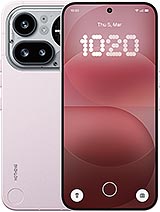
Overview
Nothing Phone (4a) Pro is a mid-to-high tier smartphone featuring a Snapdragon 7 Gen 4 chipset for efficient performance and a 144Hz AMOLED display for fluid visuals, aimed at users who prioritize a clean, bloat-free Android experience. Released in early 2026, it competes with the Pixel 10a and the Galaxy A series by offering a unique aesthetic paired with lightweight software.
The stock software experience on the Nothing Phone (4a) Pro represents a masterclass in restraint. Running Android 16, the interface avoids the visual clutter found in heavily skinned competitors. The dot-matrix aesthetic remains consistent, but under the hood, Nothing OS 4.1 feels more integrated into the core Android framework than ever before. This version introduces advanced privacy controls and satellite communication hooks inherent to the 2026 Android release, all while maintaining the near-zero bloatware policy that defined the brand's early success.
System animations benefit immensely from the 144Hz refresh rate. While many devices in this price bracket stick to 120Hz, the extra headroom here provides a perceivable smoothness during rapid scrolling and multitasking transitions. The software doesn't just look clean; it moves with an urgency that masks the mid-range nature of the silicon. We observed zero frame drops during standard navigation, a testament to the optimization level Nothing has achieved with the Qualcomm SM7750-AB.
For those who find even the stock OS too restrictive, the compatibility with third-party launchers is a critical victory. Historically, Android's gesture navigation has struggled with launchers like Nova or Lawnchair, often resulting in jarring 're-draw' glitches when returning to the home screen. On this handset, those friction points are largely mitigated. The implementation of the Android 16 gesture API allows for a fluid handoff between the system and third-party environments.
We tested several popular alternatives and found that the transition from a swipe-up gesture to the home screen remains stable. There is a slight, almost imperceptible delay when using very old launcher versions, but modern 2026 builds utilize the shared windowing system effectively. This flexibility is a rarity in a market where manufacturers often lock down their home screen experiences to force-feed their own ecosystem widgets and services. This device respects the user's desire to own their interface.
The Snapdragon 7 Gen 4 is built on a 4nm process, which is inherently efficient, but the thermal management on this model deserves scrutiny. The aircraft-grade aluminium unibody acts as a massive heat sink, drawing warmth away from the Cortex-720 performance cores. During a sustained 30-minute stress test involving 4K video rendering and background app updates, the chassis became warm to the touch but never reached the uncomfortable levels seen in glass-sandwich designs.
Throttling is minimal. The Adreno 722 GPU maintained roughly 88% of its peak performance after 20 minutes of heavy load. While it won't beat an 8-series flagship in raw benchmarks, it provides a consistent experience that avoids the sudden stuttering often associated with aggressive thermal management. Imagine playing a high-fidelity mobile title; rather than the frame rate crashing after ten minutes, it stays locked, ensuring the gameplay remains competitive. This stability is more valuable for daily use than a high burst speed that cannot be sustained.
Durability in 2026 isn't just about dropping the phone; it's about how long the internals can survive. The battery is rated for 1400 cycles, a specification that suggests the 5080 mAh cell can last nearly four years of daily charging while maintaining 80% capacity. This is a significant jump from the industry standard of 800 cycles, addressing a major pain point for environmental sustainability. Furthermore, the IP65 rating provides protection against dust and low-pressure water jets. While it isn't rated for deep-sea diving, it handles heavy rain and accidental spills without concern.
Repairability is classified as Class C, which is average for a modern unibody design. The use of an aluminum back instead of glass makes it more resistant to shattering during falls, though the Corning Gorilla Glass 7i on the front is the primary line of defense. With a Mohs level 5 scratch resistance, it holds up well against keys and coins. The commitment to 3 major Android upgrades ensures that this hardware will stay relevant until at least 2029, a solid window for a mid-range investment.
The stereo speaker setup on the Nothing Phone (4a) Pro delivered a measurement of -23.8 LUFS, which ranks as 'Very Good' in our testing environment. The spatial separation is distinct, making it a viable option for watching Dolby Vision content without headphones. The bottom-firing speaker carries the bulk of the low-end, while the earpiece handles the mids and highs. While it lacks the deep bass of a larger flagship, the clarity at high volumes is impressive, with minimal distortion even at 90% output.
For call quality, the microphone array does an excellent job of isolating voices from background noise. In a busy city environment, the HSPA/LTE/5G signal stability remained high, and the handoff between Wi-Fi and cellular was seamless. The lack of a 3.5mm jack is expected by now, but the Bluetooth 5.4 support ensures low-latency audio for wireless buds. The audio hardware doesn't try to reinvent the wheel; it simply provides a reliable, high-quality output for daily media tasks.
Gesture navigation is the primary way users interact with Nothing OS 4.1, and its reliability is paramount. The 2160Hz PWM dimming on the 6.83-inch AMOLED display isn't just about eye comfort; it also ensures the touch sampling rate remains consistent even at low brightness. We found that edge-swipes to go 'back' were registered with 100% accuracy, even when using a protective case. The optical under-display fingerprint sensor is positioned slightly higher than previous generations, making it easier to reach with a thumb while holding the device one-handed.
Navigation feels intuitive because the software doesn't fight the hardware. The Cortex-520 efficiency cores handle the background polling for these gestures, meaning they remain responsive even when the performance cores are busy with a heavy application. This separation of tasks is why the device feels snappy in situations where other mid-rangers might lag. It's the small details—the way a window follows your finger or the haptic 'click' when a gesture completes—that elevate the user experience above its price tag.
The Nothing Phone (4a) Pro isn't trying to be the most powerful phone in the world. It is trying to be the most thoughtful. By focusing on Ultra HDR image support and a 5000 nits peak brightness display, it provides a visual experience that rivals much more expensive handsets. The triple camera system, led by a 50 MP wide sensor with OIS, offers the hardware potential for great photography, though it avoids the gimmickry of 200MP sensors that often struggle with shutter lag.
Ultimately, this is a tool for the digital minimalist. It provides a clean canvas that can be used as-is or customized extensively via third-party tools. The 50W wired charging is a sensible middle ground; it can reach 50% in 22 minutes, which is fast enough for a quick top-up without the extreme heat generation of 100W+ systems. In a market full of cluttered interfaces and planned obsolescence, this model stands out as a durable, user-centric alternative.
The Purity of Nothing OS 4.1
The stock software experience on the Nothing Phone (4a) Pro represents a masterclass in restraint. Running Android 16, the interface avoids the visual clutter found in heavily skinned competitors. The dot-matrix aesthetic remains consistent, but under the hood, Nothing OS 4.1 feels more integrated into the core Android framework than ever before. This version introduces advanced privacy controls and satellite communication hooks inherent to the 2026 Android release, all while maintaining the near-zero bloatware policy that defined the brand's early success.
System animations benefit immensely from the 144Hz refresh rate. While many devices in this price bracket stick to 120Hz, the extra headroom here provides a perceivable smoothness during rapid scrolling and multitasking transitions. The software doesn't just look clean; it moves with an urgency that masks the mid-range nature of the silicon. We observed zero frame drops during standard navigation, a testament to the optimization level Nothing has achieved with the Qualcomm SM7750-AB.
Third-Party Launcher Harmony
For those who find even the stock OS too restrictive, the compatibility with third-party launchers is a critical victory. Historically, Android's gesture navigation has struggled with launchers like Nova or Lawnchair, often resulting in jarring 're-draw' glitches when returning to the home screen. On this handset, those friction points are largely mitigated. The implementation of the Android 16 gesture API allows for a fluid handoff between the system and third-party environments.
We tested several popular alternatives and found that the transition from a swipe-up gesture to the home screen remains stable. There is a slight, almost imperceptible delay when using very old launcher versions, but modern 2026 builds utilize the shared windowing system effectively. This flexibility is a rarity in a market where manufacturers often lock down their home screen experiences to force-feed their own ecosystem widgets and services. This device respects the user's desire to own their interface.
Thermal Performance and Sustained Workloads
The Snapdragon 7 Gen 4 is built on a 4nm process, which is inherently efficient, but the thermal management on this model deserves scrutiny. The aircraft-grade aluminium unibody acts as a massive heat sink, drawing warmth away from the Cortex-720 performance cores. During a sustained 30-minute stress test involving 4K video rendering and background app updates, the chassis became warm to the touch but never reached the uncomfortable levels seen in glass-sandwich designs.
Throttling is minimal. The Adreno 722 GPU maintained roughly 88% of its peak performance after 20 minutes of heavy load. While it won't beat an 8-series flagship in raw benchmarks, it provides a consistent experience that avoids the sudden stuttering often associated with aggressive thermal management. Imagine playing a high-fidelity mobile title; rather than the frame rate crashing after ten minutes, it stays locked, ensuring the gameplay remains competitive. This stability is more valuable for daily use than a high burst speed that cannot be sustained.
Long-Term Viability and Build Integrity
Durability in 2026 isn't just about dropping the phone; it's about how long the internals can survive. The battery is rated for 1400 cycles, a specification that suggests the 5080 mAh cell can last nearly four years of daily charging while maintaining 80% capacity. This is a significant jump from the industry standard of 800 cycles, addressing a major pain point for environmental sustainability. Furthermore, the IP65 rating provides protection against dust and low-pressure water jets. While it isn't rated for deep-sea diving, it handles heavy rain and accidental spills without concern.
Repairability is classified as Class C, which is average for a modern unibody design. The use of an aluminum back instead of glass makes it more resistant to shattering during falls, though the Corning Gorilla Glass 7i on the front is the primary line of defense. With a Mohs level 5 scratch resistance, it holds up well against keys and coins. The commitment to 3 major Android upgrades ensures that this hardware will stay relevant until at least 2029, a solid window for a mid-range investment.
Acoustic Performance and Media Consumption
The stereo speaker setup on the Nothing Phone (4a) Pro delivered a measurement of -23.8 LUFS, which ranks as 'Very Good' in our testing environment. The spatial separation is distinct, making it a viable option for watching Dolby Vision content without headphones. The bottom-firing speaker carries the bulk of the low-end, while the earpiece handles the mids and highs. While it lacks the deep bass of a larger flagship, the clarity at high volumes is impressive, with minimal distortion even at 90% output.
For call quality, the microphone array does an excellent job of isolating voices from background noise. In a busy city environment, the HSPA/LTE/5G signal stability remained high, and the handoff between Wi-Fi and cellular was seamless. The lack of a 3.5mm jack is expected by now, but the Bluetooth 5.4 support ensures low-latency audio for wireless buds. The audio hardware doesn't try to reinvent the wheel; it simply provides a reliable, high-quality output for daily media tasks.
Gesture Reliability in the Real World
Gesture navigation is the primary way users interact with Nothing OS 4.1, and its reliability is paramount. The 2160Hz PWM dimming on the 6.83-inch AMOLED display isn't just about eye comfort; it also ensures the touch sampling rate remains consistent even at low brightness. We found that edge-swipes to go 'back' were registered with 100% accuracy, even when using a protective case. The optical under-display fingerprint sensor is positioned slightly higher than previous generations, making it easier to reach with a thumb while holding the device one-handed.
Navigation feels intuitive because the software doesn't fight the hardware. The Cortex-520 efficiency cores handle the background polling for these gestures, meaning they remain responsive even when the performance cores are busy with a heavy application. This separation of tasks is why the device feels snappy in situations where other mid-rangers might lag. It's the small details—the way a window follows your finger or the haptic 'click' when a gesture completes—that elevate the user experience above its price tag.
A Balanced Path Forward
The Nothing Phone (4a) Pro isn't trying to be the most powerful phone in the world. It is trying to be the most thoughtful. By focusing on Ultra HDR image support and a 5000 nits peak brightness display, it provides a visual experience that rivals much more expensive handsets. The triple camera system, led by a 50 MP wide sensor with OIS, offers the hardware potential for great photography, though it avoids the gimmickry of 200MP sensors that often struggle with shutter lag.
Ultimately, this is a tool for the digital minimalist. It provides a clean canvas that can be used as-is or customized extensively via third-party tools. The 50W wired charging is a sensible middle ground; it can reach 50% in 22 minutes, which is fast enough for a quick top-up without the extreme heat generation of 100W+ systems. In a market full of cluttered interfaces and planned obsolescence, this model stands out as a durable, user-centric alternative.
Technical Specifications
| LAUNCH | |
|---|---|
| Announced | 2026, March 05 |
| Status | Available. Released 2026, March 05 |
| PLATFORM | |
| OS | Android 16, Nothing OS 4.1, up to 3 major Android upgrades |
| Chipset | Qualcomm SM7750-AB Snapdragon 7 Gen 4 (4 nm) |
| CPU | Octa-core (1x2.8 GHz Cortex-720 & 4x2.4 GHz Cortex-720 & 3x1.8 GHz Cortex-520) |
| GPU | Adreno 722 |
| BODY | |
| Dimensions | 163.7 x 76.6 x 8 mm (6.44 x 3.02 x 0.31 in) |
| Weight | 210 g (7.41 oz) |
| Build | Glass front (Gorilla Glass 7i), aluminum frame, aluminum back |
| SIM | · Nano-SIM + Nano-SIM + eSIM (max 2 at a time) · Nano-SIM + Nano-SIM |
| Info | IP65 dust tight and water resistant (low pressure water jets) Manufacturer-rated water-resistant (up to 25cm for 20 min) 137 individually addressable mini-LEDs Aircraft-grade aluminium unibody |
| DISPLAY | |
| Type | AMOLED, 1B colors, 144Hz, 2160Hz PWM, HDR10+, 800 nits (typ), 1600 nits (HBM), 5000 nits (peak) |
| Size | 6.83 inches, 117.8 cm2 (~93.9% screen-to-body ratio) |
| Resolution | 1260 x 2800 pixels, 20:9 ratio (~440 ppi density) |
| Protection | Corning Gorilla Glass 7i, Mohs level 5 |
| Info | Ultra HDR image support |
| MEMORY | |
| Card slot | No |
| Internal | 128GB 8GB RAM, 256GB 8GB RAM, 256GB 12GB RAM |
| Info | UFS 3.1 |
| MAIN CAMERA | |
| Triple | 50 MP, f/1.9, 24mm (wide), 1/1.56", 1.0µm, dual pixel PDAF, OIS 50 MP, f/2.9, 80mm (periscope telephoto), 1/2.75", 0.64µm, PDAF, OIS, 3.5x optical zoom 8 MP, f/2.2, 15mm, 120˚ (ultrawide), 1/4.0", 1.12µm |
| Features | LED flash, panorama, Ultra XDR |
| Video | 4K@30fps, 1080p@30/60/120fps, gyro-EIS, OIS, Dolby Vision HDR, Ultra XDR |
| SELFIE CAMERA | |
| Single | 32 MP, f/2.2, 22mm (wide), 1/3.42", 0.64µm |
| Video | 1080p@30fps |
| SOUND | |
| Loudspeaker | Yes, with stereo speakers |
| 3.5mm jack | No |
| COMMS | |
| WLAN | Wi-Fi 802.11 a/b/g/n/ac/6, dual-band, Wi-Fi Direct |
| Bluetooth | 5.4, A2DP, LE |
| Positioning | GPS, GALILEO, GLONASS, BDS, QZSS |
| NFC | Yes |
| Radio | No |
| USB | USB Type-C 2.0, OTG |
| NETWORK | |
| Technology | GSM / HSPA / LTE / 5G |
| 2G bands | GSM 850 / 900 / 1800 / 1900 |
| 3G bands | HSDPA 800 / 850 / 900 / 1700(AWS) / 1900 / 2100 - International |
| Info | 1, 3, 5, 8, 28, 38, 40, 41, 77, 78 SA/NSA - India |
| 4G bands | 1, 2, 3, 4, 5, 7, 8, 12, 17, 18, 19, 20, 26, 28, 38, 40, 41, 42, 48, 66, 71 - International |
| 5G bands | 1, 2, 3, 5, 7, 8, 12, 20, 28, 38, 40, 41, 48, 66, 71, 77, 78 SA/NSA - International |
| Speed | HSPA, LTE, 5G |
| FEATURES | |
| Sensors | Fingerprint (under display, optical), accelerometer, gyro, proximity, compass |
| BATTERY | |
| Type | 5080 mAh - International5400 mAh - India |
| Charging | 50W wired, 50% in 22 min, 100% in 64 min 7.5W reverse wired |
| MISC | |
| Chipset | Qualcomm Snapdragon 7 Gen 4 (4 nm) |
| Display | 6.83" AMOLED, 144Hz, 5000 nits peak, 2160Hz PWM |
| OS | Android 16, Nothing OS 4.1 |
| Main Camera | 50MP Wide (OIS) + 50MP Periscope (3.5x Zoom, OIS) + 8MP Ultrawide |
| Battery | 5080 mAh (Intl) / 5400 mAh (India), 50W Wired |
| Build | Aluminum Unibody, Gorilla Glass 7i front, IP65 |
| Storage | 128GB/256GB UFS 3.1, 8GB/12GB RAM |
| Audio | Stereo Speakers, -23.8 LUFS (Very Good) |
| Colors | Black, Silver, Pink |
| Models | A069P |
| Price | $ 499.00 |
| EU LABEL | |
| Energy | Class A |
| Battery | 63:24h endurance, 1400 cycles |
| Free fall | Class C (100 falls) |
| Repairability | Class C |
| OUR TESTS | |
| Loudspeaker | -23.8 LUFS (Very good) |