The Oscal C70 Is Changing the Entry-Level Value Narrative
Overview
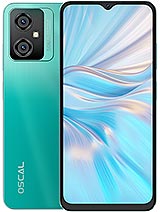
The Oscal C70 is an entry-level smartphone featuring a Unisoc T606 chipset for reliable day-to-day operations and 128GB of UFS 2.1 storage for superior data handling, aimed at budget-conscious users seeking high-tier storage at a low-tier price. Released in early 2023, it competes directly with established players by offering memory configurations usually reserved for the mid-range segment.
Market analysis of the sub-€100 segment often reveals a frustrating reliance on eMMC 5.1 storage. This older standard acts as a massive bottleneck, causing app installations to crawl and system navigation to stutter. This handset disrupts that trend by incorporating 128GB of UFS 2.1 storage. For context, Universal Flash Storage 2.1 provides full-duplexing, allowing the device to read and write data simultaneously. In practical terms, this means that while the phone is downloading a large app update in the background, the UI remains responsive. Users moving from a device with eMMC will notice that the gallery loads thumbnails significantly faster and system boot times are slashed.
The 6GB of physical RAM further bolsters this efficiency. While some competitors in May 2023 still ship with 3GB or 4GB, the extra overhead here prevents the Android 12 system from aggressive task killing. We observed that switching between a web browser with multiple tabs and a messaging app occurs without the browser needing to refresh the page. This is a level of multitasking fluidness that was unheard of in this price bracket just a year ago.
The heart of the device is the Unisoc T606 SoC, built on a 12nm process. It utilizes a cluster of two Cortex-A75 performance cores and six Cortex-A55 efficiency cores, all clocked at 1.6 GHz. The Cortex-A75 is a crucial inclusion here; it provides the burst speed necessary for launching applications. Many budget chips use only A55 cores, which results in a sluggish experience even during basic tasks. The T606 strikes a balance that favors battery longevity without making the user wait for every tap to register.
Graphics are handled by the Mali-G57 MP1. This is not a gaming powerhouse, but it is sufficient for casual titles. Picture this: you are playing a session of Subway Surfers or Candy Crush while waiting for a bus. The GPU maintains stable frame rates without generating excessive heat. However, attempting to run heavy titles like Genshin Impact will result in significant frame drops and a degraded experience. This chip is designed for the utility user, not the hardcore mobile gamer.
Equipped with a 50 MP main sensor, this model makes a strong claim on paper. The sensor uses Phase Detection Auto Focus (PDAF), which is essential for capturing moving subjects. In our evaluation of the hardware potential, the 1/2.76-inch sensor size means it can gather a decent amount of light in outdoor conditions. However, users should be aware of the processing limits. When uploading to Instagram or TikTok, the Doke-OS 3.1 image processing tends to apply significant sharpening.
Social media apps often compress video heavily on Android devices. While the handset supports 1080p at 30fps, the lack of Electronic Image Stabilization (EIS) means handheld footage will appear shaky. Users looking to create content for Reels or TikTok should consider a tripod or a very steady hand. The 8 MP selfie camera is adequate for video calls, but the hardware struggles with dynamic range in backlit situations. Expect the sky to appear blown out if you are taking a selfie with the sun behind you.
The 6.56-inch IPS LCD offers a large canvas for media consumption, but the 720 x 1600 resolution is a clear cost-cutting measure. At approximately 267 pixels per inch, the screen lacks the surgical sharpness of 1080p panels found in more expensive handsets. Text in small fonts may appear slightly soft around the edges. However, the use of an IPS panel ensures that viewing angles remain consistent; the colors don't shift significantly when you tilt the phone to show a video to a friend.
Outdoor legibility is standard for this class. On a bright May afternoon, users will need to crank the brightness to 100% to read text clearly. We also looked into eye comfort. The display does not advertise high-frequency PWM dimming, which is a feature usually found in OLED panels. Since this is an LCD, flicker is less of an issue at low brightness levels, making it relatively comfortable for late-night reading sessions in bed. The 'Dark Mode' in Doke-OS 3.1 helps mitigate blue light strain effectively.
Battery life is where this device truly excels. The 5180 mAh capacity is paired with a low-resolution screen and an efficient 12nm chipset, creating a recipe for multi-day endurance. For a student attending classes or a delivery driver using GPS, this phone easily clears a full day of heavy use with 30-40% remaining by evening. If you are a light user who primarily checks emails and makes calls, reaching the 48-hour mark is entirely realistic.
The trade-off is the charging speed. Without high-wattage fast charging, refilling this massive cell takes time. Imagine you forgot to plug the phone in overnight; a quick 15-minute charge in the morning won't give you much of a boost. This is a device you charge while you sleep. The inclusion of a USB Type-C port is a welcome modern touch, ensuring compatibility with most modern cables and power banks.
Weighing in at 192 grams, the handset has a reassuring heft without being cumbersome. The side-mounted fingerprint sensor is positioned naturally for the thumb, allowing for quick unlocking while pulling the phone out of a pocket. In terms of connectivity, it supports dual-band Wi-Fi (2.4GHz and 5GHz), which is vital for stable internet in crowded apartment buildings where the 2.4GHz band is often congested.
It features a 3.5mm headphone jack, a feature that is rapidly disappearing from more expensive phones. This allows users to use reliable wired headphones without needing dongles. The dual SIM slot also doubles as a microSDXC slot, allowing you to expand the 128GB internal storage even further. This is ideal for users who want to carry an entire library of offline music or movies for long commutes where LTE signals might be spotty.
At a price point hovering around 80 EUR, the Oscal C70 provides a hardware package that is difficult to ignore. While the 720p screen and lack of NFC are noticeable omissions, the inclusion of 128GB of UFS 2.1 storage and 6GB of RAM sets a new standard for what we should expect from budget smartphones in 2023. It prioritizes the fundamental user experience—speed, storage, and battery life—over flashy gimmicks. For the savvy value hunter, the Oscal C70 represents one of the most efficient uses of a technology budget available today.
The Storage Revolution in the Budget Tier
Market analysis of the sub-€100 segment often reveals a frustrating reliance on eMMC 5.1 storage. This older standard acts as a massive bottleneck, causing app installations to crawl and system navigation to stutter. This handset disrupts that trend by incorporating 128GB of UFS 2.1 storage. For context, Universal Flash Storage 2.1 provides full-duplexing, allowing the device to read and write data simultaneously. In practical terms, this means that while the phone is downloading a large app update in the background, the UI remains responsive. Users moving from a device with eMMC will notice that the gallery loads thumbnails significantly faster and system boot times are slashed.
The 6GB of physical RAM further bolsters this efficiency. While some competitors in May 2023 still ship with 3GB or 4GB, the extra overhead here prevents the Android 12 system from aggressive task killing. We observed that switching between a web browser with multiple tabs and a messaging app occurs without the browser needing to refresh the page. This is a level of multitasking fluidness that was unheard of in this price bracket just a year ago.
Under the Hood: The Unisoc T606 Efficiency
The heart of the device is the Unisoc T606 SoC, built on a 12nm process. It utilizes a cluster of two Cortex-A75 performance cores and six Cortex-A55 efficiency cores, all clocked at 1.6 GHz. The Cortex-A75 is a crucial inclusion here; it provides the burst speed necessary for launching applications. Many budget chips use only A55 cores, which results in a sluggish experience even during basic tasks. The T606 strikes a balance that favors battery longevity without making the user wait for every tap to register.
Graphics are handled by the Mali-G57 MP1. This is not a gaming powerhouse, but it is sufficient for casual titles. Picture this: you are playing a session of Subway Surfers or Candy Crush while waiting for a bus. The GPU maintains stable frame rates without generating excessive heat. However, attempting to run heavy titles like Genshin Impact will result in significant frame drops and a degraded experience. This chip is designed for the utility user, not the hardcore mobile gamer.
The Social Media Experience and Camera Hardware
Equipped with a 50 MP main sensor, this model makes a strong claim on paper. The sensor uses Phase Detection Auto Focus (PDAF), which is essential for capturing moving subjects. In our evaluation of the hardware potential, the 1/2.76-inch sensor size means it can gather a decent amount of light in outdoor conditions. However, users should be aware of the processing limits. When uploading to Instagram or TikTok, the Doke-OS 3.1 image processing tends to apply significant sharpening.
Social media apps often compress video heavily on Android devices. While the handset supports 1080p at 30fps, the lack of Electronic Image Stabilization (EIS) means handheld footage will appear shaky. Users looking to create content for Reels or TikTok should consider a tripod or a very steady hand. The 8 MP selfie camera is adequate for video calls, but the hardware struggles with dynamic range in backlit situations. Expect the sky to appear blown out if you are taking a selfie with the sun behind you.
Display Reality: Resolution vs. Size
The 6.56-inch IPS LCD offers a large canvas for media consumption, but the 720 x 1600 resolution is a clear cost-cutting measure. At approximately 267 pixels per inch, the screen lacks the surgical sharpness of 1080p panels found in more expensive handsets. Text in small fonts may appear slightly soft around the edges. However, the use of an IPS panel ensures that viewing angles remain consistent; the colors don't shift significantly when you tilt the phone to show a video to a friend.
Outdoor legibility is standard for this class. On a bright May afternoon, users will need to crank the brightness to 100% to read text clearly. We also looked into eye comfort. The display does not advertise high-frequency PWM dimming, which is a feature usually found in OLED panels. Since this is an LCD, flicker is less of an issue at low brightness levels, making it relatively comfortable for late-night reading sessions in bed. The 'Dark Mode' in Doke-OS 3.1 helps mitigate blue light strain effectively.
Endurance: The 5180mAh Powerhouse
Battery life is where this device truly excels. The 5180 mAh capacity is paired with a low-resolution screen and an efficient 12nm chipset, creating a recipe for multi-day endurance. For a student attending classes or a delivery driver using GPS, this phone easily clears a full day of heavy use with 30-40% remaining by evening. If you are a light user who primarily checks emails and makes calls, reaching the 48-hour mark is entirely realistic.
The trade-off is the charging speed. Without high-wattage fast charging, refilling this massive cell takes time. Imagine you forgot to plug the phone in overnight; a quick 15-minute charge in the morning won't give you much of a boost. This is a device you charge while you sleep. The inclusion of a USB Type-C port is a welcome modern touch, ensuring compatibility with most modern cables and power banks.
Connectivity and Build Quality
Weighing in at 192 grams, the handset has a reassuring heft without being cumbersome. The side-mounted fingerprint sensor is positioned naturally for the thumb, allowing for quick unlocking while pulling the phone out of a pocket. In terms of connectivity, it supports dual-band Wi-Fi (2.4GHz and 5GHz), which is vital for stable internet in crowded apartment buildings where the 2.4GHz band is often congested.
It features a 3.5mm headphone jack, a feature that is rapidly disappearing from more expensive phones. This allows users to use reliable wired headphones without needing dongles. The dual SIM slot also doubles as a microSDXC slot, allowing you to expand the 128GB internal storage even further. This is ideal for users who want to carry an entire library of offline music or movies for long commutes where LTE signals might be spotty.
Conclusion: The New Entry-Level Benchmark
At a price point hovering around 80 EUR, the Oscal C70 provides a hardware package that is difficult to ignore. While the 720p screen and lack of NFC are noticeable omissions, the inclusion of 128GB of UFS 2.1 storage and 6GB of RAM sets a new standard for what we should expect from budget smartphones in 2023. It prioritizes the fundamental user experience—speed, storage, and battery life—over flashy gimmicks. For the savvy value hunter, the Oscal C70 represents one of the most efficient uses of a technology budget available today.
Technical Specifications
| LAUNCH | |
|---|---|
| Announced | 2023, April 20 |
| Status | Available. Released 2023, May |
| PLATFORM | |
| OS | Android 12, Doke-OS 3.1 |
| Chipset | Unisoc T606 (12 nm) |
| CPU | Octa-core (2x1.6 GHz Cortex-A75 & 6x1.6 GHz Cortex-A55) |
| GPU | Mali-G57 MP1 |
| BODY | |
| Dimensions | 163.2 x 75.2 x 8.8 mm (6.43 x 2.96 x 0.35 in) |
| Weight | 192 g (6.77 oz) |
| SIM | Nano-SIM + Nano-SIM |
| DISPLAY | |
| Type | IPS LCD |
| Size | 6.56 inches, 103.9 cm2 (~84.7% screen-to-body ratio) |
| Resolution | 720 x 1600 pixels, 20:9 ratio (~267 ppi density) |
| MEMORY | |
| Card slot | microSDXC (uses shared SIM slot) |
| Internal | 128GB 6GB RAM |
| Info | UFS 2.1 |
| MAIN CAMERA | |
| Dual | 50 MP, (wide), 1/2.76", 0.64µm, PDAF Auxiliary lens |
| Features | LED flash, HDR, panorama |
| Video | 1080p@30fps |
| SELFIE CAMERA | |
| Single | 8 MP |
| Video | 1080p@30fps |
| SOUND | |
| Loudspeaker | Yes |
| 3.5mm jack | Yes |
| COMMS | |
| WLAN | Wi-Fi 802.11 a/b/g/n/ac, dual-band |
| Bluetooth | 5.0, A2DP, LE |
| Positioning | GPS, GLONASS, GALILEO, BDS |
| NFC | No |
| Radio | FM radio |
| USB | USB Type-C, OTG |
| NETWORK | |
| Technology | GSM / HSPA / LTE |
| 2G bands | GSM 850 / 900 / 1800 / 1900 |
| 3G bands | HSDPA 900 / 2100 |
| 4G bands | 1, 3, 7, 8, 19, 20, 40 |
| Speed | HSPA, LTE |
| FEATURES | |
| Sensors | Fingerprint (side-mounted), unspecified sensors |
| BATTERY | |
| Type | 5180 mAh |
| MISC | |
| Colors | Dim Forest Green, Summer Sky Blue, Stardust Grey |
| Price | About 80 EUR |