The Real Cost of Cheap - Why the Infinix Hot 30i Beats the Carrier Contract Trap
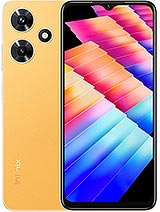
Overview
The Infinix Hot 30i is an entry-level smartphone featuring a 6.56-inch IPS LCD with a 90Hz refresh rate for enhanced visual fluidity and up to 8GB of physical RAM for superior background task retention, aimed at price-conscious consumers. Released in March 2023, it competes directly against the [Samsung Galaxy A14](/the-samsung-galaxy-a14-a-calculated-financial-move-for-smart-buyers/) and the Redmi 12C in the ultra-budget segment.
Many consumers gravitate toward carrier contracts that offer a "free" phone with a two-year commitment. From an economist's perspective, these deals often obscure the true cost of ownership through inflated monthly service fees. The Infinix Hot 30i represents a strategic alternative: an unlocked handset that allows for total carrier flexibility. By purchasing this model outright for roughly $120, users escape the interest-laden shackles of long-term financing. It provides the essential modern smartphone experience without the financial baggage associated with premium brands.
The hardware proposition here is surprisingly aggressive. In an era where budget devices often cut corners on memory, this model offers a version with 8GB of RAM paired with 128GB of internal storage. For a device in this price bracket, that is a significant market anomaly. It disrupts the traditional logic that cheap phones must be slow phones. It is a calculated move to appeal to students and first-time smartphone owners who prioritize longevity and usability over prestige.
Looking at the construction, the plastic frame and back are a logical choice for durability and cost-containment. While it lacks the tactile coldness of aluminum or the fragility of glass, the 191g weight gives the device a solid, non-hollow feel. The side-mounted fingerprint sensor is a massive improvement over rear-mounted alternatives found in older budget designs. It aligns with natural thumb placement, allowing for quick, one-handed entry into the OS.
The 6.56-inch display utilizes a 90Hz refresh rate. In March 2023, seeing high-refresh panels at this price point is becoming more common, but it remains a standout feature. While the resolution is capped at 720 x 1612 pixels, the increased smoothness of animations makes the entire interface feel more responsive than a 60Hz 1080p screen might on similar hardware. The 500 nits of peak brightness should suffice for indoor use, though direct sunlight will likely pose a challenge for legibility.
Performance is driven by the Unisoc T606 chipset. This 12nm octa-core silicon isn't designed for heavy gaming, but it manages daily operations like social media browsing and video calls with relative ease. The inclusion of two performance-oriented Cortex-A75 cores ensures that the UI doesn't stutter under standard loads. The 12nm process is efficient enough to prevent the device from heating up significantly during extended usage sessions, which is a common failure point in entry-level hardware.
RAM management is where the handset truly shines. With up to 8GB of RAM, the system can keep multiple apps open in the background without aggressive reloading. This is particularly beneficial for users who jump between messaging apps and web browsers. Furthermore, the use of UFS 2.2 storage instead of the slower eMMC 5.1 standard found in many rivals means that app installations and file transfers are noticeably quicker. It’s a subtle upgrade that has a profound impact on the daily user experience.
A 5000 mAh battery is the standard for 2023, and it performs admirably here. Given the 720p resolution and efficient chipset, many users will easily see two days of moderate use. However, the 18W wired charging speed is a bottleneck. In a world where [mid-range phones](/trend/best-mid-range-phones-2026/) are pushing 67W or even 120W, an 18W fill-up feels glacial. A full charge from zero to 100% will likely take well over two hours.
The charging ecosystem is at least modernized with a USB Type-C 2.0 port, ensuring compatibility with most modern cables. There is no wireless charging, which is expected at this price, but the inclusion of a 3.5mm headphone jack is a win for those who haven't yet transitioned to expensive Bluetooth earbuds. It allows for a low-cost audio setup that matches the budget-friendly nature of the phone itself.
The connectivity suite is surprisingly robust. While 5G is absent, the 4G LTE support covers the essential bands for global use. The Wi-Fi 5 (802.11ac) support allows for stable connections on both 2.4GHz and 5GHz bands, which is crucial for high-speed home internet. GPS accuracy is sufficient for navigation, though the compass might require occasional recalibration in dense urban environments.
One interesting addition is the NFC capability in specific regional variants of the Hot 30i. For a budget device, having NFC for contactless payments is a massive value-add in March 2023. It turns the phone into a functional digital wallet, a feature often reserved for more expensive handsets. Users should verify local model numbers to ensure they are getting the NFC-equipped version if mobile payments are a priority.
The camera system is best described as functional rather than creative. The 13 MP main sensor provides the hardware potential for decent daylight photography. It utilizes an f/1.9 aperture, which helps slightly in dimly lit indoor environments, but the 1/3.07" sensor size limits its dynamic range. This isn't a device for professional photography; it's a tool for capturing documents, QR codes, and the occasional outdoor snapshot.
Video recording is capped at 1080p at 30fps. Without optical image stabilization (OIS), handheld videos will appear shaky. The secondary "Auxiliary lens" is largely decorative, likely serving as a depth sensor for the software-driven portrait mode. The 8 MP selfie camera on the front is adequate for video calls, though it struggles with background exposure in bright conditions. It's a standard budget camera setup that meets expectations without exceeding them.
Ownership is the ultimate benefit here. By choosing the Infinix Hot 30i, a user is not tied to any single provider's ecosystem or pricing plan. The dual Nano-SIM slot allows for further optimization of costs—users can have one SIM for a cheap data plan and another for keeping an old phone number. This level of utility is rarely available through carrier-locked devices.
The software, XOS 10.6 based on Android 12, offers a variety of customization options. While it does come with some pre-installed applications, most can be disabled or uninstalled. The interface is optimized for the hardware, though users who prefer a "Clean" Android experience might find the aesthetic choices a bit polarizing. Ultimately, for the price of a few months of a high-end data plan, this model offers a complete, modern computing experience that is hard to ignore in the current economic climate.
The Infinix Hot 30i stands as a testament to how far budget technology has come. It prioritizes the right things—RAM, storage speed, and screen smoothness—while cutting back on things like camera resolution and premium materials that matter less for day-to-day productivity. For the value hunter, it is a surgical strike against the high costs of modern mobile life.
Rethinking the Carrier Subsidy
Many consumers gravitate toward carrier contracts that offer a "free" phone with a two-year commitment. From an economist's perspective, these deals often obscure the true cost of ownership through inflated monthly service fees. The Infinix Hot 30i represents a strategic alternative: an unlocked handset that allows for total carrier flexibility. By purchasing this model outright for roughly $120, users escape the interest-laden shackles of long-term financing. It provides the essential modern smartphone experience without the financial baggage associated with premium brands.
The hardware proposition here is surprisingly aggressive. In an era where budget devices often cut corners on memory, this model offers a version with 8GB of RAM paired with 128GB of internal storage. For a device in this price bracket, that is a significant market anomaly. It disrupts the traditional logic that cheap phones must be slow phones. It is a calculated move to appeal to students and first-time smartphone owners who prioritize longevity and usability over prestige.
Precision Engineering on a Budget
Looking at the construction, the plastic frame and back are a logical choice for durability and cost-containment. While it lacks the tactile coldness of aluminum or the fragility of glass, the 191g weight gives the device a solid, non-hollow feel. The side-mounted fingerprint sensor is a massive improvement over rear-mounted alternatives found in older budget designs. It aligns with natural thumb placement, allowing for quick, one-handed entry into the OS.
The 6.56-inch display utilizes a 90Hz refresh rate. In March 2023, seeing high-refresh panels at this price point is becoming more common, but it remains a standout feature. While the resolution is capped at 720 x 1612 pixels, the increased smoothness of animations makes the entire interface feel more responsive than a 60Hz 1080p screen might on similar hardware. The 500 nits of peak brightness should suffice for indoor use, though direct sunlight will likely pose a challenge for legibility.
The Efficiency of the Unisoc T606
Performance is driven by the Unisoc T606 chipset. This 12nm octa-core silicon isn't designed for heavy gaming, but it manages daily operations like social media browsing and video calls with relative ease. The inclusion of two performance-oriented Cortex-A75 cores ensures that the UI doesn't stutter under standard loads. The 12nm process is efficient enough to prevent the device from heating up significantly during extended usage sessions, which is a common failure point in entry-level hardware.
RAM management is where the handset truly shines. With up to 8GB of RAM, the system can keep multiple apps open in the background without aggressive reloading. This is particularly beneficial for users who jump between messaging apps and web browsers. Furthermore, the use of UFS 2.2 storage instead of the slower eMMC 5.1 standard found in many rivals means that app installations and file transfers are noticeably quicker. It’s a subtle upgrade that has a profound impact on the daily user experience.
Power Management and the Charging Wall
A 5000 mAh battery is the standard for 2023, and it performs admirably here. Given the 720p resolution and efficient chipset, many users will easily see two days of moderate use. However, the 18W wired charging speed is a bottleneck. In a world where [mid-range phones](/trend/best-mid-range-phones-2026/) are pushing 67W or even 120W, an 18W fill-up feels glacial. A full charge from zero to 100% will likely take well over two hours.
The charging ecosystem is at least modernized with a USB Type-C 2.0 port, ensuring compatibility with most modern cables. There is no wireless charging, which is expected at this price, but the inclusion of a 3.5mm headphone jack is a win for those who haven't yet transitioned to expensive Bluetooth earbuds. It allows for a low-cost audio setup that matches the budget-friendly nature of the phone itself.
Connectivity and Signal Reliability
The connectivity suite is surprisingly robust. While 5G is absent, the 4G LTE support covers the essential bands for global use. The Wi-Fi 5 (802.11ac) support allows for stable connections on both 2.4GHz and 5GHz bands, which is crucial for high-speed home internet. GPS accuracy is sufficient for navigation, though the compass might require occasional recalibration in dense urban environments.
One interesting addition is the NFC capability in specific regional variants of the Hot 30i. For a budget device, having NFC for contactless payments is a massive value-add in March 2023. It turns the phone into a functional digital wallet, a feature often reserved for more expensive handsets. Users should verify local model numbers to ensure they are getting the NFC-equipped version if mobile payments are a priority.
The Optics Perspective
The camera system is best described as functional rather than creative. The 13 MP main sensor provides the hardware potential for decent daylight photography. It utilizes an f/1.9 aperture, which helps slightly in dimly lit indoor environments, but the 1/3.07" sensor size limits its dynamic range. This isn't a device for professional photography; it's a tool for capturing documents, QR codes, and the occasional outdoor snapshot.
Video recording is capped at 1080p at 30fps. Without optical image stabilization (OIS), handheld videos will appear shaky. The secondary "Auxiliary lens" is largely decorative, likely serving as a depth sensor for the software-driven portrait mode. The 8 MP selfie camera on the front is adequate for video calls, though it struggles with background exposure in bright conditions. It's a standard budget camera setup that meets expectations without exceeding them.
The Freedom of Choice
Ownership is the ultimate benefit here. By choosing the Infinix Hot 30i, a user is not tied to any single provider's ecosystem or pricing plan. The dual Nano-SIM slot allows for further optimization of costs—users can have one SIM for a cheap data plan and another for keeping an old phone number. This level of utility is rarely available through carrier-locked devices.
The software, XOS 10.6 based on Android 12, offers a variety of customization options. While it does come with some pre-installed applications, most can be disabled or uninstalled. The interface is optimized for the hardware, though users who prefer a "Clean" Android experience might find the aesthetic choices a bit polarizing. Ultimately, for the price of a few months of a high-end data plan, this model offers a complete, modern computing experience that is hard to ignore in the current economic climate.
The Infinix Hot 30i stands as a testament to how far budget technology has come. It prioritizes the right things—RAM, storage speed, and screen smoothness—while cutting back on things like camera resolution and premium materials that matter less for day-to-day productivity. For the value hunter, it is a surgical strike against the high costs of modern mobile life.
Technical Specifications
| LAUNCH | |
|---|---|
| Announced | 2023, March 31 |
| Status | Available. Released 2023, March 31 |
| PLATFORM | |
| OS | Android 12, XOS 10.6 |
| Chipset | Unisoc T606 (12 nm) |
| CPU | Octa-core (2x1.6 GHz Cortex-A75 & 6x1.6 GHz Cortex-A55) |
| GPU | Mali-G57 MP1 |
| BODY | |
| Dimensions | 164 x 75.8 x 8.4 mm (6.46 x 2.98 x 0.33 in) |
| Weight | 191 g (6.74 oz) |
| Build | Glass front, plastic frame, plastic back |
| SIM | Nano-SIM + Nano-SIM |
| DISPLAY | |
| Type | IPS LCD, 90Hz, 500 nits (peak) |
| Size | 6.56 inches, 103.4 cm2 (~83.2% screen-to-body ratio) |
| Resolution | 720 x 1612 pixels, 20:9 ratio (~269 ppi density) |
| MEMORY | |
| Card slot | microSDXC (dedicated slot) |
| Internal | 64GB 4GB RAM, 128GB 4GB RAM, 128GB 8GB RAM |
| Info | UFS 2.2 |
| MAIN CAMERA | |
| Single | 13 MP, f/1.9, (wide), 1/3.07", AF Auxiliary lens |
| Features | Dual-LED flash, HDR, panorama |
| Video | 1080p@30fps |
| SELFIE CAMERA | |
| Single | 8 MP, f/2.0, (wide), 1/3.94" |
| Features | Dual-LED flash |
| Video | 1080p@30fps |
| SOUND | |
| Loudspeaker | Yes |
| 3.5mm jack | Yes |
| COMMS | |
| WLAN | Wi-Fi 802.11 a/b/g/n/ac, dual-band |
| Bluetooth | Yes |
| Positioning | GPS |
| NFC | Yes (Hot 30i NFC only) |
| Radio | FM radio |
| USB | USB Type-C 2.0, OTG |
| NETWORK | |
| Technology | GSM / HSPA / LTE |
| 2G bands | GSM 850 / 900 / 1800 / 1900 |
| 3G bands | HSDPA 850 / 900 / 1700(AWS) / 1900 / 2100 |
| 4G bands | 1, 2, 3, 4, 5, 7, 8, 20, 28, 38, 40, 41 |
| Speed | HSPA, LTE |
| FEATURES | |
| Sensors | Fingerprint (side-mounted), accelerometer, proximity, compass |
| BATTERY | |
| Type | 5000 mAh |
| Charging | 18W wired |
| MISC | |
| Colors | Mirror Black, Glacier Blue, Diamond White, Marigold |
| Models | X669, X669D |