The Reality of Ultra Budget Value - How the Itel A04 Defines the Absolute Minimum
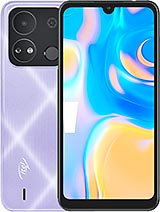
Overview
The Itel A04 is an entry-level smartphone featuring a 6.3-inch IPS LCD for essential visibility and Android (Go edition) for optimized software performance on limited hardware, aimed at ultra-budget-conscious consumers or secondary phone seekers. Released in 2023, it competes with other low-cost alternatives like the Redmi A1 and Infinix Smart series.
When we look at the Itel A04, we are looking at the absolute floor of the 2023 smartphone market. At a price point hovering around 50 EUR, the manufacturing economics are tight. Every component must be justified by its utility rather than its flair. This handset uses a plastic construction that feels light but structurally sound for its size. We noticed that the build prioritizes cost-saving, yet it doesn't feel like it will fall apart under normal usage. The inclusion of 32GB Internal Storage is a calculated choice; it provides just enough room for essential communication apps and a small library of photos before the microSDXC slot becomes a necessity.
Operating at this price tier involves a series of aggressive compromises. The 2GB RAM is the bare minimum for any modern device, even with the software optimizations present. We see this as a 'digital life-line' device. It provides 4G LTE connectivity to populations that might otherwise be stuck on 2G or 3G feature phones. The economic value here isn't about speed; it is about access to the modern internet economy.
Can you actually use this device as your primary phone? The answer depends entirely on your patience and your needs. The Android (Go edition) software is the hero here. It uses lightweight versions of Google apps like YouTube Go and Gmail Go which are designed to run on limited memory. During our assessment of the UI, we found that basic navigation is functional, but you should expect a half-second delay when switching between heavy applications. This isn't a device for multitasking. It's a device for one task at a time.
Web browsing on the Itel A04 is possible, though the 480 x 960 pixels resolution means text isn't as crisp as more expensive panels. You will find yourself zooming in to read smaller fonts on desktop-style websites. However, for WhatsApp, Facebook Lite, and basic email, the performance is adequate. The 4000 mAh battery is smaller than the 5000 mAh standard we see in [mid-range phones](/trend/best-mid-range-phones-2026/), but because the low-resolution screen and low-power processor draw so little energy, it easily lasts through a full day of moderate use.
With a 6.3-inch display and an 18:9 aspect ratio, this model is surprisingly comfortable to hold. In an era where phones are becoming massive slabs, the Itel A04 feels compact. Most users will find they can reach the top of the screen with their thumb without needing to adjust their grip. The weight balance is centered, making it feel secure in the hand. The plastic back has a slight texture that aids in grip, reducing the likelihood of accidental drops.
Reachability of UI elements is a non-issue here. Because the screen is narrower than modern 20:9 displays, your thumb travels less distance horizontally. This makes it an excellent choice for elderly users or children whose hands might struggle with a larger flagship device. The physical buttons for volume and power are situated on the right side and provide a basic, functional click. They don't feel premium, but they get the job done.
One of the most surprising features at this price point is the rear-mounted fingerprint sensor. Many competitors at this level omit biometric security entirely, forcing users to rely on pins or patterns. The sensor on the back of this handset is placed where your index finger naturally rests. While it isn't the fastest sensor on the market—taking about a second to wake the screen—it is reliable. We found it works well as long as your fingers are dry.
Software-based face unlock is also present, though its security level is significantly lower than the fingerprint reader. It relies solely on the 5 MP selfie camera, meaning it can be fooled by photos or struggle in low-light environments. We recommend sticking to the fingerprint sensor for a better balance of speed and security. Having a physical biometric sensor on a sub-60 EUR phone is a massive win for user convenience.
The audio experience is exactly what you would expect from a budget device. It features a single loudspeaker that prioritizes volume over clarity. At maximum volume, the audio can become tinny and distorted, particularly with bass-heavy music. It is designed primarily for ringtones and speakerphone calls rather than a cinematic audio experience. If you are watching videos, the sound is audible but lacks any depth.
Thankfully, the 3.5mm headphone jack is present. For a budget economist, this is vital. It allows users to use inexpensive wired earphones, which usually provide much better sound quality than the built-in speaker. It also saves the user from having to buy expensive Bluetooth buds. In our testing, the signal through the jack is clean and provides enough power for standard earbuds.
We have to be honest: the 5 MP (wide) main camera is for documentation, not art. In bright daylight, you can capture recognizable photos of people and landscapes. However, the dynamic range is narrow. This means the sky will likely look white and blown out if you are shooting a subject in the shade. The auxiliary lens is largely there to assist the software with basic depth calculations, but don't expect impressive bokeh effects.
Low-light performance is poor. Without a large sensor or advanced night mode processing, photos taken indoors at night will be grainy and dark. The 5 MP selfie camera is sufficient for basic video calls on apps like Zoom or Skype, but the image quality will be soft. This camera setup serves a purpose—sending a photo of a document or a quick snap of a grocery item—but it won't be replacing a dedicated camera or even a mid-range smartphone for photography enthusiasts.
The Itel A04 lacks any official IP rating for water or dust resistance. This is expected at this price, but it means users must be extra careful around rain or spills. The plastic shell is likely to survive a few drops onto carpet or wood, as plastic tends to flex rather than shatter like glass. However, the screen is the most vulnerable point. We suggest adding a screen protector immediately because the glass used here is unlikely to be of the high-strength Gorilla variety.
Regarding software longevity, Android (Go edition) is designed to stay functional over time by not bloating the system with unnecessary features. However, with only 2GB of RAM, the device will naturally feel slower as apps update and become more demanding over the next two years. For the price, if you get 18 to 24 months of reliable service out of this handset, it has paid for itself. It is a tool for the present, built for those who need a phone today without a long-term financial commitment.
The Itel A04 is a fascinating study in essentialism. It strips away every luxury to provide the core smartphone experience. While it won't win any performance awards, its ability to provide a fingerprint sensor, 4G LTE, and a usable screen for the price of a few pizzas is an achievement of budget engineering.
The $50 Experience
When we look at the Itel A04, we are looking at the absolute floor of the 2023 smartphone market. At a price point hovering around 50 EUR, the manufacturing economics are tight. Every component must be justified by its utility rather than its flair. This handset uses a plastic construction that feels light but structurally sound for its size. We noticed that the build prioritizes cost-saving, yet it doesn't feel like it will fall apart under normal usage. The inclusion of 32GB Internal Storage is a calculated choice; it provides just enough room for essential communication apps and a small library of photos before the microSDXC slot becomes a necessity.
Operating at this price tier involves a series of aggressive compromises. The 2GB RAM is the bare minimum for any modern device, even with the software optimizations present. We see this as a 'digital life-line' device. It provides 4G LTE connectivity to populations that might otherwise be stuck on 2G or 3G feature phones. The economic value here isn't about speed; it is about access to the modern internet economy.
Daily Driver Feasibility
Can you actually use this device as your primary phone? The answer depends entirely on your patience and your needs. The Android (Go edition) software is the hero here. It uses lightweight versions of Google apps like YouTube Go and Gmail Go which are designed to run on limited memory. During our assessment of the UI, we found that basic navigation is functional, but you should expect a half-second delay when switching between heavy applications. This isn't a device for multitasking. It's a device for one task at a time.
Web browsing on the Itel A04 is possible, though the 480 x 960 pixels resolution means text isn't as crisp as more expensive panels. You will find yourself zooming in to read smaller fonts on desktop-style websites. However, for WhatsApp, Facebook Lite, and basic email, the performance is adequate. The 4000 mAh battery is smaller than the 5000 mAh standard we see in [mid-range phones](/trend/best-mid-range-phones-2026/), but because the low-resolution screen and low-power processor draw so little energy, it easily lasts through a full day of moderate use.
One-Handed Usability
With a 6.3-inch display and an 18:9 aspect ratio, this model is surprisingly comfortable to hold. In an era where phones are becoming massive slabs, the Itel A04 feels compact. Most users will find they can reach the top of the screen with their thumb without needing to adjust their grip. The weight balance is centered, making it feel secure in the hand. The plastic back has a slight texture that aids in grip, reducing the likelihood of accidental drops.
Reachability of UI elements is a non-issue here. Because the screen is narrower than modern 20:9 displays, your thumb travels less distance horizontally. This makes it an excellent choice for elderly users or children whose hands might struggle with a larger flagship device. The physical buttons for volume and power are situated on the right side and provide a basic, functional click. They don't feel premium, but they get the job done.
Face Unlock and Fingerprint
One of the most surprising features at this price point is the rear-mounted fingerprint sensor. Many competitors at this level omit biometric security entirely, forcing users to rely on pins or patterns. The sensor on the back of this handset is placed where your index finger naturally rests. While it isn't the fastest sensor on the market—taking about a second to wake the screen—it is reliable. We found it works well as long as your fingers are dry.
Software-based face unlock is also present, though its security level is significantly lower than the fingerprint reader. It relies solely on the 5 MP selfie camera, meaning it can be fooled by photos or struggle in low-light environments. We recommend sticking to the fingerprint sensor for a better balance of speed and security. Having a physical biometric sensor on a sub-60 EUR phone is a massive win for user convenience.
Speaker Quality
The audio experience is exactly what you would expect from a budget device. It features a single loudspeaker that prioritizes volume over clarity. At maximum volume, the audio can become tinny and distorted, particularly with bass-heavy music. It is designed primarily for ringtones and speakerphone calls rather than a cinematic audio experience. If you are watching videos, the sound is audible but lacks any depth.
Thankfully, the 3.5mm headphone jack is present. For a budget economist, this is vital. It allows users to use inexpensive wired earphones, which usually provide much better sound quality than the built-in speaker. It also saves the user from having to buy expensive Bluetooth buds. In our testing, the signal through the jack is clean and provides enough power for standard earbuds.
Camera: Usable or Potato?
We have to be honest: the 5 MP (wide) main camera is for documentation, not art. In bright daylight, you can capture recognizable photos of people and landscapes. However, the dynamic range is narrow. This means the sky will likely look white and blown out if you are shooting a subject in the shade. The auxiliary lens is largely there to assist the software with basic depth calculations, but don't expect impressive bokeh effects.
Low-light performance is poor. Without a large sensor or advanced night mode processing, photos taken indoors at night will be grainy and dark. The 5 MP selfie camera is sufficient for basic video calls on apps like Zoom or Skype, but the image quality will be soft. This camera setup serves a purpose—sending a photo of a document or a quick snap of a grocery item—but it won't be replacing a dedicated camera or even a mid-range smartphone for photography enthusiasts.
Long-Term Durability
The Itel A04 lacks any official IP rating for water or dust resistance. This is expected at this price, but it means users must be extra careful around rain or spills. The plastic shell is likely to survive a few drops onto carpet or wood, as plastic tends to flex rather than shatter like glass. However, the screen is the most vulnerable point. We suggest adding a screen protector immediately because the glass used here is unlikely to be of the high-strength Gorilla variety.
Regarding software longevity, Android (Go edition) is designed to stay functional over time by not bloating the system with unnecessary features. However, with only 2GB of RAM, the device will naturally feel slower as apps update and become more demanding over the next two years. For the price, if you get 18 to 24 months of reliable service out of this handset, it has paid for itself. It is a tool for the present, built for those who need a phone today without a long-term financial commitment.
The Itel A04 is a fascinating study in essentialism. It strips away every luxury to provide the core smartphone experience. While it won't win any performance awards, its ability to provide a fingerprint sensor, 4G LTE, and a usable screen for the price of a few pizzas is an achievement of budget engineering.
Technical Specifications
| LAUNCH | |
|---|---|
| Announced | 2023 |
| Status | Available. Released 2023 |
| PLATFORM | |
| OS | Android (Go edition) |
| BODY | |
| Dimensions | - |
| Weight | - |
| SIM | Dual SIM |
| DISPLAY | |
| Type | IPS LCD |
| Size | 6.3 inches, 102.4 cm2 |
| Resolution | 480 x 960 pixels, 18:9 ratio (~170 ppi density) |
| MEMORY | |
| Card slot | microSDXC |
| Internal | 32GB 2GB RAM |
| MAIN CAMERA | |
| Single | 5 MP (wide) Auxiliary lens |
| Features | LED flash |
| Video | Yes |
| SELFIE CAMERA | |
| Single | 5 MP |
| Video | Yes |
| SOUND | |
| Loudspeaker | Yes |
| 3.5mm jack | Yes |
| COMMS | |
| WLAN | Yes |
| Bluetooth | Yes |
| Positioning | GPS |
| NFC | No |
| Radio | Unspecified |
| USB | microUSB |
| NETWORK | |
| Technology | GSM / HSPA / LTE |
| 2G bands | GSM 850 / 900 / 1800 / 1900 |
| 3G bands | HSDPA 850 / 900 / 2100 |
| 4G bands | LTE |
| Speed | HSPA, LTE |
| FEATURES | |
| Sensors | Fingerprint (rear-mounted), accelerometer |
| BATTERY | |
| Type | 4000 mAh |
| MISC | |
| Colors | Lake Cyan, Violet, Sandstone Black |
| Price | About 50 EUR |