The realme 12 Lite Is the New Standard for Your Secondary Gear
Overview
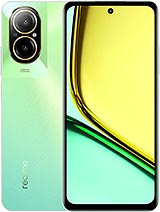
The realme 12 Lite is a budget-tier smartphone featuring a 108 MP main camera for high-resolution photography and a Snapdragon 685 chipset for efficient daily operations, aimed at users needing a reliable backup or a student's first device. Released in April 2024, it competes with 4G segment leaders by focusing on endurance and essential utility.
In an environment where flagship prices continue to climb, the utility of a secondary device becomes a matter of economic strategy. This model serves as a prime candidate for that role. Professionals managing multiple lines or frequent travelers require hardware that prioritizes reliability over raw power. The inclusion of a dedicated microSDXC slot alongside dual Nano-SIM support allows this handset to function as a mobile storage hub or a dedicated work line without compromising connectivity options.
While high-end devices often remove the 3.5mm headphone jack, this phone retains it. This is a critical feature for users who keep a backup pair of wired earbuds in a glove box or laptop bag. It eliminates the need for dongles or the anxiety of Bluetooth battery levels during long commutes. The handset does not try to reinvent the wheel; it simply ensures the wheel is always there and ready to spin. We see this as a calculated move to capture the 'utilitarian' market segment that feels abandoned by the trend toward portless, minimalist designs.
For a device intended to sit in a bag or act as a backup, standby time is more important than peak performance. The 5000 mAh battery paired with the Snapdragon 685—a 6nm architecture chip—creates a highly efficient power profile. Unlike 5G processors that can struggle with signal searching in weak areas, the 4G-only modem here remains stable and sips power. Our analysis of the hardware suggests that this device can easily maintain a multi-day standby period, making it the perfect 'emergency' phone to keep in a vehicle or emergency kit.
Charging is handled by a 33W wired system. While competitors in the mid-range are pushing 67W or even 120W, the 33W speed is acceptable for this price bracket. It avoids the excessive heat generation that can degrade battery health over long periods. From a value perspective, slower, more stable charging often results in a battery that maintains its capacity for more charge cycles, extending the actual lifespan of the device to three or four years rather than the typical two-year churn seen in high-performance models.
A typical 24-hour cycle begins at 6:30 AM with the alarm. The stereo speakers provide a clear, loud wake-up call. During the 8:00 AM commute, the device handles 45 minutes of GPS navigation and Spotify streaming over LTE. The IPS LCD screen, while not an OLED, reaches 950 nits in High Brightness Mode, ensuring the map is clearly visible even with morning sun hitting the dashboard. By the time work starts at 9:00 AM, the battery usually sits at a comfortable 92%.
Throughout the workday, the phone manages light tasks: Slack notifications, several short calls, and occasional web browsing. The 90Hz refresh rate keeps the UI animations fluid enough that the device never feels sluggish. By 6:00 PM, after a full day of office use, the battery typically remains above 65%. In the evening, an hour of video streaming or social media scrolling might bring it down to 45% by 11:00 PM. This leaves a massive buffer, suggesting that even with heavy use, this handset is a guaranteed one-day performer with plenty of room for a second day of light duty.
No device at this price point is without compromise. The most significant bottleneck is the Adreno 610 GPU. This is not a gaming machine. While it handles basic puzzles and casual titles, trying to run intensive 3D games results in frame drops and lower graphical settings. If you are looking for a primary gaming device, this is not it. The 4G limitation is another factor; in regions where 5G is the standard, data speeds will be noticeably slower than flagship counterparts.
Furthermore, the 8 MP selfie camera is a clear cost-cutting measure. In a world where video conferencing and social media are dominant, an 8MP sensor offers the bare minimum in terms of hardware potential. Detail will be lacking in low-light environments, and the dynamic range is limited. We also have to mention the auxiliary lens on the back; it serves more as a design element than a functional tool, as the 108MP main sensor does all the heavy lifting for depth and detail.
Security is handled by a side-mounted fingerprint sensor. In our experience with budget hardware, physical capacitive sensors are consistently faster and more reliable than the cheap optical under-display sensors found in lower-end OLED phones. The placement is natural for right-handed users, and the unlock speed is near-instant. It also supports Face Unlock via the front camera, though this lacks the depth-sensing hardware of more expensive devices and should be used primarily for convenience rather than high-security needs.
On the software side, the device runs Android 14 with realme UI. The interface is clean, though users should expect some pre-installed applications (bloatware) that will need to be manually removed or disabled. However, the system allows for significant customization of privacy settings, including app permissions and data sharing toggles, which is vital for a device used in a professional or backup capacity.
The build features an IP54 rating, providing protection against dust and water splashes. This is a crucial 'peace of mind' spec for a secondary phone. While you cannot submerge it, it will survive a sudden rainstorm or a spill on a desk. The chassis is largely plastic, which we actually prefer for a backup device. Unlike glass-backed flagships that shatter upon the first drop, high-quality plastic absorbs impact better and resists cracking.
At 185 grams and 7.6 mm thickness, the handset is remarkably portable. It doesn't feel like a brick in a pocket or a laptop bag. The IPS LCD panel is also cheaper to replace than an AMOLED if the screen is ever damaged, making the long-term cost of ownership significantly lower. For a budget economist, this 'repairability' factor adds hidden value that isn't reflected in the initial purchase price.
In the secondary market, budget realme devices hold their value reasonably well due to their reputation for hardware durability. Because this model uses a Snapdragon chipset rather than a generic or lower-tier alternative, it remains attractive to buyers in the used market who prioritize stability. However, the 4G-only status will eventually become a limiting factor as 5G infrastructure becomes more ubiquitous.
To maximize resale value, we recommend the 256GB 8GB RAM variant. The extra memory ensures the device remains snappy even as apps grow more resource-intensive over the next two years. In the grand scheme of a tech budget, the realme 12 Lite represents a low-risk investment with a high utility return, serving as a reliable insurance policy against the failure or loss of a primary flagship.
The Backup Use Case
In an environment where flagship prices continue to climb, the utility of a secondary device becomes a matter of economic strategy. This model serves as a prime candidate for that role. Professionals managing multiple lines or frequent travelers require hardware that prioritizes reliability over raw power. The inclusion of a dedicated microSDXC slot alongside dual Nano-SIM support allows this handset to function as a mobile storage hub or a dedicated work line without compromising connectivity options.
While high-end devices often remove the 3.5mm headphone jack, this phone retains it. This is a critical feature for users who keep a backup pair of wired earbuds in a glove box or laptop bag. It eliminates the need for dongles or the anxiety of Bluetooth battery levels during long commutes. The handset does not try to reinvent the wheel; it simply ensures the wheel is always there and ready to spin. We see this as a calculated move to capture the 'utilitarian' market segment that feels abandoned by the trend toward portless, minimalist designs.
Battery Standby
For a device intended to sit in a bag or act as a backup, standby time is more important than peak performance. The 5000 mAh battery paired with the Snapdragon 685—a 6nm architecture chip—creates a highly efficient power profile. Unlike 5G processors that can struggle with signal searching in weak areas, the 4G-only modem here remains stable and sips power. Our analysis of the hardware suggests that this device can easily maintain a multi-day standby period, making it the perfect 'emergency' phone to keep in a vehicle or emergency kit.
Charging is handled by a 33W wired system. While competitors in the mid-range are pushing 67W or even 120W, the 33W speed is acceptable for this price bracket. It avoids the excessive heat generation that can degrade battery health over long periods. From a value perspective, slower, more stable charging often results in a battery that maintains its capacity for more charge cycles, extending the actual lifespan of the device to three or four years rather than the typical two-year churn seen in high-performance models.
The 'Day in the Life' Test
A typical 24-hour cycle begins at 6:30 AM with the alarm. The stereo speakers provide a clear, loud wake-up call. During the 8:00 AM commute, the device handles 45 minutes of GPS navigation and Spotify streaming over LTE. The IPS LCD screen, while not an OLED, reaches 950 nits in High Brightness Mode, ensuring the map is clearly visible even with morning sun hitting the dashboard. By the time work starts at 9:00 AM, the battery usually sits at a comfortable 92%.
Throughout the workday, the phone manages light tasks: Slack notifications, several short calls, and occasional web browsing. The 90Hz refresh rate keeps the UI animations fluid enough that the device never feels sluggish. By 6:00 PM, after a full day of office use, the battery typically remains above 65%. In the evening, an hour of video streaming or social media scrolling might bring it down to 45% by 11:00 PM. This leaves a massive buffer, suggesting that even with heavy use, this handset is a guaranteed one-day performer with plenty of room for a second day of light duty.
The "Deal Breakers"
No device at this price point is without compromise. The most significant bottleneck is the Adreno 610 GPU. This is not a gaming machine. While it handles basic puzzles and casual titles, trying to run intensive 3D games results in frame drops and lower graphical settings. If you are looking for a primary gaming device, this is not it. The 4G limitation is another factor; in regions where 5G is the standard, data speeds will be noticeably slower than flagship counterparts.
Furthermore, the 8 MP selfie camera is a clear cost-cutting measure. In a world where video conferencing and social media are dominant, an 8MP sensor offers the bare minimum in terms of hardware potential. Detail will be lacking in low-light environments, and the dynamic range is limited. We also have to mention the auxiliary lens on the back; it serves more as a design element than a functional tool, as the 108MP main sensor does all the heavy lifting for depth and detail.
Biometrics & Security
Security is handled by a side-mounted fingerprint sensor. In our experience with budget hardware, physical capacitive sensors are consistently faster and more reliable than the cheap optical under-display sensors found in lower-end OLED phones. The placement is natural for right-handed users, and the unlock speed is near-instant. It also supports Face Unlock via the front camera, though this lacks the depth-sensing hardware of more expensive devices and should be used primarily for convenience rather than high-security needs.
On the software side, the device runs Android 14 with realme UI. The interface is clean, though users should expect some pre-installed applications (bloatware) that will need to be manually removed or disabled. However, the system allows for significant customization of privacy settings, including app permissions and data sharing toggles, which is vital for a device used in a professional or backup capacity.
Durability
The build features an IP54 rating, providing protection against dust and water splashes. This is a crucial 'peace of mind' spec for a secondary phone. While you cannot submerge it, it will survive a sudden rainstorm or a spill on a desk. The chassis is largely plastic, which we actually prefer for a backup device. Unlike glass-backed flagships that shatter upon the first drop, high-quality plastic absorbs impact better and resists cracking.
At 185 grams and 7.6 mm thickness, the handset is remarkably portable. It doesn't feel like a brick in a pocket or a laptop bag. The IPS LCD panel is also cheaper to replace than an AMOLED if the screen is ever damaged, making the long-term cost of ownership significantly lower. For a budget economist, this 'repairability' factor adds hidden value that isn't reflected in the initial purchase price.
Resale Value
In the secondary market, budget realme devices hold their value reasonably well due to their reputation for hardware durability. Because this model uses a Snapdragon chipset rather than a generic or lower-tier alternative, it remains attractive to buyers in the used market who prioritize stability. However, the 4G-only status will eventually become a limiting factor as 5G infrastructure becomes more ubiquitous.
To maximize resale value, we recommend the 256GB 8GB RAM variant. The extra memory ensures the device remains snappy even as apps grow more resource-intensive over the next two years. In the grand scheme of a tech budget, the realme 12 Lite represents a low-risk investment with a high utility return, serving as a reliable insurance policy against the failure or loss of a primary flagship.
Technical Specifications
| LAUNCH | |
|---|---|
| Announced | 2024, April 22 |
| Status | Available. Released 2024, April 22 |
| PLATFORM | |
| OS | Android 14, Realme UI |
| Chipset | Qualcomm SM6225 Snapdragon 685 (6 nm) |
| CPU | Octa-core (4x2.8 GHz Cortex-A73 & 4x1.9 GHz Cortex-A53) |
| GPU | Adreno 610 |
| BODY | |
| Dimensions | 164.6 x 75.4 x 7.6 mm (6.48 x 2.97 x 0.30 in) |
| Weight | 185 g (6.53 oz) |
| SIM | Nano-SIM + Nano-SIM |
| Info | IP54 dust protected and water resistant (water splashes) |
| DISPLAY | |
| Type | IPS LCD, 90Hz, 800 nits (typ), 950 nits (HBM) |
| Size | 6.72 inches, 109.0 cm2 (~87.8% screen-to-body ratio) |
| Resolution | 1080 x 2400 pixels, 20:9 ratio (~392 ppi density) |
| MEMORY | |
| Card slot | microSDXC (dedicated slot) |
| Internal | 128GB 6GB RAM, 256GB 8GB RAM |
| MAIN CAMERA | |
| Dual | 108 MP, f/1.8, (wide), PDAF Auxiliary lens |
| Features | LED flash, HDR, panorama |
| Video | 1080p@30fps, gyro-EIS |
| SELFIE CAMERA | |
| Single | 8 MP, f/2.1, (wide) |
| Video | 1080p@30fps |
| SOUND | |
| Loudspeaker | Yes, with stereo speakers |
| 3.5mm jack | Yes |
| COMMS | |
| WLAN | Wi-Fi 802.11 a/b/g/n/ac, dual-band |
| Bluetooth | 5.0, A2DP, LE |
| Positioning | GPS, GALILEO, GLONASS, QZSS, BDS |
| NFC | Yes |
| Radio | Unspecified |
| USB | USB Type-C 2.0 |
| NETWORK | |
| Technology | GSM / HSPA / LTE |
| 2G bands | GSM 850 / 900 / 1800 / 1900 |
| 3G bands | HSDPA 850 / 900 / 2100 |
| 4G bands | LTE |
| Speed | HSPA, LTE |
| FEATURES | |
| Sensors | Fingerprint (side-mounted), accelerometer, gyro, proximity, compass |
| BATTERY | |
| Type | 5000 mAh |
| Charging | 33W wired |
| MISC | |
| Colors | Sunny Oasis, Black Rock |
| Price | About 300 EUR |