The Realme Pad 2 Lite Is the Smartest Value Play for a Secondary Screen
Overview
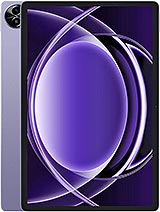
The Realme Pad 2 Lite is a budget-tier media tablet featuring a 10.95-inch 90Hz IPS LCD for smooth scrolling and an 8300 mAh battery for extended endurance, aimed at students and professionals seeking a secondary companion. Released in September 2024, it competes directly with the [Samsung Galaxy Tab A9](/compact-productivity-champion-why-students-should-buy-the-samsung-galaxy-tab-a9/)+ and the Redmi Pad SE, offering a specific balance between screen real estate and battery longevity.
We often see manufacturers trying to convince users that a tablet can replace a laptop. This device makes no such claim. Instead, it positions itself as the perfect secondary screen. At approximately 160 EUR, the hardware represents a calculated trade-off. It avoids the high costs of OLED panels or top-tier silicon to focus on what matters for a backup unit: stability and longevity. When the primary phone is charging or the laptop is too bulky for a coffee table, this slab fills the gap effortlessly.
Equipped with the Mediatek Helio G99 (6 nm) chipset, the tablet handles the basic pillars of modern consumption—streaming, browsing, and light document editing—without the stuttering found in cheaper Unisoc-based alternatives. The choice of a 6nm process is vital here. It ensures that heat remains manageable even during two-hour Netflix sessions. In a market saturated with underpowered 'lite' models, choosing a G99 is an economist's dream, providing the best performance-to-price ratio available in late 2024.
The 8300 mAh battery is the undisputed anchor of this hardware package. For a device with a 10.95-inch screen, this capacity is generous. We found that in standby mode, the tablet can sit on a desk for nearly a week and still have enough juice for a full feature-length film. This is the hallmark of a great secondary device. It doesn't require the daily anxiety of a charging cable. You can leave it in a backpack and trust it will work when you finally need it.
However, the 15W wired charging speed is a significant bottleneck. When dealing with over 8000 mAh of capacity, a 15W intake is glacially slow. Expect to leave the tablet plugged in overnight, as a full charge from zero to 100% can easily exceed three and a half hours. This isn't a device you 'top up' before heading to a meeting. It requires a planned charging schedule, which is the price we pay for the entry-level cost.
Running Android 14 with Realme UI 5.0 for Pad, the user interface feels surprisingly optimized for the larger canvas. The software allows for split-screen multitasking that feels natural on a 10.95-inch display. While the 4GB RAM base model might struggle with more than three heavy apps open simultaneously, the 8GB variant offers enough headroom for a smooth experience. The 90Hz refresh rate plays a massive role here, making the system animations feel more premium than the price tag suggests.
Bloatware remains a minor annoyance, as is common with Realme devices. We noticed several pre-installed applications that serve little purpose other than taking up storage. Fortunately, most of these can be uninstalled or disabled. For a student using this for PDF annotations or a commuter watching YouTube, the software stays out of the way once the initial cleanup is performed. The 16:10 aspect ratio is particularly effective for reading digital textbooks or wide-format spreadsheets.
The IPS LCD panel provides 10.95 inches of workspace with a resolution of 1200 x 1920 pixels. At 207 ppi, the sharpness is adequate for video but might reveal some pixelation when reading very fine text. The 450 nits peak brightness means this tablet is strictly an indoor performer. If you attempt to use it on a sunny balcony, the reflections will quickly overpower the backlight. Within a living room or office environment, however, the 1B colors support ensures that media looks vibrant and punchy.
We must mention the 90Hz refresh rate as a standout feature. Most budget tablets are still stuck at 60Hz, which can feel jarring once you've used a modern smartphone. The extra frames make scrolling through social media feeds or long web articles feel fluid. It bridges the gap between 'cheap' and 'functional' in a way that truly matters for the end-user experience.
Realme included stereo speakers (4 speakers), which is a massive win for media lovers. The audio separation is distinct, providing a wide soundstage when the tablet is held in landscape mode. It easily fills a small room with sound. While it lacks the deep bass of a premium iPad Pro, the mids and highs are clear enough for dialogue and acoustic music. Surprisingly, the 3.5mm jack is absent. This is a frustrating omission for a budget device where users are more likely to own wired headphones. You will need a USB-C dongle or Bluetooth 5.2 earbuds.
The vibration motor is standard for this price tier. It provides basic feedback for typing but lacks the precision 'clicks' of high-end haptics. It feels more like a buzz than a tap. For a tablet, this is rarely a dealbreaker, as most users disable haptic feedback to save battery and reduce noise during quiet study sessions.
At 525g and 8.3mm thickness, the tablet has a substantial presence. It feels sturdy enough to survive being tossed into a gym bag. The build material is primarily high-quality plastic, which helps keep the weight down compared to a full-metal chassis. While it doesn't feel 'expensive', it also doesn't feel fragile. The lack of a glass back is actually a benefit for a secondary device, as it's less prone to shattering if dropped on a carpeted floor.
There is no official IP rating for water or dust resistance. This means you should keep it away from the pool or the kitchen sink. The 258 x 169.5 mm dimensions make it slightly wider than some competitors, which is excellent for split-screen work but might make one-handed reading difficult for those with smaller hands. It is very much a two-handed device.
In the world of budget Android tablets, depreciation is aggressive. Unlike an iPad, which holds its value for years, the Realme Pad 2 Lite will likely lose 40% of its market value within the first twelve months. However, the initial buy-in is so low that the absolute loss in currency is minimal. For an economist, the 'cost per year' of ownership over a three-year lifespan is incredibly low—roughly 50 EUR per year. This makes it an easy 'write-off' for a business or a low-risk gift for a child.
Ultimately, the Realme Pad 2 Lite serves its purpose by focusing on the fundamentals of the budget market: a big screen, a big battery, and enough power to keep from being frustrating. It is a utilitarian tool designed for the modern multi-screen lifestyle, proving that you don't need to spend 500 EUR to get a competent digital companion.
The Tactical Logic of the Secondary Device
We often see manufacturers trying to convince users that a tablet can replace a laptop. This device makes no such claim. Instead, it positions itself as the perfect secondary screen. At approximately 160 EUR, the hardware represents a calculated trade-off. It avoids the high costs of OLED panels or top-tier silicon to focus on what matters for a backup unit: stability and longevity. When the primary phone is charging or the laptop is too bulky for a coffee table, this slab fills the gap effortlessly.
Equipped with the Mediatek Helio G99 (6 nm) chipset, the tablet handles the basic pillars of modern consumption—streaming, browsing, and light document editing—without the stuttering found in cheaper Unisoc-based alternatives. The choice of a 6nm process is vital here. It ensures that heat remains manageable even during two-hour Netflix sessions. In a market saturated with underpowered 'lite' models, choosing a G99 is an economist's dream, providing the best performance-to-price ratio available in late 2024.
The Endurance Proposition
The 8300 mAh battery is the undisputed anchor of this hardware package. For a device with a 10.95-inch screen, this capacity is generous. We found that in standby mode, the tablet can sit on a desk for nearly a week and still have enough juice for a full feature-length film. This is the hallmark of a great secondary device. It doesn't require the daily anxiety of a charging cable. You can leave it in a backpack and trust it will work when you finally need it.
However, the 15W wired charging speed is a significant bottleneck. When dealing with over 8000 mAh of capacity, a 15W intake is glacially slow. Expect to leave the tablet plugged in overnight, as a full charge from zero to 100% can easily exceed three and a half hours. This isn't a device you 'top up' before heading to a meeting. It requires a planned charging schedule, which is the price we pay for the entry-level cost.
Software Fluidity and the Daily Grind
Running Android 14 with Realme UI 5.0 for Pad, the user interface feels surprisingly optimized for the larger canvas. The software allows for split-screen multitasking that feels natural on a 10.95-inch display. While the 4GB RAM base model might struggle with more than three heavy apps open simultaneously, the 8GB variant offers enough headroom for a smooth experience. The 90Hz refresh rate plays a massive role here, making the system animations feel more premium than the price tag suggests.
Bloatware remains a minor annoyance, as is common with Realme devices. We noticed several pre-installed applications that serve little purpose other than taking up storage. Fortunately, most of these can be uninstalled or disabled. For a student using this for PDF annotations or a commuter watching YouTube, the software stays out of the way once the initial cleanup is performed. The 16:10 aspect ratio is particularly effective for reading digital textbooks or wide-format spreadsheets.
Visuals and the IPS Trade-off
The IPS LCD panel provides 10.95 inches of workspace with a resolution of 1200 x 1920 pixels. At 207 ppi, the sharpness is adequate for video but might reveal some pixelation when reading very fine text. The 450 nits peak brightness means this tablet is strictly an indoor performer. If you attempt to use it on a sunny balcony, the reflections will quickly overpower the backlight. Within a living room or office environment, however, the 1B colors support ensures that media looks vibrant and punchy.
We must mention the 90Hz refresh rate as a standout feature. Most budget tablets are still stuck at 60Hz, which can feel jarring once you've used a modern smartphone. The extra frames make scrolling through social media feeds or long web articles feel fluid. It bridges the gap between 'cheap' and 'functional' in a way that truly matters for the end-user experience.
Audio Architecture and Haptics
Realme included stereo speakers (4 speakers), which is a massive win for media lovers. The audio separation is distinct, providing a wide soundstage when the tablet is held in landscape mode. It easily fills a small room with sound. While it lacks the deep bass of a premium iPad Pro, the mids and highs are clear enough for dialogue and acoustic music. Surprisingly, the 3.5mm jack is absent. This is a frustrating omission for a budget device where users are more likely to own wired headphones. You will need a USB-C dongle or Bluetooth 5.2 earbuds.
The vibration motor is standard for this price tier. It provides basic feedback for typing but lacks the precision 'clicks' of high-end haptics. It feels more like a buzz than a tap. For a tablet, this is rarely a dealbreaker, as most users disable haptic feedback to save battery and reduce noise during quiet study sessions.
Durability and Physical Footprint
At 525g and 8.3mm thickness, the tablet has a substantial presence. It feels sturdy enough to survive being tossed into a gym bag. The build material is primarily high-quality plastic, which helps keep the weight down compared to a full-metal chassis. While it doesn't feel 'expensive', it also doesn't feel fragile. The lack of a glass back is actually a benefit for a secondary device, as it's less prone to shattering if dropped on a carpeted floor.
There is no official IP rating for water or dust resistance. This means you should keep it away from the pool or the kitchen sink. The 258 x 169.5 mm dimensions make it slightly wider than some competitors, which is excellent for split-screen work but might make one-handed reading difficult for those with smaller hands. It is very much a two-handed device.
The Economics of Resale Value
In the world of budget Android tablets, depreciation is aggressive. Unlike an iPad, which holds its value for years, the Realme Pad 2 Lite will likely lose 40% of its market value within the first twelve months. However, the initial buy-in is so low that the absolute loss in currency is minimal. For an economist, the 'cost per year' of ownership over a three-year lifespan is incredibly low—roughly 50 EUR per year. This makes it an easy 'write-off' for a business or a low-risk gift for a child.
Ultimately, the Realme Pad 2 Lite serves its purpose by focusing on the fundamentals of the budget market: a big screen, a big battery, and enough power to keep from being frustrating. It is a utilitarian tool designed for the modern multi-screen lifestyle, proving that you don't need to spend 500 EUR to get a competent digital companion.
Technical Specifications
| LAUNCH | |
|---|---|
| Announced | 2024, September 13 |
| Status | Available. Released 2024, September 26 |
| PLATFORM | |
| OS | Android 14, Realme UI 5.0 for Pad |
| Chipset | Mediatek Helio G99 (6 nm) |
| CPU | Octa-core (2x2.2 GHz Cortex-A76 & 6x2.0 GHz Cortex-A55) |
| GPU | Mali-G57 MC2 |
| BODY | |
| Dimensions | 258 x 169.5 x 8.3 mm (10.16 x 6.67 x 0.33 in) |
| Weight | 525 g (1.16 lb) |
| SIM | No |
| DISPLAY | |
| Type | IPS LCD, 1B colors, 90Hz, 450 nits (peak) |
| Size | 10.95 inches, 347.7 cm2 (~79.5% screen-to-body ratio) |
| Resolution | 1200 x 1920 pixels, 16:10 ratio (~207 ppi density) |
| MEMORY | |
| Card slot | Unspecified |
| Internal | 128GB 4GB RAM, 128GB 8GB RAM |
| MAIN CAMERA | |
| Single | 8 MP, f/2.0 |
| Features | Panorama |
| Video | 1080p@30fps |
| SELFIE CAMERA | |
| Single | 5 MP, f/2.2 |
| Features | Panorama |
| Video | 1080p@30fps |
| SOUND | |
| Loudspeaker | Yes, with stereo speakers (4 speakers) |
| 3.5mm jack | No |
| COMMS | |
| WLAN | Wi-Fi 802.11 a/b/g/n/ac, dual-band |
| Bluetooth | 5.2, A2DP, LE |
| Positioning | GPS, GALILEO, GLONASS, BDS |
| NFC | No |
| Radio | No |
| USB | USB Type-C |
| NETWORK | |
| Technology | GSM / HSPA / LTE |
| 2G bands | GSM 850 / 900 / 1800 / 1900 |
| 3G bands | HSDPA 850 / 900 / 2100 |
| 4G bands | 1, 3, 5, 7, 8, 20, 28, 38, 40, 41 |
| Speed | HSPA, LTE |
| FEATURES | |
| Sensors | Accelerometer |
| BATTERY | |
| Type | 8300 mAh |
| Charging | 15W wired |
| MISC | |
| Display | 10.95" IPS LCD, 1B colors, 90Hz, 450 nits |
| Chipset | Mediatek Helio G99 (6 nm) |
| Battery | 8300 mAh with 15W Wired Charging |
| Memory | 128GB Storage, 4GB/8GB RAM |
| Software | Android 14, Realme UI 5.0 |
| Audio | Quad Stereo Speakers, No 3.5mm jack |
| Main Camera | 8 MP, f/2.0 (1080p@30fps) |
| Front Camera | 5 MP, f/2.2 |
| Weight | 525 g |
| Connectivity | Wi-Fi 5, Bluetooth 5.2, GPS |
| Colors | Nebula Purple, Space Grey |
| Models | RMP2402 |
| Price | About 160 EUR |