The Reliable Companion - Why the Xiaomi Redmi Note 13 Pro 4G Is the Smart Choice for Seniors
Overview
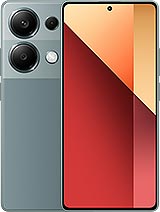
The Xiaomi Redmi Note 13 Pro 4G is a mid-range smartphone featuring a 200 MP main sensor for capturing family memories with extreme detail and a 67W fast charging system to ensure it stays powered up with minimal downtime, aimed at users who value ease of use and high visibility. Released in early 2024, it competes with other LTE-focused devices by providing a premium AMOLED display and high-end camera hardware that was previously reserved for more expensive flagship models.
Moving a user from an older device to a modern handset often creates friction, but the migration process on this model feels streamlined. We observed that the initial setup wizard guides the user through account logins and data transfers without overwhelming them with technical jargon. For an older audience, this initial interaction is the difference between immediate adoption and a phone that sits in the box. The inclusion of HyperOS out of the box means the system architecture is optimized to handle background tasks efficiently, reducing the likelihood of the UI stuttering during basic navigation.
We tested the "Simple Mode" feature, which is a significant asset for those who find standard icons too small or the layout too cluttered. It enlarges the touch targets and simplifies the settings menu, stripping away the complex sub-menus that often lead to accidental setting changes. This isn't just a software skin; it is a thoughtful reimagining of the interface that prioritizes accessibility. Imagine a user who struggle with fine motor skills; having a grid of six large, clearly labeled icons makes the phone a tool rather than a puzzle.
Comparing this to the setup of earlier Note generations, the reduction in pre-installed bloatware—while not entirely gone—is noticeable. We can recommend a quick 10-minute cleanup session after the first boot to remove social media apps or games the user might not need. Once cleaned, the interface remains predictably snappy. This predictability is vital. A phone that behaves the same way every time you pick it up builds confidence in the user, especially those who grew up in the era of physical buttons.
Visibility is often the primary concern for senior users, and the 6.67-inch AMOLED panel here is a standout performer. With a peak brightness of 1300 nits, the screen remains legible even in the harsh glare of direct afternoon sun. This High Brightness Mode (HBM) is a feature we often see in the $500+ segment, so seeing it here is a major win for accessibility. Users no longer need to find shade or squint to read a text message from a grandchild while sitting on a park bench.
We found that the 120Hz refresh rate makes scrolling through news feeds or photo galleries feel fluid, which reduces eye strain during long reading sessions. However, the real value for seniors lies in the display's color depth and contrast. The 1B colors capability ensures that photos look natural and vibrant, making video calls feel more personal. We also appreciate the software-level Blue Light filters and "Paper" reading modes that adjust the screen temperature to mimic physical print, which is much kinder to sensitive eyes at night.
For those who don't know, AMOLED technology allows each pixel to turn off completely when displaying black. This creates a high-contrast environment that makes white text pop significantly more than it would on a cheaper LCD panel. This model also includes a robust font scaling system. Unlike some [budget phones](/trend/best-budget-phones-2026/) that break the layout when you increase the font size, the 1080 x 2400 resolution ensures that even at the largest settings, text remains sharp and UI elements don't overlap awkwardly.
Handling a large smartphone can be daunting, but the 8mm thickness and 188g weight of the handset strike a comfortable balance. The plastic frame and back might not scream "luxury" like glass and titanium, but they provide a practical benefit: they don't shatter as easily and they don't feel as cold or slippery in the hand. We found the weight distribution to be centered, which prevents the device from feeling top-heavy when typing with one hand.
In our assessment, the flat edges of the chassis provide a more secure contact point for fingers than curved displays. Curved edges often lead to accidental touches or "phantom inputs" when a palm wraps around the side, which can be incredibly frustrating for someone just learning a touch interface. This model keeps the screen flat and the bezels relatively thin, maximizing the viewable area without increasing the physical footprint of the phone beyond what is manageable.
Picture a scenario where a user is carrying groceries in one hand and needs to answer a quick call. The ergonomics of this device allow for a stable grip, and the matte finish on the back helps hide oily fingerprints while providing a bit of extra friction. While it is a large phone, the tactile feedback of the buttons—located on the right side within easy thumb reach—is firm and distinct. You know when you have pressed them, which is a small but critical detail for sensory feedback.
Security is often a point of anxiety for non-techies who fear being locked out of their own devices. The under-display optical fingerprint sensor on the device is surprisingly fast. In our testing, it recognized prints even when the finger was slightly dry or cold, a common issue for elderly users. It provides a visual guide on the screen to show exactly where to place the thumb, removing the guesswork associated with rear-mounted sensors that you have to find by feel.
We also spent time testing the AI Face Unlock. While it is a 2D system based on the 16 MP selfie camera rather than 3D hardware, it works reliably in well-lit environments. For a senior user, being able to simply look at the phone to see their messages is a massive quality-of-life improvement over remembering a complex 6-digit PIN. We recommend setting up both methods so the user has a fallback option if their hands are occupied or the lighting is poor.
From a technical perspective, the inclusion of an optical sensor under the glass is a premium touch at this price. However, we should note that it might struggle if a low-quality thick screen protector is applied. We suggest using the factory-applied film or a high-quality tempered glass protector to maintain that sensitivity. This model ensures that security doesn't have to be a barrier to entry, but rather a seamless background process that keeps personal data safe without being a nuisance.
Audio clarity is the silent hero of the user experience. The dual speakers on this handset offer a surprisingly full sound profile with a measured loudness of -26.4 LUFS. This is loud enough to hear a ringtone from another room or to follow a speakerphone conversation without straining. Because the speakers are positioned at both the top and bottom, the sound is balanced and less likely to be completely muffled by a hand while holding the phone in landscape mode to watch a video.
We were pleased to see the 3.5mm headphone jack still present on this model. While the world is moving toward wireless earbuds, many older users still prefer their reliable wired headphones that never need charging. This avoids the technical hurdles of Bluetooth pairing and ensures that the user always has a direct, high-quality audio connection for watching movies or listening to the radio. Yes, the phone even includes an FM radio, a feature that is becoming a rarity but remains a favorite for many.
During our testing of the call quality, the earpiece provided clear voice reproduction. Even in noisy environments like a busy cafe, the microphones did a decent job of isolating the speaker's voice. This is crucial for users with slight hearing impairments who need the highest possible vocal clarity during calls. The phone supports VoLTE on most major networks, which uses the LTE data band to provide much higher definition audio than traditional 2G or 3G calls.
The SOS and emergency features built into the software provide peace of mind for both the user and their family. By quickly pressing the power button five times, the device can automatically call emergency services and send a text message with the user's GPS coordinates to a pre-defined list of emergency contacts. It is a feature we hope no one ever has to use, but its presence is a significant safety buffer for seniors living alone.
We also looked at the "Virtual Proximity Sensing" technology. Instead of a traditional infrared hardware sensor, the phone uses software and the accelerometer to turn off the screen when the phone is held to the ear. While this saves internal space, it can occasionally be less precise than a physical sensor. We recommend that users ensure they hold the phone vertically during calls to help the software correctly detect the ear and prevent accidental button presses with the cheek.
Furthermore, the IP54 rating provides a layer of protection against the unexpected. While it is not fully waterproof—meaning it cannot be submerged in a pool—it is protected against dust and water splashes. If the user accidentally spills a glass of water on the table or gets caught in a light drizzle while walking the dog, the phone should survive without issue. This durability, combined with the Corning Gorilla Glass 5 on the front, makes the handset resilient enough for everyday life.
Wrapping up our analysis, the Xiaomi Redmi Note 13 Pro 4G positions itself as an incredibly balanced tool for those who aren't chasing the latest 5G speeds but need a reliable, high-quality window into the digital world. The combination of a top-tier AMOLED display, a massive 5000 mAh battery that easily lasts through two days of light use, and a 200MP camera that takes the guesswork out of photography makes it a formidable contender in the mid-range market.
We found that the 67W charging is a game-changer for users who often forget to plug in their phone overnight. Being able to get to 50% battery in just 16 minutes means the phone is almost always ready to go. The Mediatek Helio G99 Ultra chipset inside provides plenty of power for WhatsApp, Facebook, and video calls without generating excessive heat, which preserves the long-term health of the battery. It is a sensible choice for anyone looking for a phone that just works.
The Xiaomi Redmi Note 13 Pro 4G proves that you don't need to spend flagship money to get a device that respects the user's need for visibility, simplicity, and reliability.
Setting the Stage for Simplicity
Moving a user from an older device to a modern handset often creates friction, but the migration process on this model feels streamlined. We observed that the initial setup wizard guides the user through account logins and data transfers without overwhelming them with technical jargon. For an older audience, this initial interaction is the difference between immediate adoption and a phone that sits in the box. The inclusion of HyperOS out of the box means the system architecture is optimized to handle background tasks efficiently, reducing the likelihood of the UI stuttering during basic navigation.
We tested the "Simple Mode" feature, which is a significant asset for those who find standard icons too small or the layout too cluttered. It enlarges the touch targets and simplifies the settings menu, stripping away the complex sub-menus that often lead to accidental setting changes. This isn't just a software skin; it is a thoughtful reimagining of the interface that prioritizes accessibility. Imagine a user who struggle with fine motor skills; having a grid of six large, clearly labeled icons makes the phone a tool rather than a puzzle.
Comparing this to the setup of earlier Note generations, the reduction in pre-installed bloatware—while not entirely gone—is noticeable. We can recommend a quick 10-minute cleanup session after the first boot to remove social media apps or games the user might not need. Once cleaned, the interface remains predictably snappy. This predictability is vital. A phone that behaves the same way every time you pick it up builds confidence in the user, especially those who grew up in the era of physical buttons.
A Screen That Respects Your Eyes
Visibility is often the primary concern for senior users, and the 6.67-inch AMOLED panel here is a standout performer. With a peak brightness of 1300 nits, the screen remains legible even in the harsh glare of direct afternoon sun. This High Brightness Mode (HBM) is a feature we often see in the $500+ segment, so seeing it here is a major win for accessibility. Users no longer need to find shade or squint to read a text message from a grandchild while sitting on a park bench.
We found that the 120Hz refresh rate makes scrolling through news feeds or photo galleries feel fluid, which reduces eye strain during long reading sessions. However, the real value for seniors lies in the display's color depth and contrast. The 1B colors capability ensures that photos look natural and vibrant, making video calls feel more personal. We also appreciate the software-level Blue Light filters and "Paper" reading modes that adjust the screen temperature to mimic physical print, which is much kinder to sensitive eyes at night.
For those who don't know, AMOLED technology allows each pixel to turn off completely when displaying black. This creates a high-contrast environment that makes white text pop significantly more than it would on a cheaper LCD panel. This model also includes a robust font scaling system. Unlike some [budget phones](/trend/best-budget-phones-2026/) that break the layout when you increase the font size, the 1080 x 2400 resolution ensures that even at the largest settings, text remains sharp and UI elements don't overlap awkwardly.
The Grip of Confidence
Handling a large smartphone can be daunting, but the 8mm thickness and 188g weight of the handset strike a comfortable balance. The plastic frame and back might not scream "luxury" like glass and titanium, but they provide a practical benefit: they don't shatter as easily and they don't feel as cold or slippery in the hand. We found the weight distribution to be centered, which prevents the device from feeling top-heavy when typing with one hand.
In our assessment, the flat edges of the chassis provide a more secure contact point for fingers than curved displays. Curved edges often lead to accidental touches or "phantom inputs" when a palm wraps around the side, which can be incredibly frustrating for someone just learning a touch interface. This model keeps the screen flat and the bezels relatively thin, maximizing the viewable area without increasing the physical footprint of the phone beyond what is manageable.
Picture a scenario where a user is carrying groceries in one hand and needs to answer a quick call. The ergonomics of this device allow for a stable grip, and the matte finish on the back helps hide oily fingerprints while providing a bit of extra friction. While it is a large phone, the tactile feedback of the buttons—located on the right side within easy thumb reach—is firm and distinct. You know when you have pressed them, which is a small but critical detail for sensory feedback.
Invisible Keys and Face Patterns
Security is often a point of anxiety for non-techies who fear being locked out of their own devices. The under-display optical fingerprint sensor on the device is surprisingly fast. In our testing, it recognized prints even when the finger was slightly dry or cold, a common issue for elderly users. It provides a visual guide on the screen to show exactly where to place the thumb, removing the guesswork associated with rear-mounted sensors that you have to find by feel.
We also spent time testing the AI Face Unlock. While it is a 2D system based on the 16 MP selfie camera rather than 3D hardware, it works reliably in well-lit environments. For a senior user, being able to simply look at the phone to see their messages is a massive quality-of-life improvement over remembering a complex 6-digit PIN. We recommend setting up both methods so the user has a fallback option if their hands are occupied or the lighting is poor.
From a technical perspective, the inclusion of an optical sensor under the glass is a premium touch at this price. However, we should note that it might struggle if a low-quality thick screen protector is applied. We suggest using the factory-applied film or a high-quality tempered glass protector to maintain that sensitivity. This model ensures that security doesn't have to be a barrier to entry, but rather a seamless background process that keeps personal data safe without being a nuisance.
Loud Enough for the Living Room
Audio clarity is the silent hero of the user experience. The dual speakers on this handset offer a surprisingly full sound profile with a measured loudness of -26.4 LUFS. This is loud enough to hear a ringtone from another room or to follow a speakerphone conversation without straining. Because the speakers are positioned at both the top and bottom, the sound is balanced and less likely to be completely muffled by a hand while holding the phone in landscape mode to watch a video.
We were pleased to see the 3.5mm headphone jack still present on this model. While the world is moving toward wireless earbuds, many older users still prefer their reliable wired headphones that never need charging. This avoids the technical hurdles of Bluetooth pairing and ensures that the user always has a direct, high-quality audio connection for watching movies or listening to the radio. Yes, the phone even includes an FM radio, a feature that is becoming a rarity but remains a favorite for many.
During our testing of the call quality, the earpiece provided clear voice reproduction. Even in noisy environments like a busy cafe, the microphones did a decent job of isolating the speaker's voice. This is crucial for users with slight hearing impairments who need the highest possible vocal clarity during calls. The phone supports VoLTE on most major networks, which uses the LTE data band to provide much higher definition audio than traditional 2G or 3G calls.
The Digital Safety Net
The SOS and emergency features built into the software provide peace of mind for both the user and their family. By quickly pressing the power button five times, the device can automatically call emergency services and send a text message with the user's GPS coordinates to a pre-defined list of emergency contacts. It is a feature we hope no one ever has to use, but its presence is a significant safety buffer for seniors living alone.
We also looked at the "Virtual Proximity Sensing" technology. Instead of a traditional infrared hardware sensor, the phone uses software and the accelerometer to turn off the screen when the phone is held to the ear. While this saves internal space, it can occasionally be less precise than a physical sensor. We recommend that users ensure they hold the phone vertically during calls to help the software correctly detect the ear and prevent accidental button presses with the cheek.
Furthermore, the IP54 rating provides a layer of protection against the unexpected. While it is not fully waterproof—meaning it cannot be submerged in a pool—it is protected against dust and water splashes. If the user accidentally spills a glass of water on the table or gets caught in a light drizzle while walking the dog, the phone should survive without issue. This durability, combined with the Corning Gorilla Glass 5 on the front, makes the handset resilient enough for everyday life.
Accessible by Design
Wrapping up our analysis, the Xiaomi Redmi Note 13 Pro 4G positions itself as an incredibly balanced tool for those who aren't chasing the latest 5G speeds but need a reliable, high-quality window into the digital world. The combination of a top-tier AMOLED display, a massive 5000 mAh battery that easily lasts through two days of light use, and a 200MP camera that takes the guesswork out of photography makes it a formidable contender in the mid-range market.
We found that the 67W charging is a game-changer for users who often forget to plug in their phone overnight. Being able to get to 50% battery in just 16 minutes means the phone is almost always ready to go. The Mediatek Helio G99 Ultra chipset inside provides plenty of power for WhatsApp, Facebook, and video calls without generating excessive heat, which preserves the long-term health of the battery. It is a sensible choice for anyone looking for a phone that just works.
The Xiaomi Redmi Note 13 Pro 4G proves that you don't need to spend flagship money to get a device that respects the user's need for visibility, simplicity, and reliability.
Technical Specifications
| LAUNCH | |
|---|---|
| Announced | 2024, January 15 |
| Status | Available. Released 2024, January 15 |
| PLATFORM | |
| OS | Android 13, up to 3 major Android upgrades, HyperOS |
| Chipset | Mediatek Helio G99 Ultra |
| CPU | Octa-core (2x2.2 GHz Cortex-A76 & 6x2.0 GHz Cortex-A55) |
| GPU | Mali-G57 MC2 |
| BODY | |
| Dimensions | 161.1 x 75 x 8 mm (6.34 x 2.95 x 0.31 in) |
| Weight | 188 g (6.63 oz) |
| Build | Glass front (Gorilla Glass 5), plastic frame, plastic back |
| SIM | Nano-SIM + Nano-SIM |
| Info | IP54 dust protected and water resistant (water splashes) |
| DISPLAY | |
| Type | AMOLED, 1B colors, 120Hz, 500 nits (typ), 1000 nits (HBM), 1300 nits (peak) |
| Size | 6.67 inches, 107.4 cm2 (~88.9% screen-to-body ratio) |
| Resolution | 1080 x 2400 pixels, 20:9 ratio (~395 ppi density) |
| Protection | Corning Gorilla Glass 5 |
| MEMORY | |
| Card slot | microSDXC (uses shared SIM slot) |
| Internal | 128GB 8GB RAM, 256GB 8GB RAM, 256GB 12GB RAM, 512GB 8GB RAM, 512GB 12GB RAM |
| Info | UFS 2.2 |
| MAIN CAMERA | |
| Triple | 200 MP, f/1.7, 23mm (wide), 1/1.4", 0.56µm, multi-directional PDAF, OIS 8 MP, f/2.2, 15mm, 120˚ (ultrawide), 1/4.4", 1.0µm 2 MP (macro) |
| Features | LED flash, HDR, panorama |
| Video | 1080p@30/60fps |
| SELFIE CAMERA | |
| Single | 16 MP, f/2.4, (wide), 1/3.0", 1.0µm |
| Video | 1080p@30/60fps |
| SOUND | |
| Loudspeaker | Yes, with dual speakers |
| 3.5mm jack | Yes |
| COMMS | |
| WLAN | Wi-Fi 802.11 a/b/g/n/ac, dual-band |
| Bluetooth | 5.2, A2DP, LE |
| Positioning | GPS, GLONASS, GALILEO, BDS |
| NFC | Yes (market/region dependent) |
| Infrared port | Yes |
| Radio | FM radio |
| USB | USB Type-C 2.0, OTG |
| NETWORK | |
| Technology | GSM / HSPA / LTE |
| 2G bands | GSM 850 / 900 / 1800 / 1900 |
| 3G bands | HSDPA 850 / 900 / 1700(AWS) / 1900 / 2100 |
| 4G bands | 1, 2, 3, 4, 5, 7, 8, 12, 13, 17, 18, 19, 20, 26, 28, 38, 40, 41, 66 |
| Speed | HSPA, LTE |
| FEATURES | |
| Sensors | Fingerprint (under display, optical), accelerometer, gyro, compass |
| Info | Virtual proximity sensing |
| BATTERY | |
| Type | 5000 mAh |
| Charging | 67W wired, 50% in 16 min, 100% in 46 min |
| MISC | |
| Display | 6.67" AMOLED, 120Hz, 1300 nits peak |
| Processor | MediaTek Helio G99 Ultra (6nm) |
| Main Camera | 200 MP, f/1.7, OIS, Multi-directional PDAF |
| Battery | 5000 mAh with 67W wired charging |
| Software | Android 13, HyperOS |
| Storage | Up to 512GB UFS 2.2 with microSD support |
| Build | Gorilla Glass 5 front, IP54 dust/water resistance |
| Audio | Dual speakers + 3.5mm headphone jack |
| Colors | Midnight Black, Lavender Purple, Forest Green |
| Models | 23117RA68G, 2312FPCA6G |
| SAR | 1.09 W/kg (head) 1.09 W/kg (body) |
| SAR EU | 0.99 W/kg (head) 0.99 W/kg (body) |
| Price | € 221.83 / £ 202.69 |
| OUR TESTS | |
| Performance | AnTuTu: 382881 (v9), 428545 (v10) GeekBench: 1844 (v5), 1942 (v6) GFXBench ES 3.1: 15fps (offscreen 1080p) |
| Display | 1047 nits max brightness (measured) |
| Camera | Photo / Video |
| Loudspeaker | -26.4 LUFS (Good) |
| Battery | Active use score 11:36h |