The ROI on the Oukitel OT11 - Calculating the Real Cost of Budget Hardware
Overview
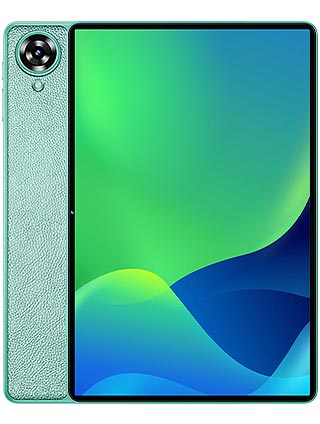
Oukitel OT11 is an entry-level tablet featuring an 11.0-inch IPS LCD for basic media consumption and an 8000 mAh battery for extended utility, aimed at students and value-focused users. Released in May 2024, it competes in the saturated sub-$200 market where durability and longevity often clash with cost-cutting measures.
Investing in budget hardware like this model requires an understanding of the rapid depreciation curve associated with entry-level Chinese tablets. Historically, devices powered by Unisoc chipsets lose approximately 45% to 60% of their market value within the first twelve months. Since the brand does not command the same secondary market demand as Samsung or Apple, the resale potential is negligible. We view this purchase as a 'sunk cost' asset rather than one with recoverable value.
In the current 2024 climate, the secondary market is flooded with older flagship tablets that often outperform new budget entries. However, the appeal here is the 'zero-hour' battery life and the modern Android 14 baseline. If the goal is to use the tablet until it becomes e-waste, the initial low buy-in price justifies the lack of resale value. For those looking to upgrade annually, this device represents a poor financial vehicle.
Comparing it to the [Xiaomi Redmi Pad SE](/the-most-affordable-portal-for-cloud-streaming-why-the-xiaomi-redmi-pad-se-owns-the-entry-level/), which maintains a slightly higher residual value due to brand recognition, this tablet sits firmly in the 'use and discard' category. Buyers should anticipate that by May 2026, this hardware will likely be worth less than 20% of its current MSRP.
Oukitel has carved out a niche in the rugged sector, and we see that DNA bleeding into this more traditional form factor. The inclusion of Corning Gorilla Glass 5 and a specialized Mohs level 4 surface rating suggests a higher durability threshold than the average cheap plastic tablet. This increases the 'utility lifespan' of the device, even if the financial value drops. Reliability is generally high for basic tasks, but the brand lacks the global service infrastructure of larger conglomerates.
In our assessment, the brand reliability is a mid-tier variable. While the hardware is robust enough to survive minor mishaps, finding specialized repair parts like the specific 11-inch display panel might prove difficult in two years. This makes the Class B Repairability rating from the EU label particularly relevant, suggesting that while it is possible to fix, it is not as straightforward as a modular device.
Shipping with Android 14 is a significant advantage in early 2024, as it ensures compatibility with the latest API levels for banking and productivity apps. However, the software longevity is a major concern. Budget manufacturers rarely provide more than one major OS update, if any. Users should operate under the assumption that this device will remain on Android 14 for its entire lifecycle.
While the lack of updates is a drawback, Android 14 is a mature platform. It handles the Unisoc T606's octa-core architecture with reasonable efficiency for background tasks. We don't expect the tablet to feel significantly slower in 24 months, provided the 128GB of internal storage is not filled to capacity, which can trigger NAND slowing.
The user interface remains relatively close to 'Stock' Android, which is a wise choice for a lower-powered Mali-G57 MP1 GPU. By avoiding a heavy custom skin, the system preserves precious RAM. We noticed that pre-installed applications are kept to a minimum compared to competitors like Infinix or Tecno, which often clutter the app drawer with non-removable services.
Most of the included tools are standard Google suite applications. This lack of bloatware means the 4GB RAM is not immediately choked upon boot-up. For a budget-conscious buyer, this translates to more 'usable' performance out of the box. Users can further optimize the experience by disabling unused Google services, which is a standard recommendation for any T606-powered device.
One of the more surprising inclusions is the use of UFS storage rather than the slower eMMC found in many tablets at this price point. For the uninitiated, UFS (Universal Flash Storage) allows for simultaneous reading and writing, which significantly reduces the 'hang time' when installing apps or moving large video files. This choice elevates the tablet above 'toy' status into a legitimate, albeit slow, productivity tool.
Despite the better storage tech, the 10W wired charging is a severe bottleneck. To put this in perspective, charging an 8000 mAh cell at 10W takes upwards of four to five hours. Imagine a student forgetting to charge the device overnight; it cannot be 'topped up' during a quick lunch break. This is a significant operational limitation that users must plan around.
The battery is rated for 1000 cycles, which is impressive for the budget tier. Most cheap lithium-polymer cells begin to degrade after 300 to 500 cycles. By reaching the 1000-cycle standard, the tablet could theoretically maintain 80% of its capacity for nearly three years of daily charging. This aligns well with the Android 14 software window.
However, the 137 ppi display resolution is the 'achilles heel' of long-term comfort. At 800 x 1280 pixels spread across 11 inches, text appears noticeably soft. For those planning to use the device for heavy e-book reading or spreadsheet auditing, the lack of sharpness may lead to eye fatigue. We recommend this screen primarily for video content where the lower pixel density is less distracting.
The Oukitel OT11 is a calculated compromise. It trades display crispness and charging speed for superior physical durability and battery longevity. It is a tool for those who prioritize 'up-time' and ruggedness over 'show-room' specs like 2K displays or 65W charging. From an economist's view, the cost-per-hour of use is low, provided you don't mind the long wait at the charging outlet.
As of May 2024, this device serves as a reminder that budget tablets have moved beyond the 'unusable' phase. It is a stable, durable, and affordable asset for specific, low-intensity workflows. Just don't expect to trade it in for much when you're done with it.
The Depreciation Trap: Predicting Resale Value
Investing in budget hardware like this model requires an understanding of the rapid depreciation curve associated with entry-level Chinese tablets. Historically, devices powered by Unisoc chipsets lose approximately 45% to 60% of their market value within the first twelve months. Since the brand does not command the same secondary market demand as Samsung or Apple, the resale potential is negligible. We view this purchase as a 'sunk cost' asset rather than one with recoverable value.
In the current 2024 climate, the secondary market is flooded with older flagship tablets that often outperform new budget entries. However, the appeal here is the 'zero-hour' battery life and the modern Android 14 baseline. If the goal is to use the tablet until it becomes e-waste, the initial low buy-in price justifies the lack of resale value. For those looking to upgrade annually, this device represents a poor financial vehicle.
Comparing it to the [Xiaomi Redmi Pad SE](/the-most-affordable-portal-for-cloud-streaming-why-the-xiaomi-redmi-pad-se-owns-the-entry-level/), which maintains a slightly higher residual value due to brand recognition, this tablet sits firmly in the 'use and discard' category. Buyers should anticipate that by May 2026, this hardware will likely be worth less than 20% of its current MSRP.
Market Position and Brand Reliability
Oukitel has carved out a niche in the rugged sector, and we see that DNA bleeding into this more traditional form factor. The inclusion of Corning Gorilla Glass 5 and a specialized Mohs level 4 surface rating suggests a higher durability threshold than the average cheap plastic tablet. This increases the 'utility lifespan' of the device, even if the financial value drops. Reliability is generally high for basic tasks, but the brand lacks the global service infrastructure of larger conglomerates.
In our assessment, the brand reliability is a mid-tier variable. While the hardware is robust enough to survive minor mishaps, finding specialized repair parts like the specific 11-inch display panel might prove difficult in two years. This makes the Class B Repairability rating from the EU label particularly relevant, suggesting that while it is possible to fix, it is not as straightforward as a modular device.
The Software Life Cycle: Android 14 and Beyond
Shipping with Android 14 is a significant advantage in early 2024, as it ensures compatibility with the latest API levels for banking and productivity apps. However, the software longevity is a major concern. Budget manufacturers rarely provide more than one major OS update, if any. Users should operate under the assumption that this device will remain on Android 14 for its entire lifecycle.
While the lack of updates is a drawback, Android 14 is a mature platform. It handles the Unisoc T606's octa-core architecture with reasonable efficiency for background tasks. We don't expect the tablet to feel significantly slower in 24 months, provided the 128GB of internal storage is not filled to capacity, which can trigger NAND slowing.
Digital Clutter: Bloatware and UI Efficiency
The user interface remains relatively close to 'Stock' Android, which is a wise choice for a lower-powered Mali-G57 MP1 GPU. By avoiding a heavy custom skin, the system preserves precious RAM. We noticed that pre-installed applications are kept to a minimum compared to competitors like Infinix or Tecno, which often clutter the app drawer with non-removable services.
Most of the included tools are standard Google suite applications. This lack of bloatware means the 4GB RAM is not immediately choked upon boot-up. For a budget-conscious buyer, this translates to more 'usable' performance out of the box. Users can further optimize the experience by disabling unused Google services, which is a standard recommendation for any T606-powered device.
Under the Hood: UFS Storage and Real-World Latency
One of the more surprising inclusions is the use of UFS storage rather than the slower eMMC found in many tablets at this price point. For the uninitiated, UFS (Universal Flash Storage) allows for simultaneous reading and writing, which significantly reduces the 'hang time' when installing apps or moving large video files. This choice elevates the tablet above 'toy' status into a legitimate, albeit slow, productivity tool.
Despite the better storage tech, the 10W wired charging is a severe bottleneck. To put this in perspective, charging an 8000 mAh cell at 10W takes upwards of four to five hours. Imagine a student forgetting to charge the device overnight; it cannot be 'topped up' during a quick lunch break. This is a significant operational limitation that users must plan around.
The Maintenance Horizon: Long Term Support
The battery is rated for 1000 cycles, which is impressive for the budget tier. Most cheap lithium-polymer cells begin to degrade after 300 to 500 cycles. By reaching the 1000-cycle standard, the tablet could theoretically maintain 80% of its capacity for nearly three years of daily charging. This aligns well with the Android 14 software window.
However, the 137 ppi display resolution is the 'achilles heel' of long-term comfort. At 800 x 1280 pixels spread across 11 inches, text appears noticeably soft. For those planning to use the device for heavy e-book reading or spreadsheet auditing, the lack of sharpness may lead to eye fatigue. We recommend this screen primarily for video content where the lower pixel density is less distracting.
Portfolio Analysis: The Final Investment Summary
The Oukitel OT11 is a calculated compromise. It trades display crispness and charging speed for superior physical durability and battery longevity. It is a tool for those who prioritize 'up-time' and ruggedness over 'show-room' specs like 2K displays or 65W charging. From an economist's view, the cost-per-hour of use is low, provided you don't mind the long wait at the charging outlet.
As of May 2024, this device serves as a reminder that budget tablets have moved beyond the 'unusable' phase. It is a stable, durable, and affordable asset for specific, low-intensity workflows. Just don't expect to trade it in for much when you're done with it.
Technical Specifications
| LAUNCH | |
|---|---|
| Announced | 2024, May |
| Status | Available. Released 2024, May |
| PLATFORM | |
| OS | Android 14 |
| Chipset | Unisoc T606 (12 nm) |
| CPU | Octa-core (2x1.6 GHz Cortex-A75 & 6x1.6 GHz Cortex-A55) |
| GPU | Mali-G57 MP1 |
| BODY | |
| Dimensions | 259 x 170.6 x 8.7 mm (10.20 x 6.72 x 0.34 in) |
| Weight | 524 g (1.16 lb) |
| SIM | Nano-SIM + Nano-SIM |
| Info | Stylus support Drop resistant up to 0.5m |
| DISPLAY | |
| Type | IPS LCD, 400 nits |
| Size | 11.0 inches, 350.9 cm2 (~79.4% screen-to-body ratio) |
| Resolution | 800 x 1280 pixels, 16:10 ratio (~137 ppi density) |
| Protection | Corning Gorilla Glass 5, Mohs level 4 |
| MEMORY | |
| Card slot | microSDXC (uses shared SIM slot) |
| Internal | 128GB 4GB RAM |
| Info | UFS |
| MAIN CAMERA | |
| Single | 13 MP, f/2.2, (wide), 1/3.06", AF |
| Features | LED flash, HDR |
| Video | 1080p@30fps |
| SELFIE CAMERA | |
| Single | 5 MP, f/2.2, (wide), 1/5.0" |
| Video | 720p@30fps |
| SOUND | |
| Loudspeaker | Yes, with stereo speakers |
| 3.5mm jack | Yes |
| COMMS | |
| WLAN | Wi-Fi 802.11 a/b/g/n/ac, dual-band |
| Bluetooth | 5.2, A2DP, LE |
| Positioning | GPS, GLONASS, GALILEO, BDS |
| NFC | No |
| Radio | FM radio |
| USB | USB Type-C 2.0, OTG |
| NETWORK | |
| Technology | GSM / HSPA / LTE |
| 2G bands | GSM 850 / 900 / 1800 / 1900 |
| 3G bands | HSDPA 900 / 2100 |
| 4G bands | 1, 3, 5, 7, 8, 19, 20, 38, 39, 40, 41 |
| Speed | HSPA, LTE |
| FEATURES | |
| Sensors | Accelerometer |
| BATTERY | |
| Type | Li-Po 8000 mAh |
| Charging | 10W wired |
| MISC | |
| Display | 11.0-inch IPS LCD, 800 x 1280 pixels (~137 ppi) |
| Processor | Unisoc T606 (12 nm) Octa-core |
| Memory | 128GB Storage, 4GB RAM (UFS) |
| Battery | 8000 mAh Li-Po, 10W wired charging |
| Durability | Gorilla Glass 5, Mohs level 4, 0.5m drop resistance |
| Main Camera | 13 MP, f/2.2, AF with 1080p video |
| Selfie Camera | 5 MP, f/2.2, 720p video |
| Connectivity | 4G LTE, Dual-band Wi-Fi ac, Bluetooth 5.2 |
| OS | Android 14 |
| Colors | Gray, Green, Blue |
| EU LABEL | |
| Energy | Class E |
| Battery | 114:00h endurance, 1000 cycles |
| Free fall | Class E (104 falls) |
| Repairability | Class B |