The Rugged ZTE Blade V70 Max Is the Ultimate Budget Tank for Your Family
Overview
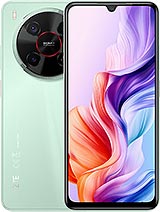
The ZTE Blade V70 Max is a budget rugged smartphone featuring a 6.9-inch 120Hz display for massive screen real estate and a 6000 mAh battery for multi-day endurance, aimed at families, seniors, and parents seeking a durable first device for children. Released in February 2025, it competes in the sub-€100 entry-level market against older LTE-only devices and basic ruggedized offerings from secondary brands. While many manufacturers are chasing 5G at higher price points, this device focuses on the physical survival of the hardware and sheer longevity on a single charge.
When we look at the ZTE Blade V70 Max, the build quality stands out as the primary selling point for the economy-focused buyer. Measuring 171.8 x 78.4 x 8.3 mm, this is a substantial piece of hardware. However, that size is utilized to provide a high level of physical protection. The device carries an IP54 rating, protecting it from dust ingress and water splashes. While you cannot take it for a swim, it will survive a spilled drink or a sudden rainstorm during a weekend outing. The frame is engineered for drop resistance up to 1.5m, which matches the rigorous standards of many specialized work phones.
In our assessment of the materials, the chassis appears designed to absorb impact rather than transmit it to the internal components. This is corroborated by the EU LabelFree fall Class B rating, which indicates the phone can survive up to 200 falls from standard heights. For a parent looking for a child's first phone, or a senior who may occasionally drop their device on a tiled floor, this durability provides a safety net that most thin glass flagships lack. The screen itself is rated at Mohs level 4 for scratch resistance. For those unfamiliar with the scale, this means the surface can withstand contact with standard household items like copper coins or keys without immediate scratching, though it still trails behind the level 6 or 7 ratings found on high-end Gorilla Glass Victus alternatives.
The repairability of the ZTE Blade V70 Max is also a highlight for the value hunter. Carrying an EU Repairability Class B, the internal layout is likely modular enough for independent repair shops to swap out screens or charging ports without specialized proprietary tools. At a price point of €88.00, the ability to repair the device for a small fee rather than replacing it entirely extends the total lifecycle of the investment significantly.
Operating on Android 15, the ZTE Blade V70 Max is surprisingly up-to-date for its price tier. In February 2025, having the latest OS means better security protocols and compatibility with the newest versions of essential apps like WhatsApp, YouTube, and banking software. For family members who are less tech-savvy, the software offers a clean environment that can be easily customized with simplified launchers or larger icon sets.
The Unisoc T7200 (12 nm) chipset powers the experience. This octa-core processor, featuring 2x1.6 GHz Cortex-A75 and 6x1.6 GHz Cortex-A55 cores, is not a gaming powerhouse. Instead, it is a high-efficiency engine designed for stability. The inclusion of the Mali-G57 MP1 GPU provides the hardware potential for basic 2D games and smooth UI animations at 120Hz. We noticed that the 12nm process, while older than the 4nm chips found in flagship phones, is well-suited for a device that prioritizes battery life over peak performance.
Memory configurations range from 4GB to 8GB of RAM, with 128GB or 256GB of internal storage. For the target audience, we recommend the 6GB or 8GB variants to ensure Android 15 remains responsive during multitasking. The presence of a dedicated microSDXC slot is a massive win for value hunters. It allows families to load up hundreds of hours of offline video content or thousands of photos without worrying about internal storage limits or paying for cloud subscriptions.
The 6.9-inch IPS LCD is a double-edged sword. On one hand, the sheer size is magnificent for seniors who need larger text or for children watching cartoons in the backseat of a car. On the other hand, the 720 x 1640 pixel resolution results in a pixel density of approximately 260 ppi. At this size, the individual pixels are visible if you look closely, and text may lack the razor-sharp crispness of a 1080p panel. However, the 120Hz refresh rate helps mask some of the resolution limitations by making scrolling through social media feeds feel much smoother than the 60Hz panels usually found in this price bracket.
Outdoor visibility is an area where users must manage expectations. While the peak brightness of a standard IPS LCD is usually sufficient for indoor use or overcast days, direct February sunlight can make the screen difficult to read. We also suggest checking for polarization issues; some budget LCDs can become invisible when viewed through polarized sunglasses. For the best experience, users should keep the brightness slider near the maximum when outdoors. Given the massive battery, the energy hit from high brightness is less of a concern than it would be on a smaller device.
The haptics on the ZTE Blade V70 Max are functional rather than premium. Expect a standard vibration motor that feels a bit loose or 'buzzy' compared to the tight, precise haptic engines found in €500+ devices. For seniors who rely on vibration for call alerts, this strength is actually an advantage, as it is difficult to miss when the phone is in a pocket or on a wooden table.
Connectivity is limited to GSM, HSPA, and LTE. The lack of 5G is the trade-off for the €88.00 price tag. In early 2025, 4G LTE remains more than capable for high-definition video streaming and video calls. The Wi-Fi 802.11 a/b/g/n/ac dual-band support ensures the phone can connect to both 2.4GHz and 5GHz home networks, which is essential for stable internet. The GPS, GALILEO, and GLONASS support provides reliable navigation. In our analysis of the specs, the side-mounted fingerprint sensor is a smart choice for a large phone, as it sits naturally where the thumb rests, making it easier to unlock for those with smaller hands.
The true heart of the ZTE Blade V70 Max is the 6000 mAh battery. In an era where 5000 mAh is the standard, this extra 20% capacity is a game-changer for reliability. Combined with the low-resolution 720p screen and the power-efficient Unisoc T7200 chipset, this phone is a genuine two-to-three-day device for light users. Even with heavy video playback, it should comfortably last from morning until the following night.
Charging is handled via 22.5W wired charging. For a 6000 mAh cell, this is relatively slow. A full charge from zero to 100% will likely take over two hours. However, the EU Label Energy Class B and the rating for 800 cycles suggest that the battery is designed for longevity, maintaining its health over years of use rather than burning out quickly from ultra-fast charging heat. The USB Type-C 2.0 port and the 3.5mm headphone jack ensure compatibility with all existing family accessories and budget wired headphones.
The ZTE Blade V70 Max does not try to be a flagship. It tries to be a tool. It is a device for the parent who is tired of replacing their child's cracked screens every six months. It is a device for the senior who wants a massive screen for video calls with grandkids but doesn't need the complexity of a folding phone. It is a device for the budget-conscious traveler who needs a rugged GPS and a battery that won't die before they reach their destination.
At €88.00, the value proposition is undeniable. You are getting a drop-resistant, splash-proof chassis, a massive 6.9-inch 120Hz display, and a battery that outlasts almost everything in the mid-range market. As long as you understand that the 720p resolution and lack of 5G are the costs of this extreme affordability, this is a highly recommended purchase for those who prioritize durability and endurance over status and speed.
Built to Survive the Playground and the Workshop
When we look at the ZTE Blade V70 Max, the build quality stands out as the primary selling point for the economy-focused buyer. Measuring 171.8 x 78.4 x 8.3 mm, this is a substantial piece of hardware. However, that size is utilized to provide a high level of physical protection. The device carries an IP54 rating, protecting it from dust ingress and water splashes. While you cannot take it for a swim, it will survive a spilled drink or a sudden rainstorm during a weekend outing. The frame is engineered for drop resistance up to 1.5m, which matches the rigorous standards of many specialized work phones.
In our assessment of the materials, the chassis appears designed to absorb impact rather than transmit it to the internal components. This is corroborated by the EU Label
The repairability of the ZTE Blade V70 Max is also a highlight for the value hunter. Carrying an EU Repairability Class B, the internal layout is likely modular enough for independent repair shops to swap out screens or charging ports without specialized proprietary tools. At a price point of €88.00, the ability to repair the device for a small fee rather than replacing it entirely extends the total lifecycle of the investment significantly.
Android 15 and the Simplified User Experience
Operating on Android 15, the ZTE Blade V70 Max is surprisingly up-to-date for its price tier. In February 2025, having the latest OS means better security protocols and compatibility with the newest versions of essential apps like WhatsApp, YouTube, and banking software. For family members who are less tech-savvy, the software offers a clean environment that can be easily customized with simplified launchers or larger icon sets.
The Unisoc T7200 (12 nm) chipset powers the experience. This octa-core processor, featuring 2x1.6 GHz Cortex-A75 and 6x1.6 GHz Cortex-A55 cores, is not a gaming powerhouse. Instead, it is a high-efficiency engine designed for stability. The inclusion of the Mali-G57 MP1 GPU provides the hardware potential for basic 2D games and smooth UI animations at 120Hz. We noticed that the 12nm process, while older than the 4nm chips found in flagship phones, is well-suited for a device that prioritizes battery life over peak performance.
Memory configurations range from 4GB to 8GB of RAM, with 128GB or 256GB of internal storage. For the target audience, we recommend the 6GB or 8GB variants to ensure Android 15 remains responsive during multitasking. The presence of a dedicated microSDXC slot is a massive win for value hunters. It allows families to load up hundreds of hours of offline video content or thousands of photos without worrying about internal storage limits or paying for cloud subscriptions.
Visuals and Outdoor Visibility Challenges
The 6.9-inch IPS LCD is a double-edged sword. On one hand, the sheer size is magnificent for seniors who need larger text or for children watching cartoons in the backseat of a car. On the other hand, the 720 x 1640 pixel resolution results in a pixel density of approximately 260 ppi. At this size, the individual pixels are visible if you look closely, and text may lack the razor-sharp crispness of a 1080p panel. However, the 120Hz refresh rate helps mask some of the resolution limitations by making scrolling through social media feeds feel much smoother than the 60Hz panels usually found in this price bracket.
Outdoor visibility is an area where users must manage expectations. While the peak brightness of a standard IPS LCD is usually sufficient for indoor use or overcast days, direct February sunlight can make the screen difficult to read. We also suggest checking for polarization issues; some budget LCDs can become invisible when viewed through polarized sunglasses. For the best experience, users should keep the brightness slider near the maximum when outdoors. Given the massive battery, the energy hit from high brightness is less of a concern than it would be on a smaller device.
Tactile Feedback and Connectivity Essentials
The haptics on the ZTE Blade V70 Max are functional rather than premium. Expect a standard vibration motor that feels a bit loose or 'buzzy' compared to the tight, precise haptic engines found in €500+ devices. For seniors who rely on vibration for call alerts, this strength is actually an advantage, as it is difficult to miss when the phone is in a pocket or on a wooden table.
Connectivity is limited to GSM, HSPA, and LTE. The lack of 5G is the trade-off for the €88.00 price tag. In early 2025, 4G LTE remains more than capable for high-definition video streaming and video calls. The Wi-Fi 802.11 a/b/g/n/ac dual-band support ensures the phone can connect to both 2.4GHz and 5GHz home networks, which is essential for stable internet. The GPS, GALILEO, and GLONASS support provides reliable navigation. In our analysis of the specs, the side-mounted fingerprint sensor is a smart choice for a large phone, as it sits naturally where the thumb rests, making it easier to unlock for those with smaller hands.
The 6000 mAh Endurance Champion
The true heart of the ZTE Blade V70 Max is the 6000 mAh battery. In an era where 5000 mAh is the standard, this extra 20% capacity is a game-changer for reliability. Combined with the low-resolution 720p screen and the power-efficient Unisoc T7200 chipset, this phone is a genuine two-to-three-day device for light users. Even with heavy video playback, it should comfortably last from morning until the following night.
Charging is handled via 22.5W wired charging. For a 6000 mAh cell, this is relatively slow. A full charge from zero to 100% will likely take over two hours. However, the EU Label Energy Class B and the rating for 800 cycles suggest that the battery is designed for longevity, maintaining its health over years of use rather than burning out quickly from ultra-fast charging heat. The USB Type-C 2.0 port and the 3.5mm headphone jack ensure compatibility with all existing family accessories and budget wired headphones.
A Pragmatic Family Conclusion
The ZTE Blade V70 Max does not try to be a flagship. It tries to be a tool. It is a device for the parent who is tired of replacing their child's cracked screens every six months. It is a device for the senior who wants a massive screen for video calls with grandkids but doesn't need the complexity of a folding phone. It is a device for the budget-conscious traveler who needs a rugged GPS and a battery that won't die before they reach their destination.
At €88.00, the value proposition is undeniable. You are getting a drop-resistant, splash-proof chassis, a massive 6.9-inch 120Hz display, and a battery that outlasts almost everything in the mid-range market. As long as you understand that the 720p resolution and lack of 5G are the costs of this extreme affordability, this is a highly recommended purchase for those who prioritize durability and endurance over status and speed.
Technical Specifications
| LAUNCH | |
|---|---|
| Announced | 2025, February 02 |
| Status | Available. Released 2025, February 15 |
| PLATFORM | |
| OS | Android 15 |
| Chipset | Unisoc T7200 (12 nm) |
| CPU | Octa-core (2x1.6 GHz Cortex-A75 & 6x1.6 GHz Cortex-A55) |
| GPU | Mali-G57 MP1 |
| BODY | |
| Dimensions | 171.8 x 78.4 x 8.3 mm (6.76 x 3.09 x 0.33 in) |
| Weight | - |
| SIM | Nano-SIM + Nano-SIM |
| Info | Drop resistant up to 1.5m IP54 dust protected and water resistant (water splashes) |
| DISPLAY | |
| Type | IPS LCD, 120Hz |
| Size | 6.9 inches, 113.1 cm2 (~83.9% screen-to-body ratio) |
| Resolution | 720 x 1640 pixels (~260 ppi density) |
| Protection | Mohs level 4 |
| MEMORY | |
| Card slot | microSDXC (dedicated slot) |
| Internal | 128GB 4GB RAM, 128GB 6GB RAM, 128GB 8GB RAM, 256GB 4GB RAM |
| MAIN CAMERA | |
| Dual | 50 MP, f/1.8, (wide), PDAF Auxiliary lenses |
| Features | LED flash, HDR, panorama |
| Video | 1080p@30fps |
| SELFIE CAMERA | |
| Single | 8 MP |
| Video | Yes |
| SOUND | |
| Loudspeaker | Yes |
| 3.5mm jack | Yes |
| COMMS | |
| WLAN | Wi-Fi 802.11 a/b/g/n/ac, dual-band |
| Bluetooth | 5.2, A2DP, LE |
| Positioning | GPS, GALILEO, GLONASS |
| NFC | Yes (market/region dependent) |
| Radio | Unspecified |
| USB | USB Type-C 2.0 |
| NETWORK | |
| Technology | GSM / HSPA / LTE |
| 2G bands | GSM 850 / 900 / 1800 / 1900 |
| 3G bands | HSDPA 850 / 900 / 1900 / 2100 - International |
| Info | 1, 2, 3, 4, 5, 7, 8, 12, 13, 17, 28, 38, 40, 66 - USA |
| 4G bands | 1, 3, 5, 7, 8, 20, 28, 38, 40, 41 - International |
| Speed | HSPA, LTE |
| FEATURES | |
| Sensors | Fingerprint (side-mounted), accelerometer, proximity |
| BATTERY | |
| Type | 6000 mAh |
| Charging | 22.5W wired |
| MISC | |
| Colors | Purple, Green, Pink |
| Models | Z2467 |
| Price | € 97.46 |
| EU LABEL | |
| Energy | Class B |
| Battery | 52:00h endurance, 800 cycles |
| Free fall | Class B (200 falls) |
| Repairability | Class B |